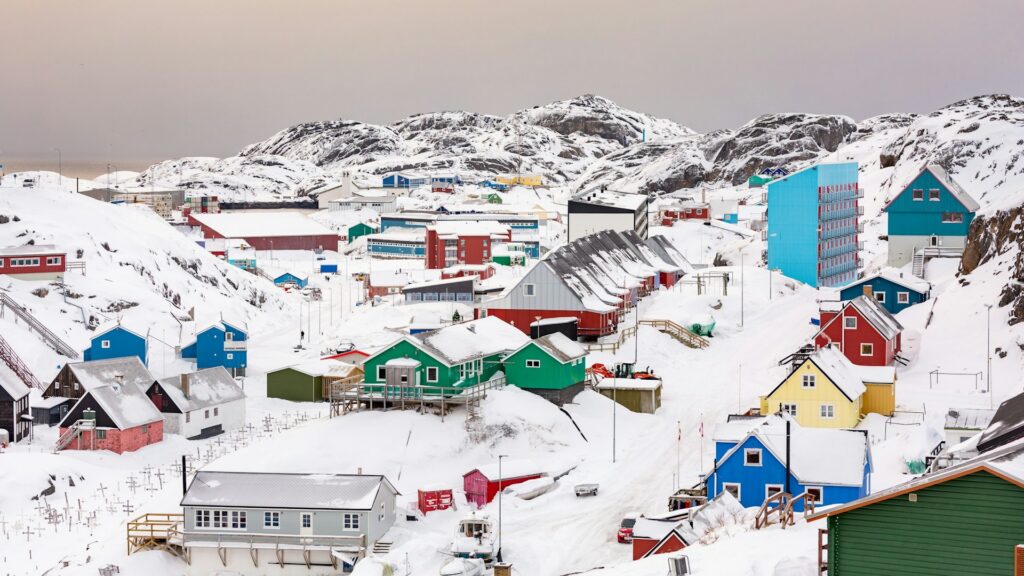
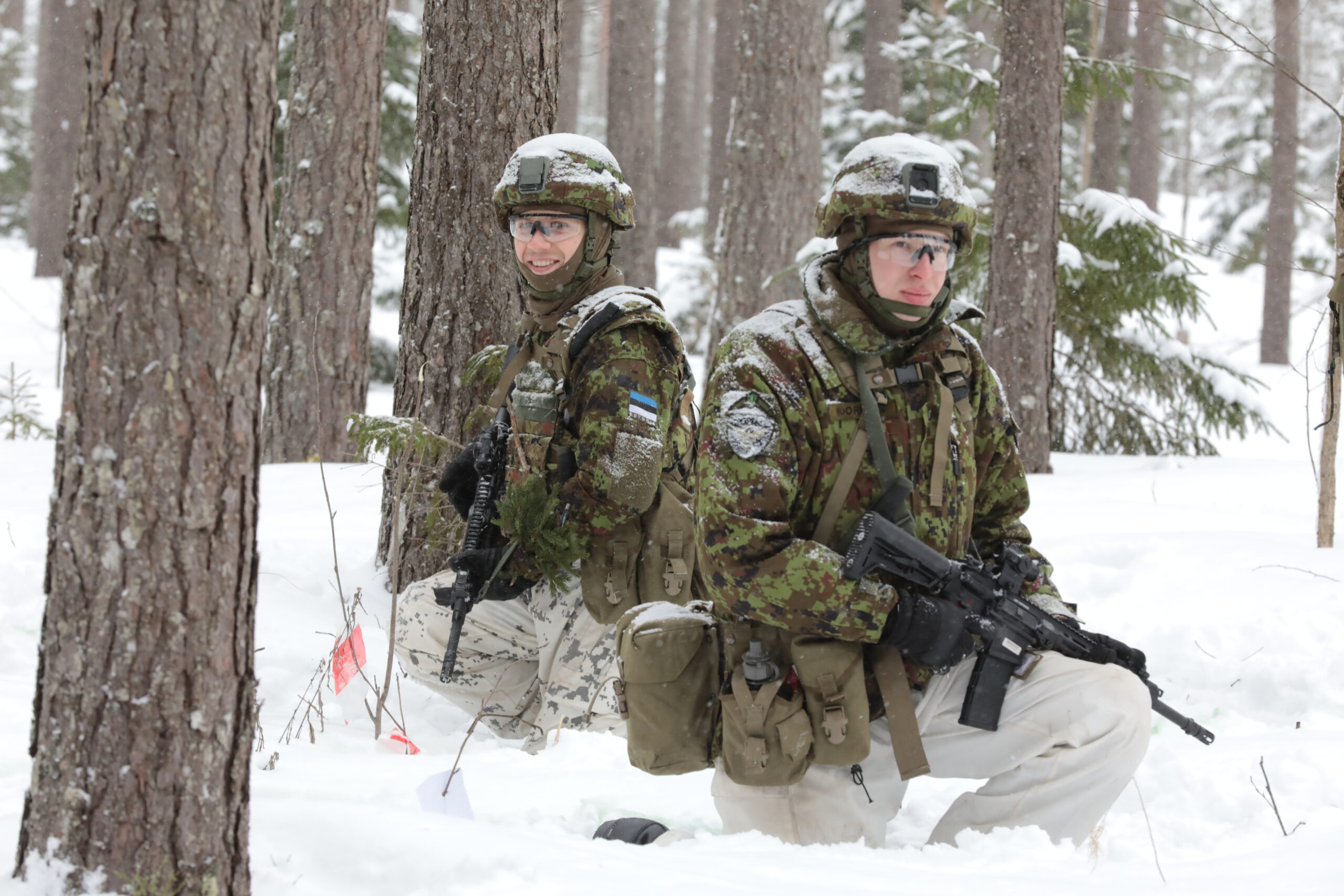
Estonia is preparing to contribute to a joint European military exercise in Greenland and has signalled it is ready, if necessary, to deploy troops on the ground, underscoring its support for allies amid rising geopolitical tensions in the Arctic.
The Estonian prime minister Kristen Michal said on Thursday that the Estonian Defence Forces are involved in the planning of the exercise, known as Arctic Endurance, which is expected to take place in Greenland.
Speaking at a government press conference, Michal said Estonia was prepared to participate “if we can contribute in some way to resolving the situation”, adding that developments surrounding Greenland were a matter of shared values and collective security.
He stressed that the question of Greenland’s status should be addressed within NATO, expressing confidence that the alliance remains the appropriate framework for managing tensions in the High North.
Estonia signals readiness to deploy troops
That position was reinforced on Thursday by the Estonian foreign minister Margus Tsahkna, who told his Danish counterpart Lars Løkke Rasmussen that Estonia is ready, if required, to contribute to Greenland’s security with its own troops.
“Estonia is taking part in planning a European joint exercise and is ready, if necessary, to contribute to ensuring Greenland’s security with its own troops,” Tsahkna said.
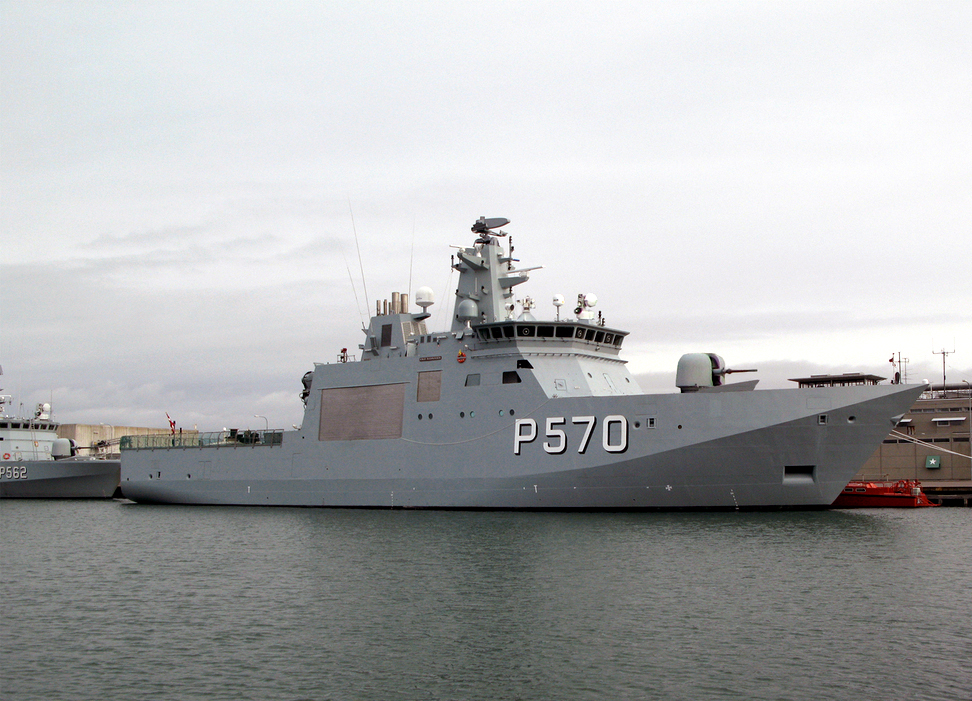
Michal echoed that view, underlining repeatedly that, in Estonia’s assessment, Greenland’s future is a values-based question and must be decided by Greenland’s people and the Denmark alone.
“Europe’s position is clear: Greenland’s future is for Greenlanders and the Kingdom of Denmark to decide, not anyone else,” Michal said, adding that disagreements among NATO allies should be resolved through diplomacy and dialogue.
The prime minister confirmed that Estonia would respond positively should Denmark formally request a troop contribution, noting that he has discussed the issue with the Danish prime minister Mette Frederiksen and other European leaders. He stressed, however, that no such request has yet been made.

The Estonian defence minister Hanno Pevkur said Estonia’s potential contribution would likely be limited in scale, possibly involving between five and ten personnel. He confirmed that Estonia’s commander of defence has been invited to a Danish-led planning meeting, after which clearer details on Denmark’s needs are expected.
Several European countries – including Sweden, Norway, France and Germany – have already announced plans to send troops to Greenland alongside Denmark, as part of coordinated efforts to strengthen security and demonstrate unity.
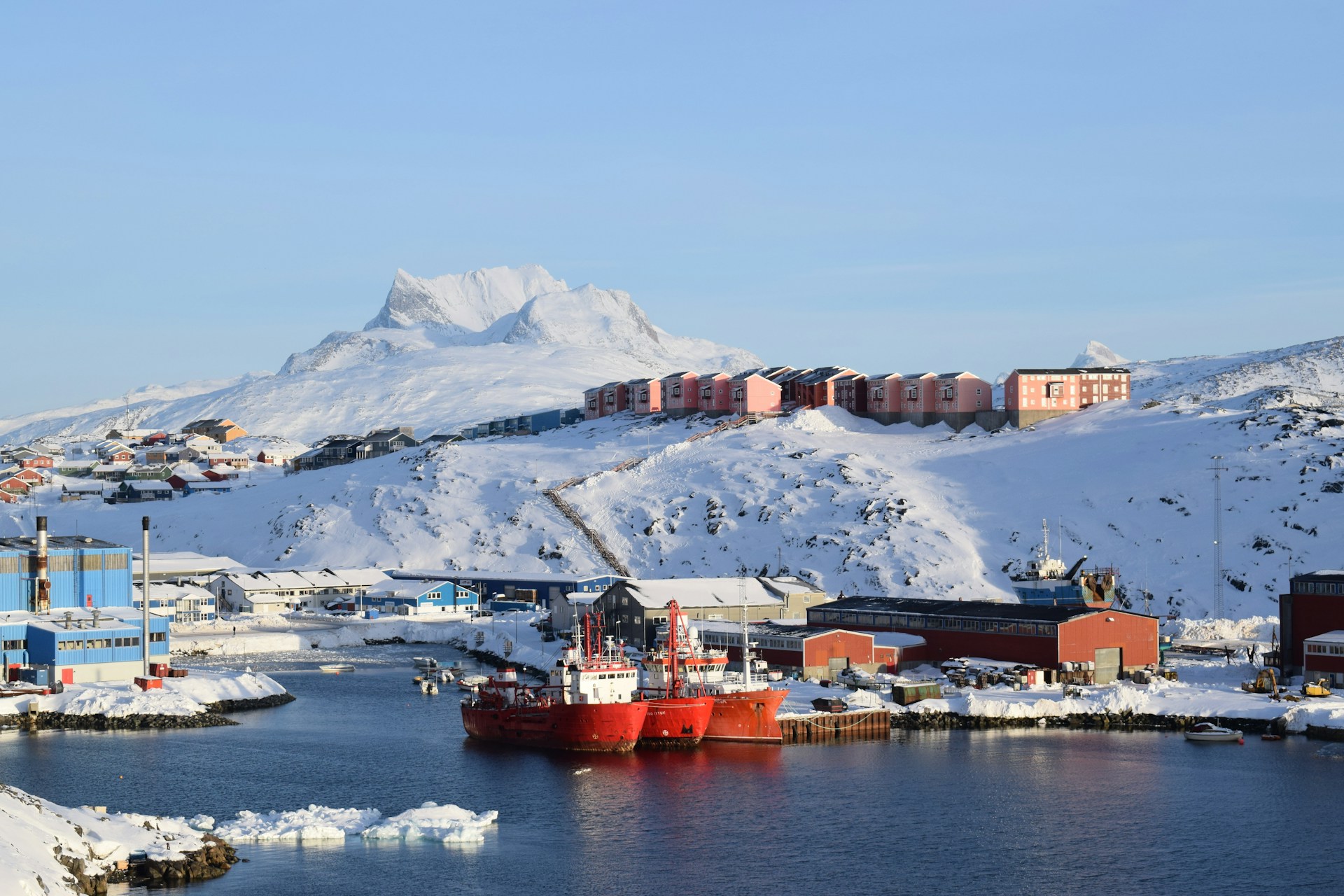
Greenland, a semi-autonomous territory within Denmark, has moved sharply up the international security agenda following renewed statements from the United States questioning the island’s long-term strategic arrangements. The remarks have unsettled European allies and prompted calls for a stronger European role in safeguarding Arctic stability.
A pivotal strategic position
The island occupies a pivotal strategic position between North America and Europe and hosts long-standing US military infrastructure. As climate change accelerates ice melt and opens new Arctic sea routes, Greenland’s military and geopolitical significance has increased markedly.
Against this backdrop, Arctic Endurance has taken on political weight beyond a routine exercise. While formally focused on cold-weather operations, logistics and interoperability in extreme conditions, the drill is widely seen as a signal of European commitment to Arctic security and alliance solidarity.
For Estonia, involvement fits a broader pattern of proactive engagement in collective defence, particularly in regions where security dynamics are shifting rapidly. Officials have emphasised that participation would align with Estonia’s values-based foreign and security policy and its support for a rules-based international order.
As planning for Arctic Endurance continues, the exercise is expected to serve both practical and symbolic purposes: testing military readiness in one of the world’s most demanding environments while reinforcing Europe’s voice in a region increasingly shaped by great-power competition.