Estonia has launched an ambitious national artificial intelligence programme designed to double the value of work carried out by its people within a decade, as the country confronts the twin pressures of a shrinking population and intensifying global competition.
The Eesti.ai initiative, formally unveiled on 27 January, aims to embed artificial intelligence systematically across the public sector and the wider economy, from healthcare and education to defence, energy and finance. The government believes that smart use of AI could allow Estonia to maintain economic growth and public services despite a declining workforce.
“If the population is falling and we want to keep taxes low, then wider use of technology is unavoidable,” said the country’s prime minister, Kristen Michal, at the launch event in Tallinn. “The question is not whether artificial intelligence will be used, but how responsibly and effectively we choose to use it.”
A state-led push with private-sector muscle
Eesti.ai is structured as a state-led programme but deliberately anchored in cooperation with international experts, technology companies and investors. Oversight will be provided by an international advisory council reporting directly to the prime minister, supported by a dedicated AI team within the Government Office.
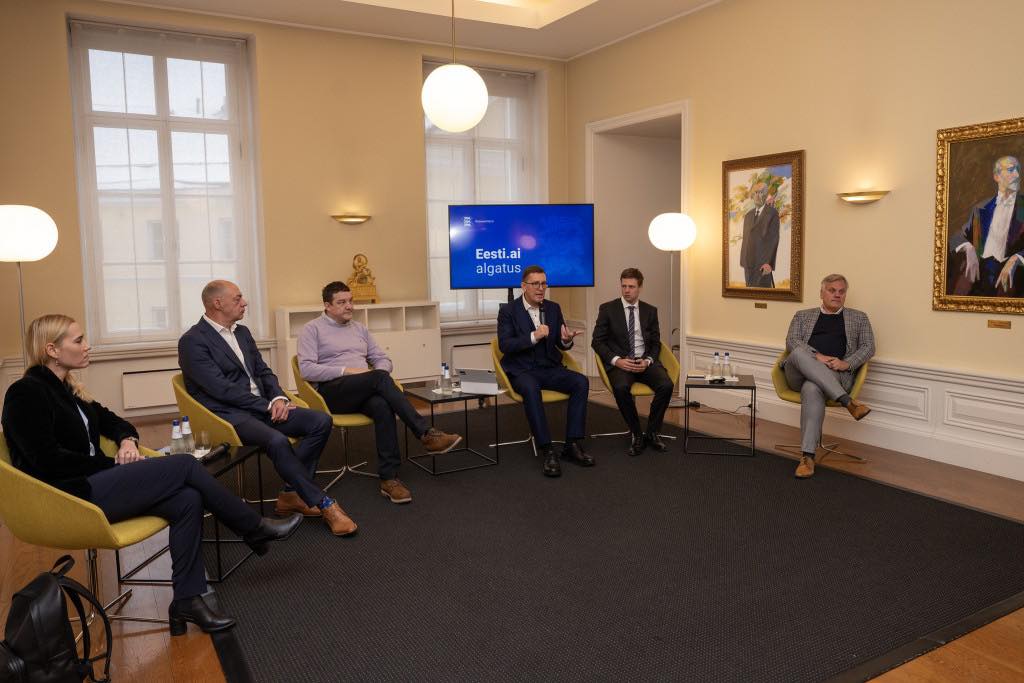
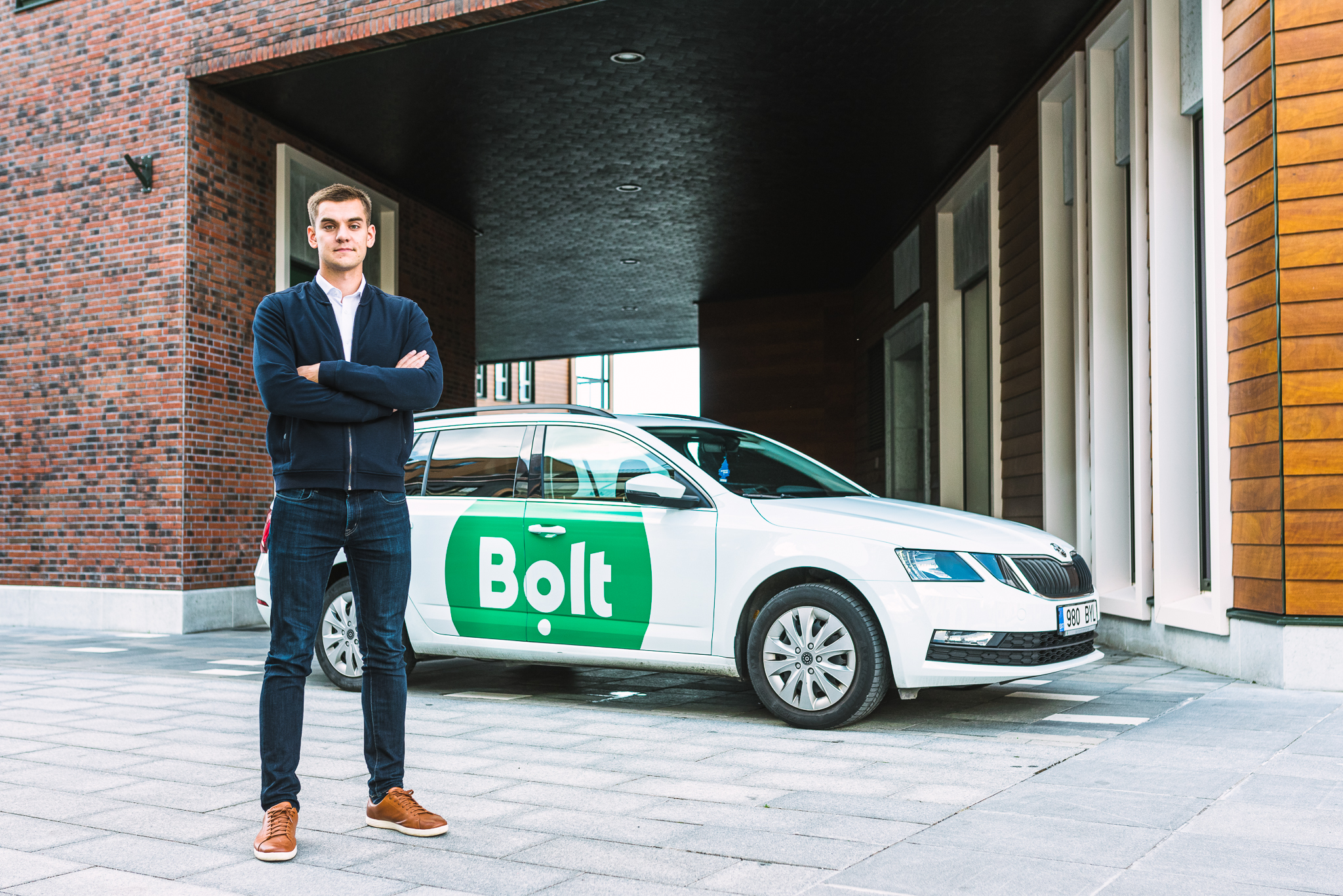
The council will be chaired by Markus Villig, the founder of Bolt, and will include prominent figures from Estonia’s start-up and technology ecosystem, among them Sten Tamkivi and Kaspar Korjus. Ministers responsible for relevant policy areas will also participate, underlining the government’s intention to keep AI strategy tightly connected to decision-making at the highest level.
Rather than dispersing funding thinly, the initiative will focus on a small number of high-impact projects intended to raise productivity and strengthen the export capacity of Estonian companies. These projects are expected to be selected this spring and implemented jointly by the state and the private sector.
Doing more with fewer people
The economic logic behind the programme is stark. Estonia’s population is ageing, the working-age cohort is shrinking, and competition for skilled labour is intensifying across Europe. At the same time, the government has committed to keeping taxes comparatively low.
Artificial intelligence, ministers argue, offers a way out of this bind. By automating routine tasks and augmenting human decision-making, AI could allow fewer workers to produce more value – in effect compressing years of productivity growth into a shorter period.
According to government estimates, the programme’s goal is to double the value of work carried out by people in Estonia by 2035 and to expand the economy by around €20 billion over ten years. How exactly this will be achieved is a question the government has deliberately delegated to the advisory council.
“The first question we are asking is simple,” Michal said. “What do we need to do to make growth double?”
AI already in use – quietly
Members of the advisory council have been frank about the fact that artificial intelligence is already being used across the public sector, albeit informally and sometimes covertly.
Korjus, co-founder of the negotiation software company Pactum, noted that many civil servants already rely on AI tools to summarise documents or draft texts. “The reality is that people are using it anyway,” he said. “The choice is between doing this quietly and insecurely, or openly and safely.”
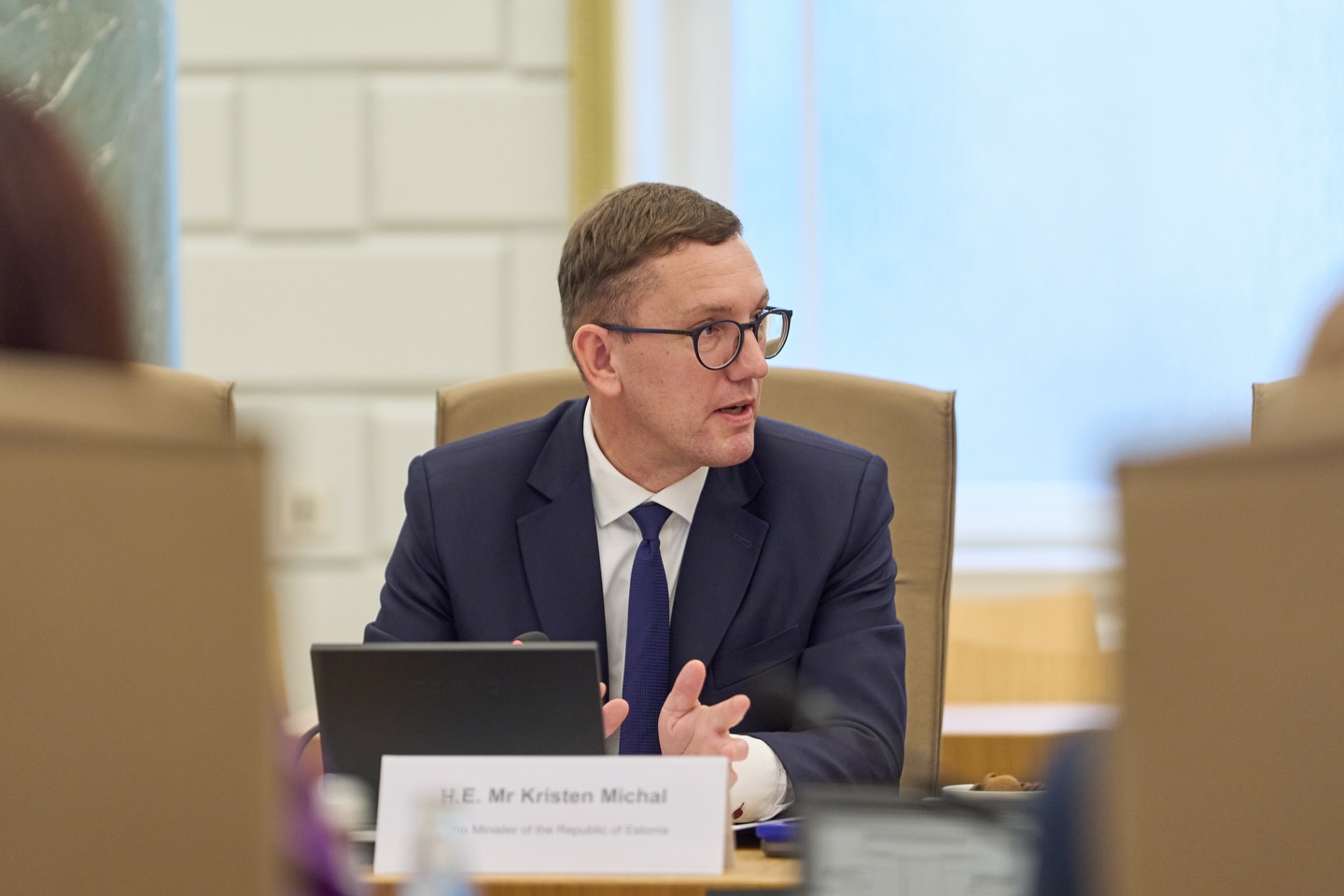
Michal himself acknowledged that he uses AI in his daily work, from preparing presentations to summarising lengthy documents. “It’s a practical tool,” he said. “I check the output and correct mistakes, but it saves a great deal of time.”
Estonia’s digital advantage – and Europe’s dilemma
Supporters of the programme argue that Estonia is unusually well placed to move quickly. As one of the world’s most advanced digital states, it already has nationwide digital identity, interoperable public databases and extensive e-government services.
“These foundations make it much easier to build AI-enabled services,” Korjus said. “The data infrastructure is already there. The challenge now is to use it securely and in a way that benefits society.”

At the same time, there is concern that Europe risks becoming dependent on AI models developed in the United States or China. Korjus compared the situation to energy security. “If in ten years’ time AI is everywhere and we rely entirely on others, then we also have to accept their rules,” he warned.
“AI is already replacing people”
Tamkivi, a partner at the investment firms Plural and Scala, cautioned against treating Eesti.ai as a narrow public-sector reform. “This affects citizens, companies and the state alike,” he said.
He pointed out that AI is already replacing human labour in specific roles, from customer support to care services. In some care homes, AI systems monitor medication use and movement patterns, allowing nurses to focus on residents who need attention most urgently.
The role of the state, Tamkivi argued, is not to micromanage companies but to remove shared obstacles – particularly for smaller firms struggling with skills shortages, training costs and secure data infrastructure.
He also warned of social risks if the gains from AI are unevenly distributed. “If one part of the economy accelerates far faster than the rest, while others see no improvement in their daily lives, that creates tension,” he said.

Funding and next steps
The government will initially review existing support schemes and European Union funding options, but has acknowledged that additional resources will be required. Budget amendments are expected in 2026, once the scale of investment becomes clearer. Officials have indicated that the sums involved will run into the millions of euros.
The advisory council is due to meet for the first time in April, when its full membership will be confirmed.
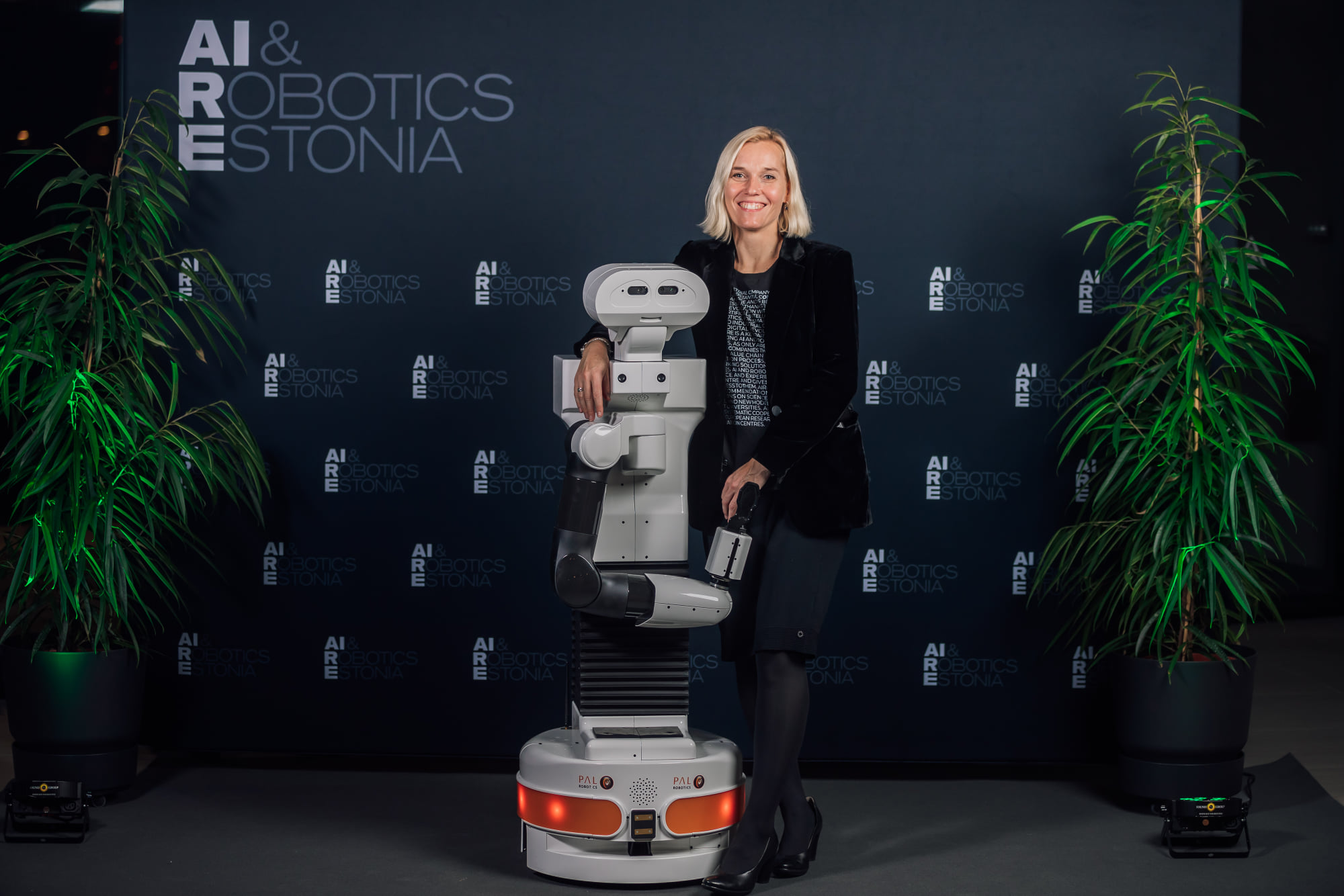
Operational leadership of the programme will move in the same month to Kirke Maar, the long-serving head of AI & Robotics Estonia, who will take up a new role at the Government Office. She has described the initiative as a chance to give Estonia’s AI development “a clear and bold direction” at state level.
For a country long accustomed to compensating for small size with digital ambition, Eesti.ai represents a familiar wager – but one with unusually high stakes.