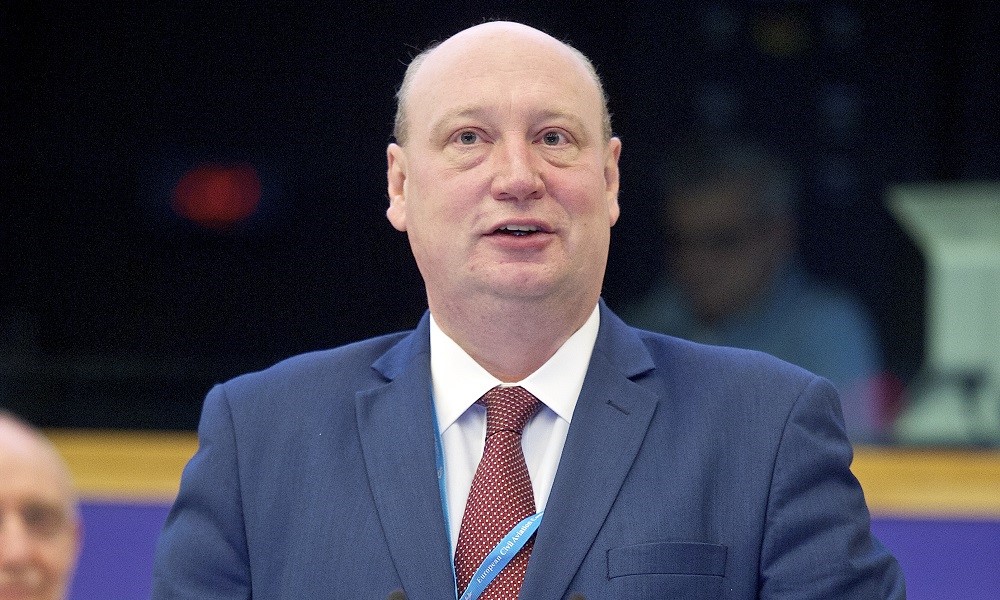
The European Commission has dismissed Henrik Hololei, one of its most senior civil servants, after an internal disciplinary investigation found that he breached multiple rules on conflicts of interest, transparency and the acceptance of gifts.
Hololei, a former director-general of the Commission’s transport department and until recently a senior adviser in its Directorate-General for International Partnerships, was informed of his dismissal following a decision by the College of Commissioners, according to officials cited by Politico.
“I am disappointed, but I accept the decision of the Commission and I am glad that this long process has finally come to a conclusion,” Hololei told Politico.
The case centres on allegations that Hololei accepted luxury travel and hospitality from the Qatari state while overseeing sensitive aviation negotiations between the European Union and Qatar – raising concerns that he placed himself in a position of serious conflict of interest.
A Commission official familiar with the case said the dismissal followed confidential findings by the EU’s anti-fraud office, European Anti-Fraud Office, which conducted an inquiry in 2023 after media revelations. The investigation examined potential breaches of four articles of the Commission’s staff regulations, including the unauthorised acceptance of gifts and the disclosure of confidential documents.
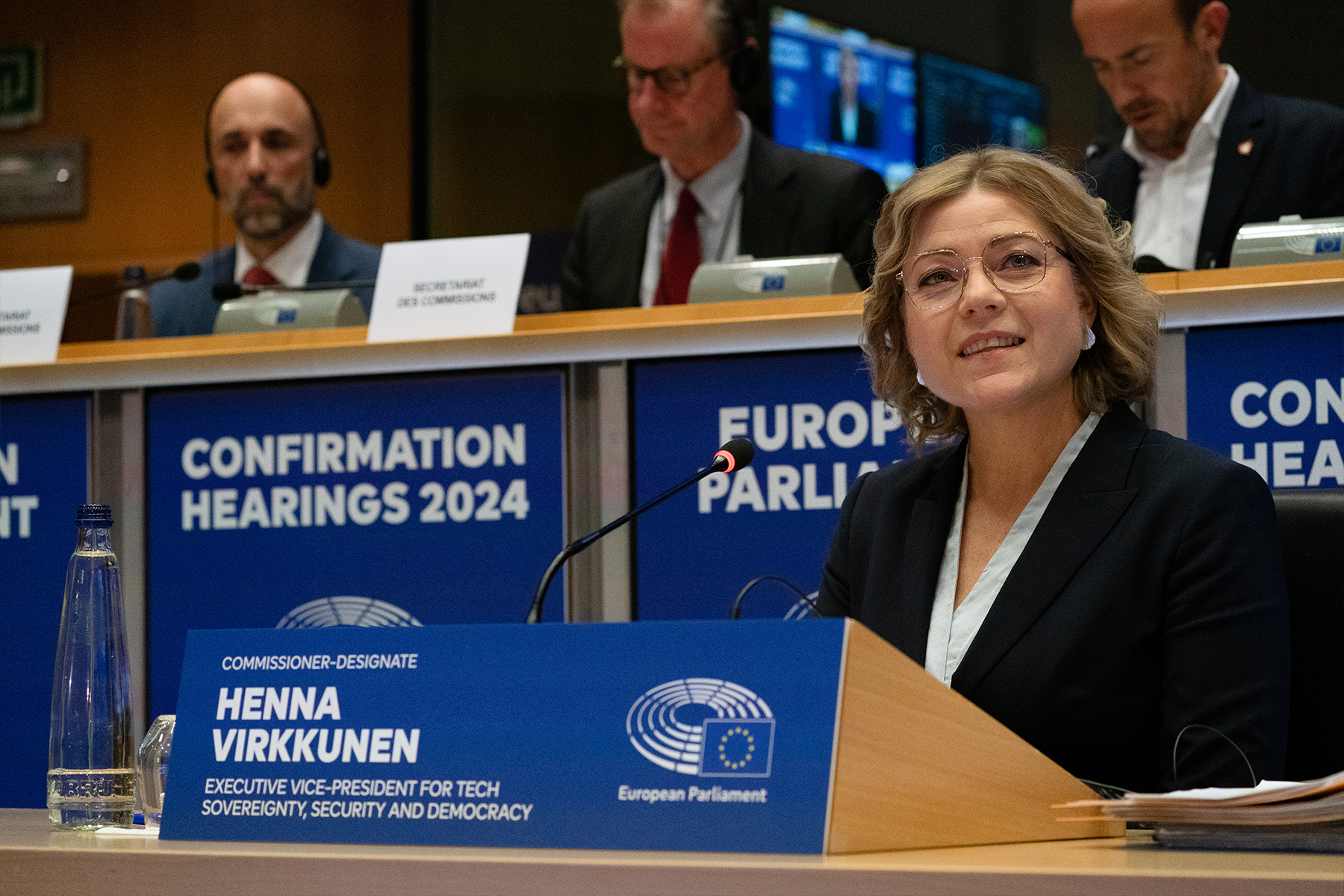
Without naming Hololei, Commission executive vice-president Henna Virkkunen confirmed on Thursday that disciplinary proceedings against a senior official had concluded and that “appropriate and commensurate measures” had been imposed.
The scandal first erupted in spring 2023, when it emerged that Hololei – then Estonia’s highest-ranking official in Brussels – had undertaken a series of trips funded by Qatar or Qatari-linked organisations while his directorate was negotiating a highly lucrative “open skies” aviation agreement with Doha.
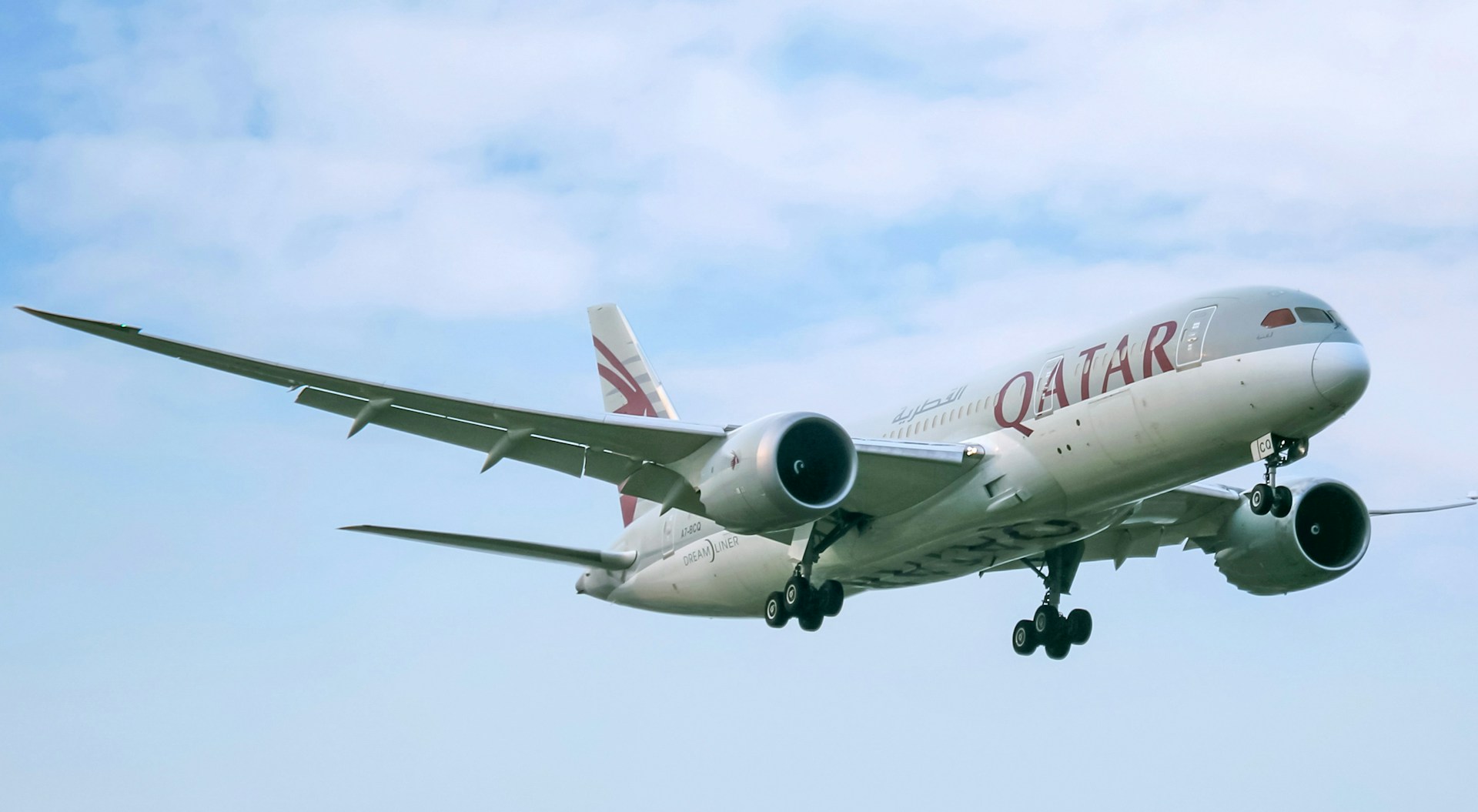
That agreement, concluded in 2019 and fully entering into force in 2021, granted Qatar Airways extensive access to EU airports. Critics have long argued that the deal disproportionately favoured Qatar, offering limited benefits to European carriers.
Investigative reporting by Estonia’s public broadcaster and later by the French daily Libération alleged that Hololei and his family received dozens of business-class flights, luxury hotel stays and other benefits worth tens of thousands of euros during the negotiation period. According to those reports, some trips were not declared, while others were approved by Hololei himself – an arrangement later banned by the Commission.
Hololei stepped down as director-general in March 2023 but was retained within the EU institutions as a senior adviser, earning a monthly salary of approximately €23,000 while investigations continued.
The disciplinary case ran in parallel with a criminal inquiry opened by the European Public Prosecutor’s Office, which is examining suspicions of corruption and the possible exchange of confidential EU negotiating positions for gifts. The prosecutor’s office has confirmed that its investigation is ongoing but declined to comment further.
The affair has proved politically sensitive in Estonia, where Hololei was long regarded as one of the country’s most successful European officials. He previously served as head of cabinet to former European commissioner Siim Kallas and as deputy secretary-general of the Commission, and was influential in projects such as Rail Baltica and EU aviation sanctions against Russia.
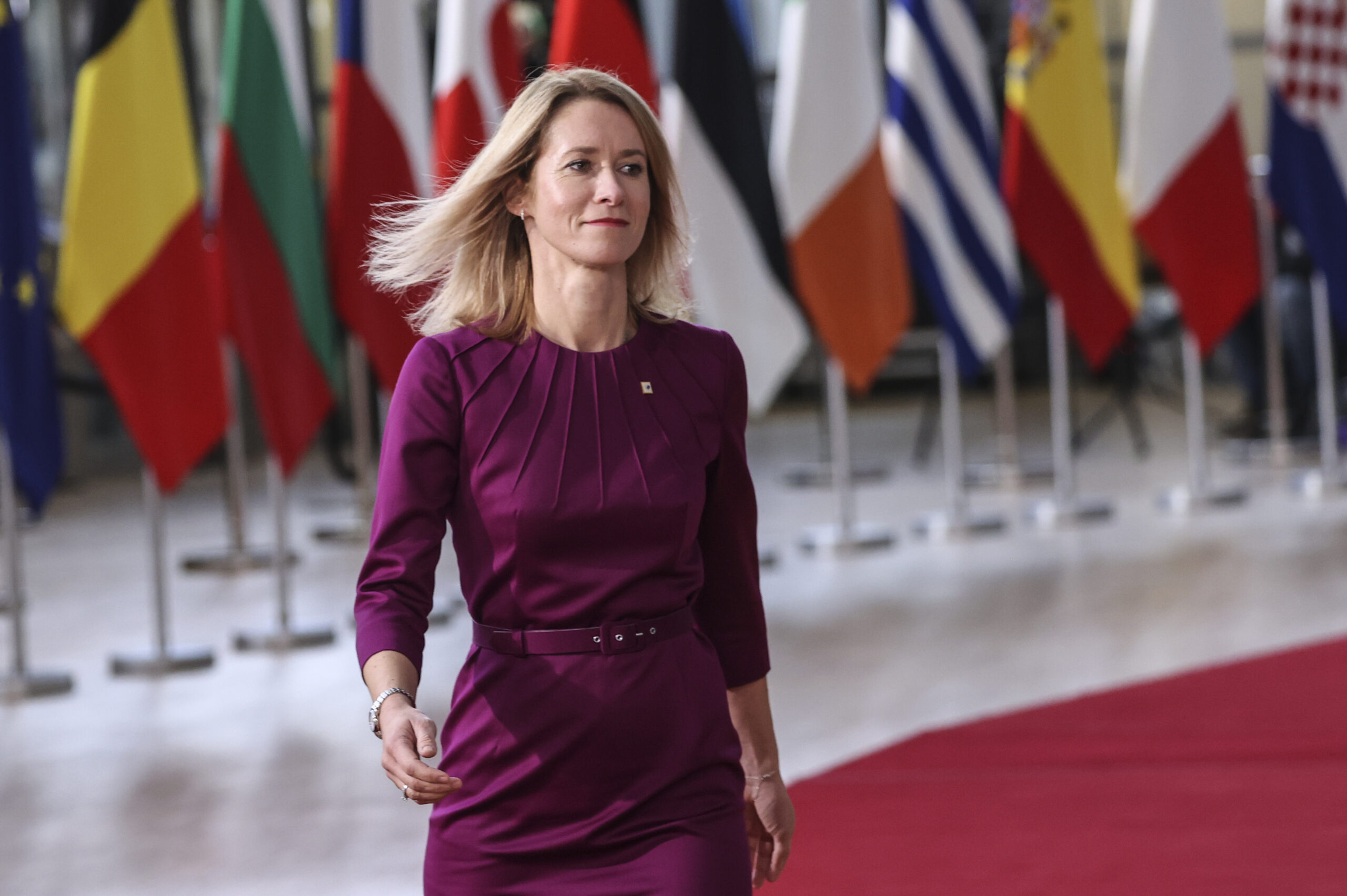
Estonia’s former prime minister and EU foreign policy chief Kaja Kallas said in 2024 that the case was “extremely regrettable” and risked damaging Estonia’s reputation within the European institutions.
The Commission has since tightened its internal rules, ensuring that senior officials can no longer approve their own travel. However, critics argue that the case exposes deeper weaknesses in Brussels’ accountability mechanisms.
For now, Hololei’s dismissal marks the most severe internal sanction imposed in one of the highest-profile ethics scandals to hit the European Commission in recent years.