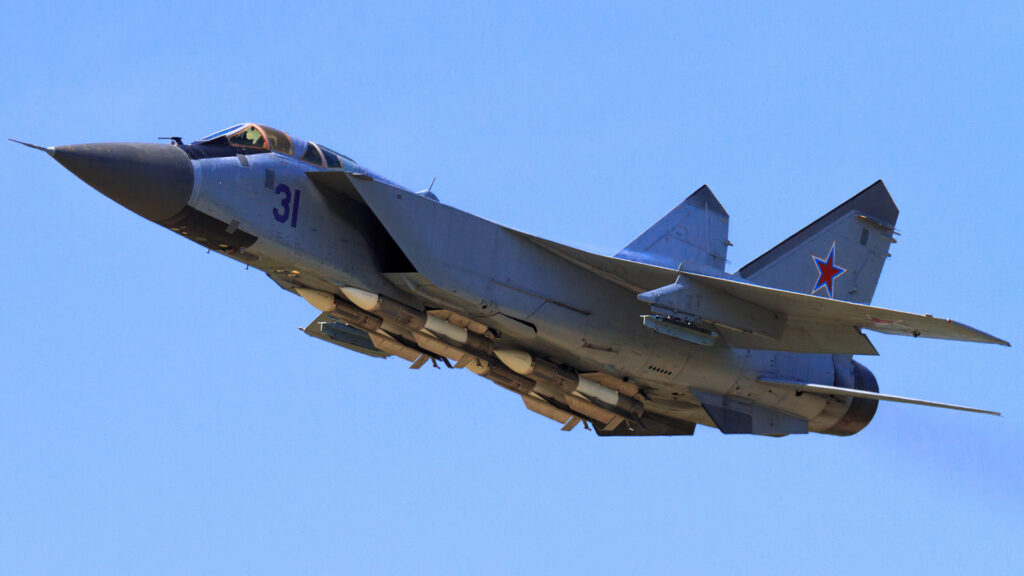
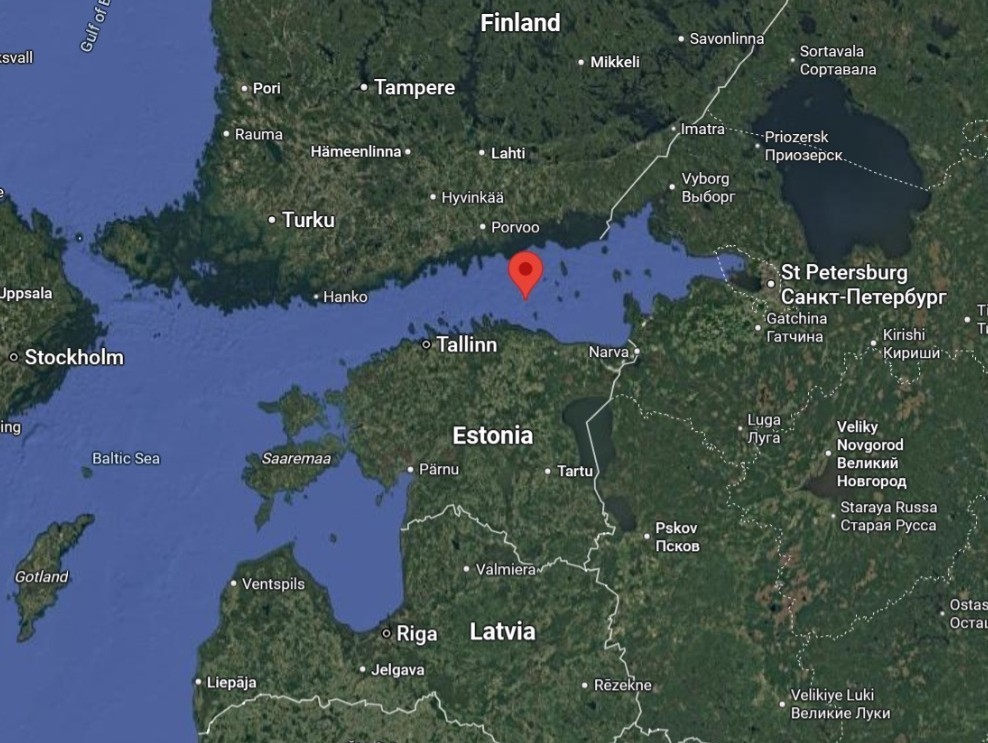
Russia has once again tested Estonia’s border, with a fighter jet briefly violating the country’s airspace near Vaindloo Island in the Gulf of Finland – a smaller incident than last September’s extraordinary incursion, but one that Tallinn is clearly unwilling to let pass without protest.
On 19 March, Estonia’s foreign ministry summoned the Russian chargé d’affaires ad interim and handed over a diplomatic note after a Russian Su-30 fighter aircraft entered Estonian airspace on 18 March and remained there for approximately one minute.
Margus Tsahkna, Estonia’s foreign minister, said the breach was met in accordance with established allied procedures and did not pose a direct threat to the country’s security.
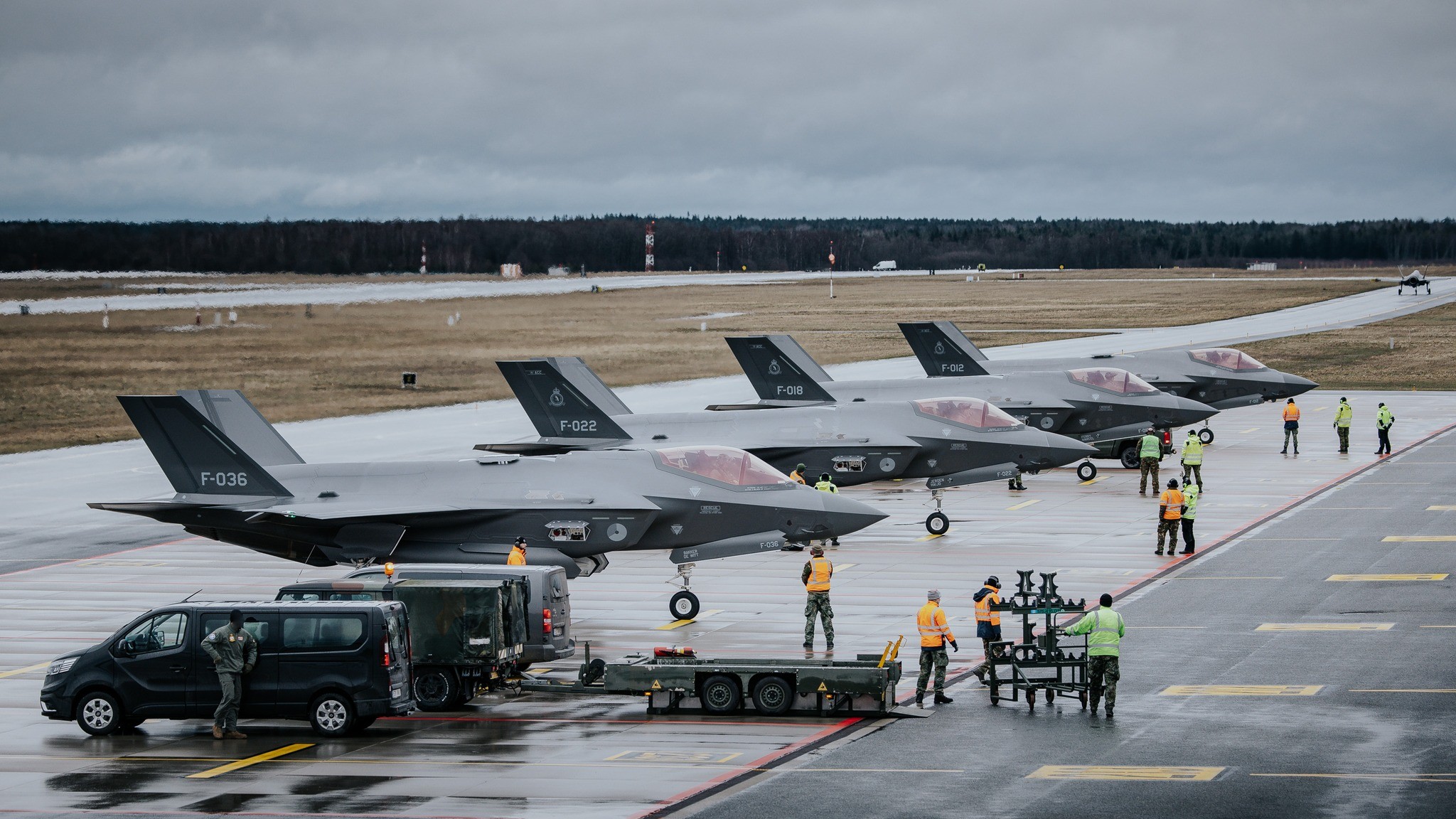
“NATO’s Baltic Air Policing mission has been operating in Estonia since 2004, and once again we saw that the mission functions well and in accordance with procedures,” Tsahkna said. He added that the violation had been answered by a unit of the Italian Air Force.
According to the foreign ministry, it was the first violation of Estonian airspace by a Russian aircraft this year.
Even so, such incidents are never viewed in isolation in Estonia, NATO’s frontline state on the alliance’s north-eastern edge. The location alone is telling: Vaindloo Island has repeatedly emerged as a pressure point in Russia’s aerial provocations over the Gulf of Finland.
The latest breach was brief. But it comes only six months after a far more serious Russian incursion in the same area.
On 19 September 2025, three Russian MiG-31 fighter jets penetrated Estonian airspace near Vaindloo in what Tallinn described as the most flagrant airspace violation since Moscow launched its full-scale war against Ukraine. The aircraft flew without flight plans, transponders or radio contact and remained in Estonian airspace for almost twelve minutes before being intercepted by Italian Air Force F-35s stationed at Ämari under NATO’s Baltic Air Policing mission.
At the time, Estonian officials described the episode as unprecedentedly brazen. Tsahkna said that while Russia had already violated Estonia’s airspace four times that year, the September incident stood apart because it involved three fighter aircraft entering Estonian airspace together.

For Estonia, the issue is not only how long a Russian aircraft stays in its airspace, but the persistence with which Moscow keeps pushing at the edges of NATO territory. Each incident is both a military signal and a political one – a reminder that Russia continues to test the alertness, discipline and resolve of the alliance’s border states.