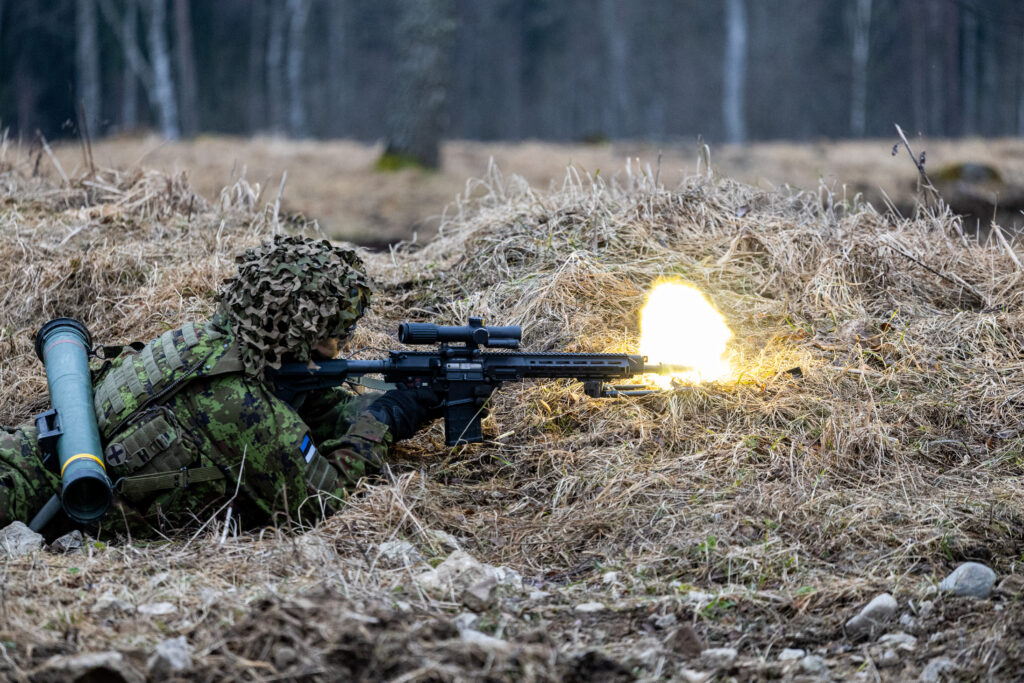
More than 130 organisations will take part in Ilves 2026, a nationwide exercise designed to test how the state responds to sabotage, disinformation, unrest and drone threats.
Estonia will hold one of its largest ever national crisis exercises in June, as the Government Office brings together more than 130 organisations from the public, private and third sectors to rehearse how the country would respond to a major emergency.
The exercise, named Ilves 2026, will run from 8 to 12 June and is intended to test Estonia’s comprehensive defence system – the ability of the state, local authorities, businesses and volunteers to continue functioning under pressure during a wide-ranging crisis.
Testing Estonia’s response to hostile disruption
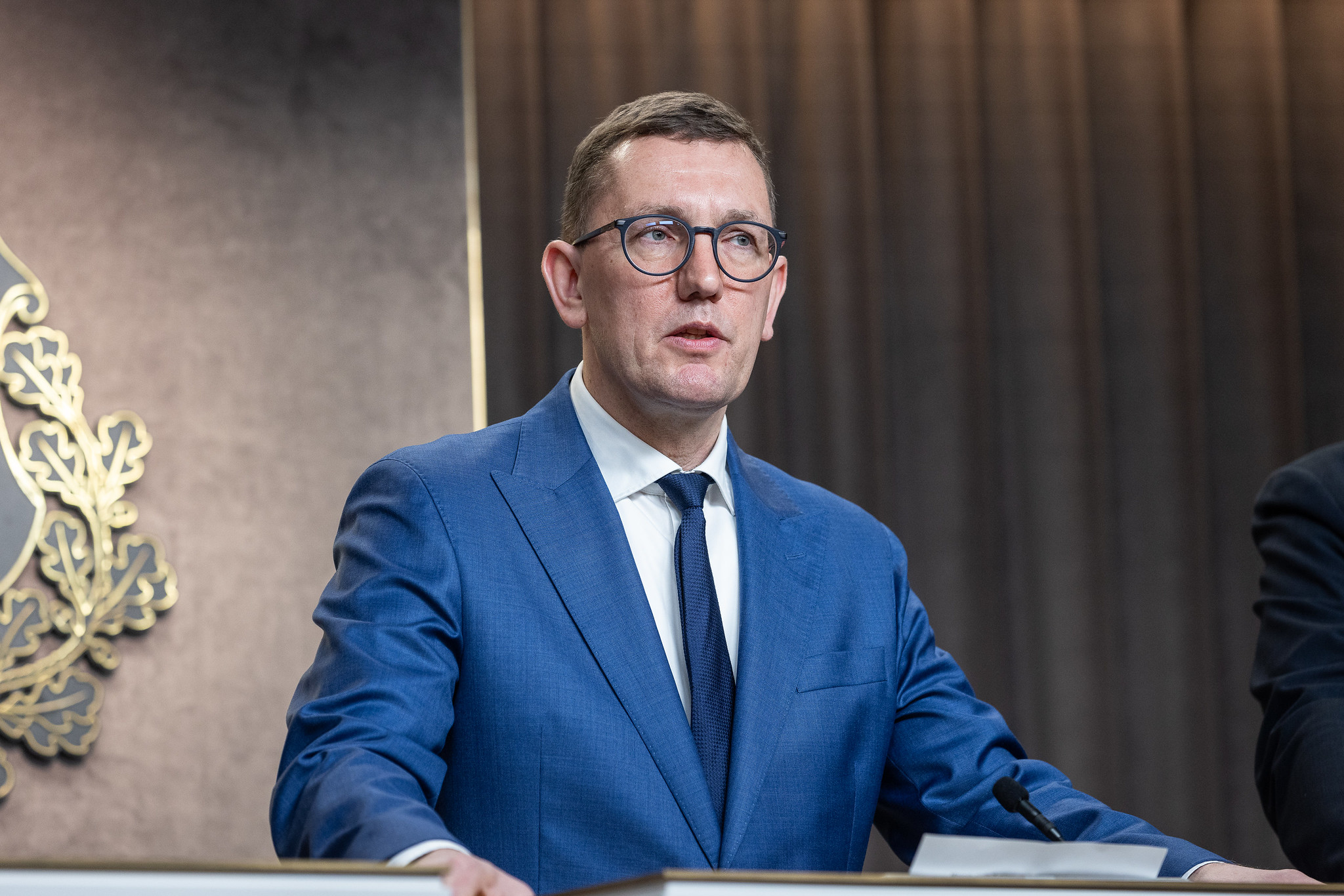
According to the Estonian prime minister, Kristen Michal, the five-day exercise will involve thousands of participants from public authorities, municipalities, companies and voluntary organisations.
“Comprehensive defence is more than just a term or concept,” Michal said. “Everyone needs to be aware of their role and responsibilities. Our aim is to make sure that even in a crisis, decisions are taken quickly, people understand them, information flows smoothly and vital services operate as they should.”
He added that Estonia’s adversaries sought to create fear, confusion and mistrust – precisely the kind of pressure that the exercise is designed to confront. “Preparedness and playing out these scenarios together is essential,” he said. “It ensures that Estonia and its people will be better prepared for any crisis.”
Ilves 2026 has been designed as a management and cooperation exercise focusing on the continuity of the state and society during severe disruptions. It will simulate a range of hostile-state scenarios, including information operations, large-scale public disorder, sabotage, explosions and drone-related threats.
From urgent decisions to public reassurance
The emphasis will be on moments when authorities must take urgent decisions, maintain public order and safety, and ensure that essential services continue to operate. The exercise will also test how effectively institutions work together and how clearly reliable information reaches the public.
Evacuations, rescue operations and assistance to people in need will also form part of the programme.
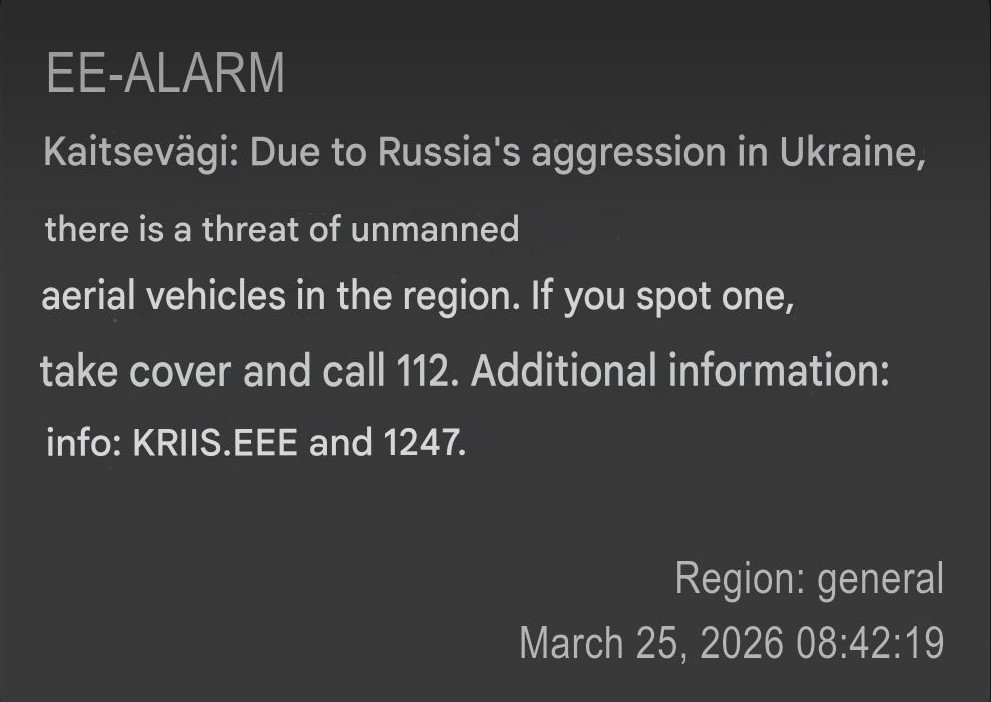
The main phase of the exercise will take place across Estonia over five consecutive days in June. During that period, the public may notice increased activity by the authorities or receive updates linked to the exercise. Officials said that any drills taking place in public spaces would be announced in advance and conducted with safety measures in place.
Alongside the main exercise, a series of preparatory events and sub-exercises are being organised throughout the year, including inter-agency drills, training sessions, study days and tests of cooperation and information-sharing systems.
No imminent threat, but no room for complacency
Preparations for Ilves 2026 have been under way for nearly a year. The Government Office stressed that the exercise does not indicate any imminent threat, but forms part of Estonia’s regular crisis-readiness planning.
Under Estonia’s Emergency Act, nationwide crisis-management exercises must be conducted at least once every four years. The last comparable exercise series was Crevex, held in 2023.

The name Ilves – the Estonian word for lynx – was chosen deliberately. The Government Office said the animal symbolises vigilance, independence and the ability to react decisively at the right moment to defend its territory.
That, officials said, is the principle behind the exercise itself: a society in which systems function, responsibilities are understood, cooperation works and action can be swift, coordinated and visible when needed.