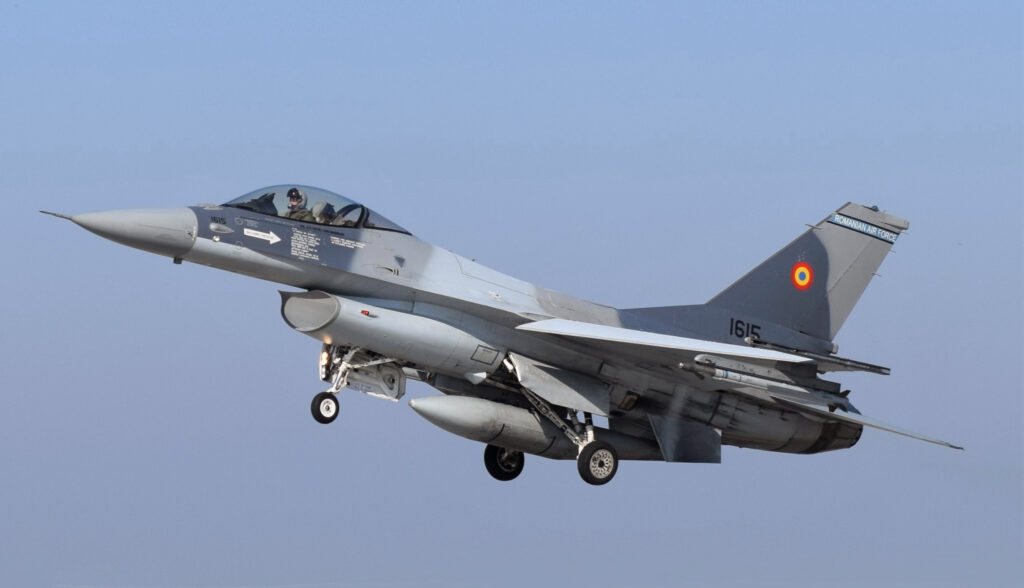
A Romanian F-16 fighter jet serving with NATO’s Baltic Air Policing mission shot down a suspected Ukrainian drone over central Estonia on Tuesday after it crossed into Estonian airspace, apparently having been diverted from a strike mission against targets in Russia.
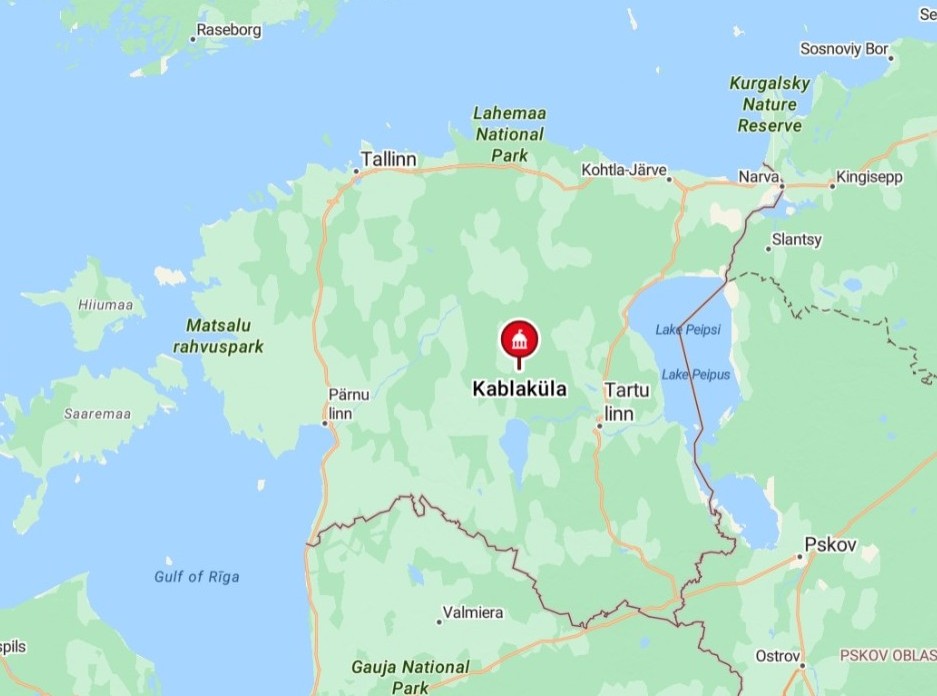
The drone was brought down between Lake Võrtsjärv and Põltsamaa, with wreckage falling near Kablaküla, in Põltsamaa municipality. Officials said no injuries or civilian damage had been reported.
Hanno Pevkur, the Estonian defence minister, said the drone had been detected before it crossed into Estonia, following information from Latvia and confirmation from Estonia’s own radar systems. Once it entered Estonian territory, agreed air defence procedures were activated.
“Baltic Air Policing fighter jets were also in the air and, in this case, Romanian F-16s shot down the drone,” Pevkur said, adding that the wreckage had landed in a marshy area and that searches were continuing.
Pevkur later said the drone was probably of Ukrainian origin. He stressed that Estonia had not granted permission for its airspace to be used by anyone except its allies, and that Ukraine had not requested such permission. According to Pevkur, Ukraine’s defence minister apologised for the incident while welcoming the fact that the drone had been shot down.
The investigation is being led by the Internal Security Service. Pevkur urged people in the area not to touch any debris and to contact the authorities if they saw smoke or found drone fragments.
Brigadier General Riivo Valge, commander of the Estonian Air Force, said the drone had been visually identified before it was fired upon, as required in peacetime. He added that favourable weather had made the operation easier. The first missile hit the drone.
The Defence Forces issued an EE-Alarm warning shortly after midday for southern Estonia, covering Tartu, Jõgeva, Viljandi, Valga, Võru and Põlva counties. The alert advised residents to take cover if they saw a drone and call 112. The all-clear was sent at 12.55pm.
Tuesday’s incident was not the first such spillover into Estonian territory. On 25 March, a drone arriving from Russian airspace struck the chimney of the Auvere power plant in north-eastern Estonia, though officials said no one was injured and the country’s electricity system was not damaged. Days later, Estonia was again placed on alert after fewer than ten foreign drones entered its airspace during Ukrainian strikes on Russian military and war-related infrastructure near the Baltic Sea.

Although Portuguese fighter jets are currently based in Estonia, Pevkur said the Romanian aircraft, operating from Šiauliai in Lithuania, were closest to the incident and therefore responded. “We protect Baltic airspace jointly, and whoever is closest at that moment reacts,” he said.
Margus Tsahkna, Estonia’s foreign minister, said the incident demonstrated that NATO air policing was working. “This clearly shows that NATO air policing works and that allies jointly protect our security,” he said, thanking Romania and other NATO allies for their swift response.
Tsahkna added that Ukraine had the right to strike Russian military targets to reduce Moscow’s ability to continue its war, but said Estonia had not allowed its airspace to be used for attacks on Russia. He said such incidents were linked to Russian jamming.
The incident came as northwestern Russia was also affected by drone activity. Flights were temporarily restricted at Pskov airport and at St Petersburg’s Pulkovo airport, while officials in Leningrad Oblast reported that Russian air defences had shot down two unmanned aerial vehicles.
Valge warned that the threat had not fully passed in the region, with Latvia still facing an active risk. “It may happen that the situation could be repeated here again today,” he said.
A local resident in Kablaküla told Estonian Public Broadcasting they saw two fighter jets overhead before hearing a loud explosion and seeing the drone fall from the sky. The wreckage reportedly landed in woodland near a field, about 30 metres from the nearest residential building. Bomb disposal teams, rescue services and other security agencies were sent to the scene.
NATO fighter jets at Ämari in Estonia and Šiauliai in Lithuania remain on round-the-clock standby as part of the Baltic Air Policing mission.