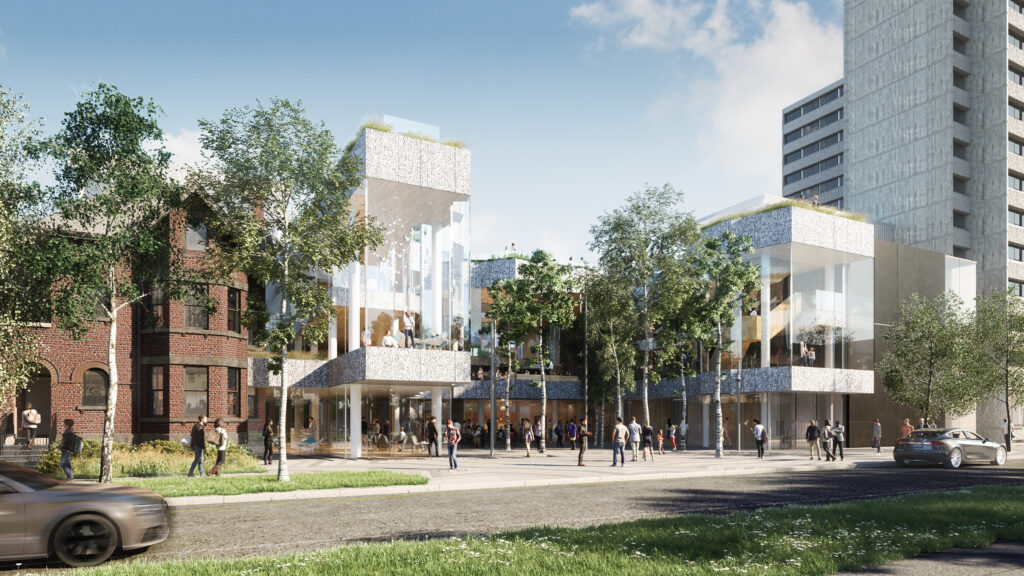
The Keskus International Estonian Centre in Toronto is nearing completion – but what exactly will it be? Estonian World put the question to the project lead, Ellen Valter; she says one of Keskus’s aims will be to foster a sense of engagement, interest and curiosity – and a desire to come together.
Estonian World spent two days in Toronto during KESKfEST, the Estonian festival originally intended to mark the grand opening of Keskus, the new Estonian centre being built in the Annex neighbourhood of Canada’s largest city. Alas, as is often the case with ambitious projects, things can go wrong and unexpected hitches can arise. The opening will therefore have to wait a little longer.
Pandemic-related delays and the infamous Toronto raccoons that Estonian World wrote about previously were among the factors that lengthened the project. But that is not the whole story.
“We were supposed to be all done by 2022,” Valter tells Estonian World, adding that the schedules have changed considerably.
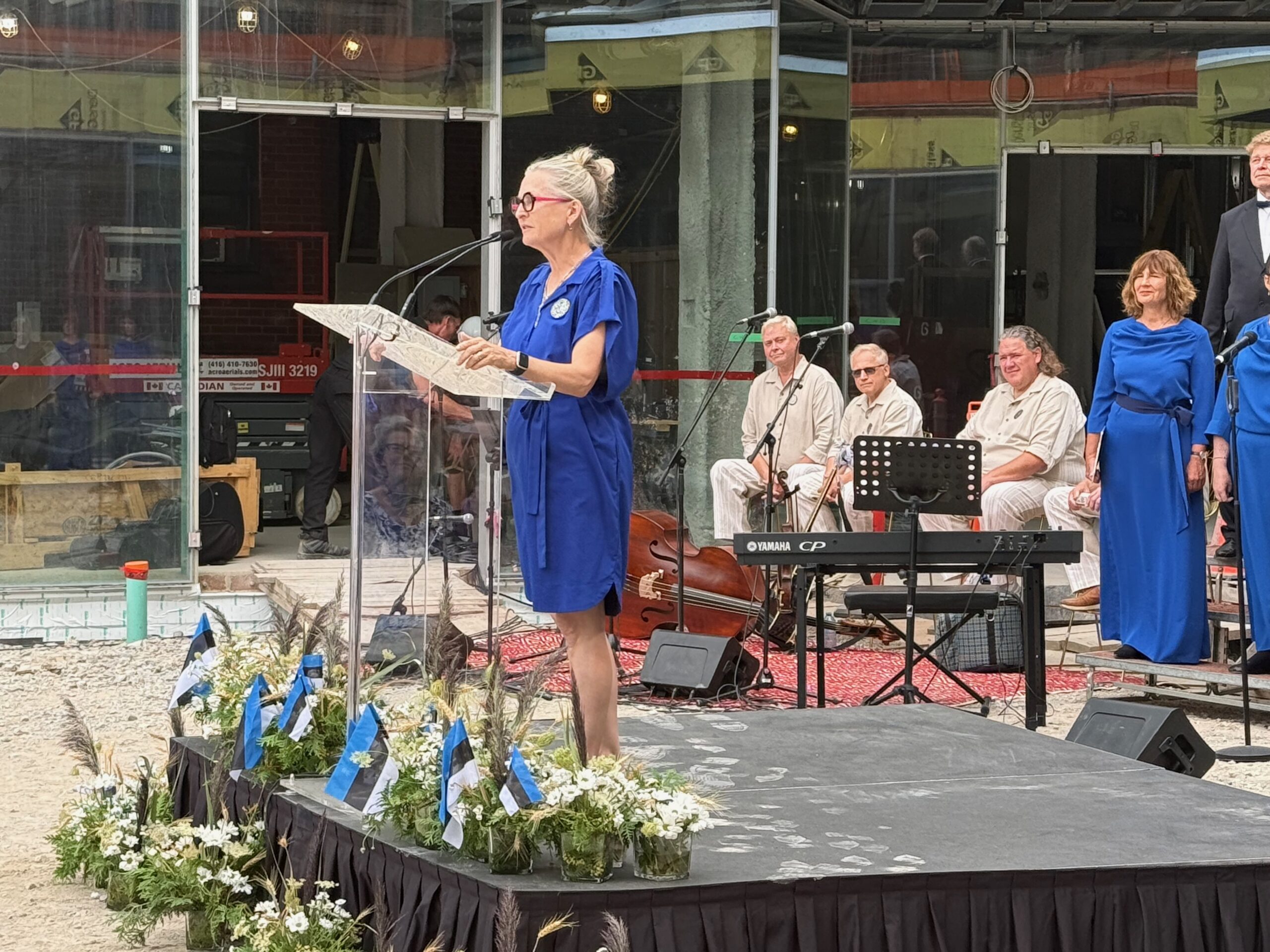
A complex design and a ransomware attack
“But it is an extraordinarily complicated building. I’m not a structural engineer, so I can only repeat what those with professional knowledge have told me. Constructing a building over subway tunnels is extremely complicated. In fact, at the neighbouring property, which is also under construction, pieces of the tunnel fell on to subway trains below – and the system carries upwards of a million passengers a day.”
The project was also delayed by a ransomware attack on one of its partners, which left it unable to answer a single email for two months.
“So a number of strange things happened to delay it, but ultimately the delays are a function of the design and location. There are not really any vacant lots in downtown Toronto, so you take the one you can find. We have Tartu College on one side and the Annex area, with its heritage building, on the other. It was really quite fortuitous that we even got that lot,” Valter explains.
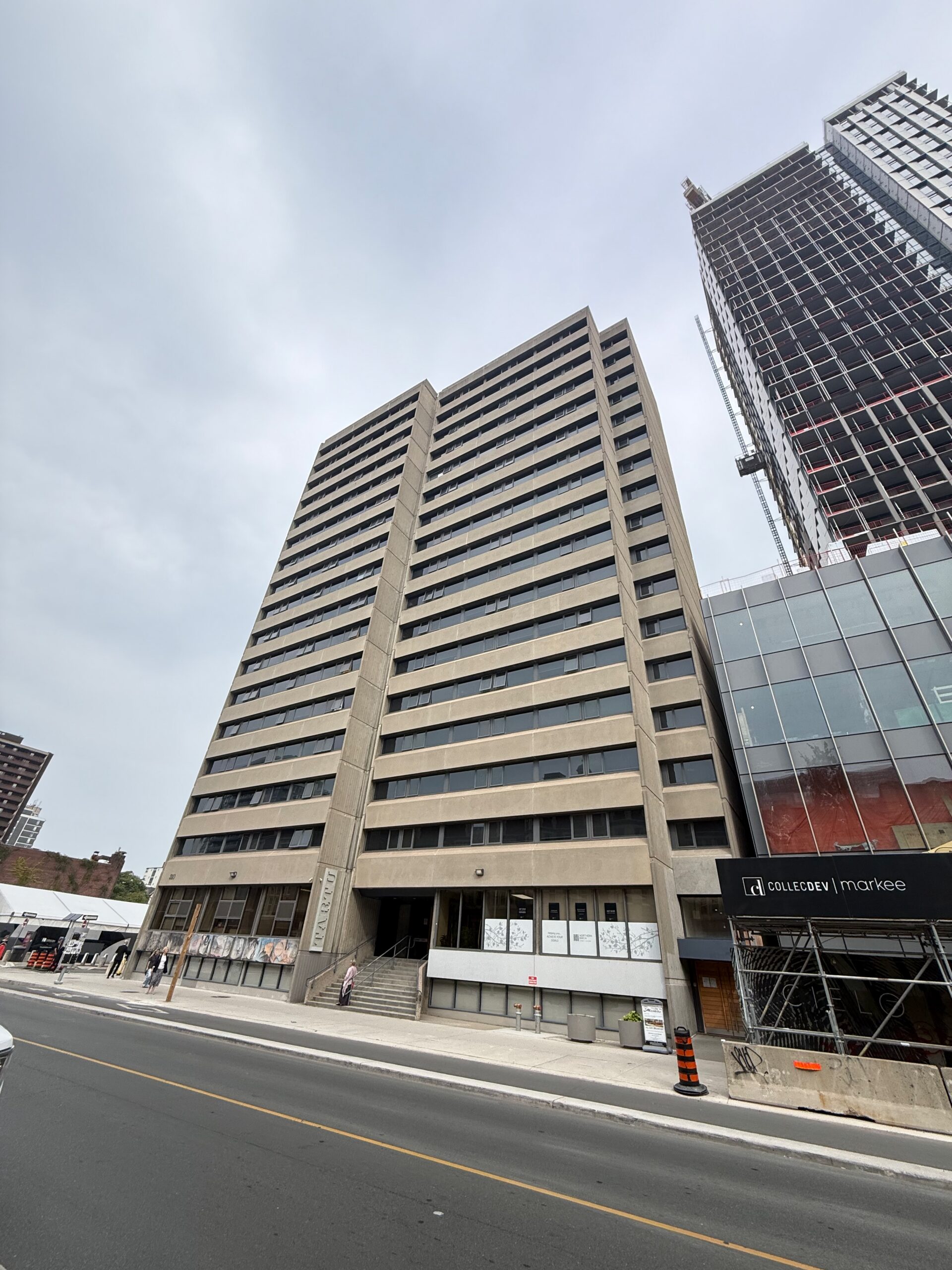
Immediately to the right of the new Keskus is Tartu College, a student residence built in 1970 and named after the Estonian city of Tartu. Tartu College operates the Tartu Institute, which was established on 9 February 1971 and focuses primarily on activities related to the Estonian diaspora in Canada.
To the left of Keskus is a heritage brownstone that also belongs to the community and will become part of the centre. According to Keskus architect Alar Kongats, it was the first property the community bought. By purchasing the house, Kongats said, the Estonian community effectively bookended the plot on which Keskus is being built, helping it navigate the bylaws and purchasing requirements.
Pressure on the budget
The new building is expected to cost C$56m – or at least that is the budget Valter is working to.
“There’s upward pressure from the delays,” she says. “I’ve done a back-of-the-envelope calculation and it comes to around C$100,000 a month. Construction insurance, ongoing management fees – all of that. It’s painful. But we’re still working and trying to stay within C$56m. There is still some pressure on the budget.”
As for how Keskus will pay for itself once it opens, Valter notes that paying tenants will cover the centre’s operating costs.
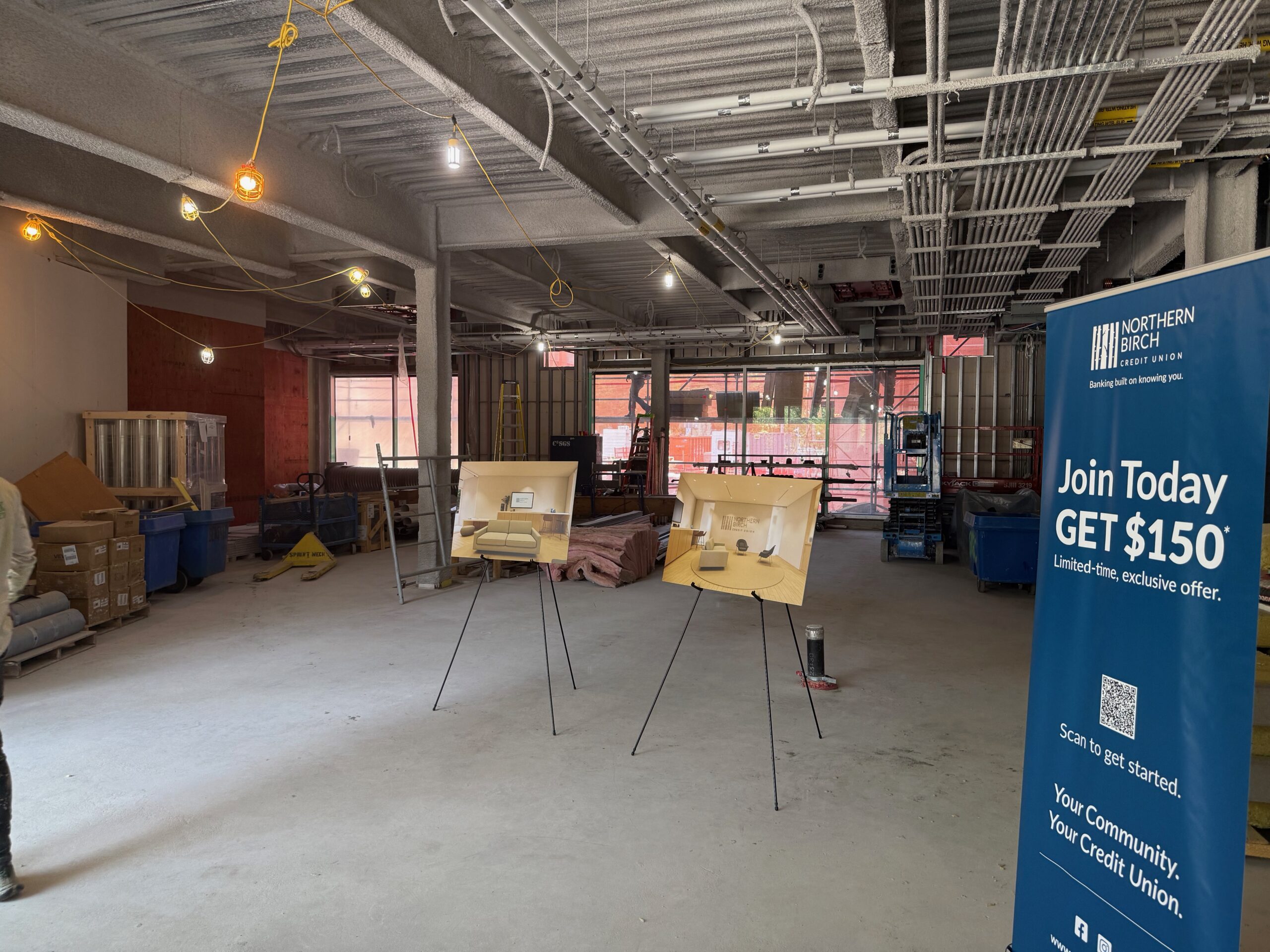
“So there’s a credit union, a retail space and two offices in the heritage building. A co-working space will also open there in January or February. Those rents will cover the operating costs,” she says.
The Northern Branch Credit Union, a financial institution formed through the merger of Toronto’s Estonian and Latvian credit unions, is a sponsor of the new Estonian centre and will rent the first floor of Keskus’s right wing.
“Everything revolves around events. Whenever our community is not using the centre, it should be rented out every second of every day. That will then service the debt and generate income,” Valter says.
Preservation and transformation
So what exactly is Keskus intended to become? Will it preserve the Estonian community or transform it?
“You know, there’s a saying: if you want things to stay the same, everything has to change. But it is the sense of community that we want to preserve. It is the sense of eestlus (being Estonian – editor) that we want to preserve. How do we do that when the world is evolving around us? We cannot keep doing the same things,” Valter explains.
“So it is somewhere between preservation and transformation. The idea is to evolve alongside the community and its thinking, to stay one step ahead, continue nurturing the community, give back to it and bring people along and into it – especially those who have become distanced from it. … And to continue offering that sense of engagement, interest and curiosity – and a desire to come together.”
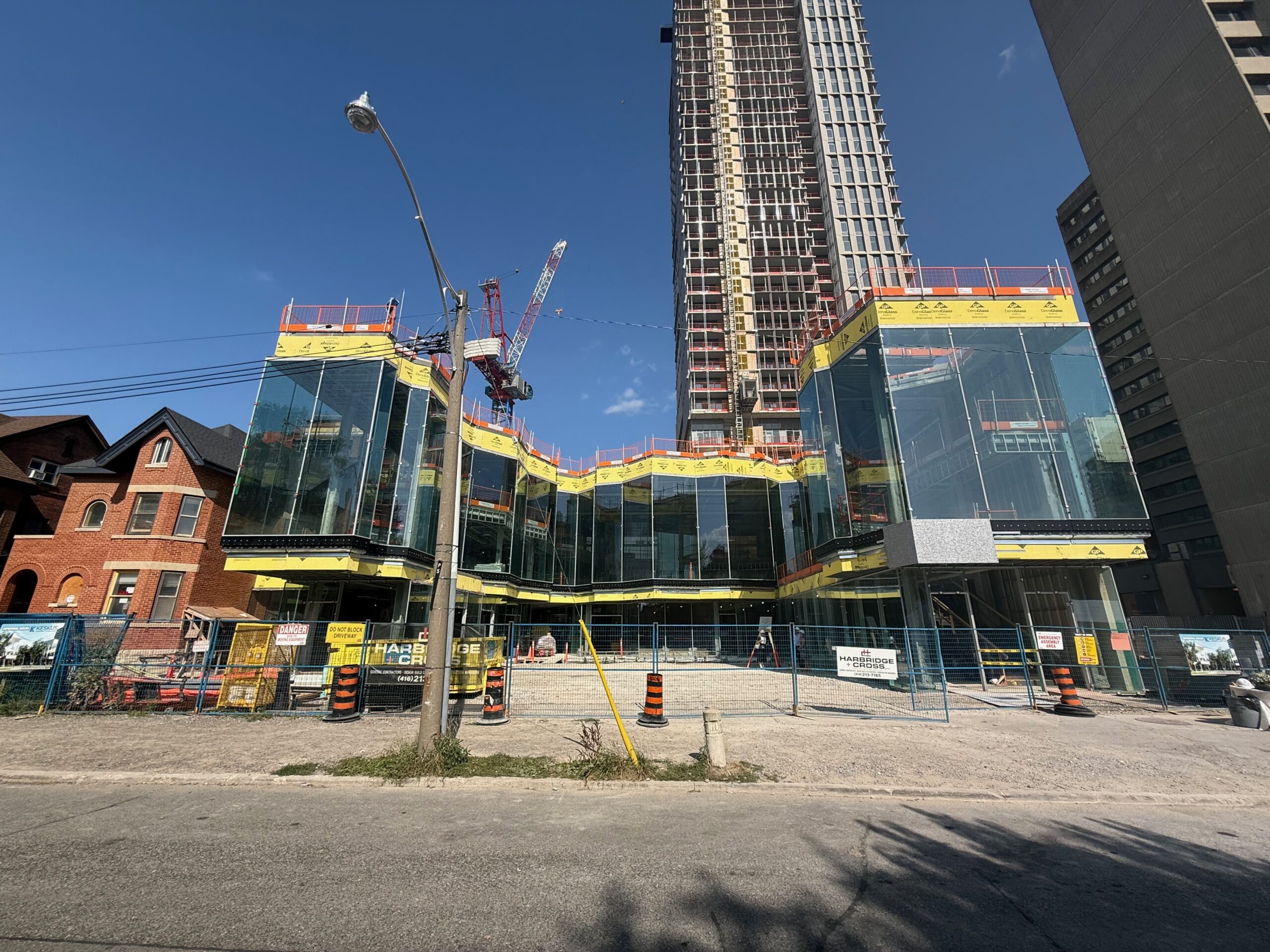
“It is a very expensive community centre, but it will also be a cultural centre, an entrepreneurial centre and the headquarters of diaspora organisations. It will not be just one thing. It will be many things, all brought together,” Valter says.
“It should promote Estonia. It should serve as a vehicle for cultural diplomacy and business diplomacy. It should advance Estonia’s security interests. I mean, just think: a population of 1.3 million has been able to erect this kind of building in North America’s fourth-largest city! It is all those things, as well as a local gathering place. It is designed to do all of them, and now it is up to us to ensure that it does.”
We need places to gather
One question raised by the new centre, however, is whether such a physical entity – a “home” for a community spread across dozens of countries – is even needed in the 21st century. Valter believes it is.
“I think we, as a diaspora community, are much more mobile than we were in the 1950s and 1960s, when the big wave of immigration came and people were really quite local. They created outdoor camps and nature areas, but their communities remained localised. There was not much mixing between Toronto and Montreal, or New York and Chicago. I think those times have changed. We are more mobile as a diaspora and more willing to travel to celebrate who we are,” she says.
“But we do need places to gather. Simply returning to Estonia and making that trip as though there were only one place to gather does not, I think, respect the value that the diaspora brings to Estonia and to one another. We are now creating more of a global community rather than a very hyperlocal one.”
“Why Toronto? Well, Toronto is where there seems to be a high concentration of Estonians. The diaspora community here created its own financial institution (the Estonian credit union – editor), and if you trust one another with money through a credit union, there is a great deal of trust. When you trust one another, I think that cements the core of a community. It is that trust that runs through it,” Valter says.
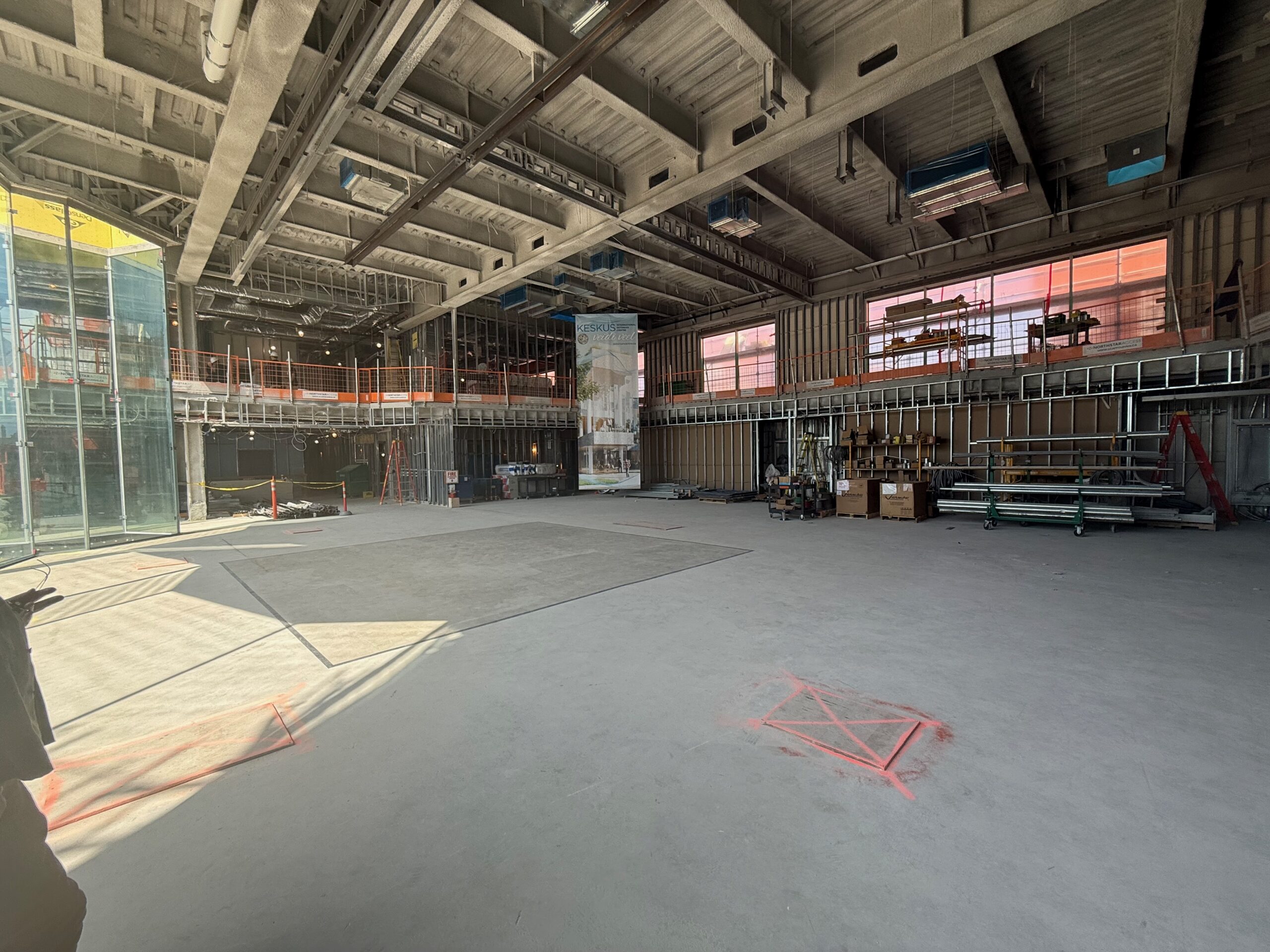
“Toronto simply happens to be where the property became available and where the will emerged. There is no global diaspora government choosing one location over another. It happens wherever there is the will, ability, energy and drive to create something like this.
“Only three buildings in the world have been constructed specifically as Eesti Majad (Estonian Houses – editor). The first, I think, was built in Riga in 1913. The other two were built in Sydney, Australia, and Lakewood, New Jersey, around 1947 and 1950 respectively. Every other Eesti Maja was created by repurposing an old schoolhouse, theatre, community centre, church or similar building.”
The first Estonian centre in almost 80 years
“So this is really the first since 1950 to have been designed and purpose-built as an Eesti keskus. … It is forward-looking. … We want to create something oriented towards the future, reflecting what Estonia is today and who we are as a diaspora today, and carrying that forward into the next century.”
“If you live somewhere where there really are no other eestlased (Estonians) around, how do you celebrate your eestlus? You can hold your vabariigi aastapäeva aktus (an Estonian Independence Day celebration – editor) in your living room, bring in a flag and do all of that. But if we are more mobile, you can come to Keskus for a weekend and get your fix,” Valter points out.
“Home is where we gather with other people. If the programme is rich enough to attract people from around the world, I think that creates a feeling of home. … You would return every year, renew those acquaintances and create that sense of community anew.”
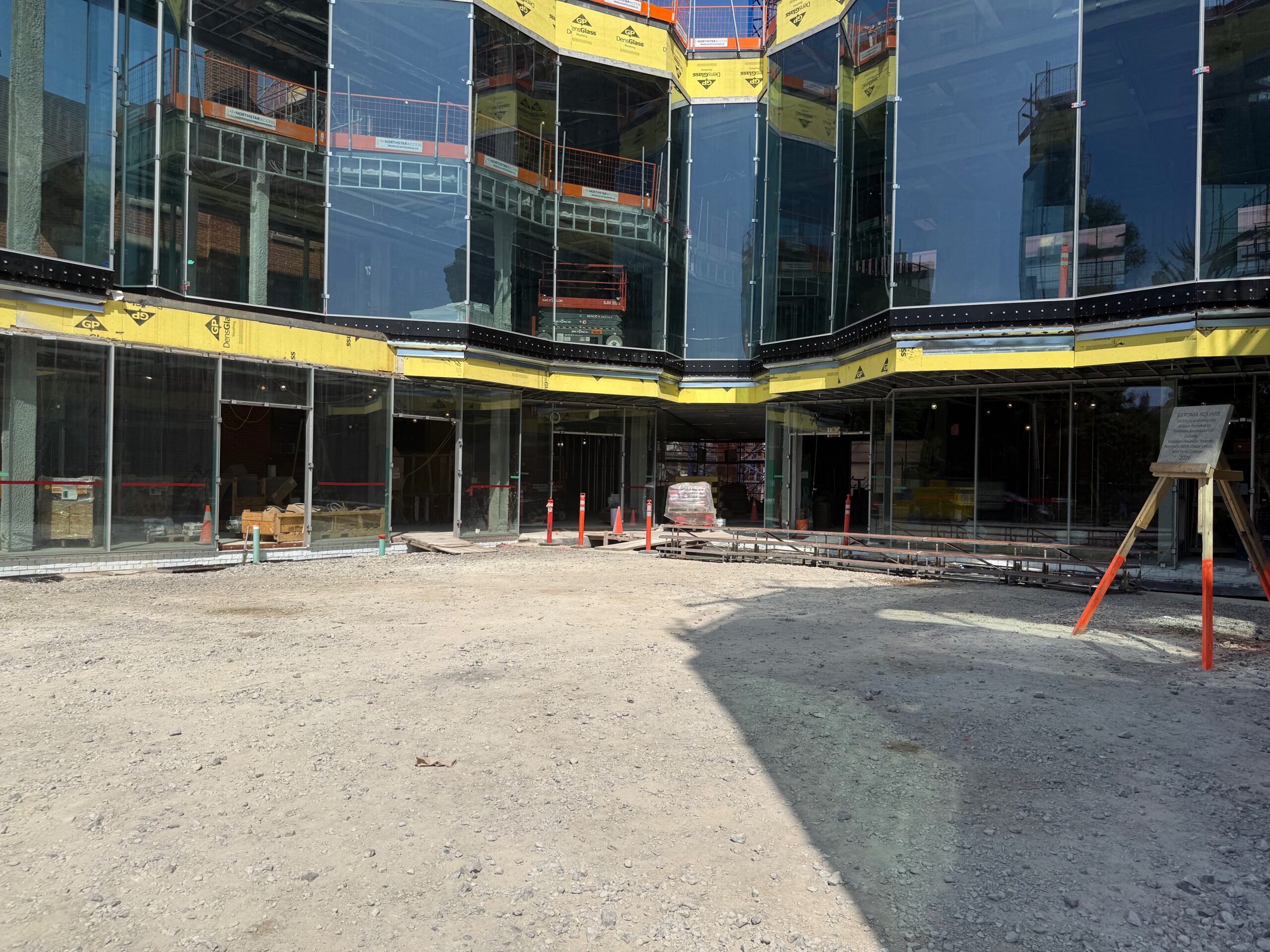
Looking to the future, one challenge facing Keskus is ensuring that it does not become a monument to the generation that built it, but remains a place the next generation wants to use. Valter is already thinking about precisely that.
“Let’s keep this place young and keep passing the reins to the next generation. That means mentoring them and then stepping away – not keeping one hand on the reins while saying, ‘I’m giving you this organisation to run’, when you are not really letting go. I think trusting the next generation is how Keskus will evolve and eventually be handed on,” she says.
Giving the next generation ownership
“When we do not hand things over to the next generation with the freedom to reimagine them for a new era, we create a break in continuity. It then takes a great deal of work to repair that break and glue things back together so they can move forward.
“I hope Keskus genuinely becomes a place that appeals to younger people – I sound very old when I say that – and gives them a sense of pride. They should be able to bring their friends to Keskus with genuine pride, spend time there and introduce Estonia to others.”
“First, it has a clean, future-oriented design and is almost a blank canvas. Second, it must be handed over to younger people to run. The board of directors includes members ranging in age from their 30s to their 70s. We must ensure that young people with the necessary professional skills are invited to join and take responsibility. It is about giving Keskus to the next generation to run and make their own.”
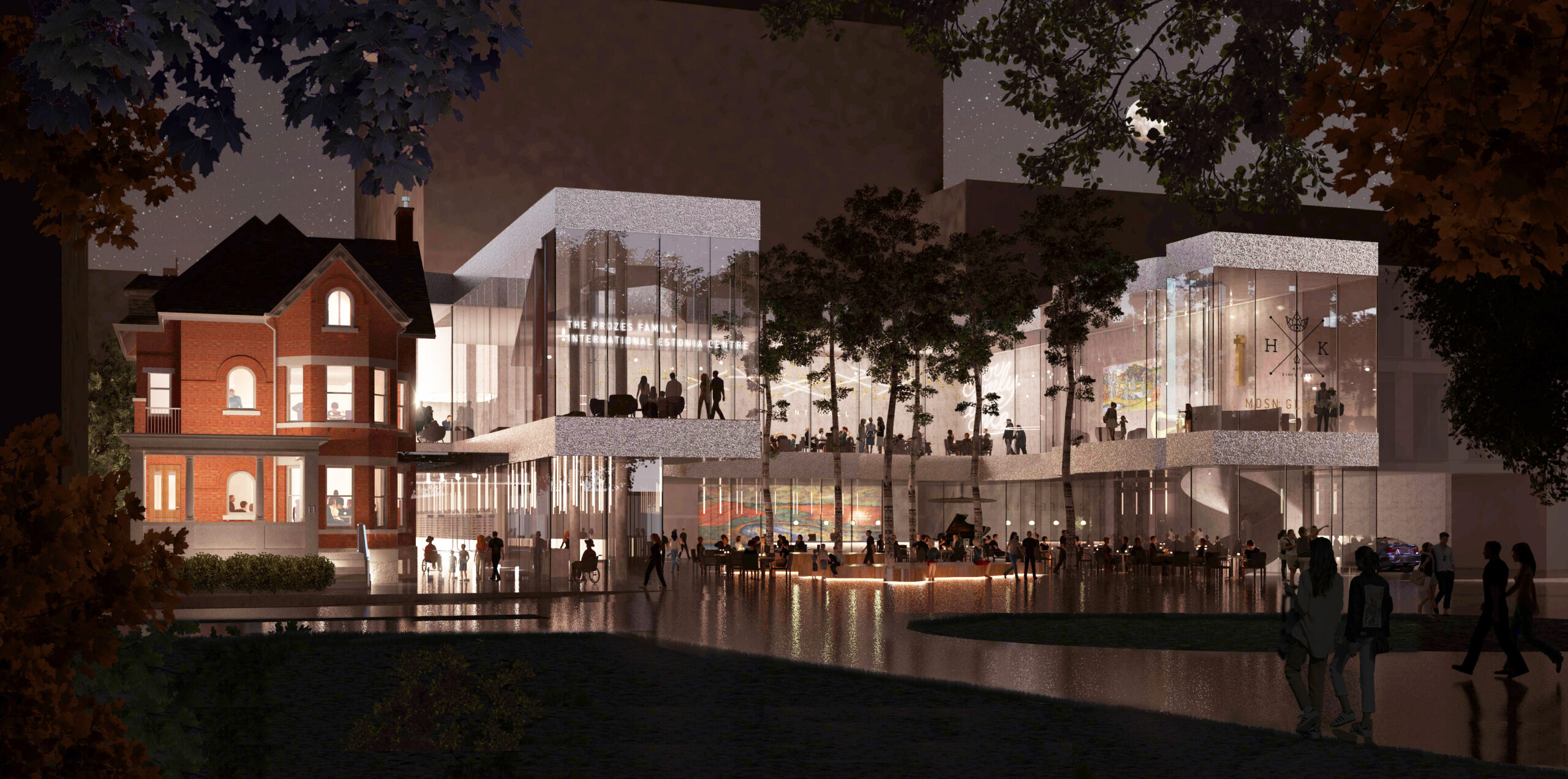
Valter says that, in five years’ time, success for Keskus would mean the centre providing a healthy ecosystem for Estonian culture and supporting the diaspora.
“Success means that it is not merely Toronto-centric, but begins to breathe and support activities elsewhere. When an Estonian theatre company comes to New York, it also comes to Toronto and Chicago, making Toronto part of the flight path for cultural groups from Estonia, as well as our own cultural groups. … Success, essentially, means that Keskus is thriving.”
Tongue in cheek, Valter adds: “And that I get to go to the bistro, have a glass of wine and not have to do anything any more.”