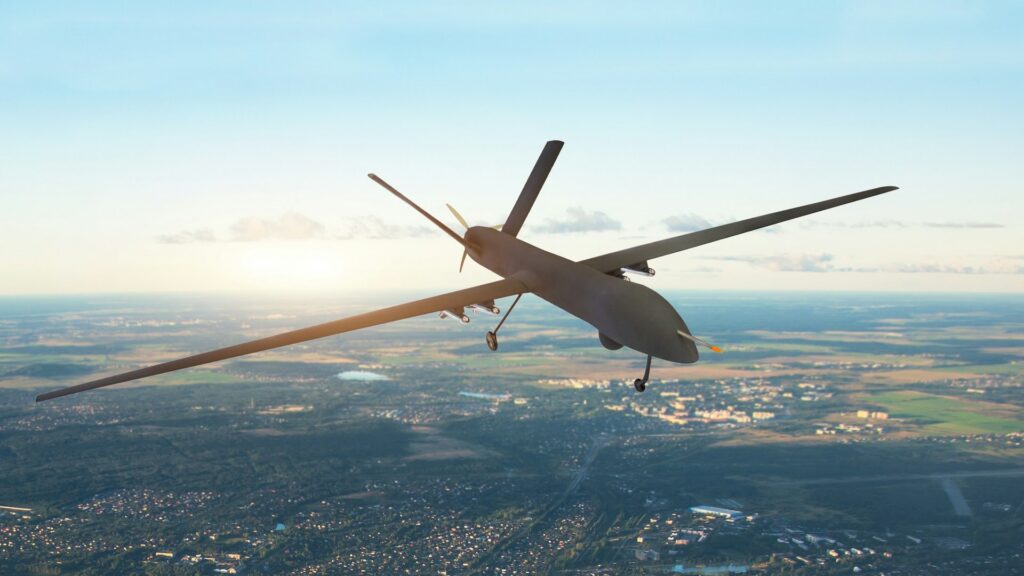
Estonia was placed on air alert overnight after fewer than ten foreign drones entered its airspace during a new wave of Ukrainian attacks on Russian military targets near the Baltic Sea, with debris from at least one drone later found in southern Estonia.
The Defence Forces said the immediate danger had passed by 6am on Tuesday, but the incident marks the second such spillover into Estonia in less than a week. Last Wednesday, a drone entering from Russian airspace struck the chimney of the Auvere power plant in north-eastern Estonia.
Drones entered from the south and east
Colonel Uku Arold, head of strategic communications at the Defence Forces headquarters, said the latest threat arose as Ukraine continued mass drone attacks on Russian military and war-supporting infrastructure in north-west Russia, including in Leningrad Oblast and the Ust-Luga port area.
“As a result of this situation, several drones were carried into Estonian territory overnight, without anyone asking Estonia for permission,” Arold said on the morning programme on Vikerraadio, Estonia’s public radio.
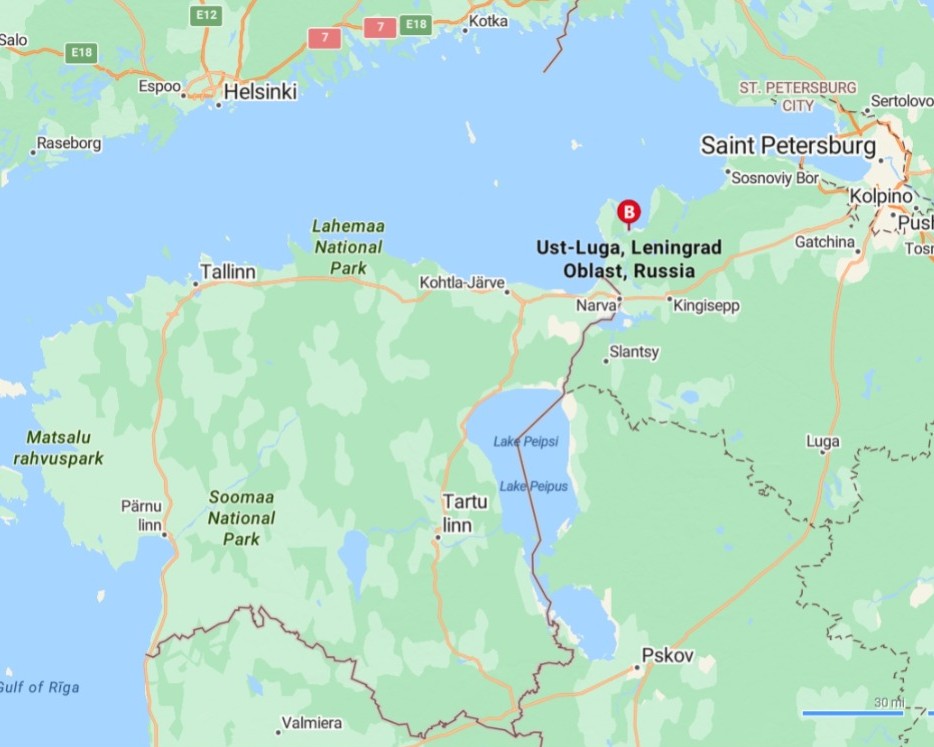
According to Arold, fewer than ten foreign drones were detected in or over Estonia during the night. Some moved in straight lines, while others did not, suggesting they had been affected by Russian countermeasures intended to misdirect Ukrainian drones.
The Defence Forces said the threat warning was issued in stages as the danger developed in different parts of the country. The first alert was sent out even before drones entered Estonian airspace. Overnight warnings eventually covered almost the whole mainland, with only Lääne County and the islands left outside the heightened risk area.
Arold said the drones entered Estonia from the south and east, not from the west or north. Allied fighter jets tracked the objects in the air and were prepared to shoot them down if necessary, but no drones were brought down over Estonian territory.
He said that in some cases there had been a possibility to open fire, but such decisions depended not only on military usefulness but also on safety. If there is a risk that a missile or drone debris could fall where people may be harmed – or land in another country – a strike may be ruled out.
Drone debris found as police examine further reports
Later on Tuesday morning, the Police and Border Guard Board confirmed that debris from at least one drone had been found in a field in Hammaste village, in Kastre rural municipality in Tartu County. Police said they were also checking two other possible locations where drones may have come down.
Veiko Kommusaar, deputy director general of the Police and Border Guard Board for border guard matters, said the chain of events had effectively begun at about 9.30pm on Monday, when surveillance systems detected unusually high activity near the border. By morning, the authorities had received 49 reports from the public and were examining three possible crash sites.
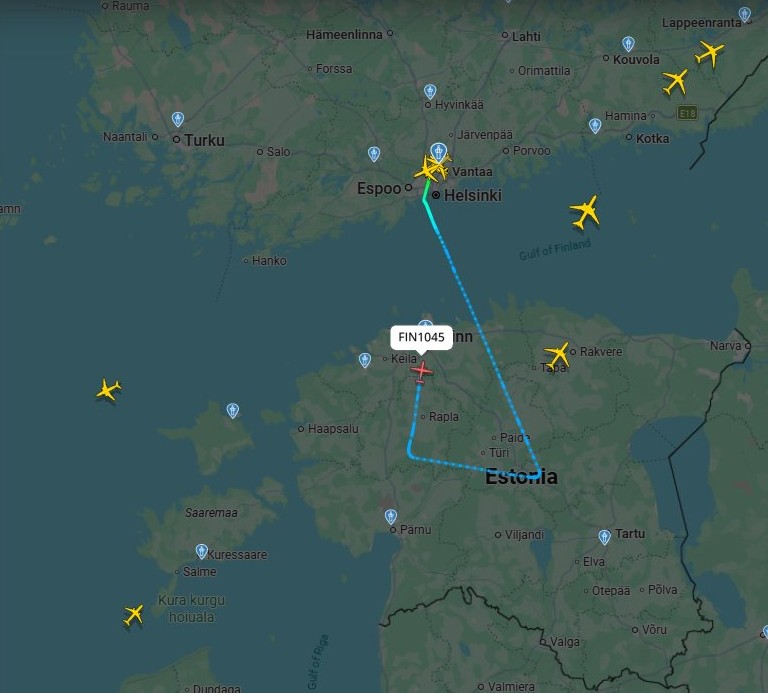
The overnight alert was also felt in the air. A Finnair flight from Helsinki to Tartu turned back over central Estonia, while the morning Tartu-Helsinki service was cancelled. Tallinn Airport said one departing flight had also been affected after air traffic procedures were introduced because of an unidentified object in Estonian airspace.
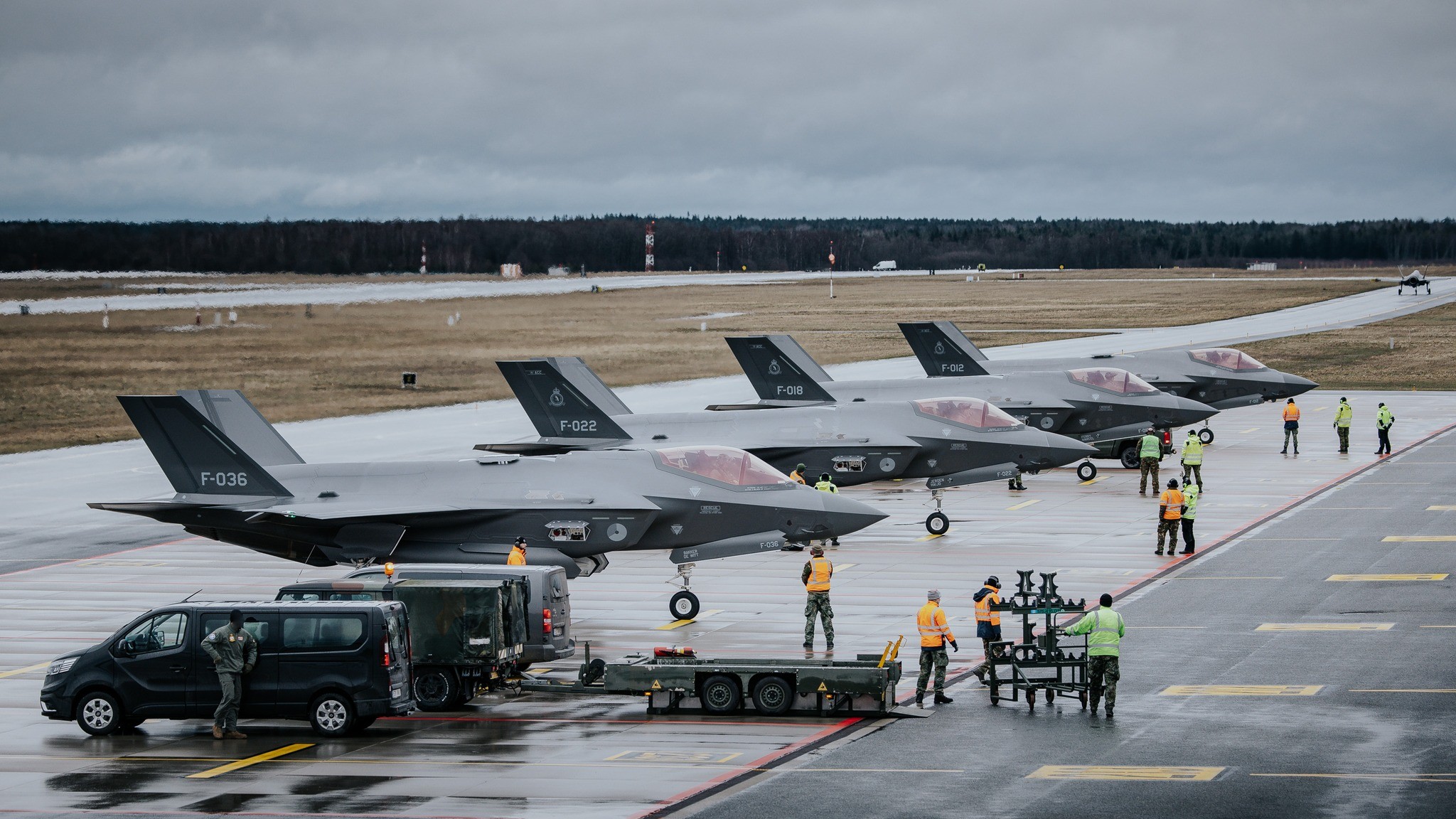
For many residents, the tension of the night was made audible by NATO fighter jets taking off from Ämari air base. Arold said the aircraft were searching for drones and protecting Estonian airspace, while the country’s defence minister, Hanno Pevkur, said Estonia had operated at maximum readiness, supported by allies including Finland, Sweden and NATO aircraft based in Lithuania. Italy carried out the Baltic air policing mission overnight, with Portugal due to take over the role on Tuesday.
Emergency lines tested
The Rescue Board said all such alerts must be treated seriously unless explicitly announced as tests. Its representatives said the warning system functioned and messages reached the public, although technical analysis of possible problems is still under way.
The Emergency Response Centre said the night had been the busiest of its kind in six years, with calls rising in three waves in line with the three main warning messages. Officials said the improved routing of public information calls to the state information line 1247, rather than to the emergency number 112, had eased pressure compared with the previous alert on 25 March.
That earlier incident, in which a drone struck the chimney of the Auvere power plant, already underscored how the war in Ukraine was affecting the wider Baltic security environment. Tuesday’s developments went further, with confirmed drone debris now found on Estonian soil.
By morning, however, the official message was that the immediate threat had passed and normal life could continue. Authorities nevertheless urged people not to approach any suspicious object, to call 112 immediately, and not to share the location of possible drone wreckage on social media.