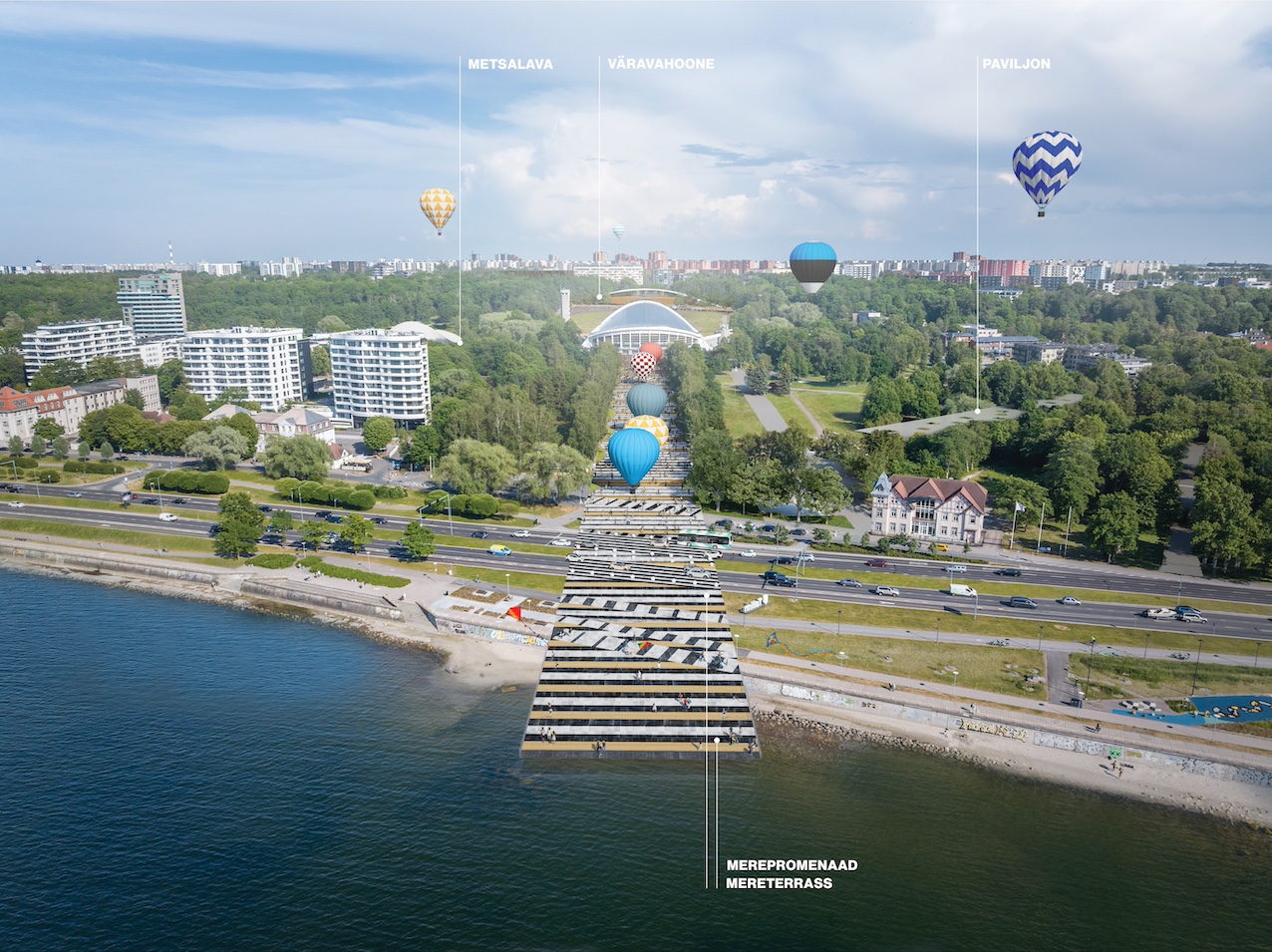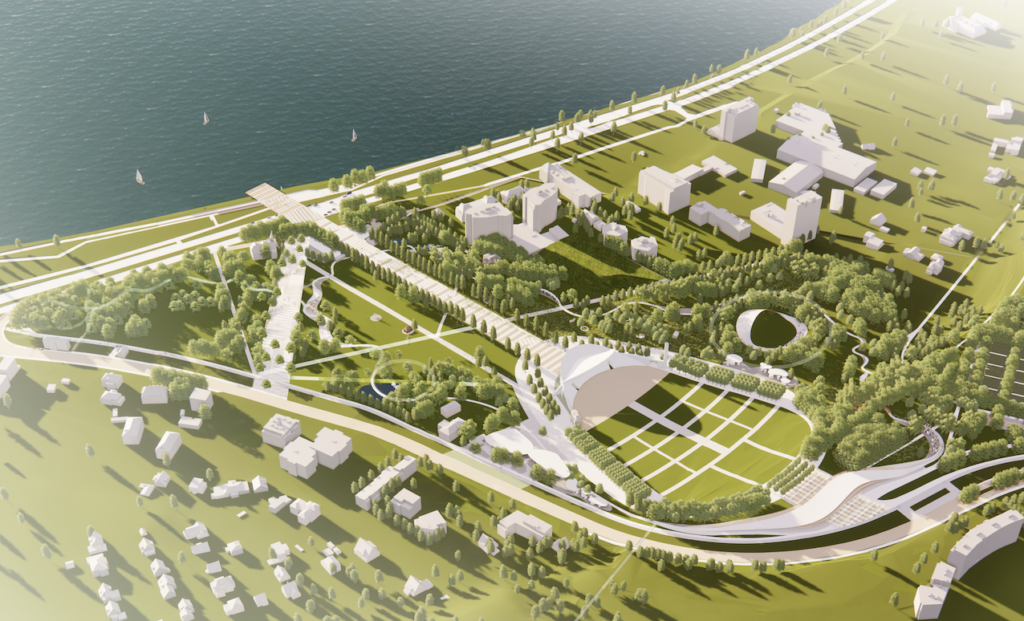
The Tallinn Song Festival Grounds – a symbol of national identity and a magnet for global performers – are set for a major transformation under a newly initiated development plan.
On a windswept rise above the Baltic Sea – a place where generations of Estonians have stood shoulder to shoulder and sung themselves into political existence – something quietly monumental is beginning. The Tallinn Urban Planning Department has launched a new detailed plan for the Song Festival Grounds, marking the most significant redesign since the iconic arch took shape in 1960. It is a moment of reckoning for a site that is at once a sacred cultural landscape, a mega-concert venue, a city park and, to many, a living monument to the Singing Revolution.
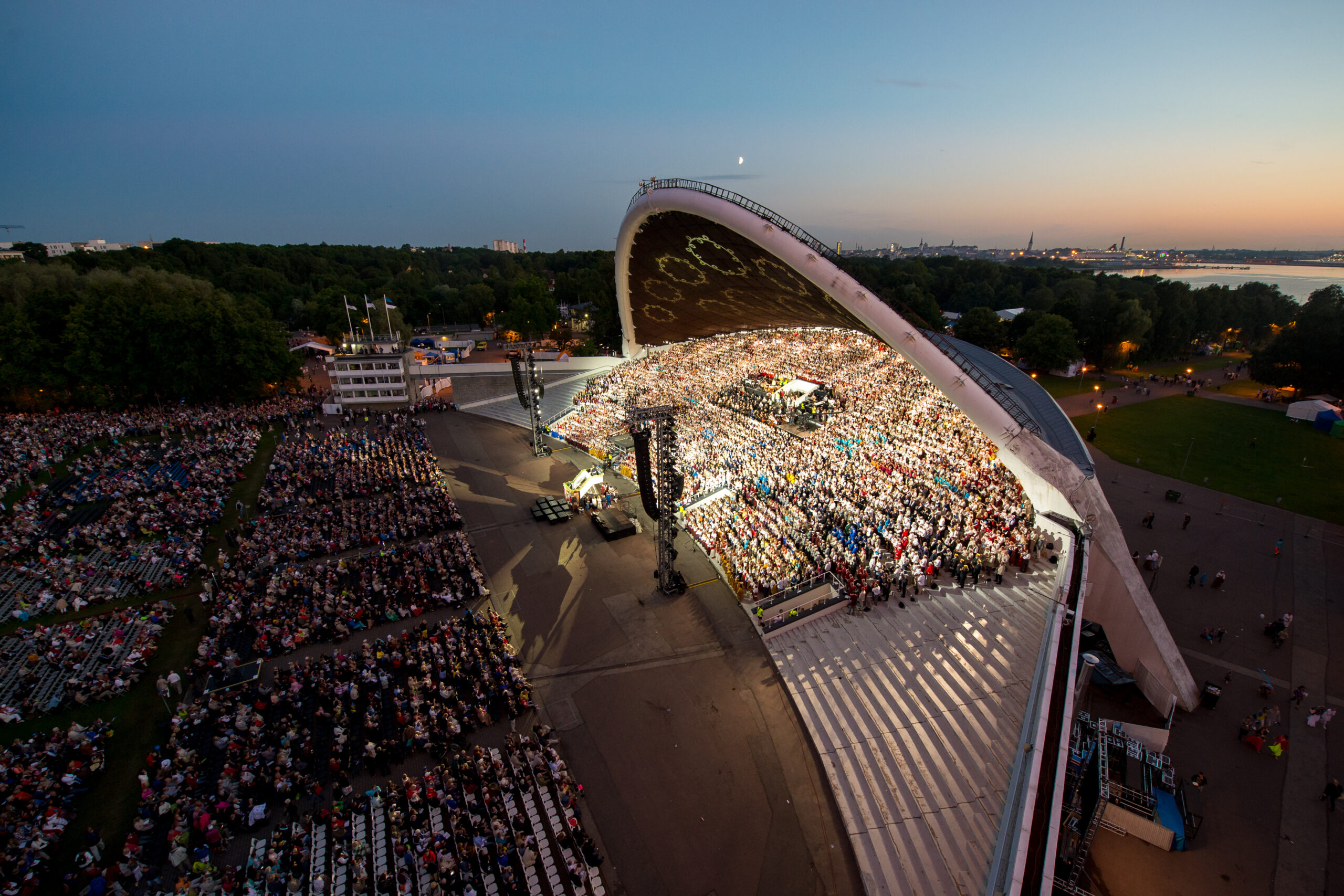
What is now in motion is far more than a face-lift – it is a complete re-imagining of a space that has become heavily used, increasingly hemmed in by development and, in the words of its director, “charged with expectations that have transformed beyond recognition in the last six decades.”
“We’ve finally reached the point where years of groundwork turn into action,” Urmo Saareoja, the quietly determined head of the Tallinn Song Festival Grounds, says. His relief is unmistakable. “This place belongs to everyone – it’s a national symbol – but with that comes the responsibility to make sure it continues to work for the next hundred years.”
A 100-year-old cultural icon meets 21st-century pressures
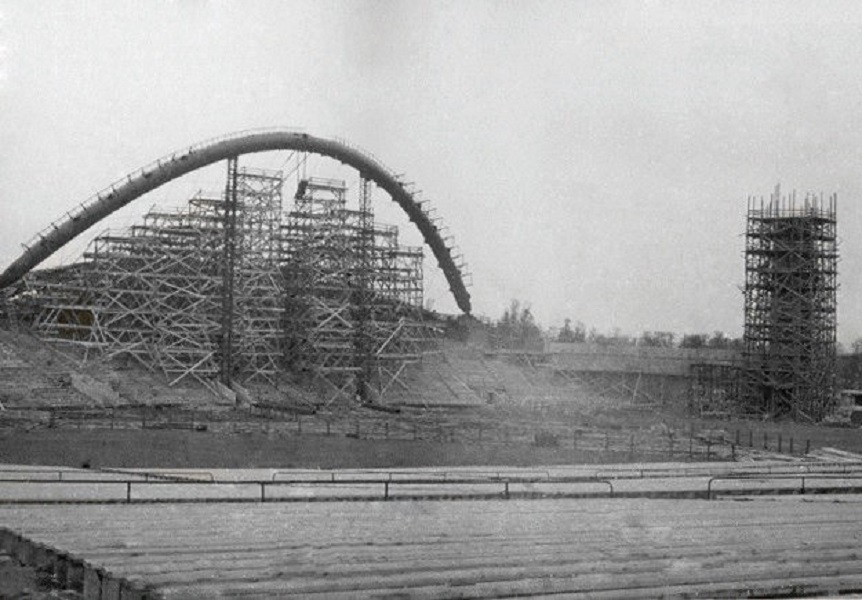
Established in 1928 and reshaped into its current form by 1960, the Song Festival Grounds are woven into Estonia’s national mythology. They are the spiritual stage of the Song Celebration – a Unesco-listed cultural phenomenon where tens of thousands of voices rise in unison. They are also one of the country’s unlikely economic engines, hosting global performers such as Lady Gaga, Metallica and The Weeknd who cannot easily be accommodated elsewhere in the region.
But the demands of mega-events have evolved, and so have the expectations of audiences accustomed to seamless logistics, comfort and experiences that extend beyond the performance itself. As Saareoja puts it, “The Song Festival Grounds can host the world’s most technically complex shows. What we need now is an environment that supports those shows – and the people who attend them.”
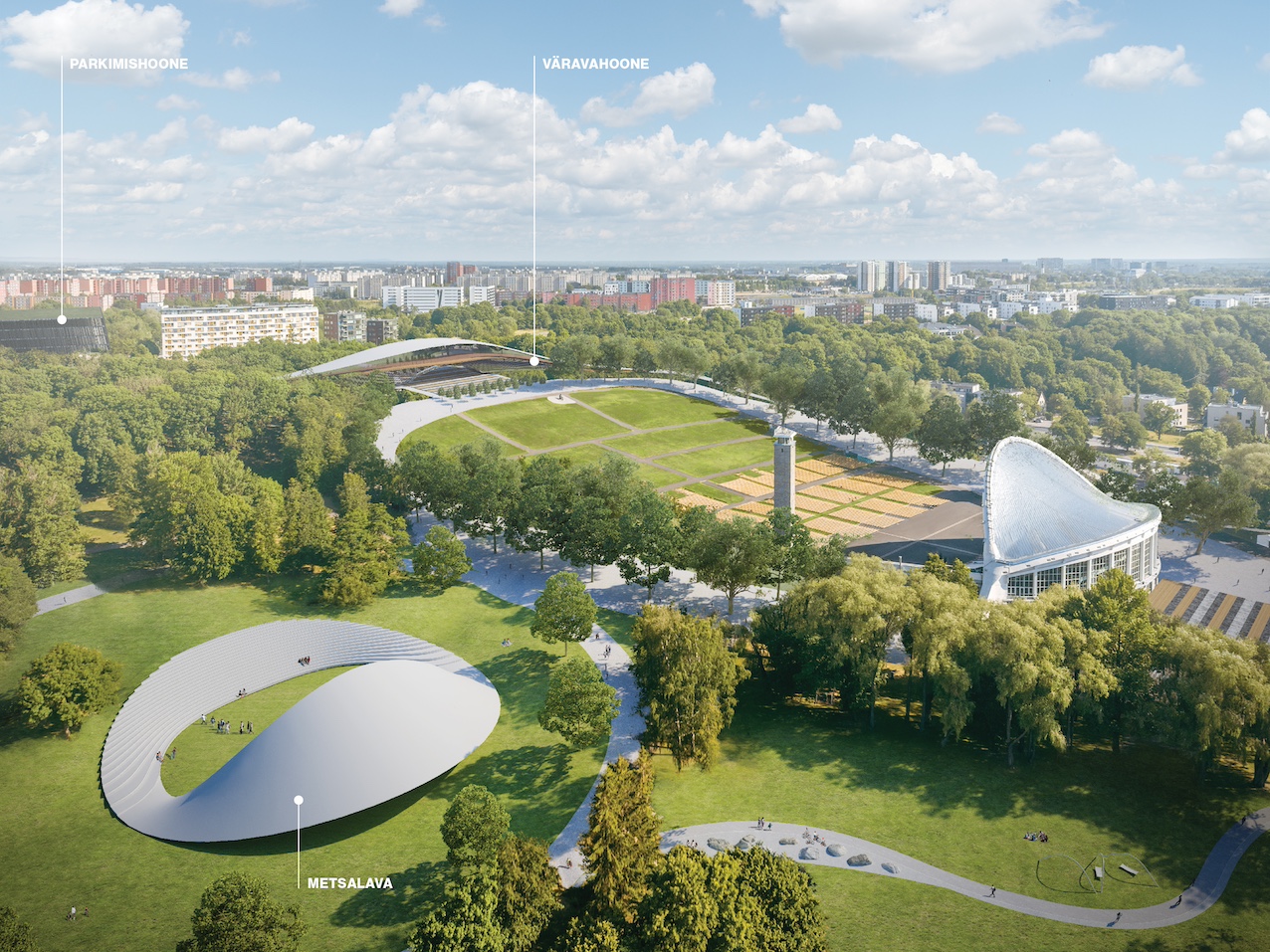
The new detailed plan aims to expand the territory by nearly 10,000 square metres and to create a more coherent, contemporary environment for cultural events and daily leisure. New facilities are envisioned, circulation will be rethought and the grounds will be better integrated with green space rather than squeezed by it.
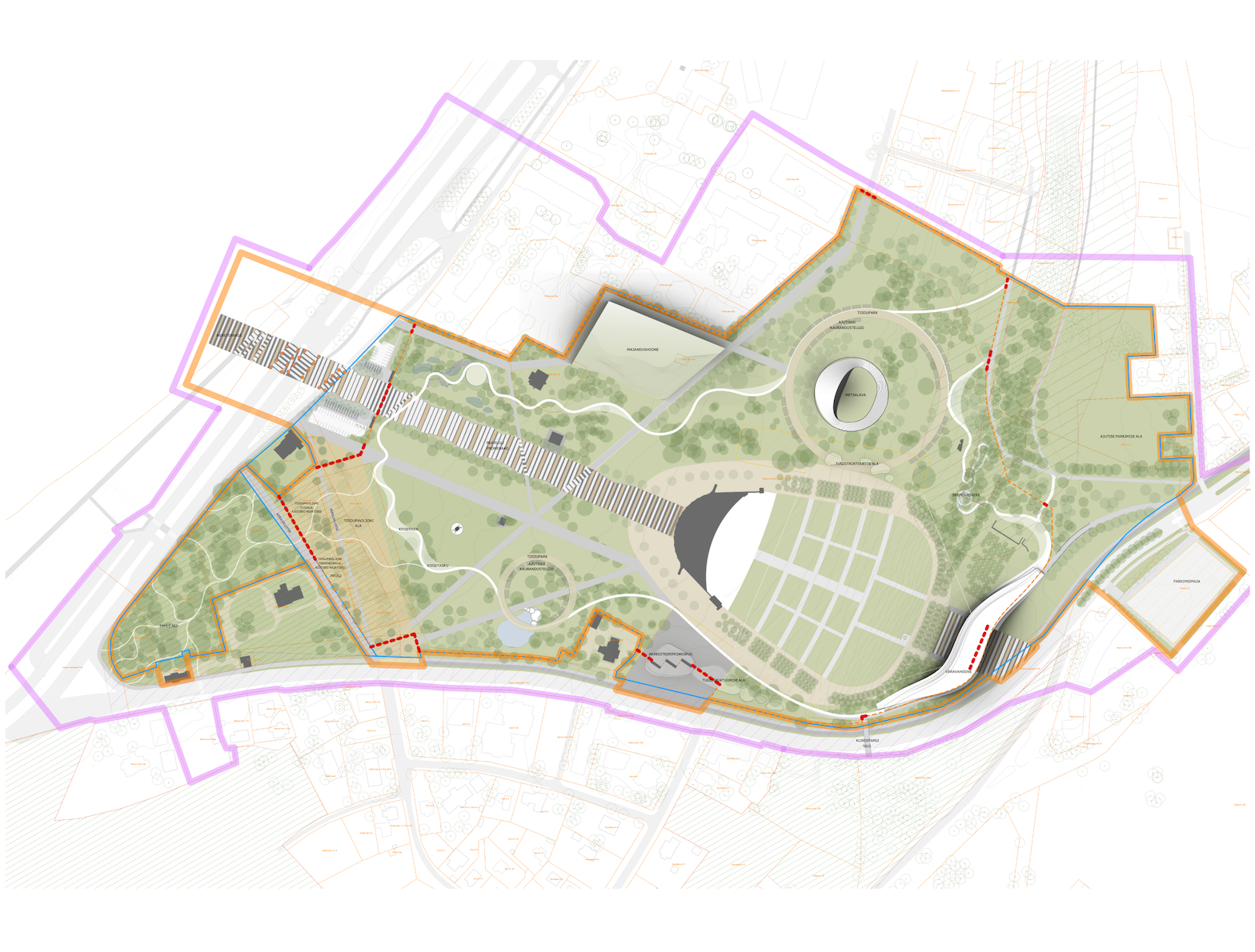
A quiet land purchase – and a turning point
Driving the momentum is an unexpected force: a record-breaking concert season. Nearly 200,000 international visitors passed through the Song Festival Grounds in 2025, giving its city-owned managing foundation the strongest financial year in its history. The windfall allowed the organisation to purchase an undeveloped neighbouring plot – a move many insiders describe as quietly transformative.
The land borders the little-known Fahle Garden, a protected but long-neglected park that has, over decades, grown into a largely wild thicket. Now, its role is shifting. The newly acquired property creates a path for the Song Festival Grounds to expand towards the garden – safeguarding the site from the steady densification that has reshaped much of central Tallinn.
“As free land disappears, its value skyrockets,” Saareoja notes. “This purchase was essential. Without it, the Grounds risked being gradually squeezed out of the space they need to thrive.”
He stresses that the expansion is not a takeover but a careful rebalancing. “Fahle Garden will not become a barren field. The aim is to preserve the natural features that remain and to integrate the area gently with the existing parkland.”
Political clarity – and a century-long horizon
For once, the stars seem aligned. Tallinn’s new coalition of the city government, consisting of the Centre Party and Isamaa, explicitly lists the development of the Song Festival Grounds as a municipal priority – a rare moment of unambiguous political backing in Estonia’s briskly pragmatic political climate.
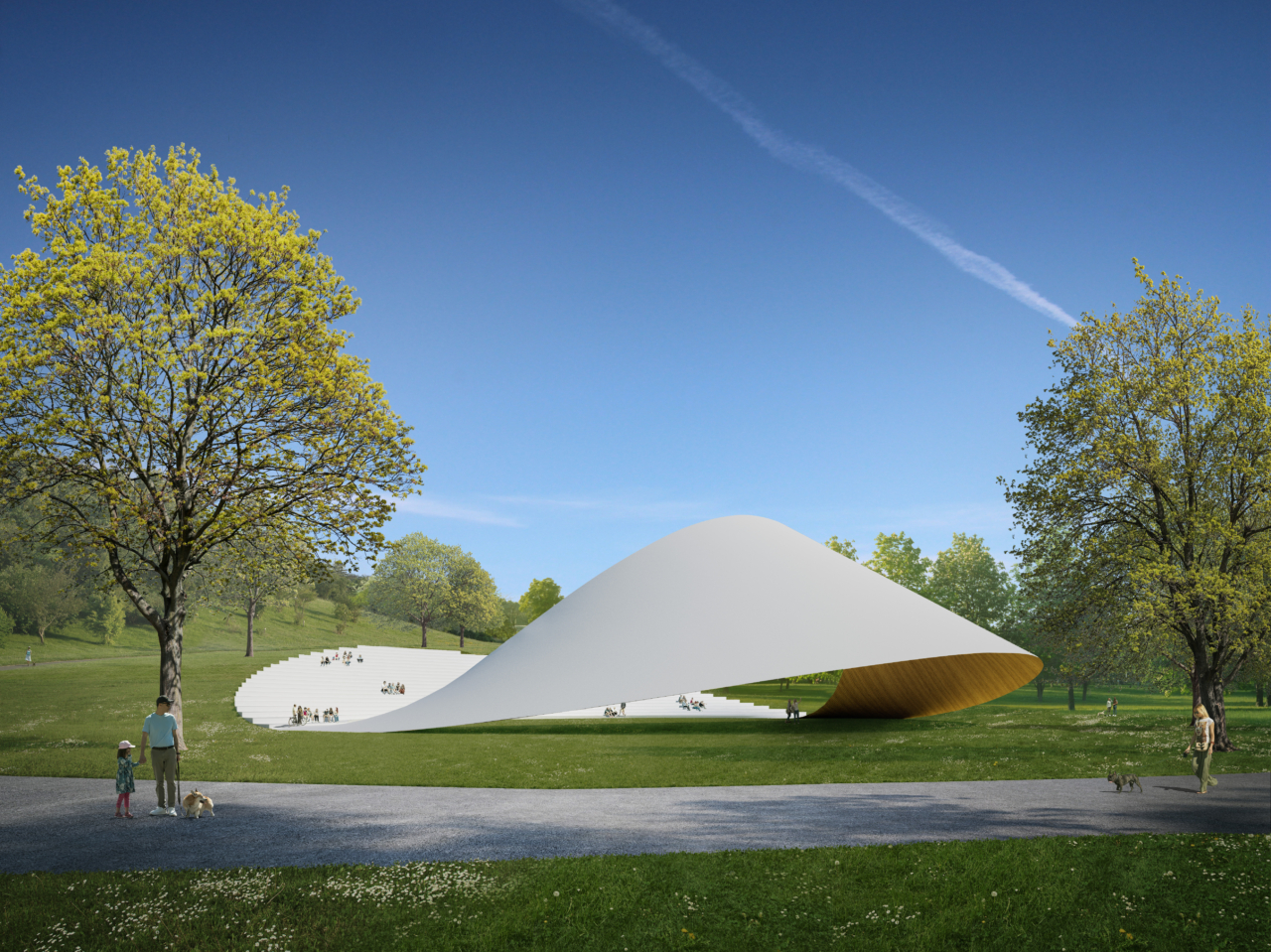
The long-term plan is intentionally modular. “We’re not waiting for mythical money ships to arrive,” Saareoja says. “The development is designed to move forward in stages – to ensure it becomes reality rather than remaining a distant vision.”
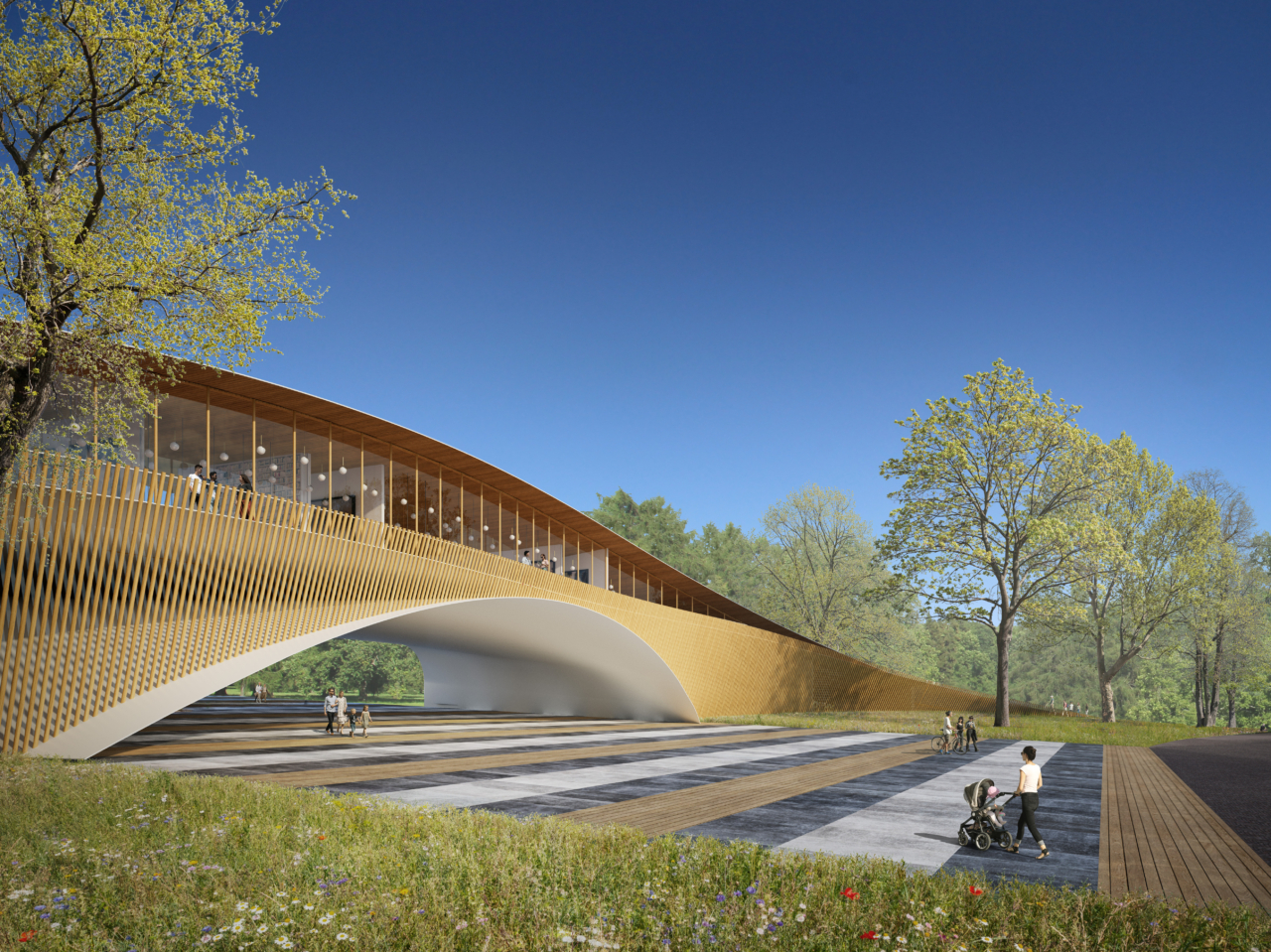
The first step will focus on the most pressing issue: a new catering area for Song Celebration participants, thousands of whom currently cope with facilities that fall short of modern expectations. Should financing align, the broader series of upgrades will follow.
Latvia, meanwhile, provides a telling benchmark. Its Song Festival stage was recently reconstructed at a cost of nearly €100 million – a project widely praised for its architectural and technical ambition. The comparison is hard to ignore: cultural infrastructure in the region is moving ahead, and Estonia cannot afford to lag behind.
Where nostalgia meets necessity
Few places in Estonia carry the emotional weight of the Song Festival Grounds. They are where the country’s most cherished cultural ritual unfolds, where some of its most consequential peaceful protests took shape and where, with surprising frequency, global pop icons have taken to the stage.
But even sacred spaces must work. And that is the underlying argument of the new plan: the Grounds must evolve not in spite of their history, but because of it.
“This isn’t simply about preserving memory,” Saareoja says. “It’s about ensuring that the next generation has a living, breathing place to gather, celebrate and create meaning of their own.”
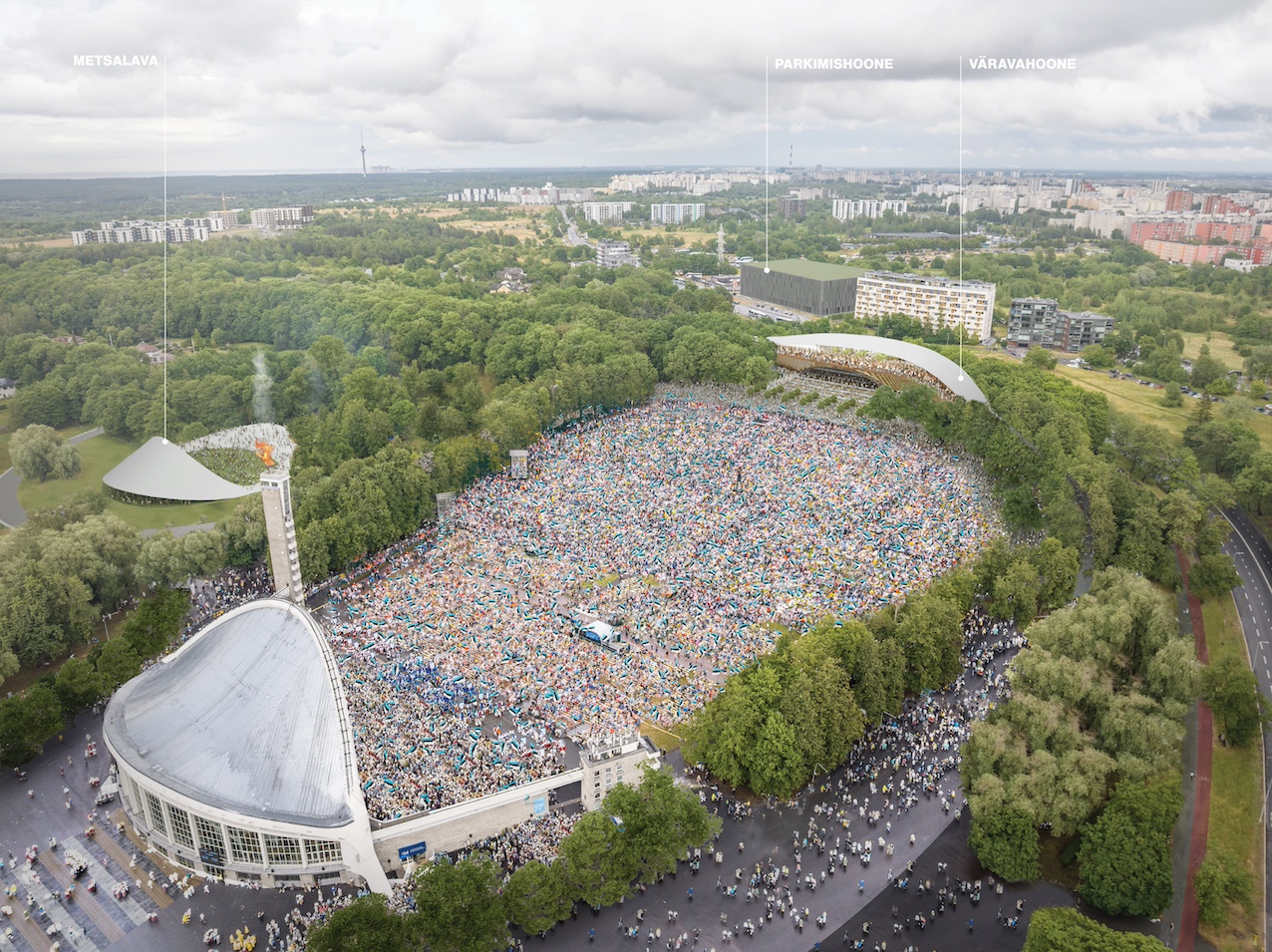
If all progresses as hoped – politically, financially and environmentally – the transformation will begin to emerge in the coming years. By 2028, when Estonia marks the 100th anniversary of the Song Festival Grounds, visitors may find themselves looking not only backward at the music and movements that shaped a nation, but forward at a renewed, resilient venue ready for the century ahead.
One of Europe’s most iconic cultural stages – a place where voices have changed history – is preparing for its next act.