The death of Iran’s supreme leader, Ayatollah Ali Khamenei, in US-Israeli airstrikes has been cast in Tallinn and Brussels as a hinge moment: a possible opening for a different Iran, paired with an acute risk of escalation across the Middle East – and an event with direct implications for European security.
Estonia’s foreign minister, Margus Tsahkna, said Khamenei’s death gives Iranians “an opportunity to shape their own future” after decades of rule “built on fear, violence and international destabilisation” – from Iran’s nuclear and missile programmes to repression at home and support for Russia’s war against Ukraine.
He argued that pressure on Tehran must not ease. “Israel and the United States have shown that they are prepared to stand up to regimes that threaten regional and global security,” he said, adding that sanctions and international pressure should continue until Iran ends repression, abandons its aggressive foreign policy and returns to diplomatic solutions. “Iran’s future must belong to the Iranian people, not to a narrow ideological circle of power,” he said.
Tsahkna also framed Khamenei’s death as a strategic setback for Moscow. It “directly weakens Russia’s and Putin’s position”, he said, claiming it exposes the Kremlin’s inability to protect its partners. “There is no protection for Iran from Moscow… The Kremlin sells an illusion of strength but is unable to ensure the survival of its closest allies.”
Call with Israel
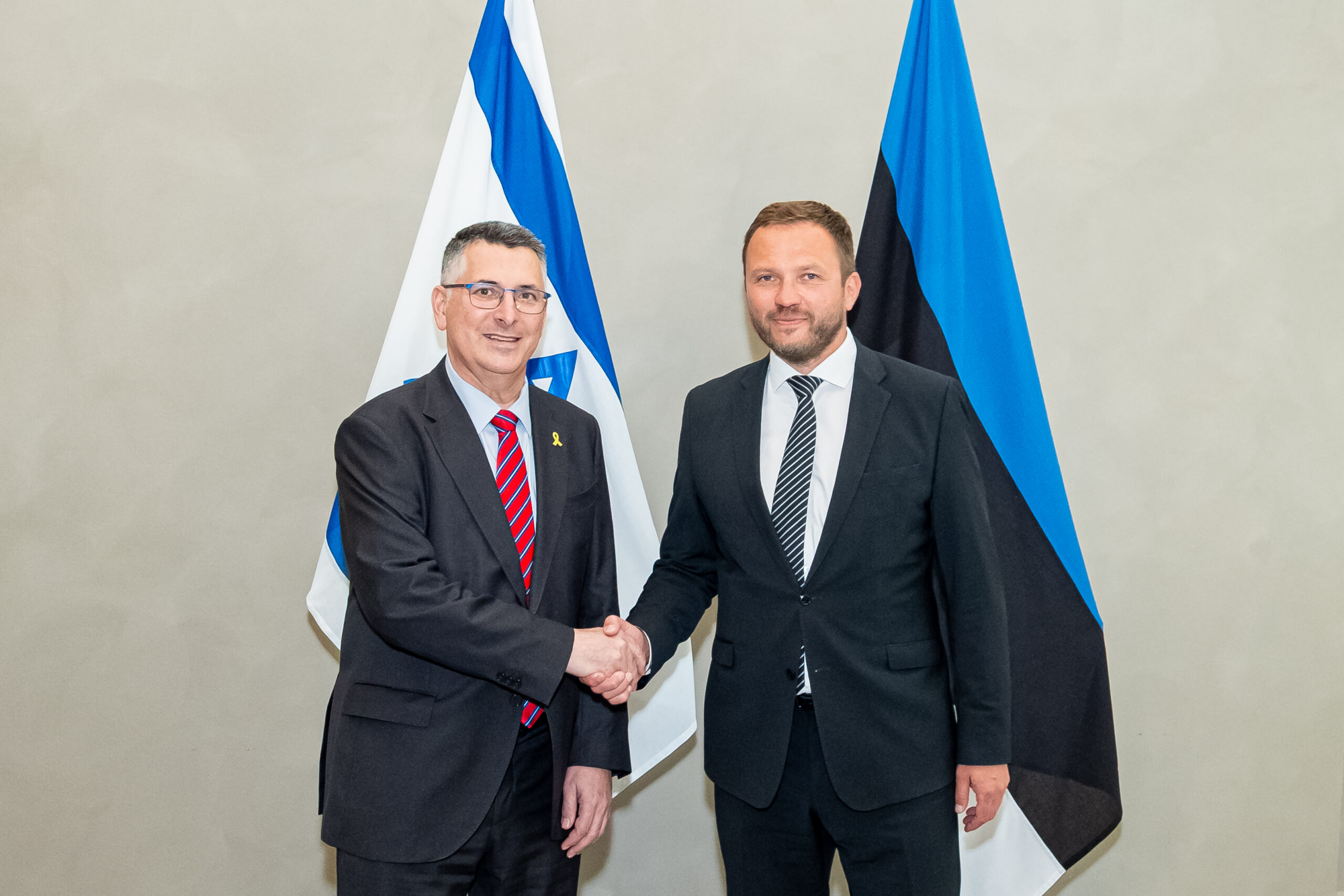
On Sunday, 1 March, Tsahkna held a telephone call with Israel’s foreign minister, Gideon Sa’ar, who briefed him on the latest developments. Tsahkna said Estonia was closely monitoring events and stressed that the past 24 hours “directly affect European security”, describing Khamenei’s death as a serious blow to an Iranian ruling elite he said has materially supported Russia’s war against Ukraine.
Tsahkna argued that authoritarian regimes which have provided political or military backing to the Kremlin are now facing their own weakening, diminishing support for Russia’s war. He urged the international community to seize the moment: to increase pressure on Russia and its allies politically, economically and diplomatically until aggression ends and Ukraine’s territorial integrity is restored.
In Brussels, the tone has been wary rather than celebratory. Kaja Kallas, the EU’s foreign policy chief and Estonia’s former prime minister, wrote that Khamenei’s death is “a turning point in Iran’s history”. What comes next is unclear, she said, but a path has opened to a different Iran, one the Iranian people may have greater freedom to shape. Kallas added that she was in contact with partners, including those in the region bearing the burden of Iran’s military operations, to identify practical steps to de-escalate.
Travel warning as airspace closes
The crisis has also produced immediate practical consequences. Following hostilities between Israel, the United States and Iran, several Middle Eastern countries have closed their airports and airspace. Estonia has advised its citizens not to travel to the region where possible.
Estonians in the Middle East have been urged to remain vigilant and follow local instructions amid a high missile threat. The foreign ministry said people should seek shelter immediately if necessary, staying away from windows, doors and open areas.
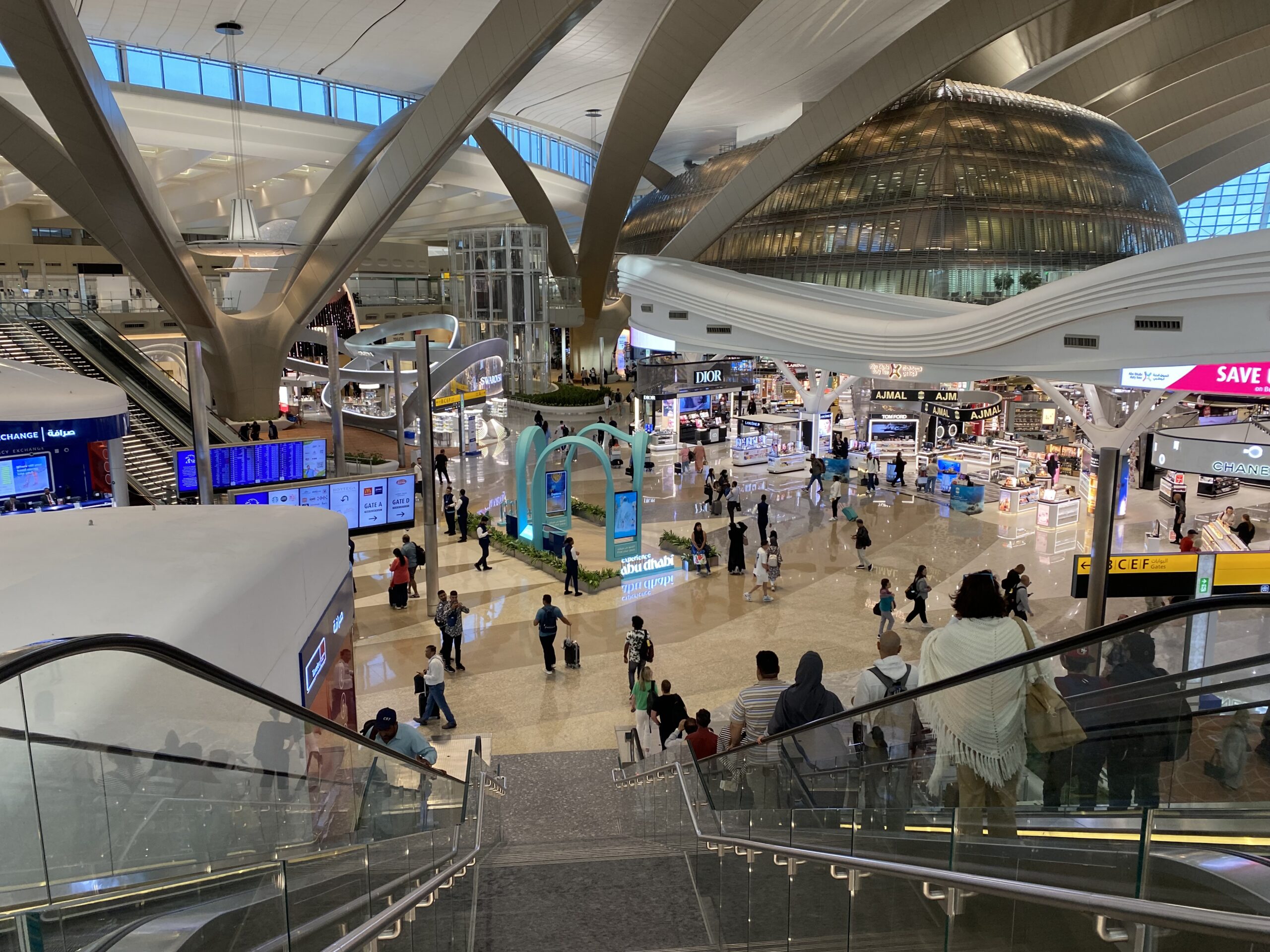
The ministry recommended that Estonian citizens leave Israel while it remains possible; land border crossings with Egypt and Jordan are currently open. Estonians in the region have been asked to register their short-term stay with the foreign ministry so officials can provide information if needed. Public notices in the United Arab Emirates are available via the National Emergency Crisis and Disaster Management Authority. Consular assistance is available around the clock on the emergency number +372 5301 9999, with updates published via the foreign ministry’s online consul service and on its website.
The man behind the system
For more than three decades, Khamenei embodied Iran’s theocratic state: unelected, unaccountable and, in practice, dominant over the elected institutions beneath him. He cultivated an aura of austere authority while empowering the Revolutionary Guards, expanding Iran’s regional network of allies and proxies, and maintaining a long-running confrontation with the United States and its partners.
Under his rule, Iran’s nuclear ambitions became a central international fault line. At home, reformist flickers were contained; protest movements were beaten down. By the end, the chants that carried across Iran’s cities captured the erosion of legitimacy: “Death to the dictator” – words unthinkable in the early years, when revolutionary fury was reserved for foreign enemies.
Now the question is what fills the vacuum: another narrow circle of power, or a broader political opening.