For a country as visually alert to light, silence and season as Estonia, it is striking how long one of its greatest painters has remained, in Britain at least, largely unseen.
That omission is now being corrected. On 24 March, Dulwich Picture Gallery opens the first major UK exhibition devoted to Konrad Mägi – the elusive, incandescent modernist widely regarded as Estonia’s finest painter.
Running until 12 July, the exhibition brings together more than 60 works, many of which have never before been shown outside Estonia, in what feels less like a routine museum event than a cultural arrival.

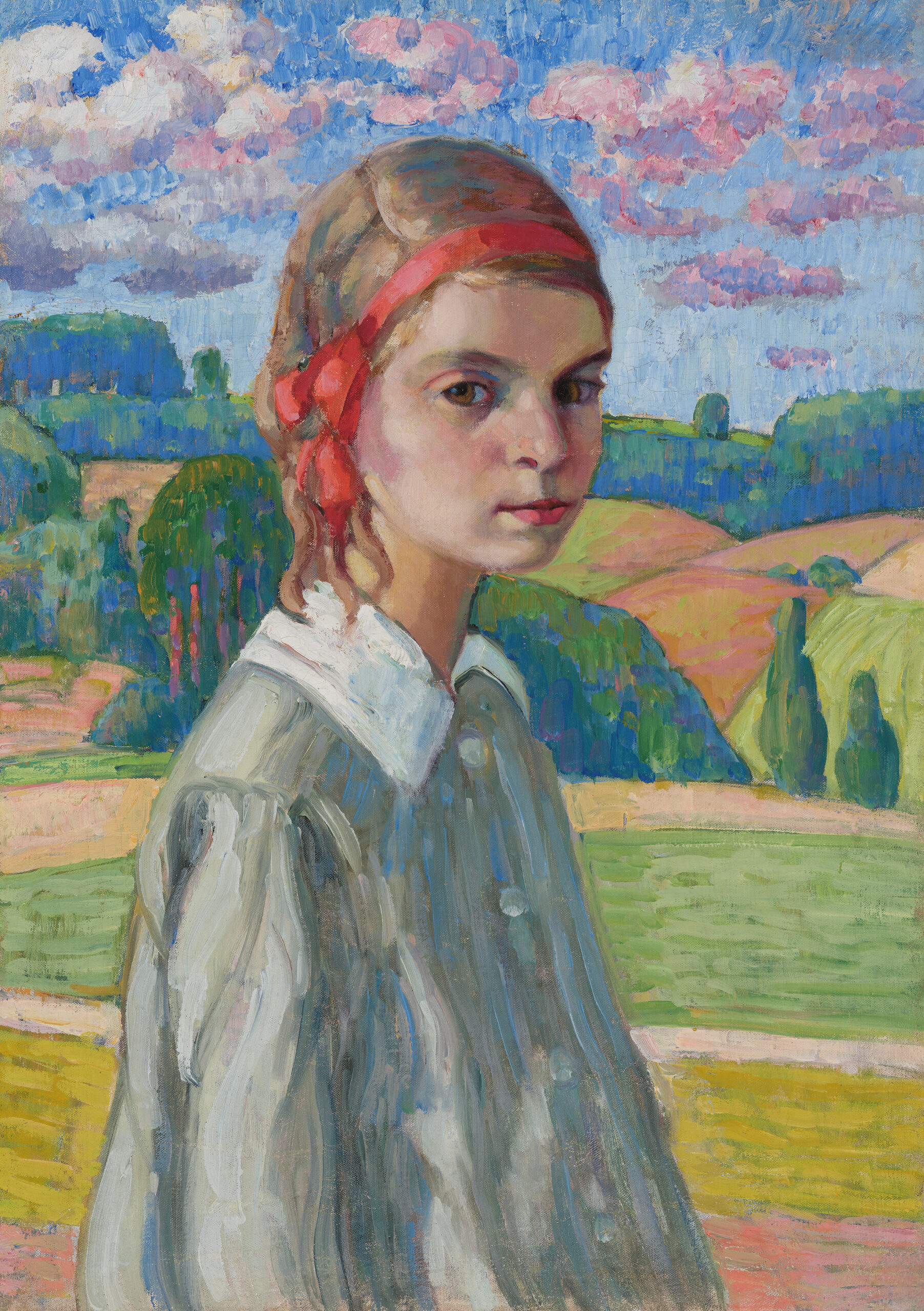
For British audiences, Mägi may come as a revelation. In Estonia, he is already a household name: an artist whose landscapes and portraits helped define a distinctly Estonian modernism in the early 20th century, and whose use of colour remains among the boldest in northern European art. Yet history had other plans for his international reputation. He died prematurely in 1925, aged just 46. Later, during the Soviet occupation of Estonia, his work was blacklisted and removed from public view. Recognition came late, and unevenly.
Now, London gets its chance.
The exhibition, organised in partnership with the Art Museum of Estonia, traces Mägi’s artistic journey across Europe – from the Norwegian landscapes that first brought him recognition to the striking portraits and emotionally charged southern Estonian scenes of his later years. Works have been drawn chiefly from the collections of the Art Museum of Estonia and the Tartu Art Museum, with additional loans from the Viljandi Museum, the National Archives and private collections.
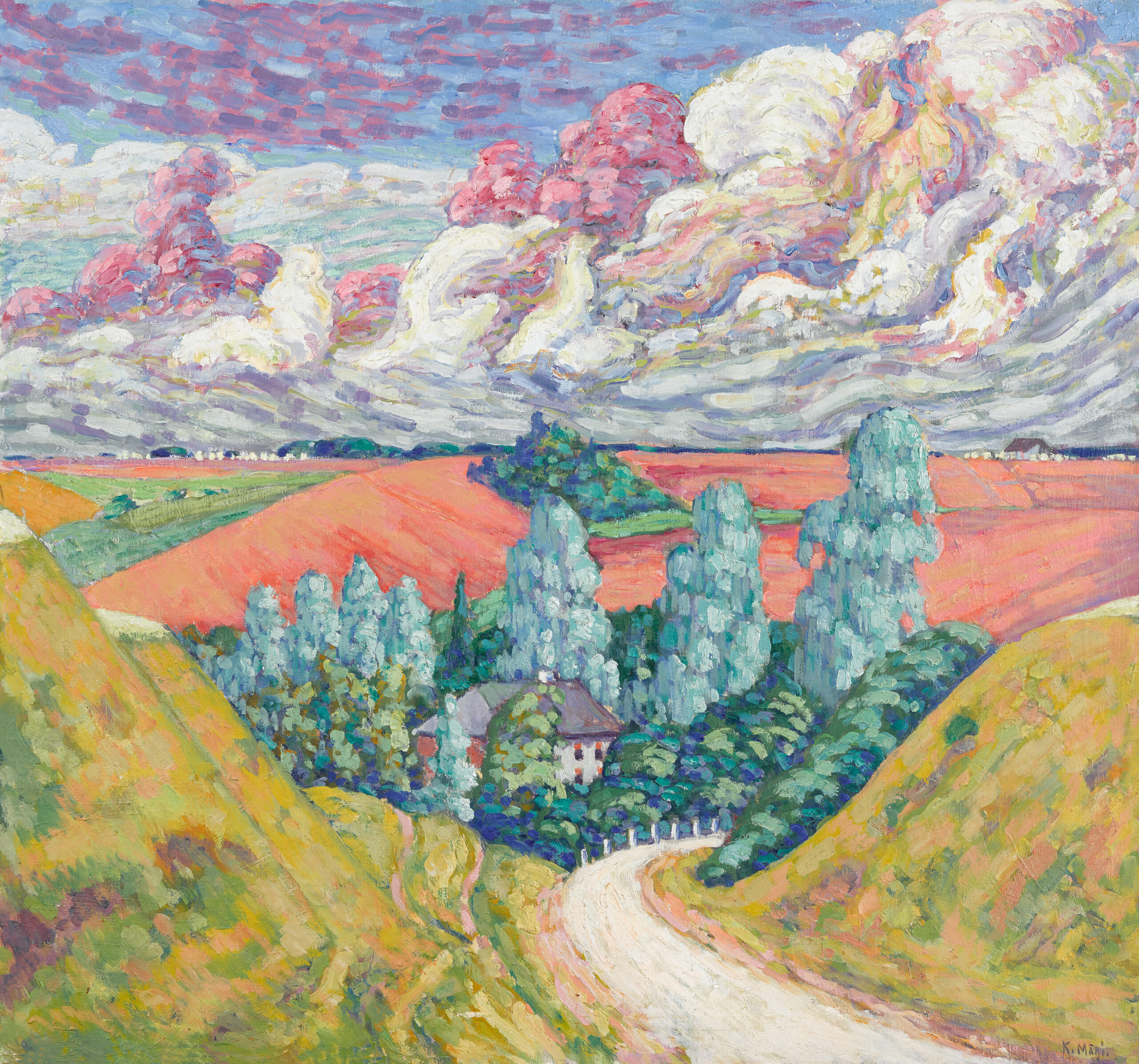
What emerges is not simply the story of an Estonian painter catching up with Europe, but of an artist in active dialogue with it. Mägi travelled widely – to Norway, France, Italy, Belgium and Finland – absorbing the energies of Pointillism, Neo-Impressionism and Expressionism, yet never surrendering to imitation. A largely self-taught painter, he developed something rarer: a style that feels both European and unmistakably his own.
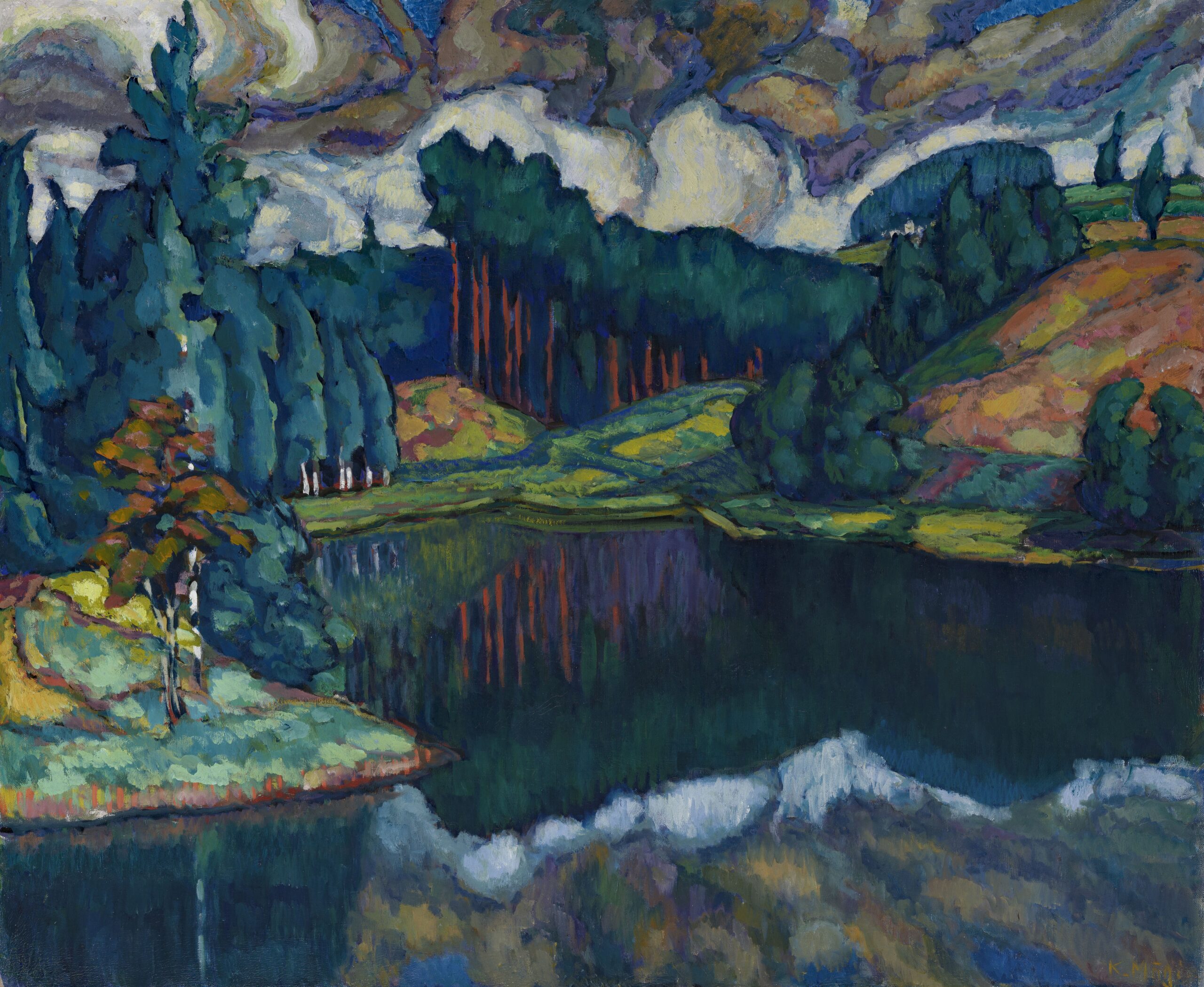
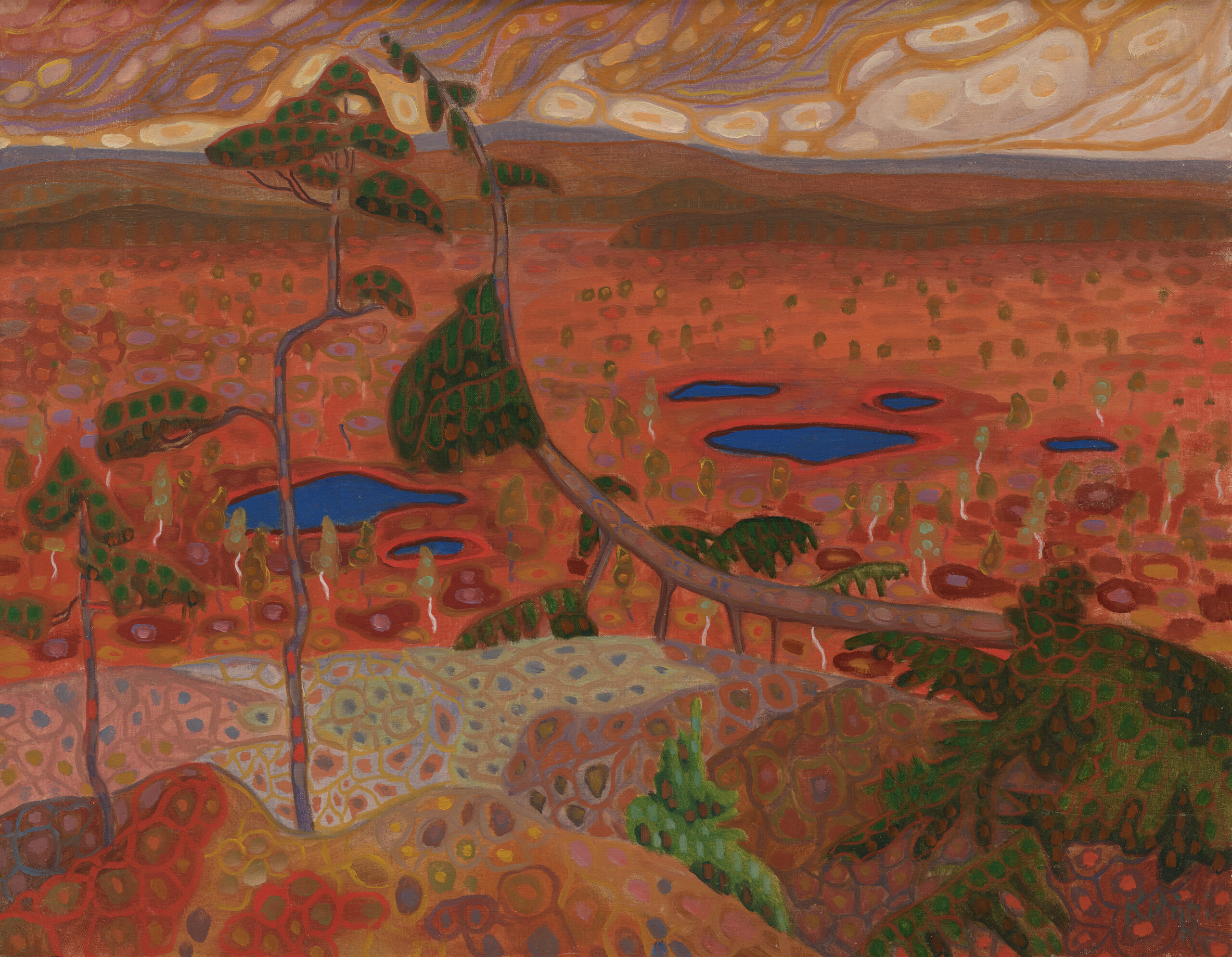
His art has often been described through colour, and understandably so. Mägi painted landscapes not as calm topographical records but as heightened emotional fields – places where sea, sky, rock and vegetation appear to vibrate with inner life.
His Norwegian paintings, made between 1908 and 1910 during a difficult period in his life, first announced that sensibility. Later, on Saaremaa and Vilsandi in the summers of 1913 and 1914, he found a motif that would prove decisive: the austere, luminous coastal landscape of western Estonia, where flora, sea and stone became sites of painterly transformation.
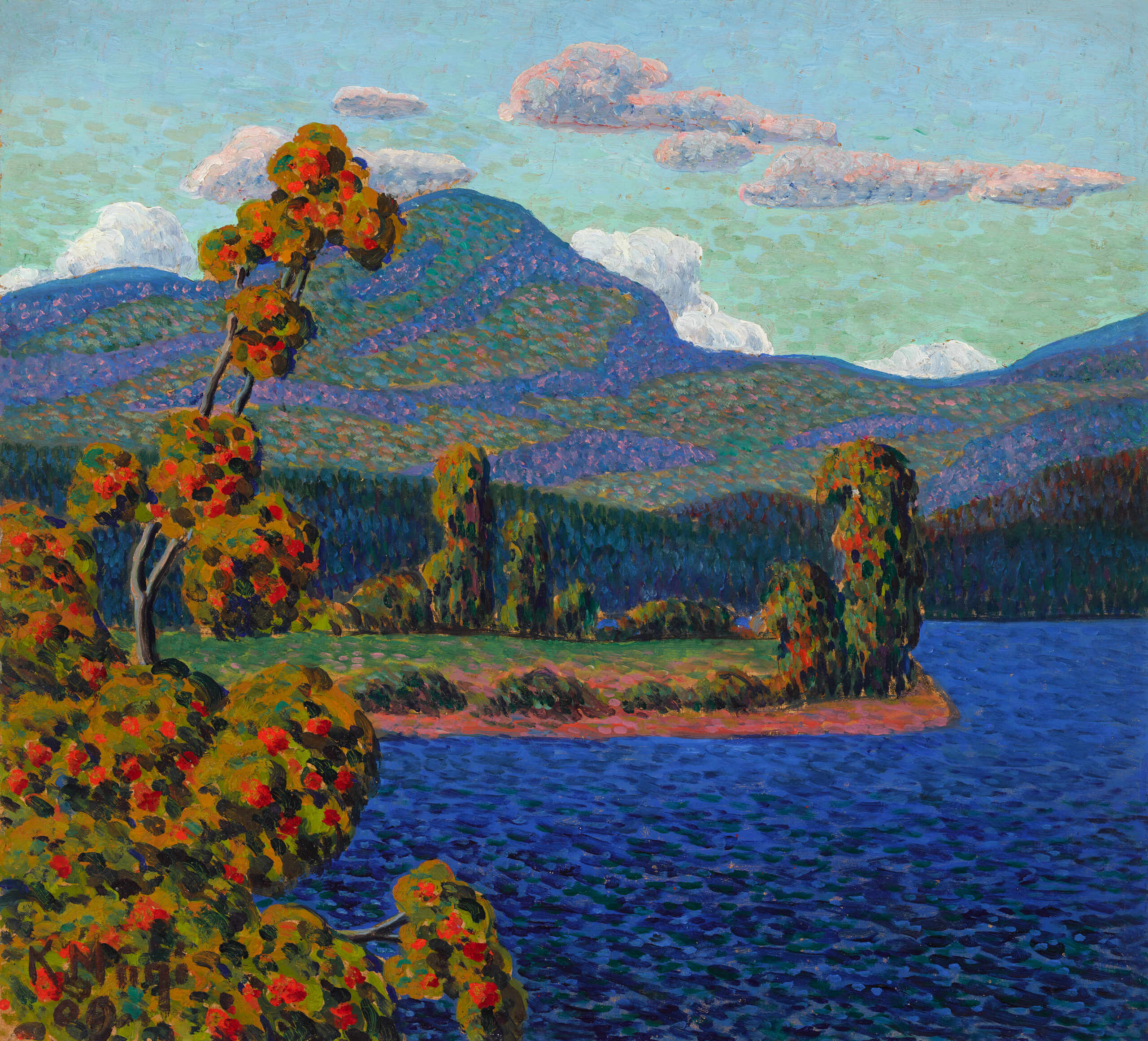
These were not merely pretty views. Mägi’s landscapes often feel psychologically charged, even metaphysical. He was drawn to the mystical and sublime, and is known to have read writers and thinkers including Edgar Allan Poe, Paul Verlaine and Friedrich Nietzsche. That inner weather is visible in the paintings: dramatic skies, saturated tones, a sense that nature is not passive scenery but an active, almost spiritual force.
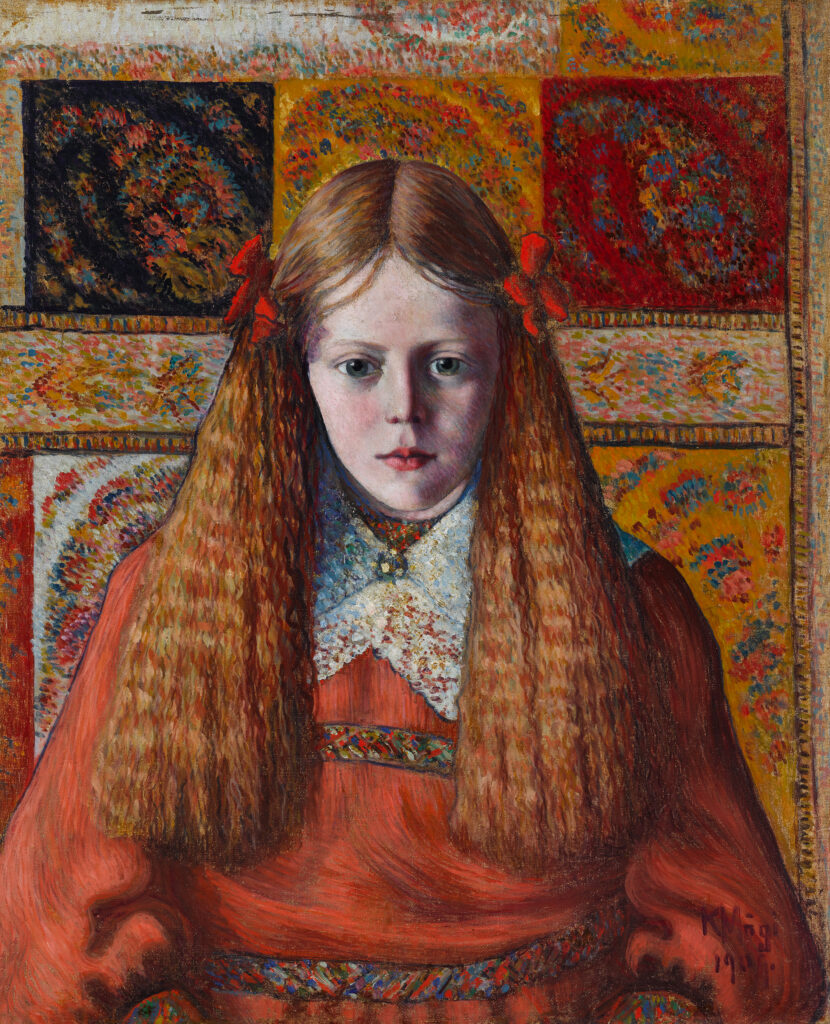
If the landscapes made his name, the London exhibition also seeks to broaden it. Mägi’s portraits – historically overshadowed by his nature paintings – are brought more fully into view here.
Many were commissions from wealthy Estonian families, yet they are anything but conventional society portraits. Their intense facial expressions and bold chromatic decisions place the sitter in a space that feels at once intimate and unstable, where colour does as much psychological work as likeness.
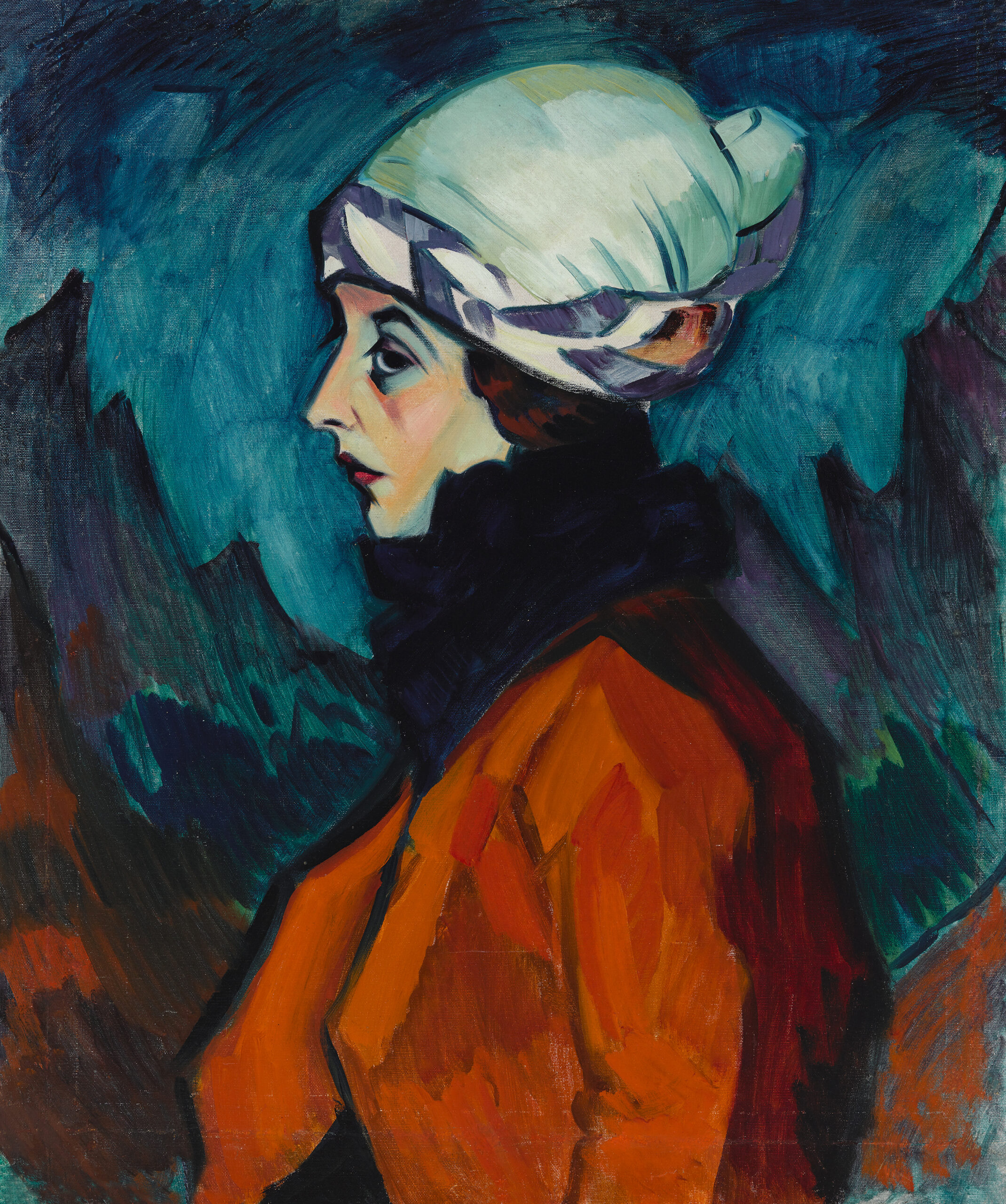
That duality – between external world and inner state, between European movement and local particularity – makes Mägi especially compelling now. He belonged to a generation of Estonian intellectuals shaped by the Young Estonia movement and its famous rallying cry: “Let us remain Estonians, but let us also become Europeans.” Few artists embodied that ambition more vividly. Mägi travelled, absorbed, experimented and returned – again and again – to the landscapes of home.
There is, too, a certain historical justice in his arrival at Dulwich. The gallery has quietly become one of Britain’s more adventurous institutions in introducing artists celebrated in their home countries but under-recognised in the UK. Recent years have seen exhibitions devoted to Harald Sohlberg, M. K. Čiurlionis, Tove Jansson and Anna Ancher. Mägi now joins that widening northern and Baltic conversation.
The exhibition has been curated by Kathleen Soriano, formerly of the National Portrait Gallery and Royal Academy of Arts, who has also curated Dulwich’s well-received shows of Čiurlionis and Sohlberg. Her framing of Mägi for a British audience matters. Rather than treating him as a peripheral curiosity from Europe’s edge, the exhibition places him where he belongs: within the broader story of European modernism, while insisting on the originality of his vision.
Jennifer Scott, director of Dulwich Picture Gallery, called Mägi’s paintings works that transport viewers through their “vibrancy and emotional depth”, describing it as an honour to introduce UK audiences to his “unique and captivating vision”. Sirje Helme, director general of the Art Museum of Estonia, has likewise emphasised the importance of the exhibition as a chance to present Estonian culture as part of the wider development of European modernism, while underlining Mägi’s singular gift for capturing “the colours and light of nature”.
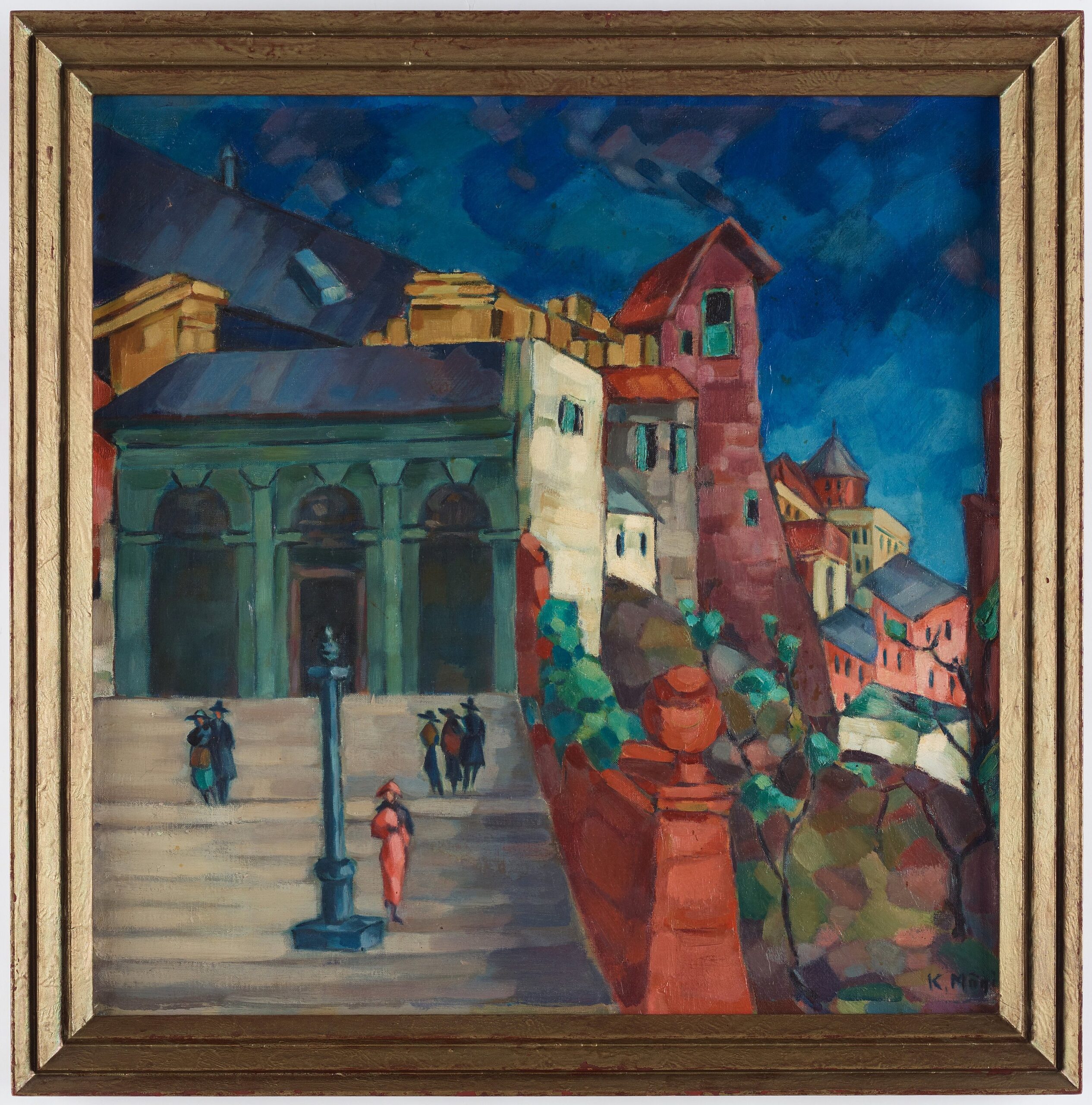
That international reappraisal has been building for some time. Over the past decade, Mägi has been rediscovered beyond Estonia through exhibitions in Italy, Finland, Denmark and Norway. In 2019, a major exhibition in Turin introduced Italian audiences to his work and drew strong media attention. In 2021, his painting Rome sold at auction in Sweden for €302,000, setting a new record for Estonian art and signalling a growing recognition of his place in the European canon.
Yet market validation is only part of the story, and not the most interesting part. What makes Mägi matter is not that he is rising in price, but that his work still feels startlingly alive. At a time when art institutions are rethinking the geographies of modernism – loosening the old Paris-centred map and paying greater attention to artists shaped by more fragmented, interrupted histories – Mägi’s moment seems overdue.
There is also a contemporary counterpoint. The exhibition includes a newly commissioned site-specific installation by the Tallinn-based artist Kristina Õllek, whose work explores marine ecology, geological material and human-made environments.
Her piece, Between Sediments and Dead Zones, installed in Dulwich’s mausoleum, draws on long-term research into the ecology of the Baltic Sea, including its oxygen-deprived “dead zones”. Using materials such as sea salt, cyanobacteria and limestone, Õllek connects the deep time embedded in Estonia’s coastal geology – particularly the Silurian limestone of Saaremaa – with present environmental fragility.
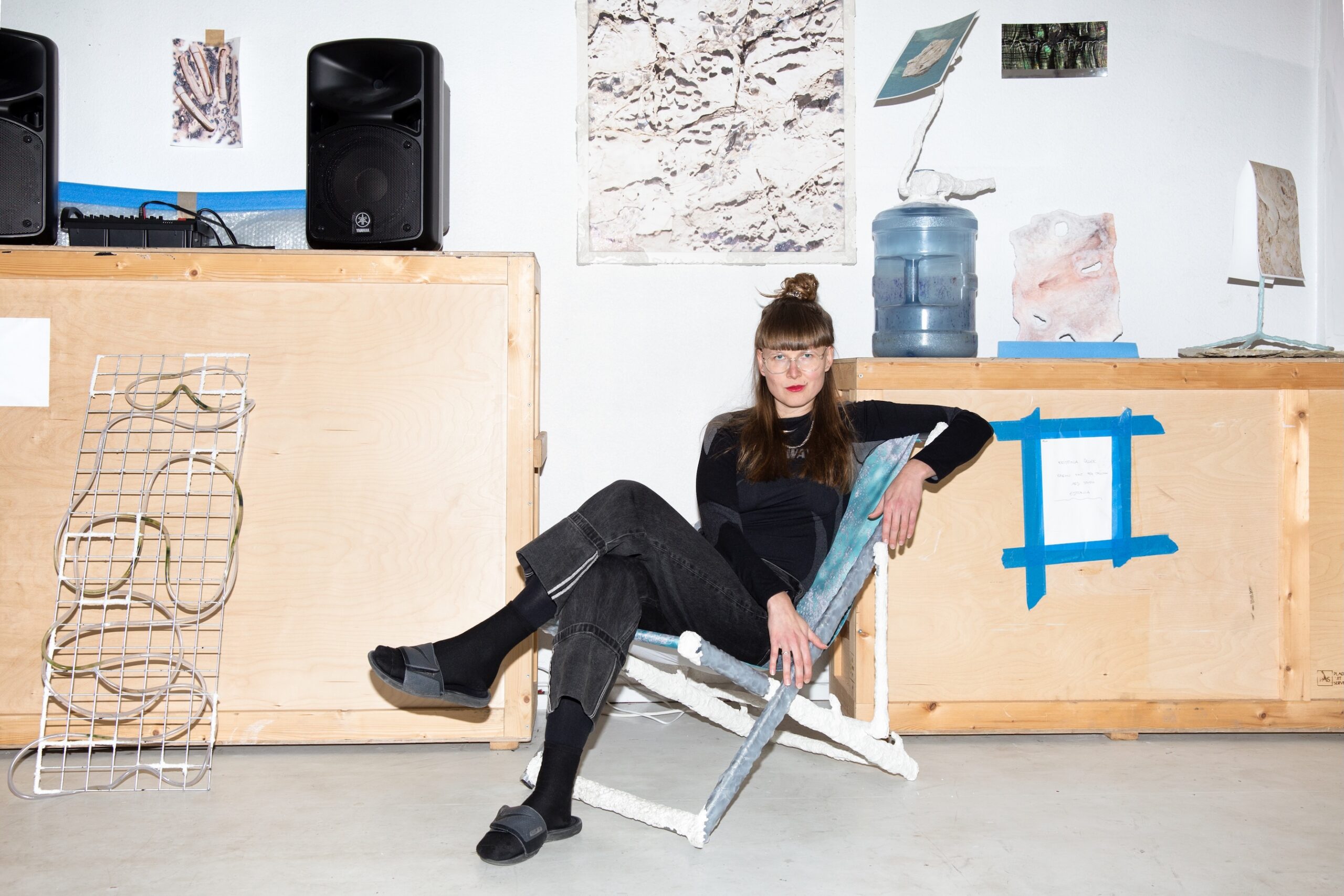
It is an intelligent pairing. Where Mägi transformed landscape into colour and emotion, Õllek approaches the environment through research, materiality and ecological anxiety. The two artists work a century apart, yet Saaremaa, the sea and the question of how humans see nature bind them together. In that sense, the exhibition is not only about restoring Mägi to view; it is also about extending the conversation he began.
Dulwich, the world’s first purpose-built public art gallery, has often framed its mission as “unlocking art”. In Mägi’s case, the phrase feels apt. British audiences are not simply being introduced to an unfamiliar painter; they are being invited to look again at the shape of European modernism itself – to see that some of its most original voices emerged not only from the great metropolitan centres, but also from places long treated as marginal.
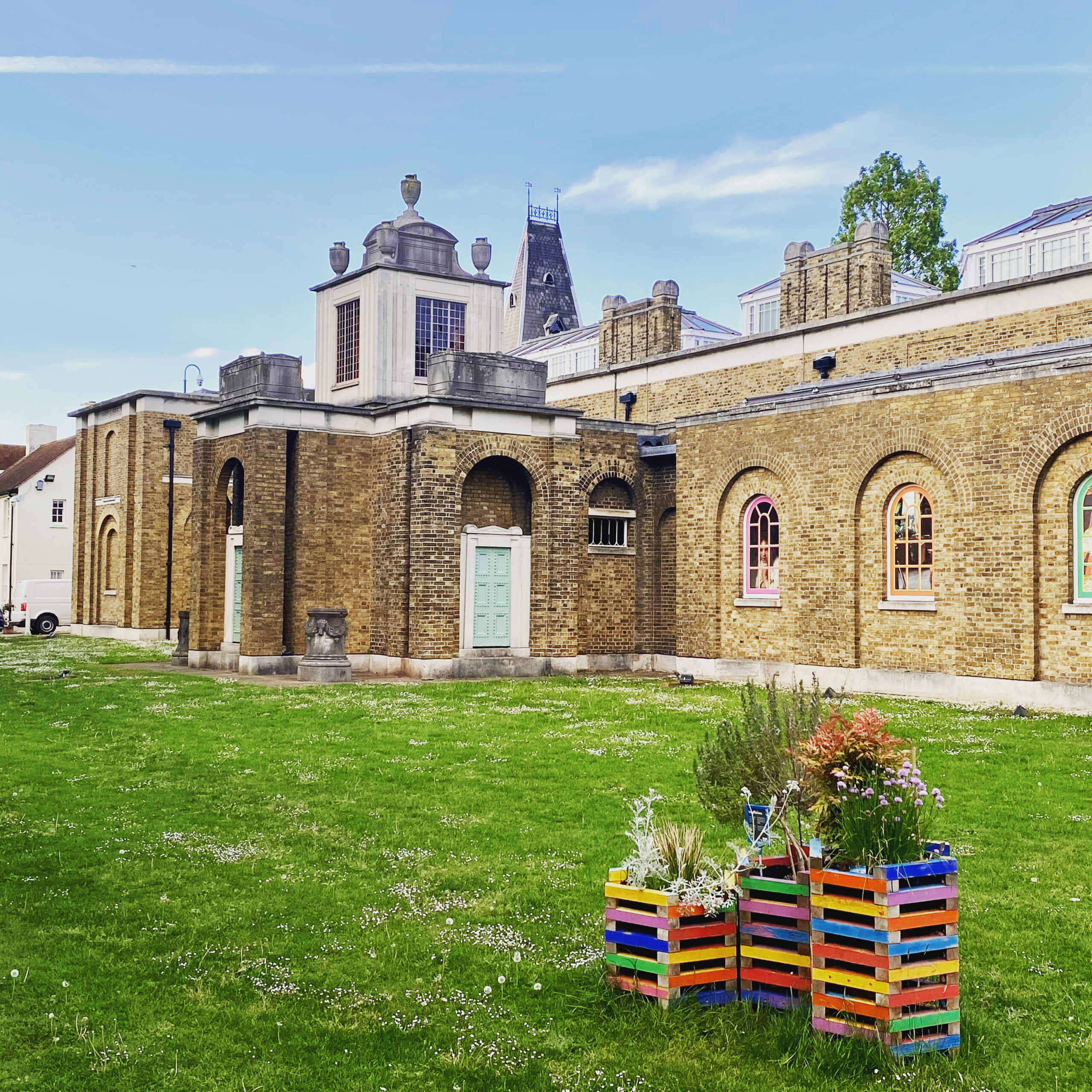
For Estonians, the exhibition carries an additional charge. Small nations are used to explaining themselves to the world. Their artists, writers and composers often reach international recognition later, and with greater effort, than their talent warrants. Mägi’s London debut is therefore more than an art-world event. It is a reminder that cultural history is not fixed; it can still be revised, reopened, made fairer.
And in Mägi’s case, it should be. His paintings still possess the rare power to stop a viewer in their tracks.
The Konrad Mägi exhibition runs at Dulwich Picture Gallery in London from 24 March to 12 July 2026.