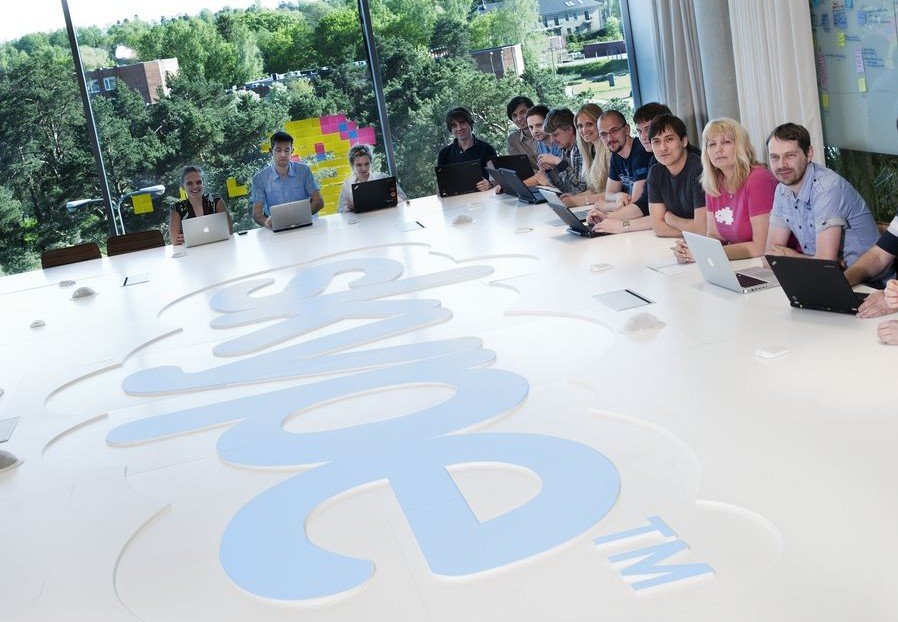
The Estonian government, together with private investors and several figures from the country’s early tech scene, is said to be exploring a plan to buy Skype back from Microsoft and turn it into a flagship project for Europe’s digital sovereignty.*
Estonia is preparing to buy Skype back from Microsoft and relaunch it as a secure European communications platform, according to sources familiar with the discussions.
The proposal, which is said to have been quietly developed over recent months, would position the iconic service as a European alternative to existing global platforms at a time when Brussels is talking ever more seriously about digital sovereignty and strategic autonomy.
Founded in 2003, Skype was the pioneering internet calling and video-chat service that made free international calls a normal part of everyday life. It went on to become one of Europe’s best-known technology success stories, with much of its original engineering work carried out in Estonia by figures including Jaan Tallinn, Ahti Heinla, Priit Kasesalu and Toivo Annus. Microsoft completed its acquisition of Skype in 2011, and the platform was ultimately retired in 2025 as the company shifted users to Teams.
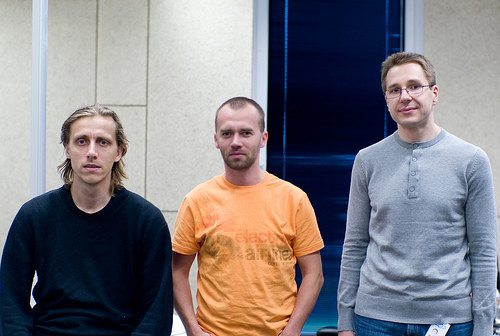
Despite its long decline, Skype remained central to Estonia’s startup mythology, helping to shape a generation of founders, engineers and investors often referred to as the country’s “Skype Mafia”.
Under the reported plan, Skype would be re-established in Tallinn as an independent European company, offering encrypted messaging, voice and video calls, as well as secure communications tools for governments, schools, universities and businesses.
One source close to the initiative said the idea had emerged from a simple question: if Europe wants sovereign digital infrastructure, why not start with the one platform it actually remembers fondly?
“Europe has spent years producing declarations about strategic autonomy,” the source said. “At some point, somebody had to suggest doing something mildly dramatic.”
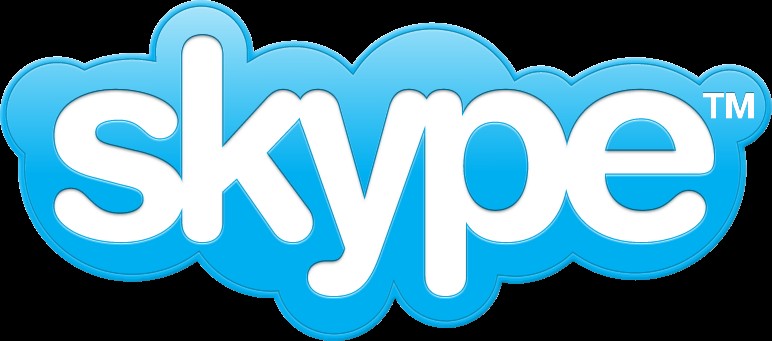
The project is said to have attracted quiet interest from several prominent figures connected to Skype’s early years, including its first employee Taavet Hinrikus, tech investor Sten Tamkivi, and founding engineers Jaan Tallinn and Ahti Heinla, although none would comment publicly on the reports.
According to insiders, the relaunched platform would initially focus on public-sector and professional users before expanding to consumers. Features under discussion reportedly include EU-based cloud hosting, secure cross-border calling and an optional “heritage mode” restoring Skype’s original ringtone.
A person familiar with the branding discussions said the premium institutional version may be launched under the name Skype Sovereign.
The Estonian government declined to comment directly, saying only that Estonia had long supported stronger European capacity in critical digital services. Microsoft has not commented on the speculation.
If the deal goes ahead, the company would reportedly be headquartered in Tallinn, with a product development and digital ethics centre in Tartu.
Unconfirmed reports suggest the first official sovereign European video call may begin with the words: “Can you hear me now?”
* This was Estonian World’s April Fools’ Day joke. Estonia is not buying Skype back from Microsoft, nor relaunching it as Europe’s sovereign platform.