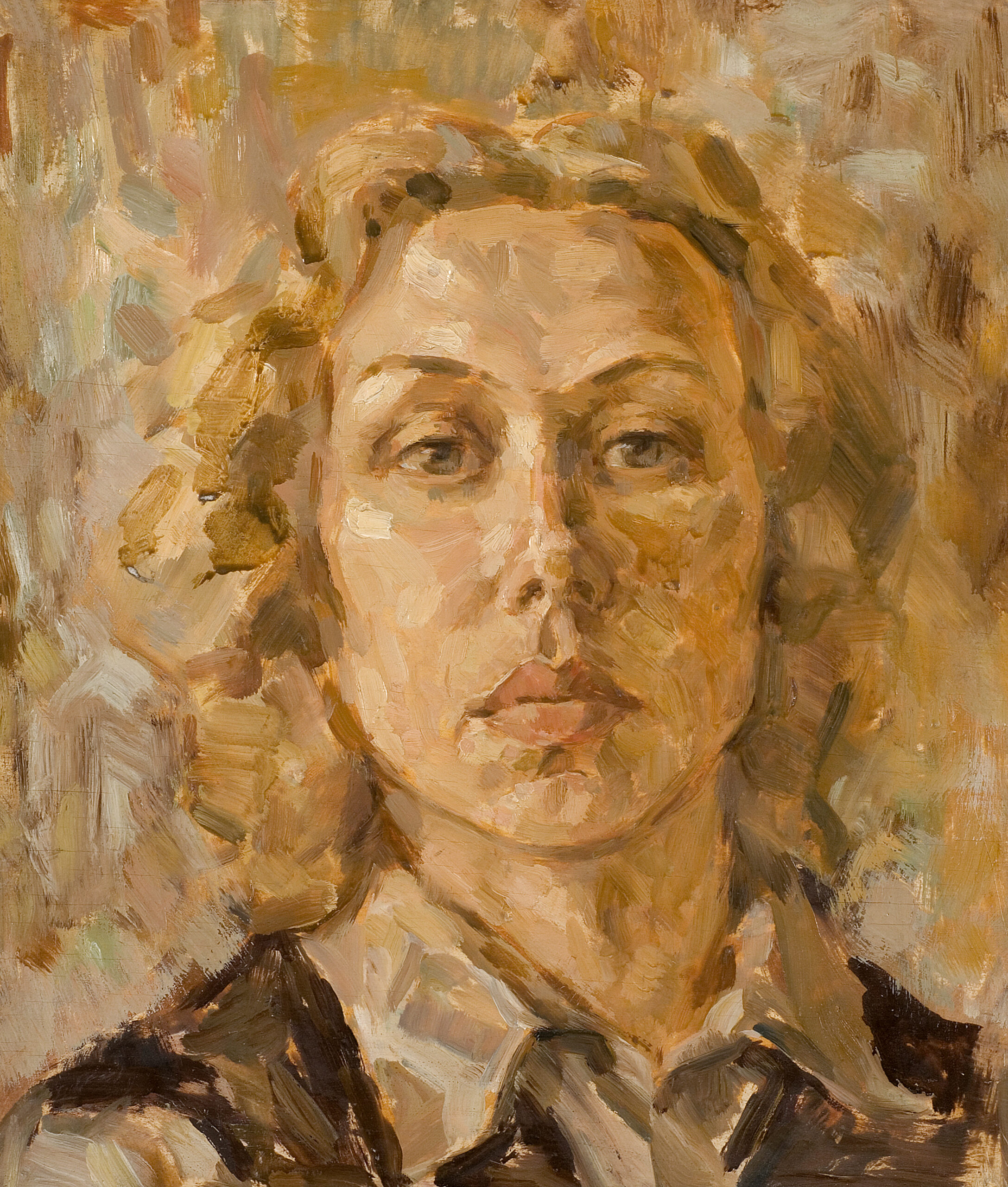
The Musée d’Art Moderne de Paris has opened a major exhibition of Estonian art, bringing together the work of Olga Terri, Anu Põder and Kris Lemsalu in a striking cross-generational show that introduces French audiences to nearly 90 years of Estonian artistic experience.
Titled Estonian Realities, the exhibition is a collaboration between the Art Museum of Estonia and the City of Paris Museum of Modern Art. Through the work of three women from different eras, it traces a long and complex journey in Estonian art history – from the anxieties of the 1940s to the freer, more performative language of contemporary art.
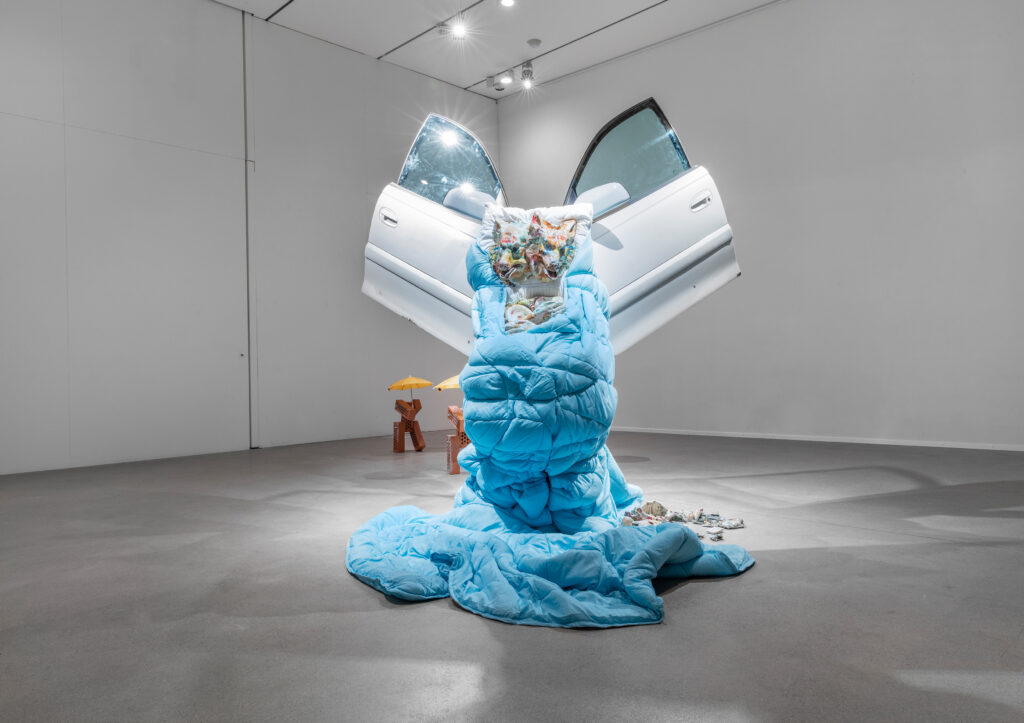
The exhibition features works by Olga Terri and Anu Põder from the collections of the Art Museum of Estonia, the Tartu Art Museum and Anu Põder’s Estate. Also on display are Kris Lemsalu’s installation Gar2Go (2016) from the Centre Pompidou collection, as well as the artist’s latest works.
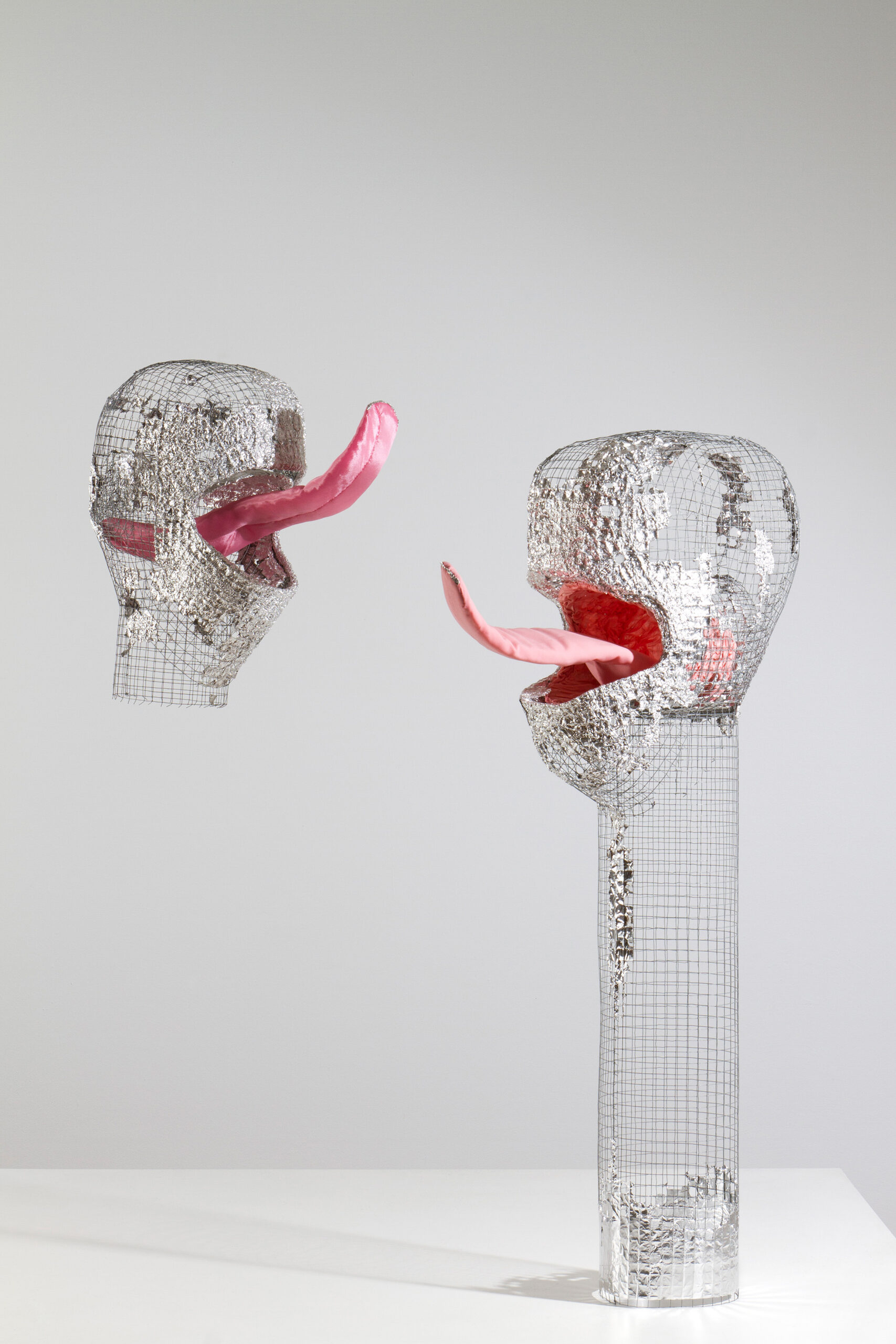
According to the exhibition’s curator, Jean-Baptiste Delorme, the project grew out of a desire to introduce Põder’s work to the French public. He said her art remains deeply relevant today because it is both restrained and powerful, and because it confronts the uncertainty of existence without compromise.
Delorme noted that the works of Terri and Lemsalu connect organically with Põder’s practice, allowing the exhibition to bring together three highly personal artistic visions rather than imposing a single overarching narrative. That, he suggested, gives the show an intimate dimension.
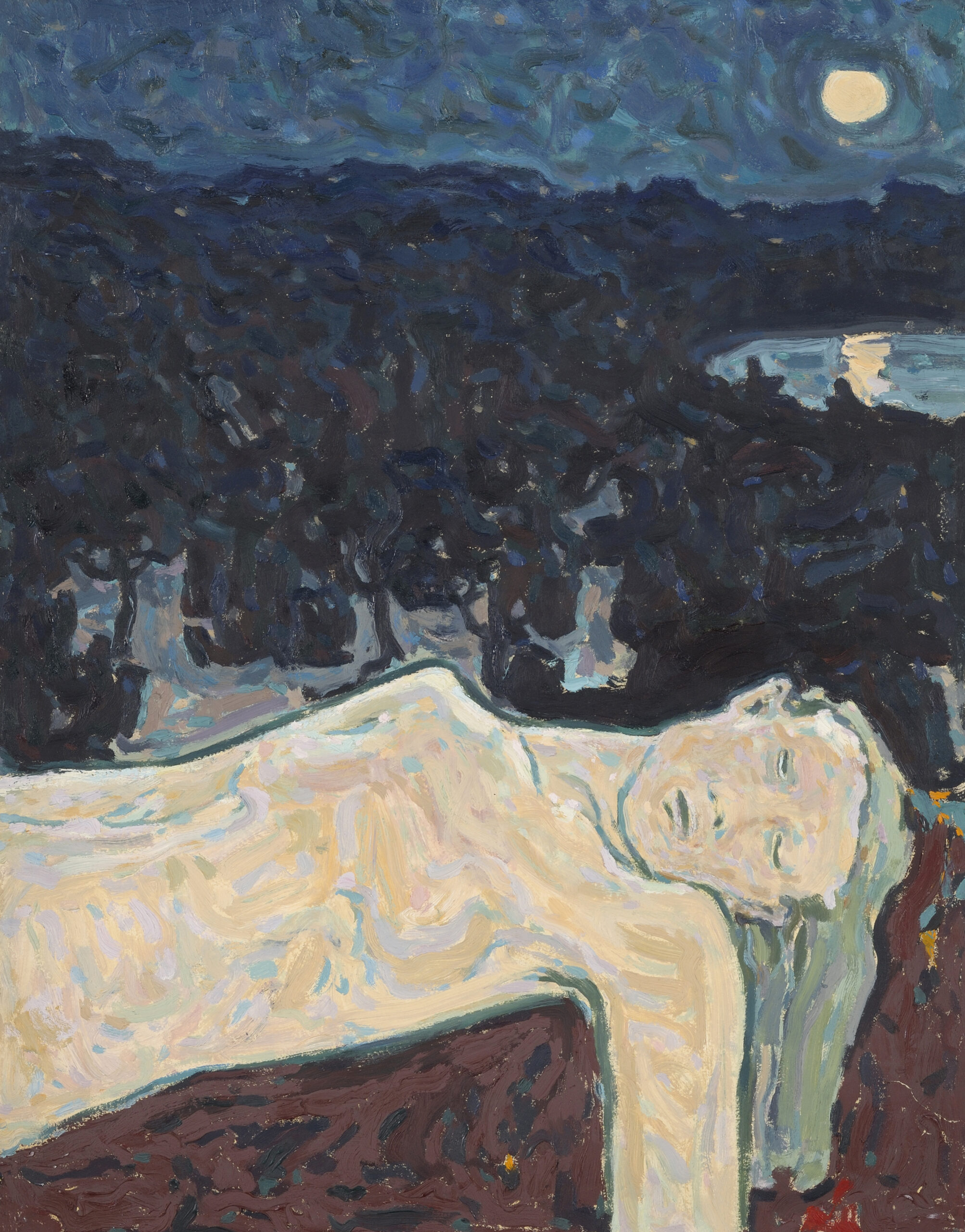
For Sirje Helme, the director general of the Art Museum of Estonia, the exhibition also opens a window onto a period of Estonian art history that is not always easy for western Europeans to grasp. The works of Terri, Põder and Lemsalu, she said, reflect different contexts, tensions and fears across decades shaped by war, ideology and, eventually, artistic freedom.
Olga Terri (1916–2011), who studied graphics and painting, was known for works that captured the unease of her era before developing a stronger painterly style and sharper colour contrasts. In the 1960s and 1970s, she stood out for figurative compositions and portraits marked by psychological depth.
Anu Põder (1947–2013) became one of Estonia’s most distinctive sculptors and installation artists, experimenting with materials ranging from plaster and textiles to light and scent. Her works often drew on everyday surroundings while emphasising fragility, presence and transience.
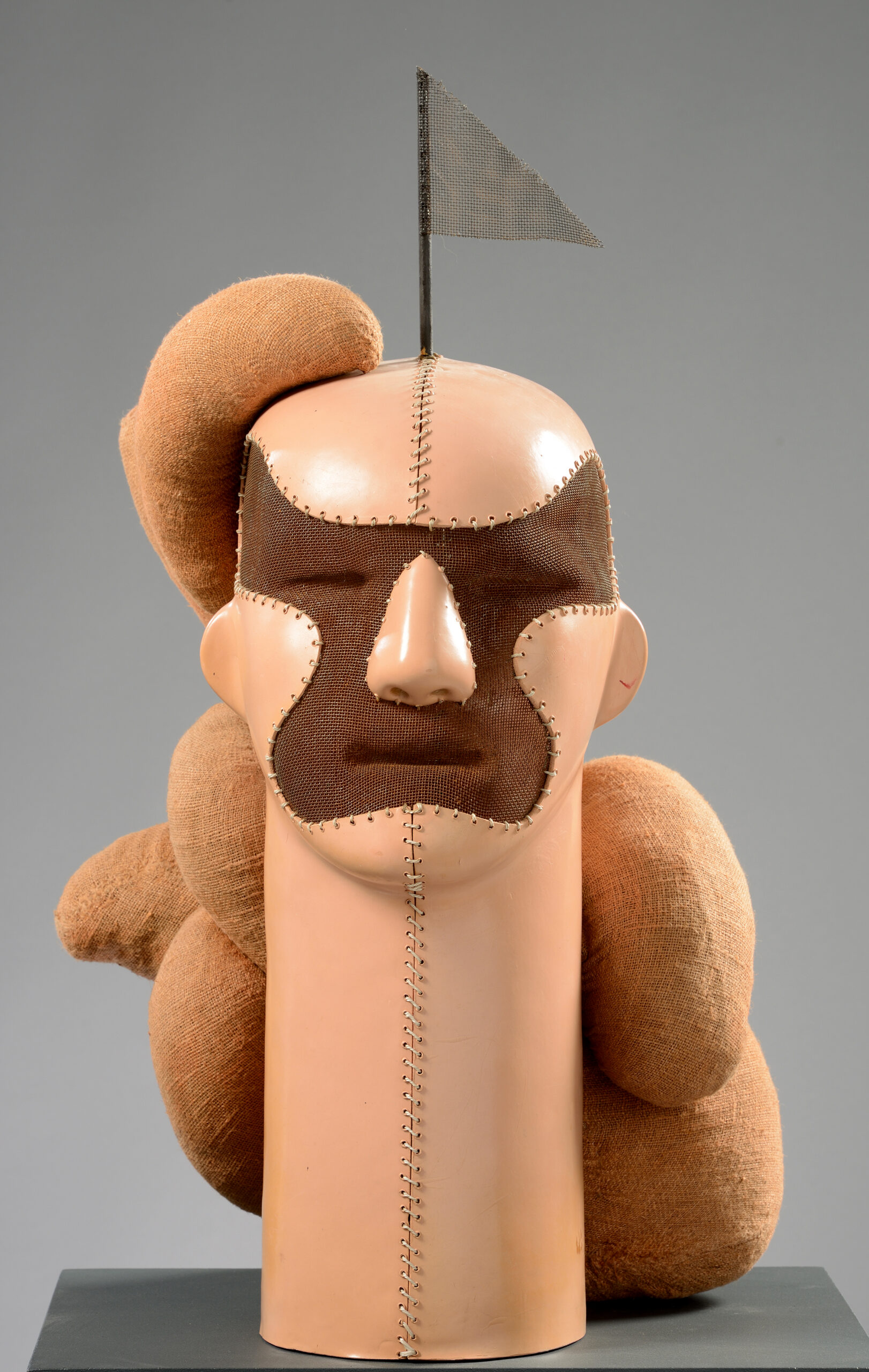
Kris Lemsalu (born 1985), one of Estonia’s best-known contemporary artists internationally, combines ceramics with materials such as textiles, fur and silicone. Her visually bold and symbolic works often explore themes of life, death and love through irony and performativity.
The exhibition is accompanied by a French-language book published by the Art Museum of Estonia and edited by Delorme, with contributions by Eda Tuulberg of Kumu Art Museum and Alicia Knock of the Centre Pompidou.
Held at the Musée d’Art Moderne de Paris, located in the east wing of the Palais de Tokyo, Estonian Realities will remain open until 19 July 2026.