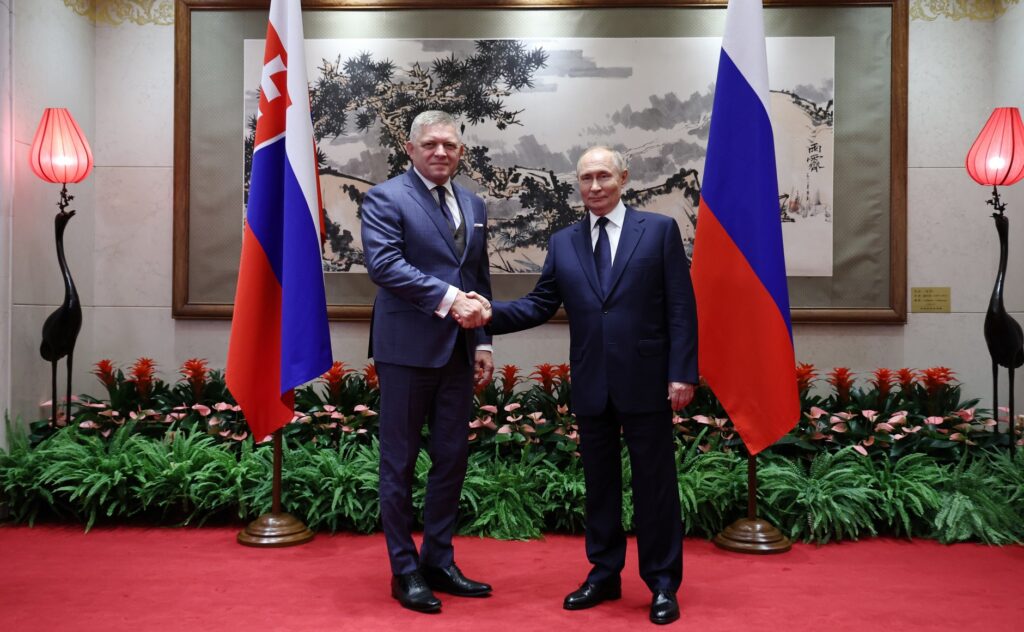
Estonia will not allow Slovak prime minister Robert Fico to use its airspace for a flight to Moscow to attend Russia’s 9 May military parade, foreign minister Margus Tsahkna has said.
“Fico will once again not receive permission to use Estonian airspace for a flight to Moscow to attend the 9 May parade, an event aimed at glorifying the aggressor. We denied this last year, and the same principle applies now,” Tsahkna said.
He added that Estonia’s position is clear: no country should be allowed to use Estonian airspace to strengthen ties with Russia while Moscow continues its war against Ukraine and undermines European security.
According to Tsahkna, Estonia follows a common procedure for landing and overflight permits for official visits involving EU and NATO member states, but this does not apply when Estonian airspace would be used for travel to Russia.
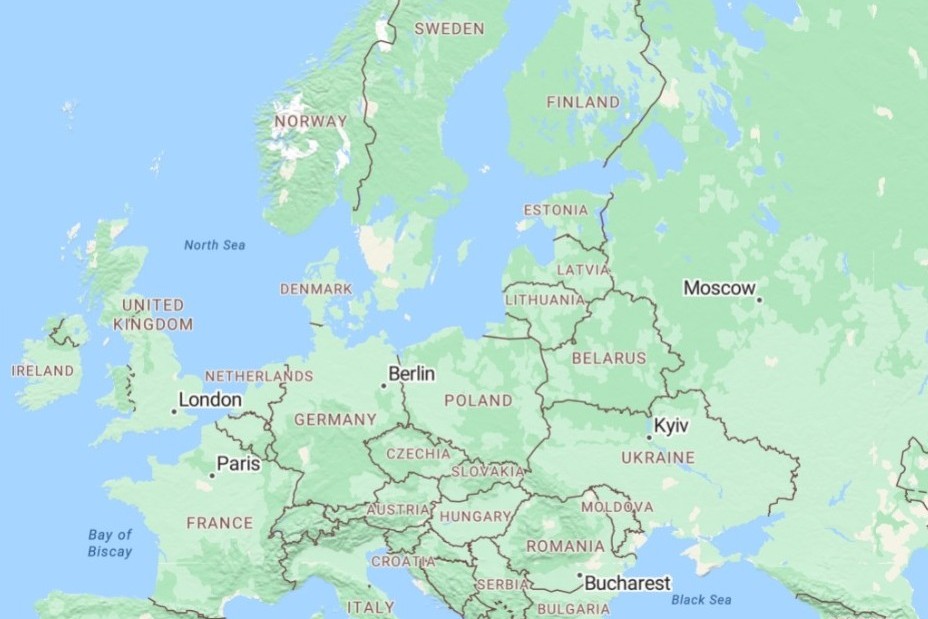
The announcement came after Fico said that Lithuania and Latvia had also refused to allow his aircraft to cross their airspace on the way to Moscow for the Victory Day commemorations. In a social media post, the Slovak prime minister criticised the decision, arguing that EU member states were preventing the leader of another EU country from flying through their territory.
Fico has remained one of the most Russia-friendly leaders in the European Union. Last year, he travelled to Moscow for the Victory Day events despite calls from senior European officials, including EU foreign policy chief Kaja Kallas, to boycott the parade.
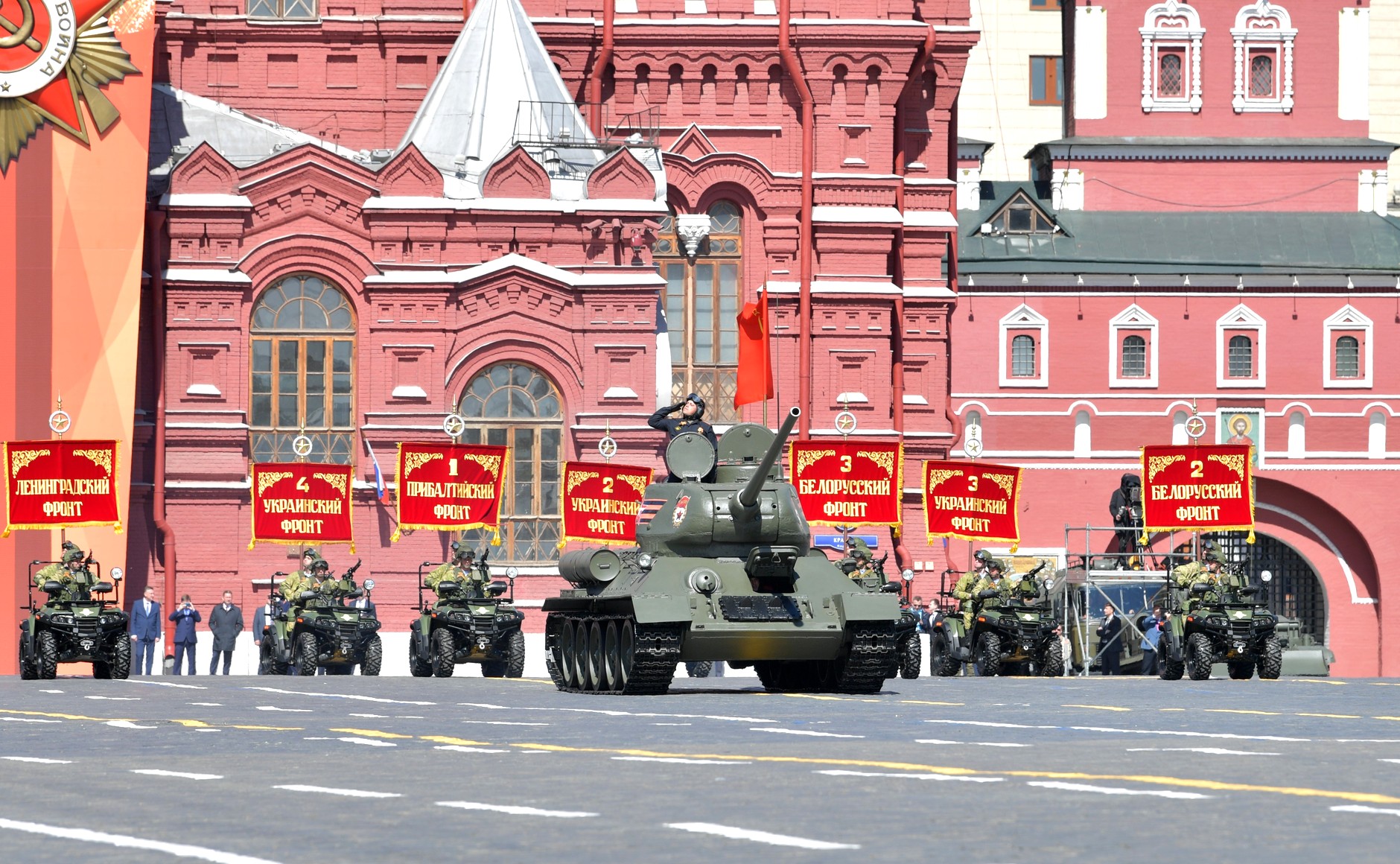
Russia marks 9 May with large-scale military parades commemorating the end of the Second World War in Europe. While most European countries observe the end of the war on 8 May and celebrate Europe Day on 9 May, the Kremlin has increasingly used the occasion to promote its own wartime narrative and project military power.
Fico said he would seek an alternative route to Moscow, as he did last year after Estonia denied similar access.
The issue comes at a sensitive moment in European politics. Both Slovakia and Hungary have repeatedly opposed stronger EU measures in support of Ukraine, and Slovak officials have signalled they may block further sanctions on Russia unless Bratislava’s energy interests are protected.
Estonia’s decision nevertheless leaves little room for ambiguity: its airspace will not be used for a journey to an event that Tallinn sees as serving the political interests of the Kremlin.