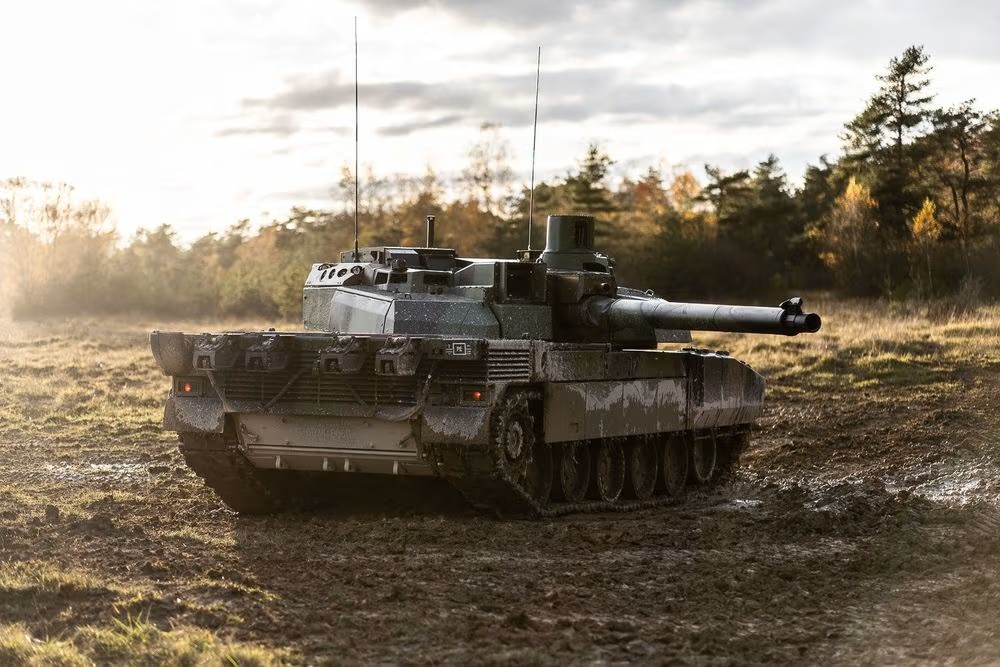
The Estonian energy storage company, Skeleton Technologies, is working with defence companies in Spain, Portugal and France on technologies for counter-drone systems, interceptors, autonomous defence platforms and military vehicles.
Skeleton is moving further into Europe’s fast-growing defence technology sector, linking its power systems with counter-unmanned aircraft, interceptor, autonomous military and armoured vehicle technologies.
Founded in 2009, Skeleton is an Estonian company specialising in high-power energy storage based on supercapacitors and other advanced energy storage technologies.
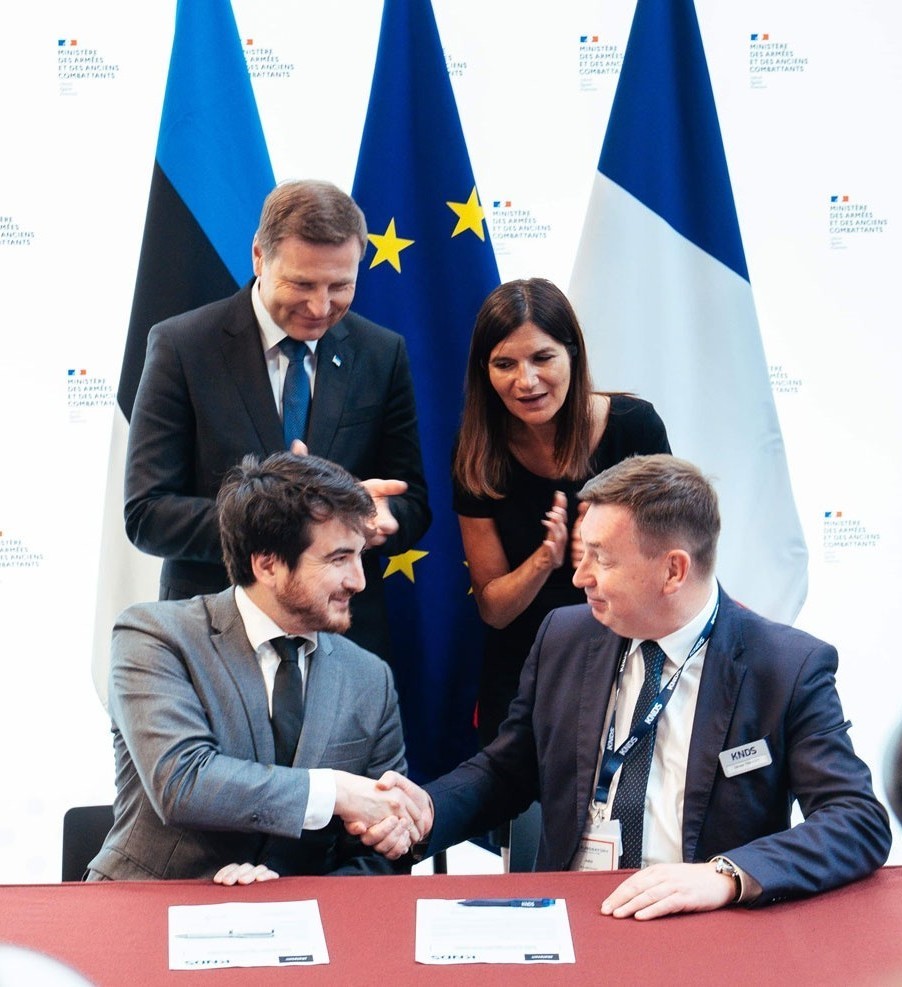
The Estonian company announced three partnerships at the Eurosatory 2026 defence exhibition in Paris: one with GDELS Santa Barbara Sistemas, the Spanish arm of General Dynamics European Land Systems; another with Tekever, a Portuguese company specialising in AI-based autonomous systems; and a third with KNDS France, one of Europe’s major land defence companies.
The collaborations come as the war in Ukraine has turned drones, counter-drone systems, autonomous platforms and rapid battlefield adaptation into central questions for European defence planners. For Estonia and NATO’s eastern flank, the ability to detect, track and stop unmanned aircraft, while also modernising military mobility and armoured platforms, has become a practical security requirement, not a future concept.
Powering the last layer of air defence
Skeleton’s role is in the power systems behind these technologies. Its systems are designed to deliver very rapid bursts of high current, which can be needed for the launch, acceleration and manoeuvring of interceptor systems. The company says this gives an advantage in applications where conventional batteries may be too slow, heavy or limited under extreme conditions.
With GDELS-SBS, Skeleton will work on integrating its power systems into military mobility platforms for counter-drone and interceptor technologies. The companies say the aim is to support compact and responsive last-layer air defence systems – the kind designed to stop drones and other aerial threats close to troops, vehicles or critical infrastructure.
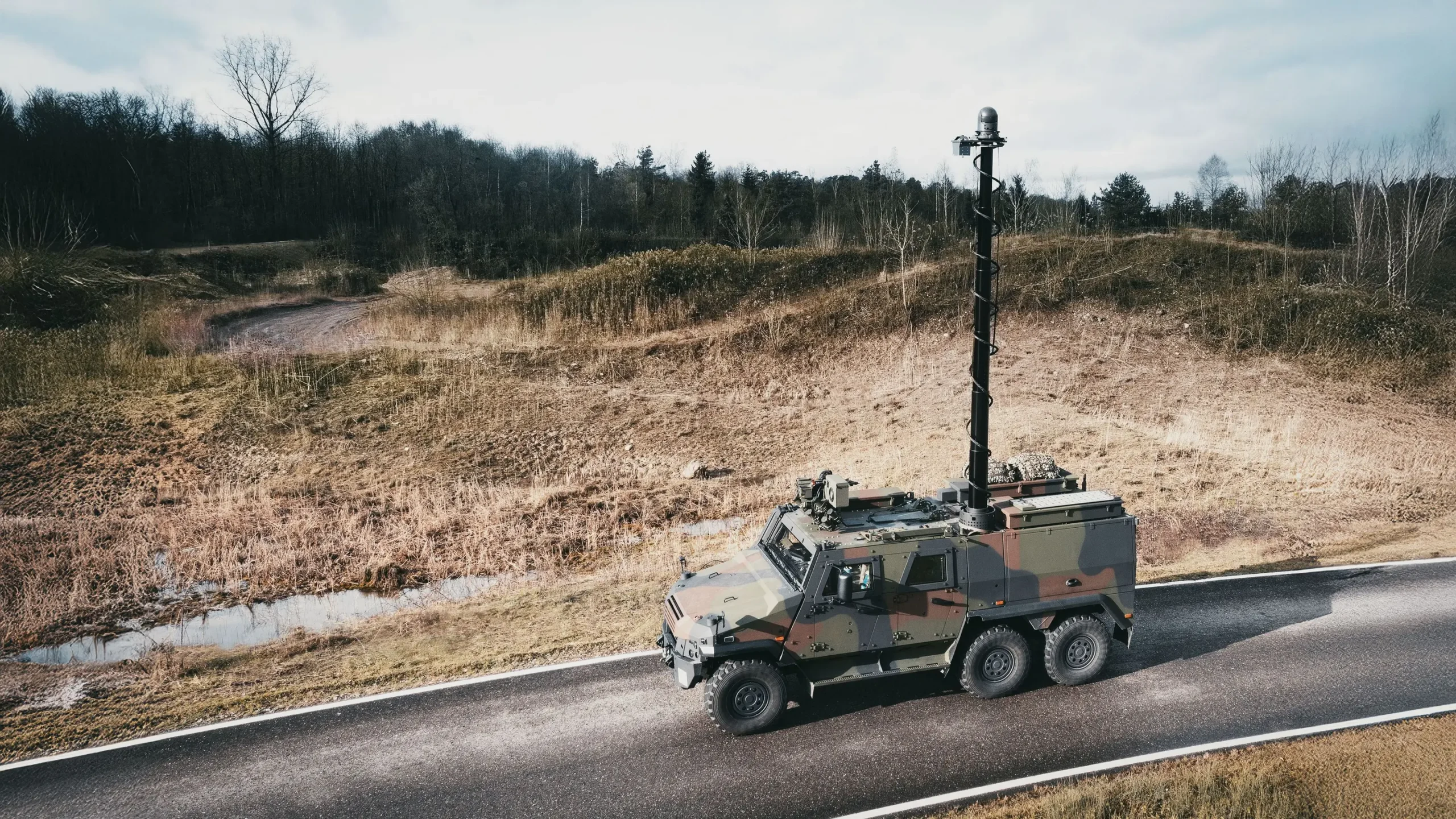
Taavi Madiberk, the chief executive and co-founder of Skeleton, said drone threats had made counter-UAS “one of the most urgent operational requirements for NATO’s eastern flank”.
Victor López, the director of international business and services at GDELS-SBS, said power systems capable of reacting in milliseconds were becoming part of multi-layer counter-drone defence.
Linking Estonia to Europe’s autonomous defence networks
The second partnership, with Tekever, broadens the focus from counter-drone systems to autonomous and aerospace technologies. The companies will explore advanced power systems for autonomous platforms, sensing, space-related capabilities, edge computing, defence AI and dual-use technologies.
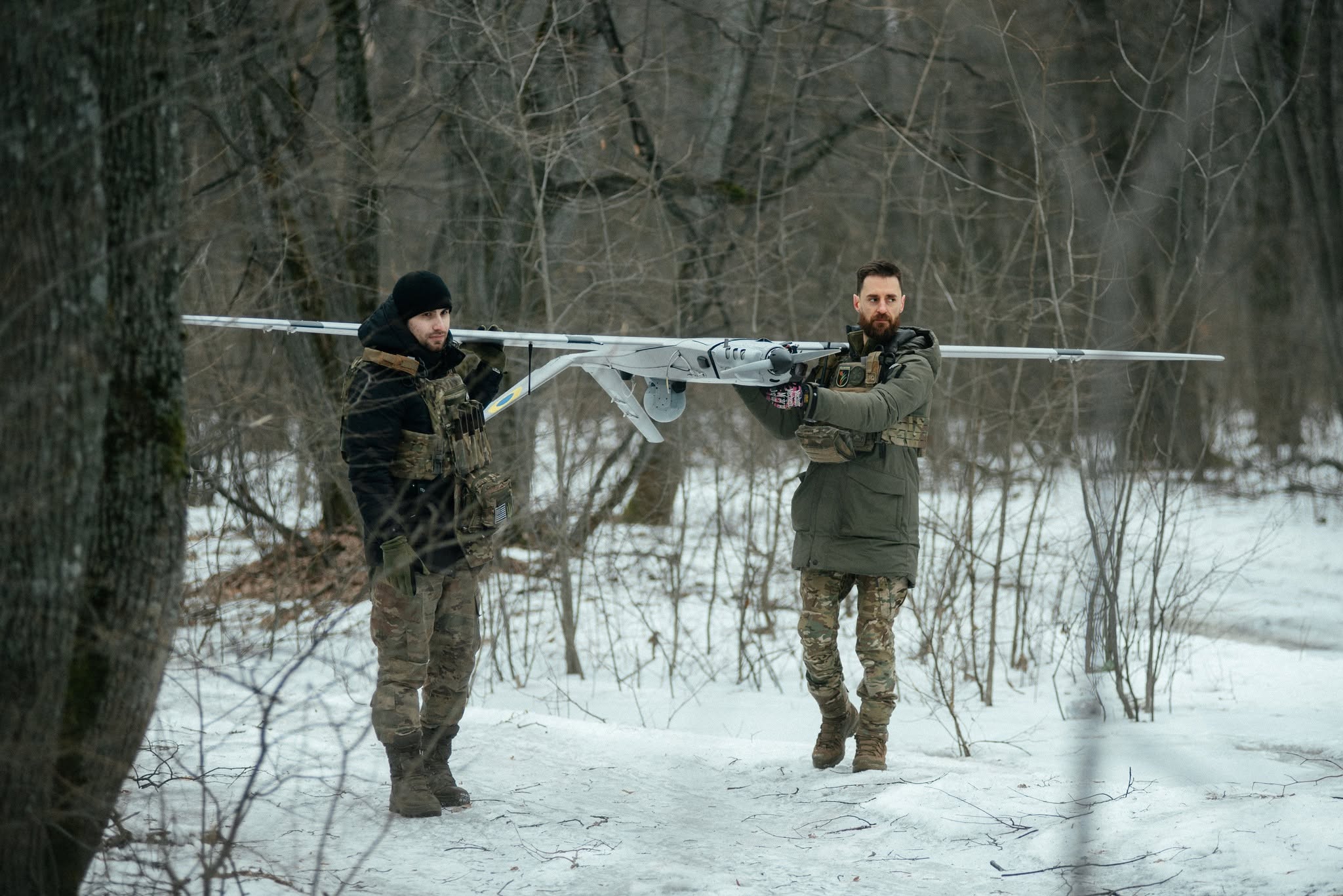
Tekever has recently opened its first office in Tallinn, giving the Portuguese company a foothold in Estonia’s defence and technology sector. Its work with Skeleton also connects Estonia with defence innovation networks in Portugal, France and the United Kingdom.
Skeleton and Tekever are also looking at possible cooperation in France, including around the Toulouse aerospace ecosystem. Skeleton has a defence hub in France, while Tekever has been expanding its investment plans there.
The third collaboration, with KNDS France, focuses on advanced military vehicle platforms for NATO militaries and their allies. KNDS France is the French arm of KNDS, a European land-defence group formed from Germany’s Krauss-Maffei Wegmann and France’s Nexter, specialising in military vehicles, artillery systems and related defence technologies.
Skeleton said it had been in advanced technical discussions with KNDS France on potential joint projects linked to the French company’s core product portfolio. These could include power systems for 40 CT medium-calibre remote weapon systems and development capabilities for main battle tanks.
Hanno Pevkur, Estonia’s defence minister, said during Eurosatory that Estonia’s partnership with France increasingly covered the defence industry, procurement, innovation and capability development, as well as military cooperation.