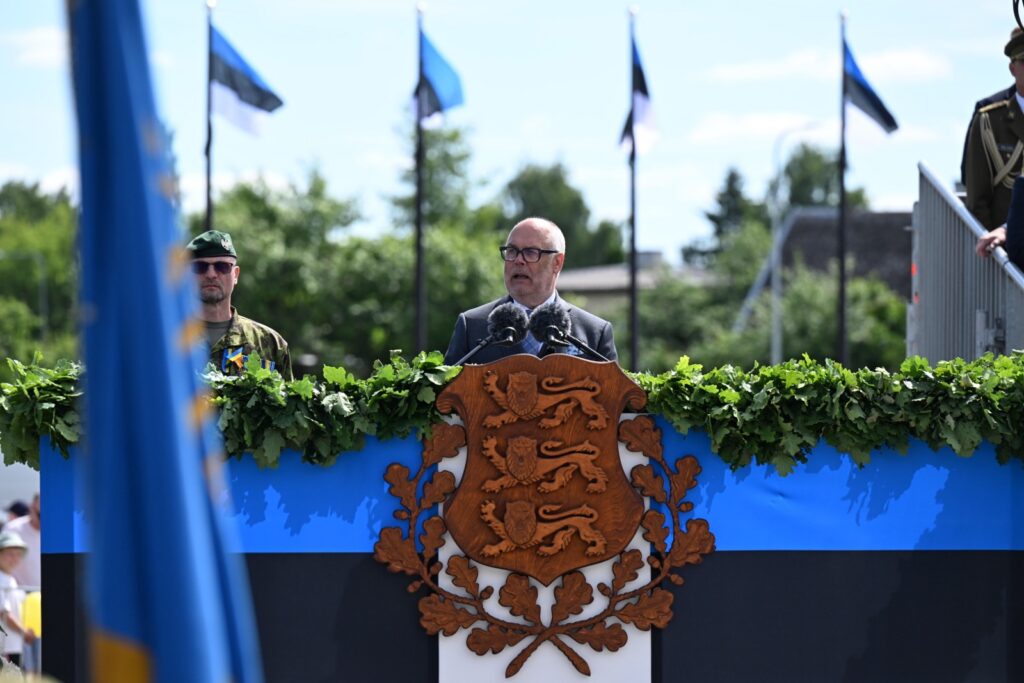
President Alar Karis has announced he will not stand for a second term, throwing Estonia’s presidential race wide open and prompting opposition parties to accuse the governing coalition of forcing out a head of state who enjoyed broad public trust.
Karis made the announcement on 23 June in the Estonian town of Rapla, during his speech at Estonia’s Victory Day parade, saying it would be the final time he addressed the nation as head of state on the occasion.
“Dear people of Estonia, as the head of state I wish you a happy Victory Day and a joyful Midsummer Eve for the last time,” Karis said.
Speaking afterwards to ERR, Estonia’s public broadcaster, Karis said the decision had been made long before its public announcement and had not been prompted by recent political events.
“This decision was not made today, nor a month ago, nor even a couple of years ago,” Karis said. “The question was always when to make it public so that it would not interfere with day-to-day work.”
He said his reasons were personal, adding that he had promised his family when he took office in 2021 that he would serve only one term.
“One reason is certainly that when I took office, I promised my family that it would be one term,” he said.
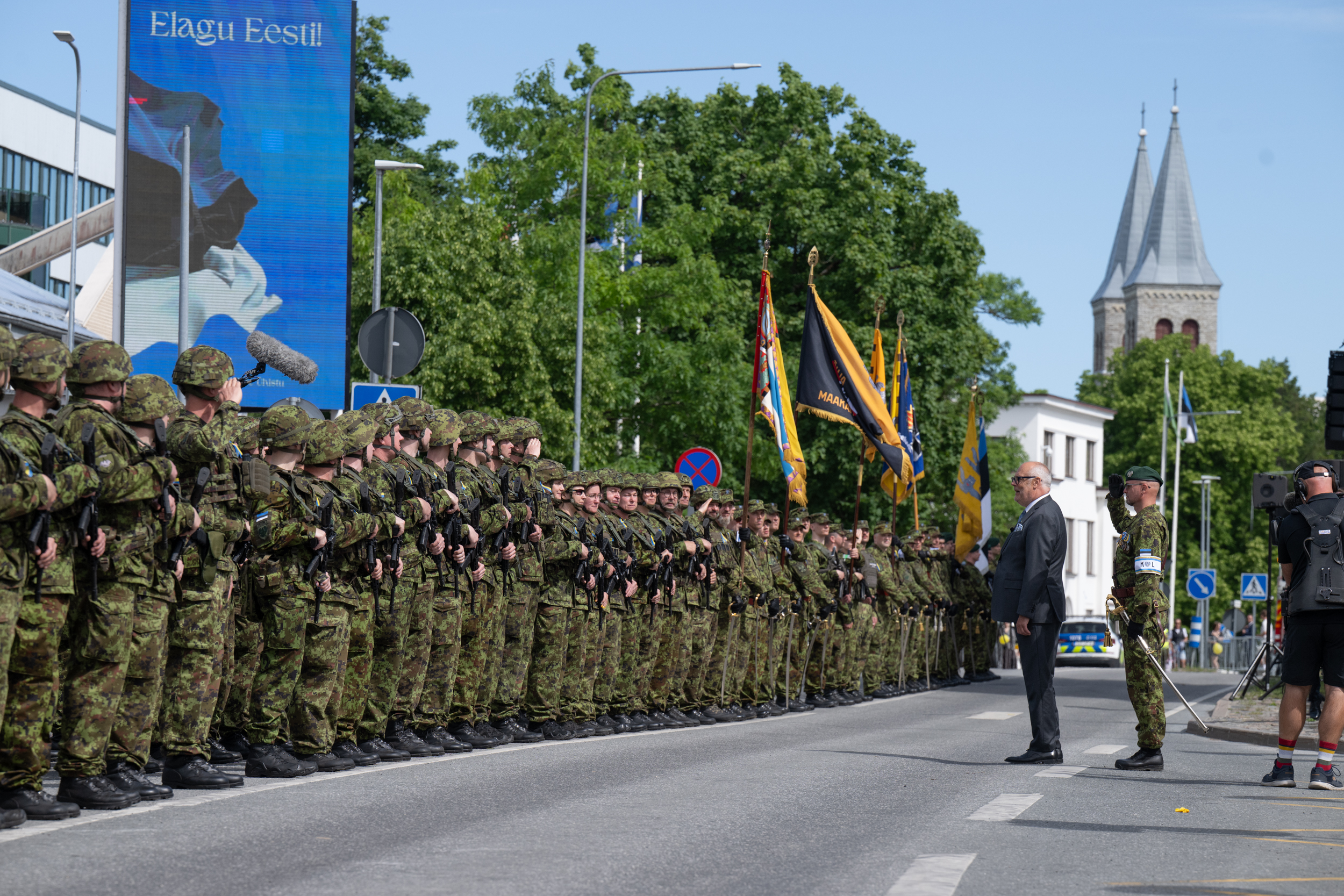
The announcement ends months of speculation over whether Karis, a former rector of the University of Tartu and director of the Estonian National Museum, would seek re-election. It also leaves Estonia’s parliamentary parties facing a compressed political timetable before the Riigikogu convenes to elect the next president on 2 September.
A popular president steps aside
Karis said that what he would remember most from his presidency were his meetings with ordinary people.
“I think it is the meetings with people that will stay with me,” he said. “I am very grateful for the high level of trust that the people of Estonia have placed in me and certainly also to those politicians who were ready to support me had I decided to stand.”
Although the presidency in Estonia is largely ceremonial, the head of state plays an important constitutional role and can influence public debate, particularly on foreign policy, defence, national unity and the health of democratic institutions.
In his parting advice to the next president, Karis struck a note of civic restraint.
“Internal peace is perhaps even more important than worrying about an external enemy,” he said. “Today we saw many people here, both young and old, who are ready to defend our country – or rather, to prevent anyone from wanting to attack us in the first place. If we are able to remain calm at home, be courteous to one another, listen to other people and understand them, then I think things will be a little easier.”
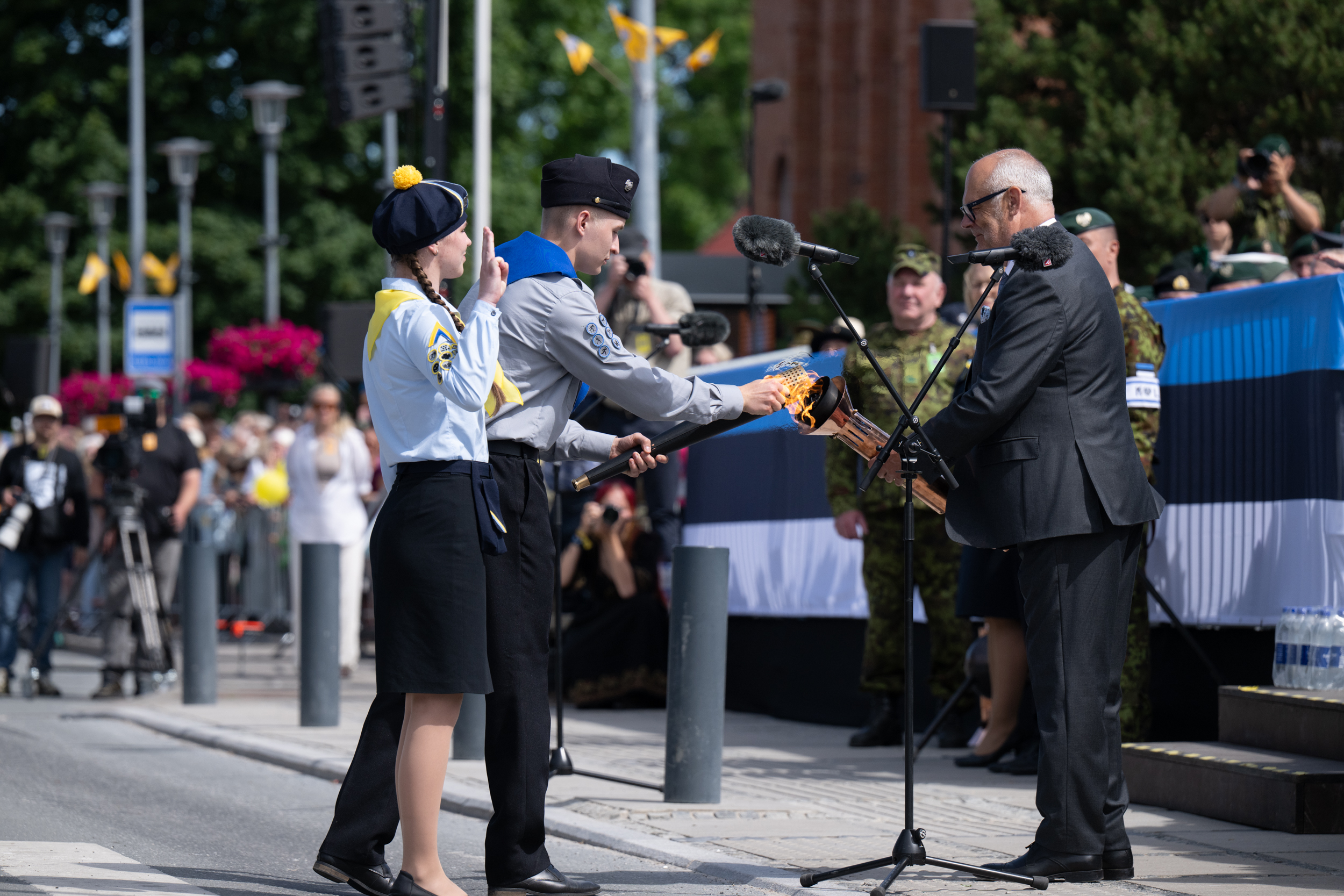
Until now, Karis had received public support for a second term from the Centre Party and the centre-right party Isamaa. Eesti 200, a member of the governing coalition, had declared that it would not back him. The Reform Party and the Social Democratic Party had remained hesitant. EKRE, the Conservative People’s Party of Estonia, has named its deputy chairman, former interior minister Mart Helme, as its preferred candidate.
Opposition accuses coalition of political intrigue
Karis’s withdrawal was swiftly seized upon by opposition leaders, who portrayed the decision as the result of sustained pressure from the parties in power.
Mihhail Kõlvart, chairman of the Centre Party, said Karis had been pushed out by political manoeuvring.
“The political intrigues woven by parties in power with less than 15 per cent support have created a situation in which a president with 70 per cent public support has decided not to continue in office,” Kõlvart wrote on social media. “The president certainly has serious reasons for this, but it is undoubtedly sad news for all of Estonia.”
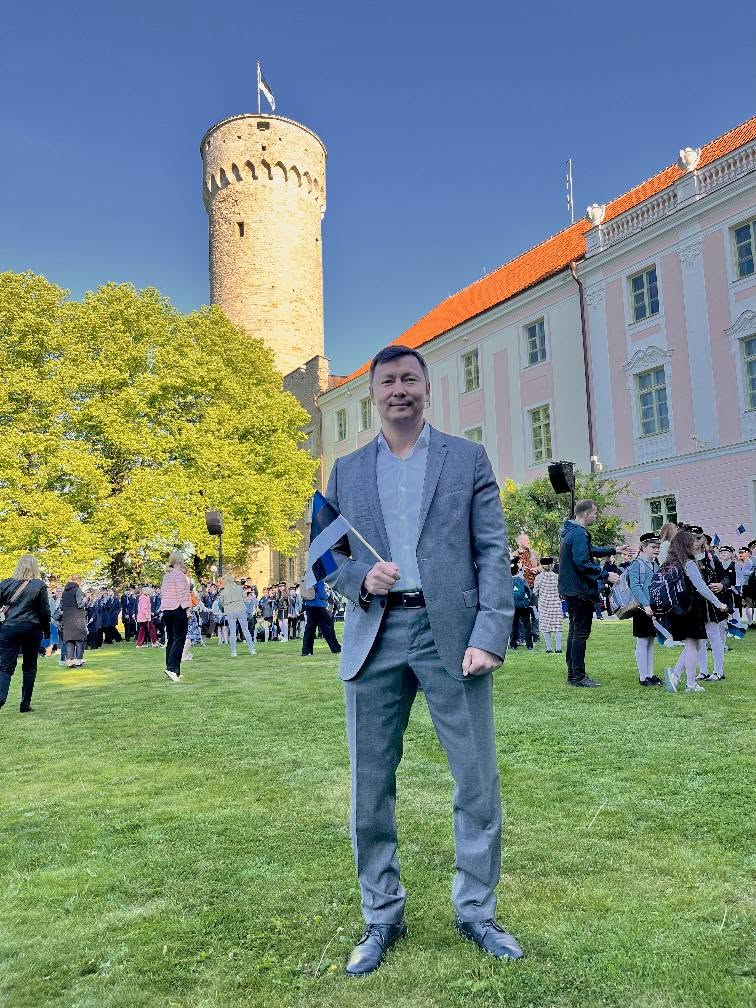
Kõlvart said Estonia now needed a candidate capable of uniting society and safeguarding the constitutional order, a role he said Karis had fulfilled.
“The president is not the ideological extension of any party or worldview, but must be a unifier and representative of the people,” he said. “The presidential election must be dignified not only in terms of the person of the candidate, but also in terms of the entire election process.”
He criticised what he described as the discrediting of the incumbent president by the governing coalition, the public discussion of possible new candidates without their consent and remarks by a government member suggesting the next president should act as a political counterweight to a future government.
Urmas Reinsalu, chairman of Isamaa, made a similar argument, saying Karis’s decision was the result of months of pressure from the governing parties.
Reinsalu said he had spoken to Karis on the morning of the announcement.
“We had a conversation in the morning, in which he thanked the Isamaa party for its support for his re-election,” Reinsalu wrote.
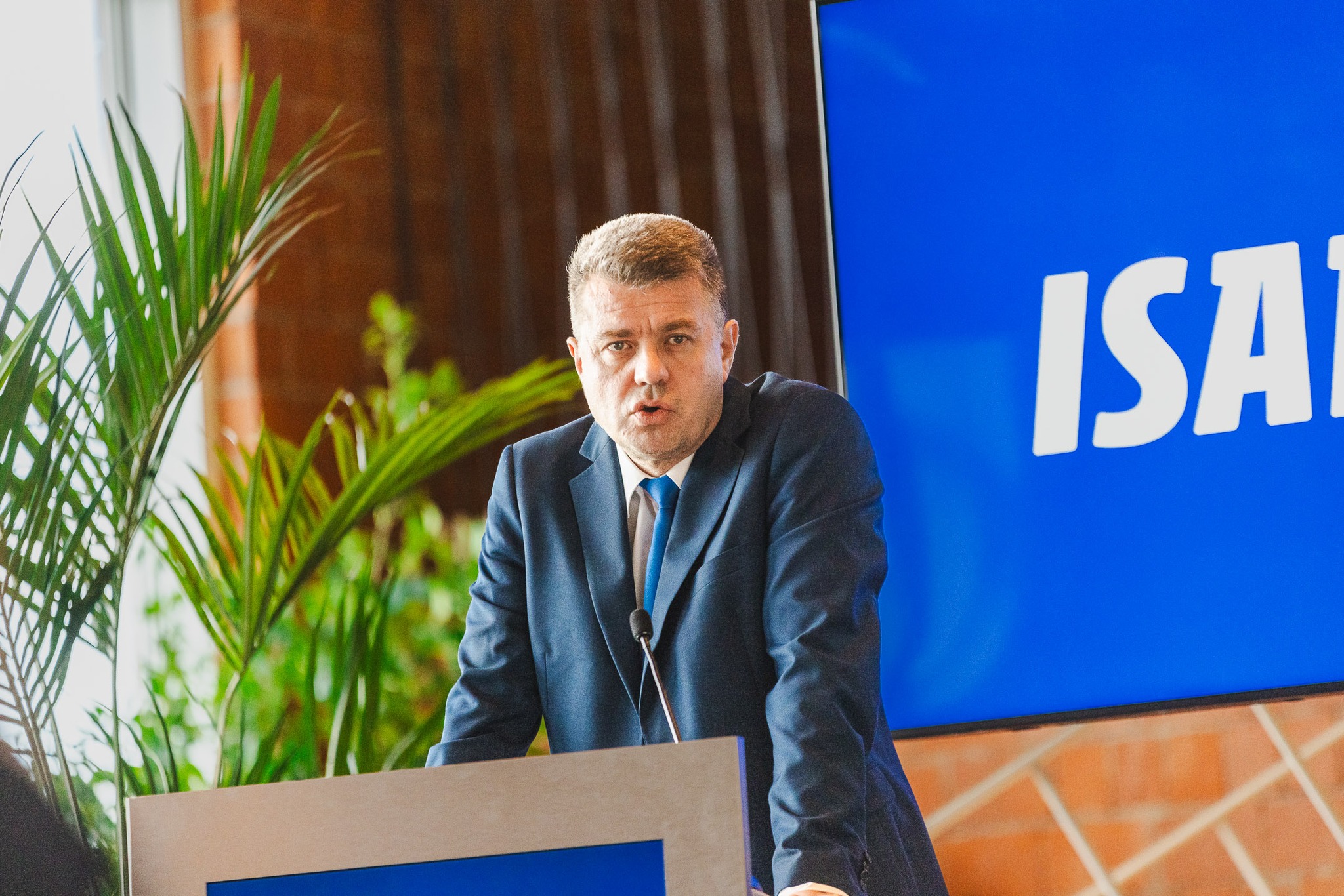
According to Reinsalu, negotiations between the parties over a possible presidential candidate had already reached a deadlock months earlier. He recalled that at the only joint meeting of parliamentary parties, held on 26 February, none had ruled out supporting Karis.
“That was merely a smokescreen for the governing parties to gain time,” Reinsalu said.
He claimed that pressure on Karis had first been applied behind the scenes and later in public.
“Eesti 200 announced its opposition, and the prime minister, on behalf of the Reform Party, publicly withdrew support. At the same time, independent MPs were being influenced behind the scenes,” Reinsalu alleged.
The Isamaa leader said the governing parties had been unwilling to support a president with strong public backing because Karis was too independent.
“Ahead of the parliamentary elections, they seem to be driven above all by the desire to use today’s votes to install a president who reflects their own attitudes,” Reinsalu wrote. “This is in no way a path out of the crisis of trust.”
Government parties prepare search for a new candidate
The prime minister, Kristen Michal, of the Reform Party, said Karis’s decision gave the parliamentary parties an opportunity to search for a suitable candidate. He said discussions would begin after the Midsummer holidays.
According to Michal, it had been clear for some time that Karis did not have sufficient support among the parliamentary parties to continue. He said he had not discussed Karis’s possible candidacy with the president personally.
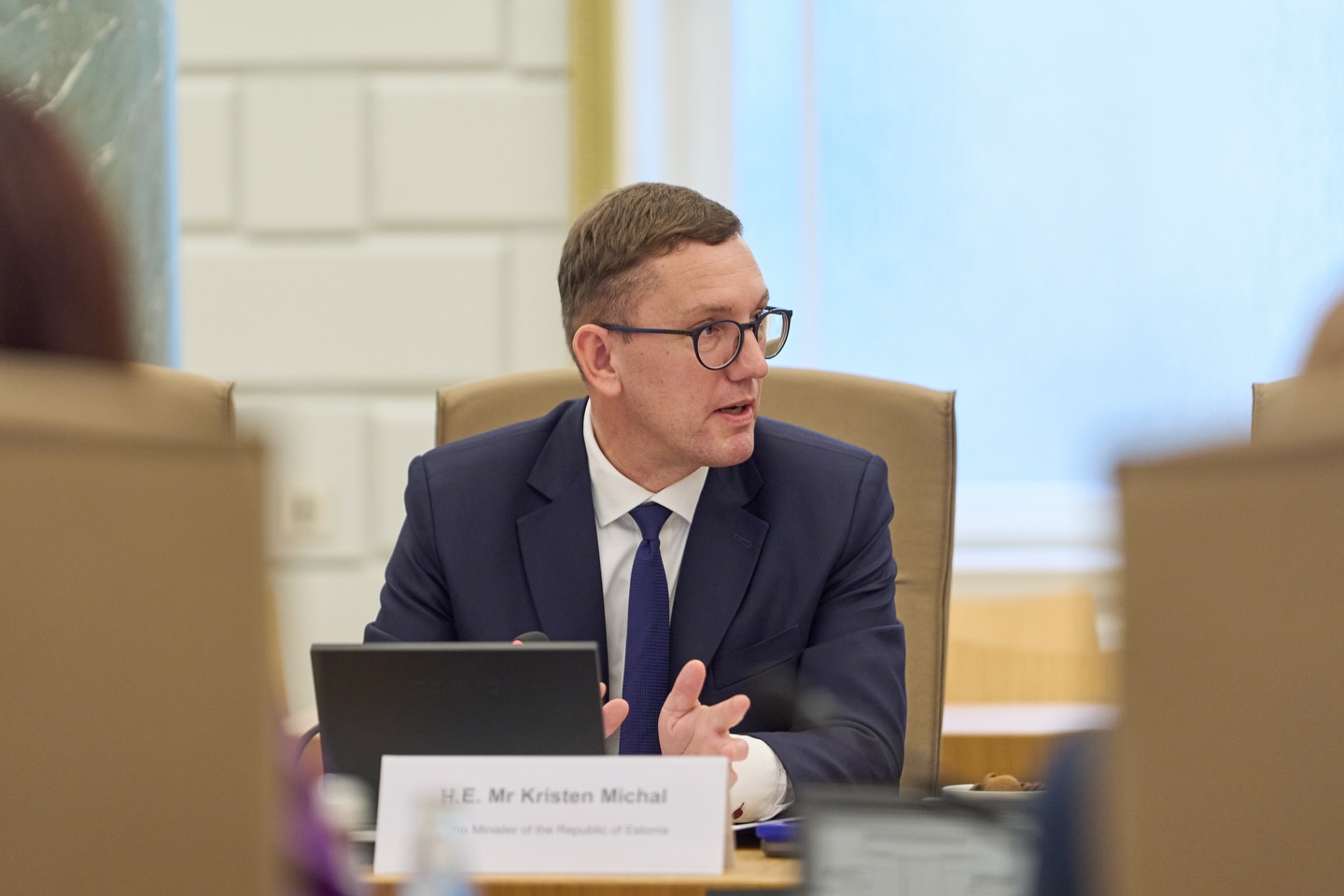
From the Reform Party’s point of view, Michal said, Karis’s decision did not substantially alter the situation.
“A candidate must be found, preferably a woman, but perhaps also a man, who would have the broadest possible common ground across the whole parliament,” he said.
Michal said the next president should be capable of uniting Estonian society and should be strong and credible on both domestic and foreign policy.
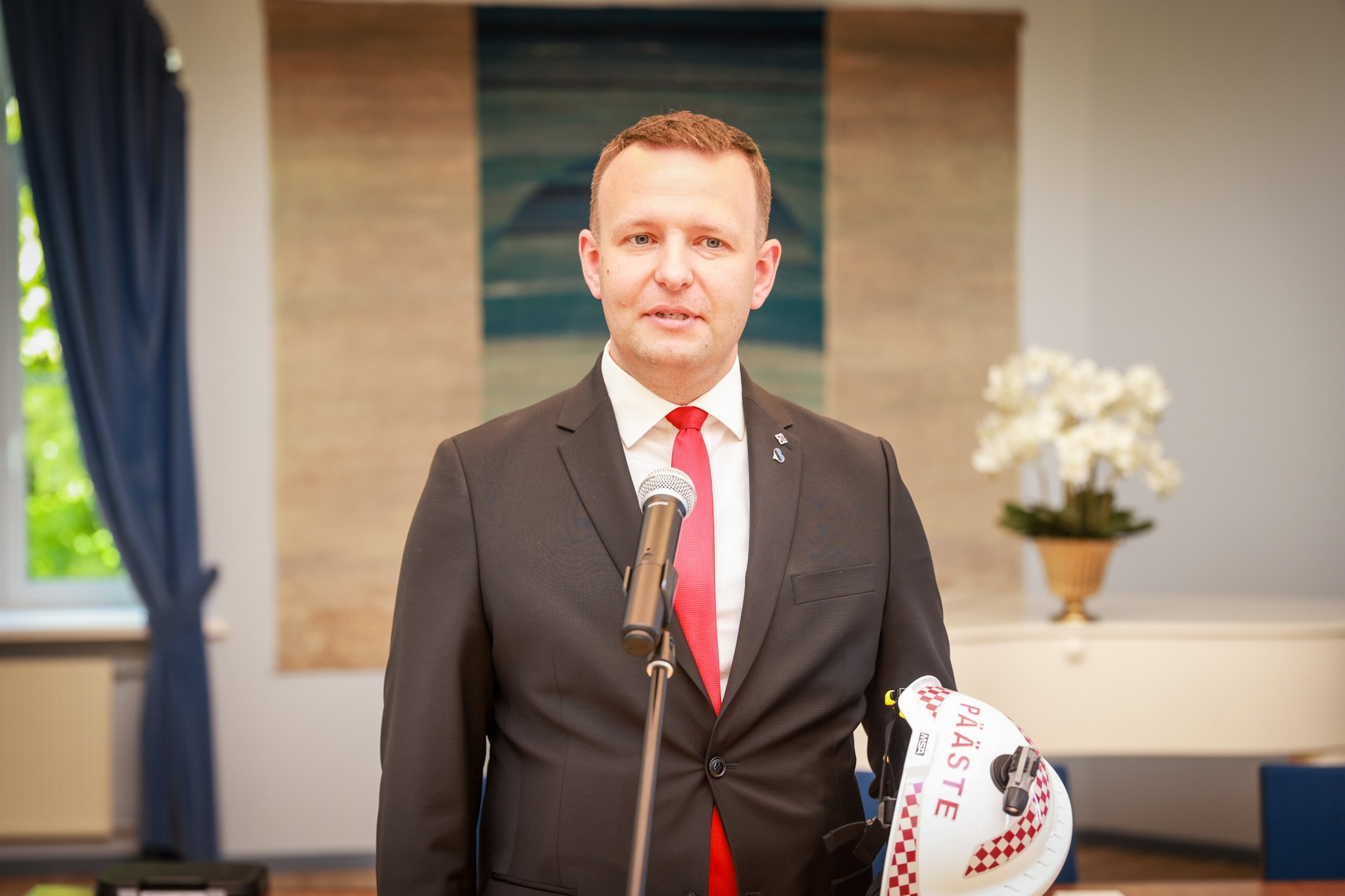
Lauri Läänemets, chairman of the Social Democratic Party, said the situation had become simpler now that Karis had made his position clear.
“We now have only one party that has its own candidate – that is EKRE,” Läänemets said. “Everyone else can come to the same table, discuss the matter, find goodwill and a joint candidate and elect that person in the Riigikogu. I believe that is possible.”
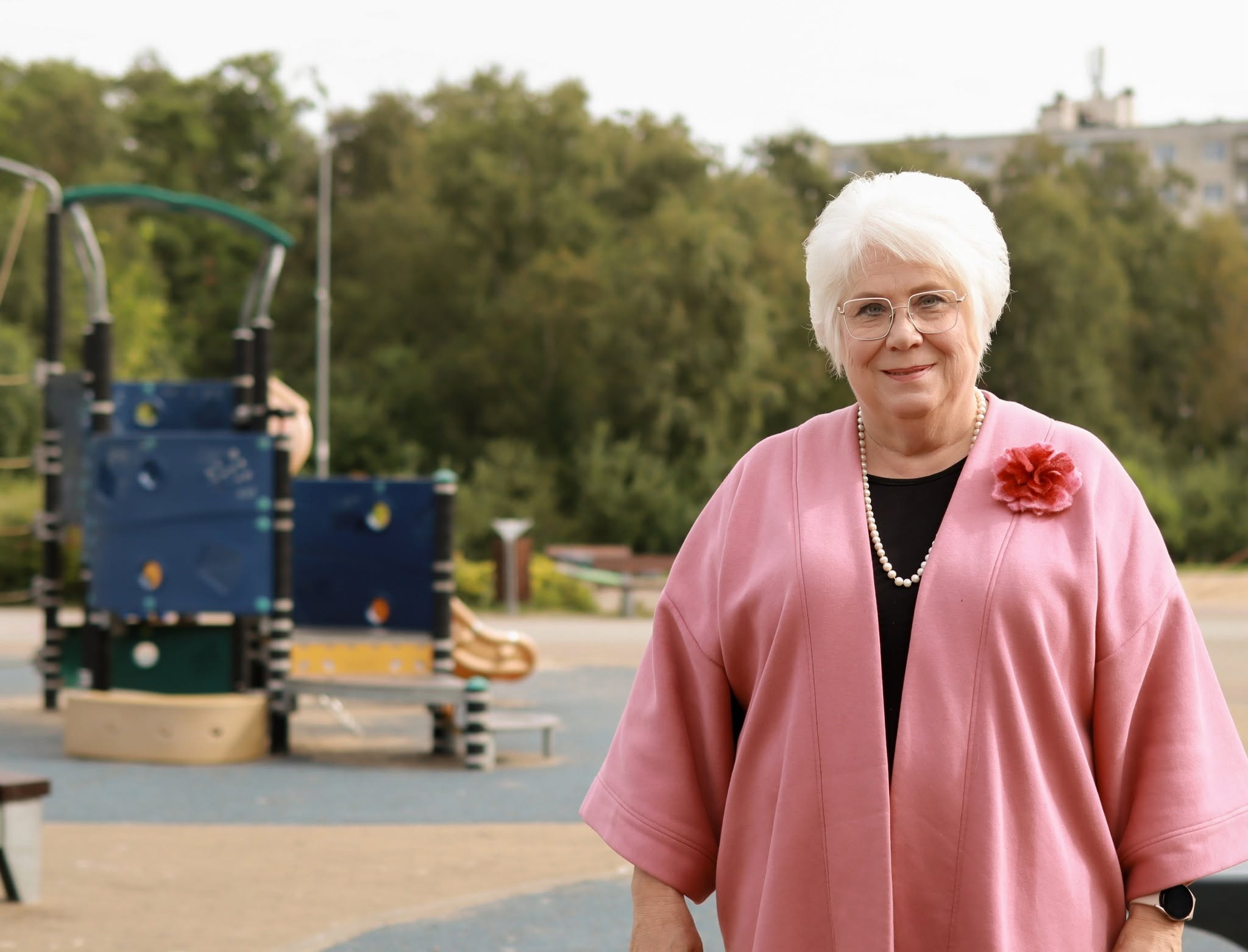
Õnne Pillak, chairwoman of the Reform Party faction in the Riigikogu, said the possibility of electing the next president in parliament was now “very strong”.
“Finding consensus is now easier than it was before,” Pillak said. “After the holidays the parties must discuss the matter among themselves in order to find the candidate who would have the greatest support in the Riigikogu. But, if necessary, also a majority among the electors, because we cannot rule out either option.”
Läänemets said the parties should meet soon, given the limited time available. Traditionally, he said, such discussions had been convened by the governing coalition, which holds a parliamentary majority.
Pillak disagreed, saying the initiative should come from Lauri Hussar, the speaker of the Riigikogu, because the president is elected by parliament.
“If we want to find common ground in the Riigikogu, this cannot be an opposition or coalition candidate – it must be a joint candidate,” Pillak said.
Asked whether the Social Democrats might put forward one of their own candidates, such as the current members of the European Parliament, Sven Mikser or Marina Kaljurand, Läänemets said the priority was to find a person who could command the broadest possible support.
“The assumption is not that this person must be a Social Democrat,” he said. “We are looking for a president for Estonia. But of course, if the opportunity arises, there are people in our ranks who would be dignified and good in the office of president and we do not rule them out.”
How Estonia elects its president
Estonia’s president is elected by the Riigikogu, the country’s 101-member parliament. A presidential candidate must be nominated by at least 21 MPs. To be elected in parliament, a candidate needs the support of a two-thirds majority, meaning at least 68 votes.
If no candidate receives the required number of votes in the first round, a second round is held with newly nominated candidates. If no candidate succeeds in the second round, a third round is held between the two candidates who received the most votes. A two-thirds majority is still required.
If the Riigikogu fails to elect a president after three rounds, an electoral college is convened.
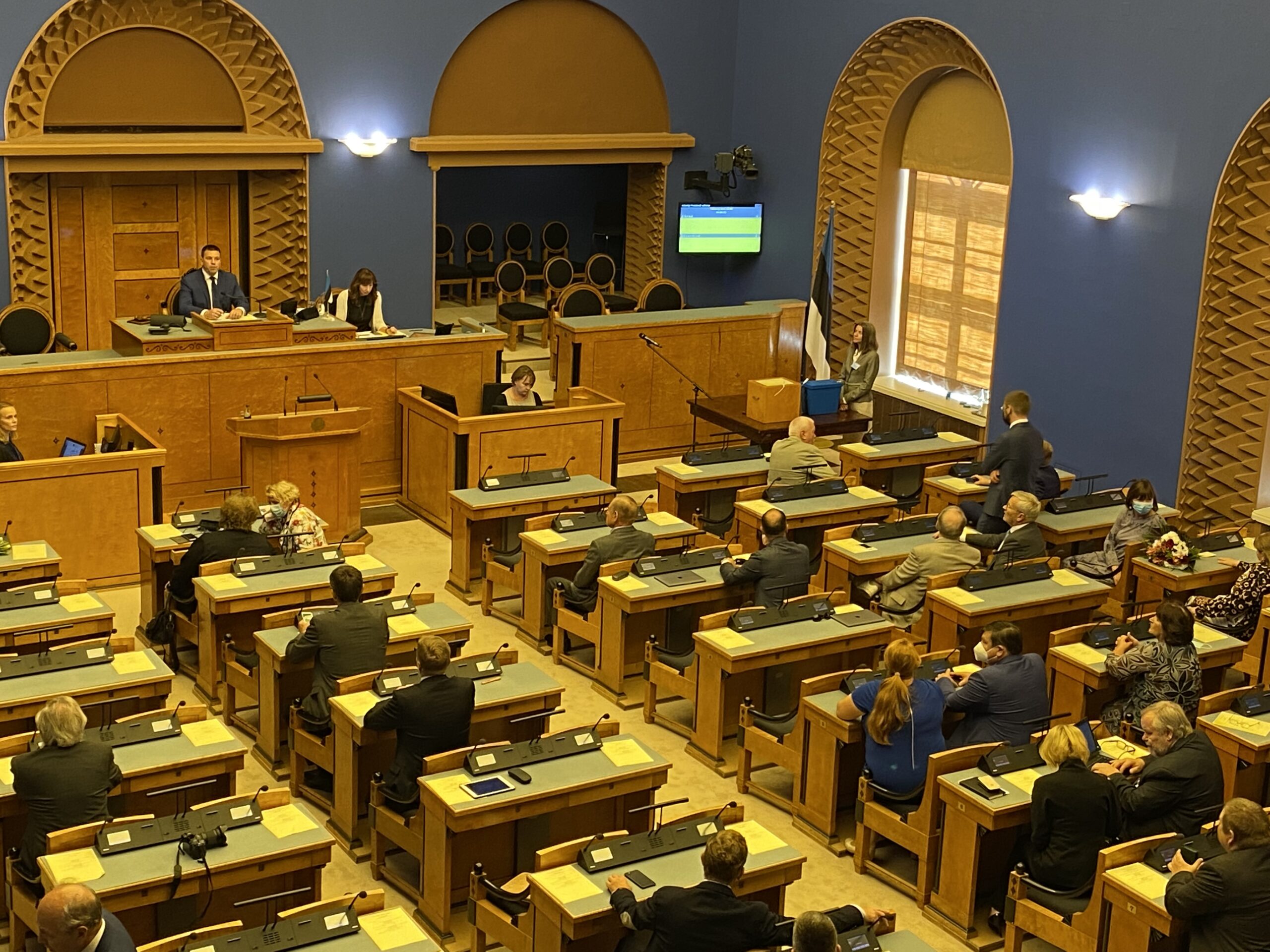
The electoral college consists of all 101 members of the Riigikogu and representatives of local government councils. As of the beginning of 2026, it would include 107 local council representatives, bringing the total number of members to 208.
The two candidates who took part in the third round in parliament are automatically put forward to the electoral college. At least 21 members of the electoral college may also nominate a new candidate.
In the electoral college, the candidate who receives a majority of votes from those taking part in the vote is elected. If no candidate achieves this in the first round, a second round is held between the two leading candidates. If that also fails, the entire process returns to the Riigikogu.
The Riigikogu is due to convene to elect Estonia’s next president on 2 September.
A race without a frontrunner
Karis’s decision has removed the only figure around whom some cross-party support had already formed. It has also sharpened the question of whether Estonia’s next president can be elected in parliament or whether the process will again move to the electoral college.
For the governing parties, the task is now to find a candidate acceptable beyond the coalition. For the opposition, Karis’s departure has become a symbol of what they describe as the politicisation of an office meant to stand above daily party conflict.
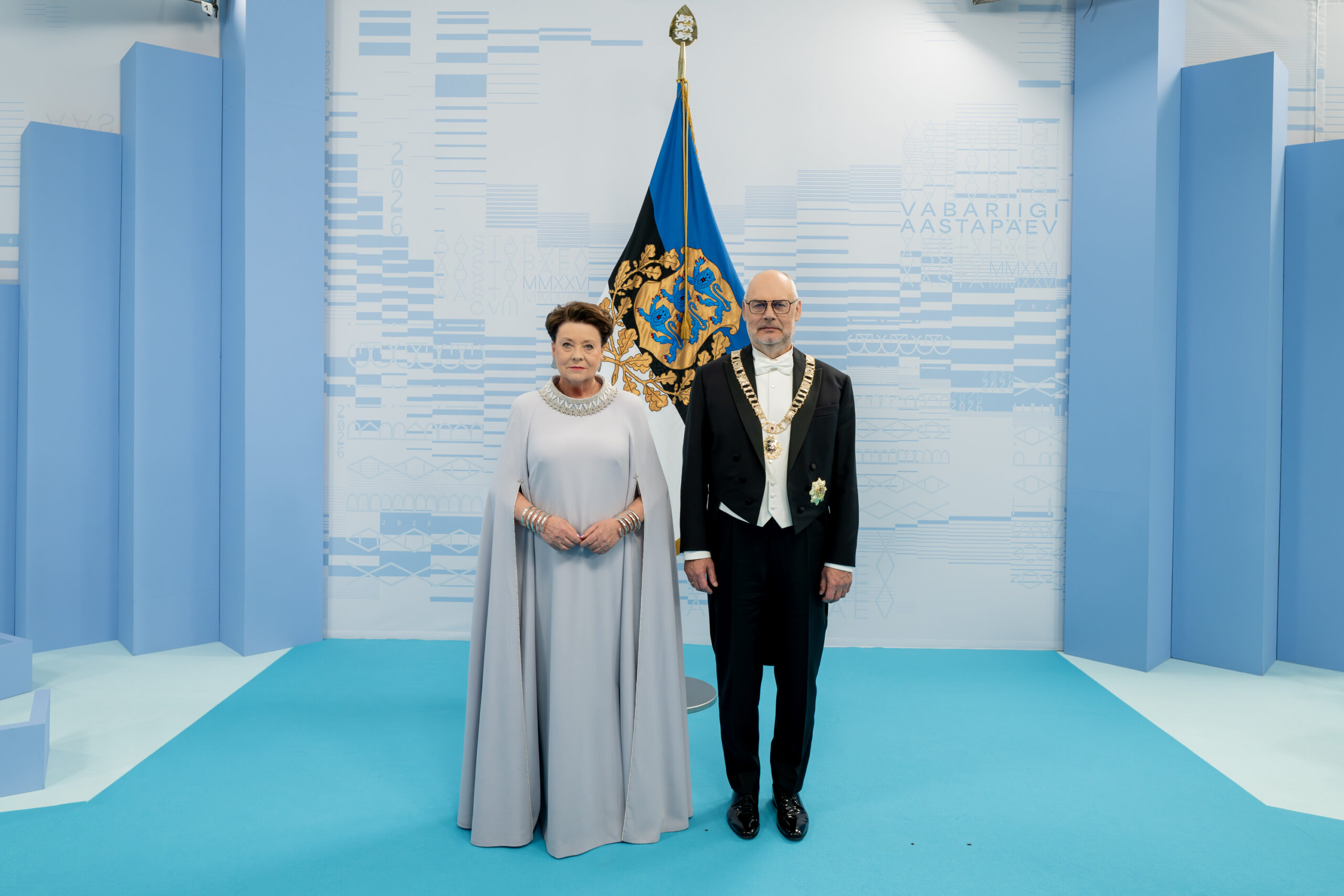
For Karis himself, the message was more understated. He presented his decision not as a defeat, but as the fulfilment of a promise made before his presidency began: one term, then home.
Yet in Estonia’s charged political atmosphere, his withdrawal is unlikely to be remembered as merely personal. It has opened a presidential contest that will test whether the country’s parties can still agree on a figure whose authority rests not on party arithmetic alone, but on something rarer in contemporary politics – trust.