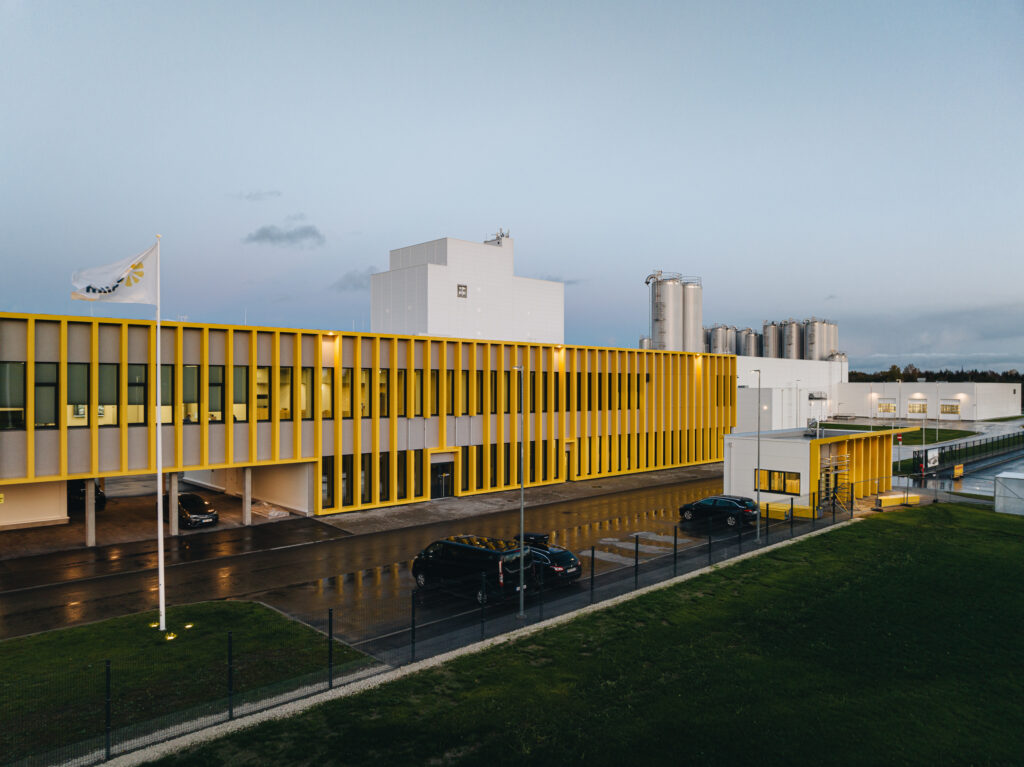
A Saudi Arabian retail group has won a €135.25 million auction for two factories belonging to the bankrupt Estonian dairy producer E-Piim, opening the way for its cheese to be sold across the Gulf.
The factories in Paide and Põltsamaa were put up for sale as part of the bankruptcy proceedings of AS E-Piim Tootmine.
BinDawood Holding, a family-controlled group listed on the Saudi Exchange, said its Estonian subsidiary, JUUST & JUBN OÜ, had submitted the winning bid at the public auction.
The deal covers dairy production property, machinery and other operating assets, as well as contractual rights and stakes in affiliated companies.
BinDawood described E-Piim as a long-established Estonian dairy producer with domestic and international sales channels. According to the Saudi group, the company accounts for an estimated 15 per cent of Estonia’s cheese market, making it the country’s fourth-largest producer.
The larger factory, in Paide, can process as much as 1,100 tonnes of milk a day, equivalent to about 40 per cent of Estonia’s total milk production, according to BinDawood. It has the capacity to produce approximately 36,000 tonnes of cheese a year.
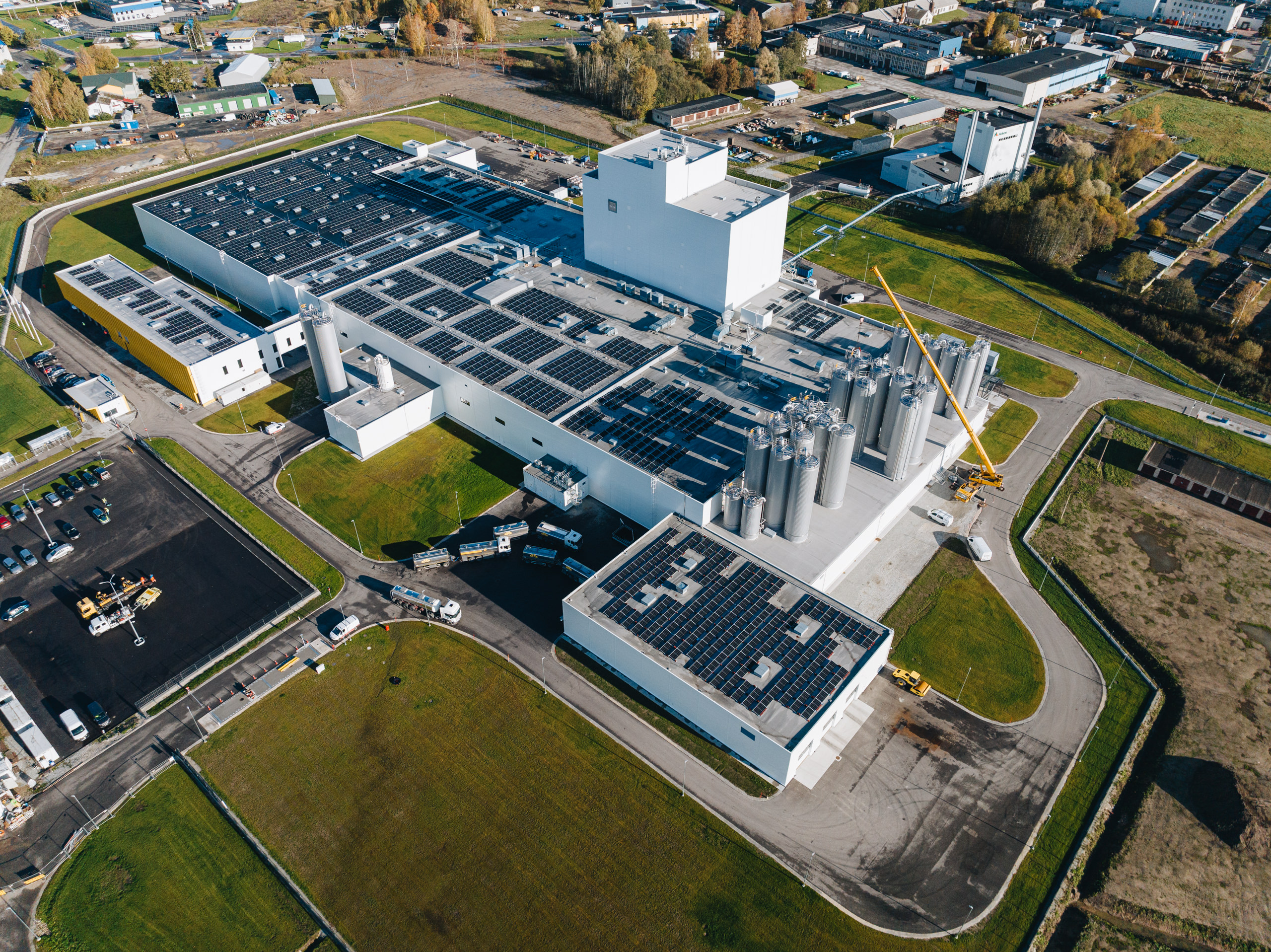
Ahmad AR BinDawood, the group’s chief executive, described the purchase as “a major milestone” in its food manufacturing strategy.
“E-Piim’s world-class production facilities, established export capabilities and highly skilled workforce provide a strong platform for future growth and product development,” he said.
BinDawood plans to use the factories and their existing export network to supply Saudi Arabia and other Gulf Co-operation Council markets. The group said the investment would diversify its supply channels and support Saudi Arabia’s food security objectives.
BinDawood began as a small trading business before opening its first branded grocery store in Mecca in 1984. Although publicly listed, it remains controlled by the BinDawood family.
At the end of 2025, the group employed more than 13,000 people and operated 103 grocery stores, including 56 hypermarkets and 33 supermarkets. It also owned more than 200 pharmacies.
The company reported revenue of 6.35 billion Saudi riyals, about €1.47 billion, in 2025. Its net profit was 270 million riyals, or approximately €62 million.
The purchase marks BinDawood’s first significant entry into the Baltic dairy industry.