When the landscape offers wood and brewing grain in abundance, what do Estonians do? Fashion the wood into tankards and fill them with fresh beer, of course.
The Estonian wooden beer tankard, or õllekapp, is a fine example of rustic craftsmanship. Made from smoothly polished wooden staves, fitted together to form a cylinder and held in place by wooden hoops, it is a sight to behold. Better still, it is a pleasure to hold when filled with fresh beer and topped with a generous head of foam. Beer-loving admirers of practical art, sip and rejoice – this is the vessel for you.
There is, however, a less practical side to the tankard. Usually made from juniper, birch or aspen, the wood can impart its own aroma and alter the beer’s flavour. Its porous surface may also harbour bacteria if not properly cleaned.
According to legend, the tankard must be kept perpetually full, lest it dry out and crack. Perhaps that is not a drawback after all. One person’s impracticality is another’s convenience.
Beyond the mass-produced lager
But what of the contents? Estonia’s mass-produced beers are perfectly capable of quenching a thirst and hitting the spot, but most are conventional European lagers, making them rather difficult to tell apart.
The country’s growing craft beer scene, however, is bringing greater variety and flavour. Local breweries are reviving old brewing traditions and throwing local ingredients into the kettle, often with delightful results.

A market needs demand as well as supply. In this case, the two curves meet at a particularly delicious equilibrium. According to Kirin Holdings’ latest Global Beer Consumption Report, Estonia ranked sixth in the world for beer consumption per capita in 2024, at 93.2 litres per person. I would raise a fresh pint of A. Le Coq to that. Sixth place feels about right. After all, not everyone can be Czech.
The figures suggest that, although beer is not everyone’s cup of tea, Estonians generally do enjoy it. That was what I tried to tell my parents when they walked in on a keg party during my late teens: I was merely being cultural.
A 3,000-year thirst
Like many similarly thirsty civilisations, Estonians have been enjoying beer for a very long time. According to A. Le Coq’s Story of Beer, archaeological finds show that barley cultivation in what is now Estonia began around 1000 BCE – a fact the brewer presents as evidence of a local beer-making tradition stretching back almost 3,000 years.
Beer histories often add that, when clean drinking water was scarce, beer was safer because brewing reduced the danger posed by waterborne pathogens. Perhaps. But could people not simply have boiled the water and drunk that? Marketing spin, it seems, may be almost as old as beer itself.
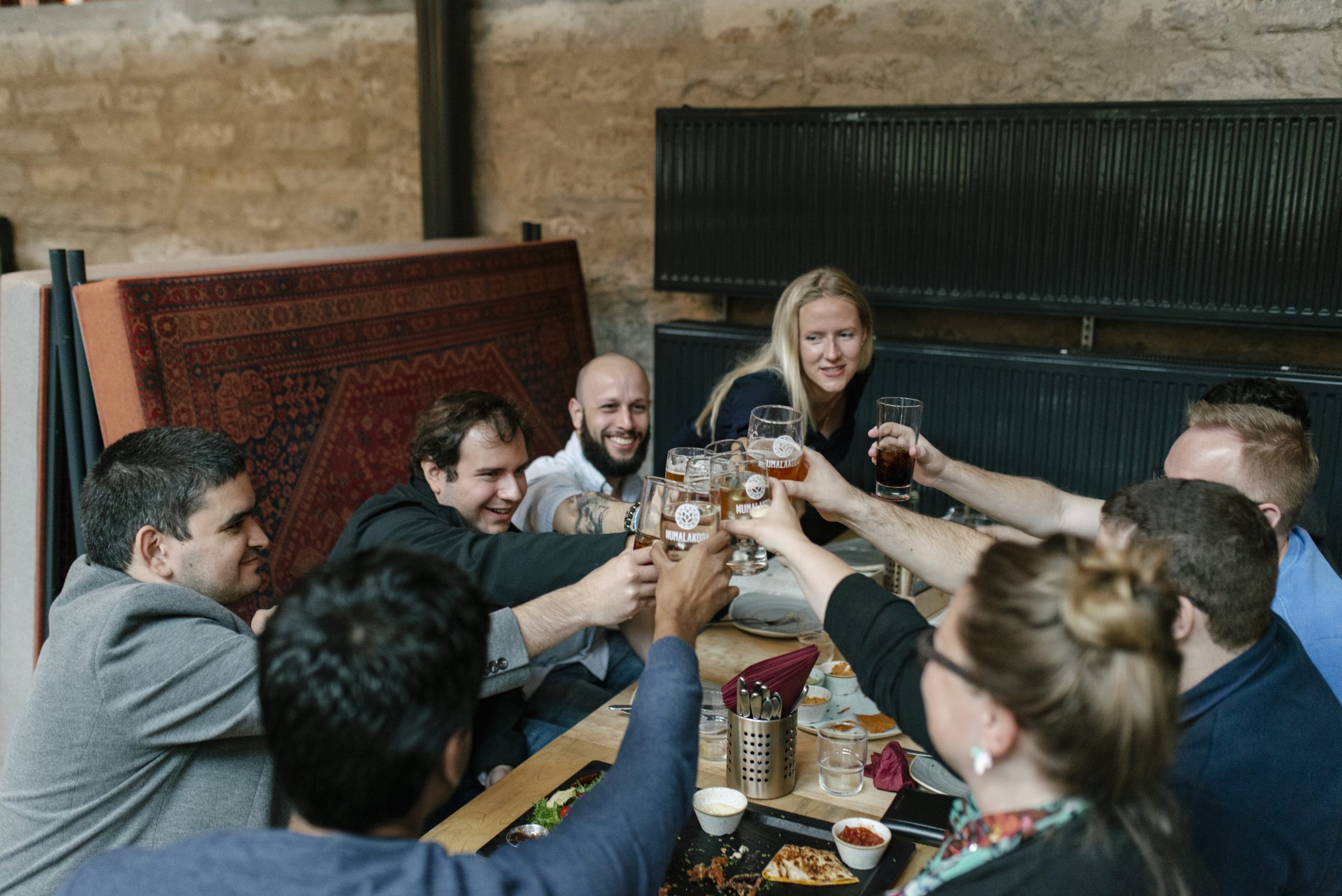
Yet humans do not make beer entirely on their own. As one brewing adage has it: the brewer makes the wort; the yeast makes the beer. Wort is the sweet liquid produced by steeping malted grain in hot water. It is then boiled, usually with hops, although brewers historically used other botanicals as bittering agents.
It is the yeast that finishes the job. Once these gluttonous single-celled microorganisms encounter the sugars in the wort, they feast – and feast some more. Happily for beer, the by-products of this mischievous fermentation include ethanol, carbon dioxide and suddenly talkative Estonians.
From wooden tankard to modern tap room
If this article were a tankard of beer, we would now be nearing the bottom. To recap: Estonia’s commercial lagers, although not especially distinctive, are sound examples of the style. For an alternative to mass-produced beer, the country’s many small breweries offer some excellent craft brews.
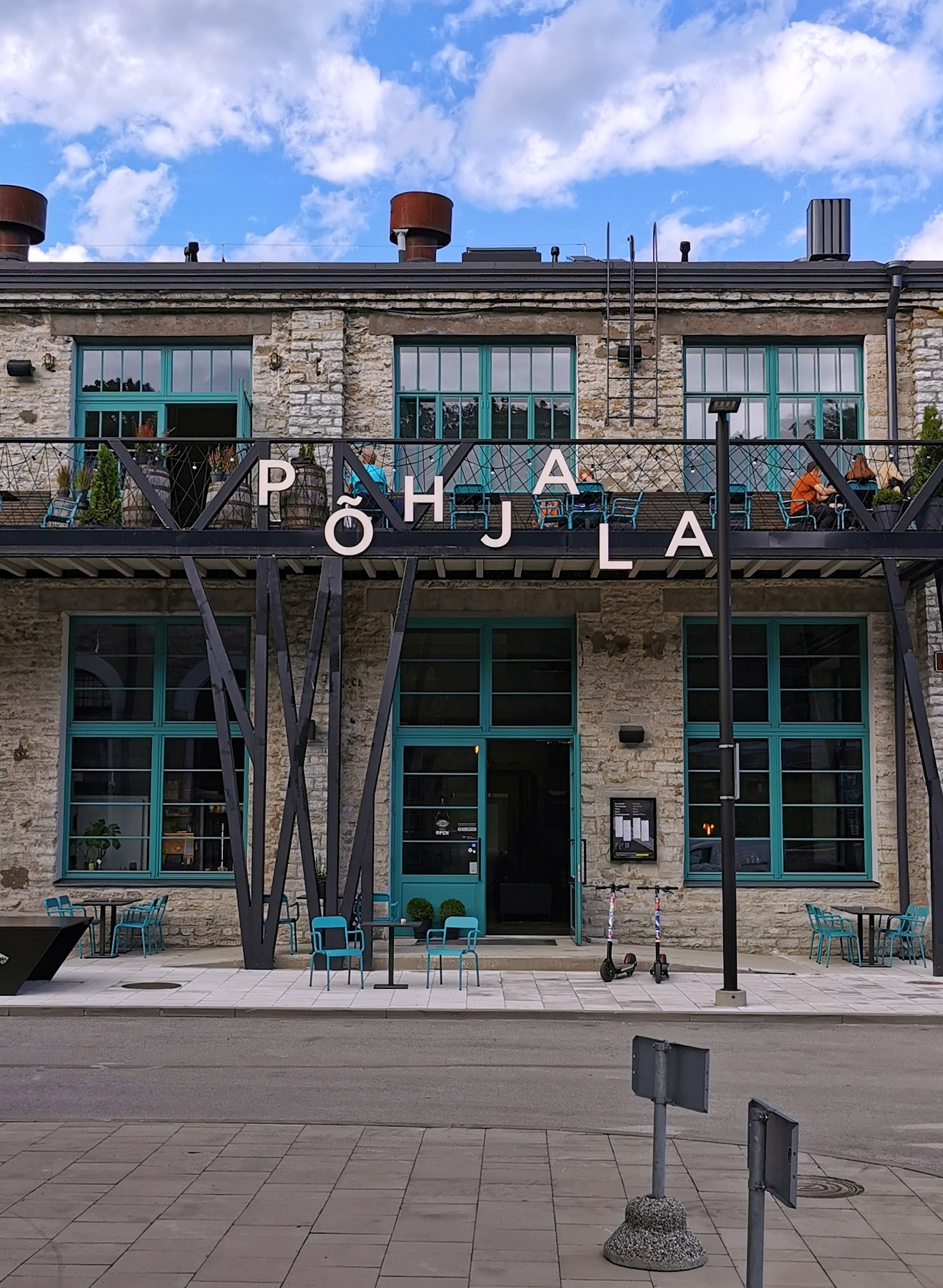
Põhjala, for example, specialises in craft beer, while its Tap Room pairs it with Texas barbecue and was added to the Michelin Guide Estonia’s main selection in 2026. A Kask forest lager brewed with birch, anyone?
But do not take my word for it. Grab an Estonian wooden beer tankard, fill it with your favourite Estonian brew and take a sip. Repeat as desired.