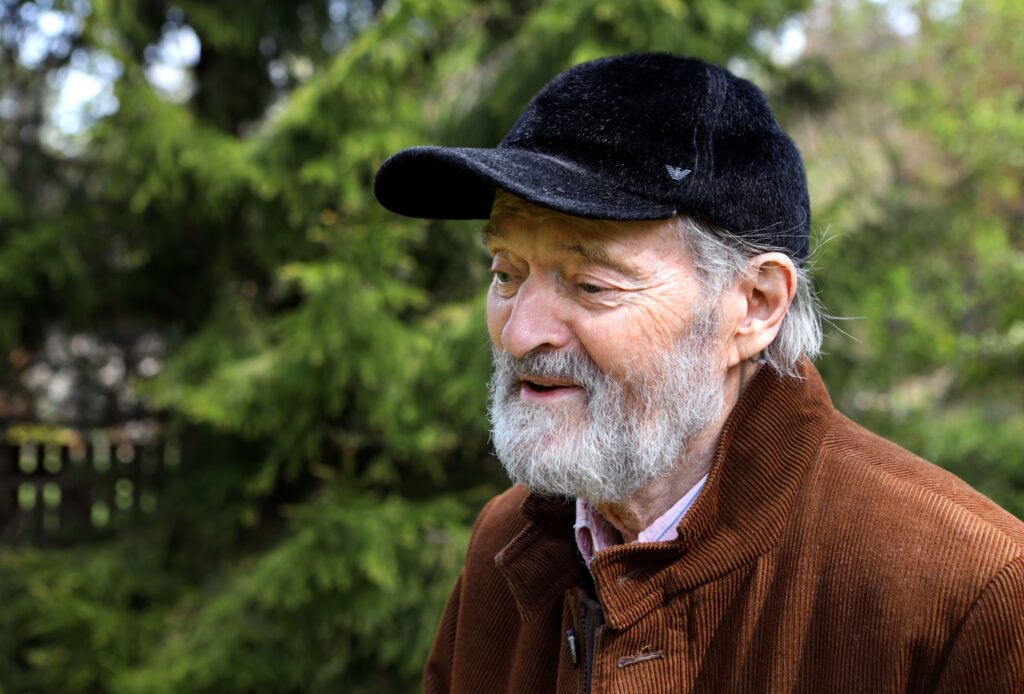
The Estonian composer, Arvo Pärt, has become the first Estonian to receive the Goethe Medal, one of Germany’s most prestigious cultural honours, recognising a body of work that has touched and connected listeners around the world.
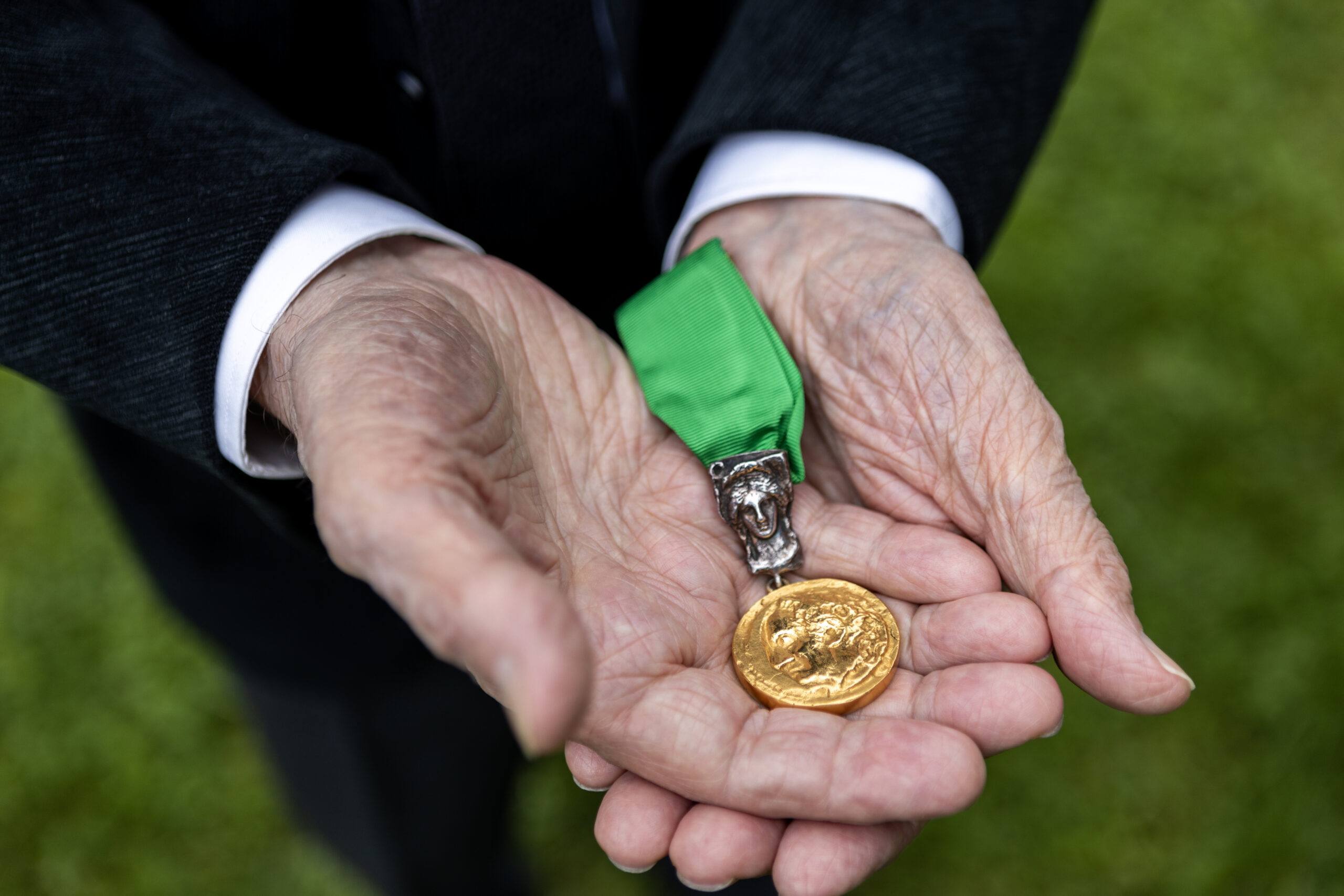
Arvo Pärt has spent much of his creative life exploring what can emerge from silence. In Weimar, Germany, that pursuit was honoured with the Goethe Medal – an official decoration of the Federal Republic of Germany and the country’s most important award for international cultural exchange.
Pärt received the medal alongside the Italian translator Anita Raja and the Greek theatre director Prodromos Tsinikoris at a ceremony on 28 August, the birthday of Johann Wolfgang von Goethe.
The award was presented by Gesche Joost, the president of the Goethe-Institut, and accepted on Pärt’s behalf by his son, Michael Pärt, the chairman of the board of the Arvo Pärt Centre.
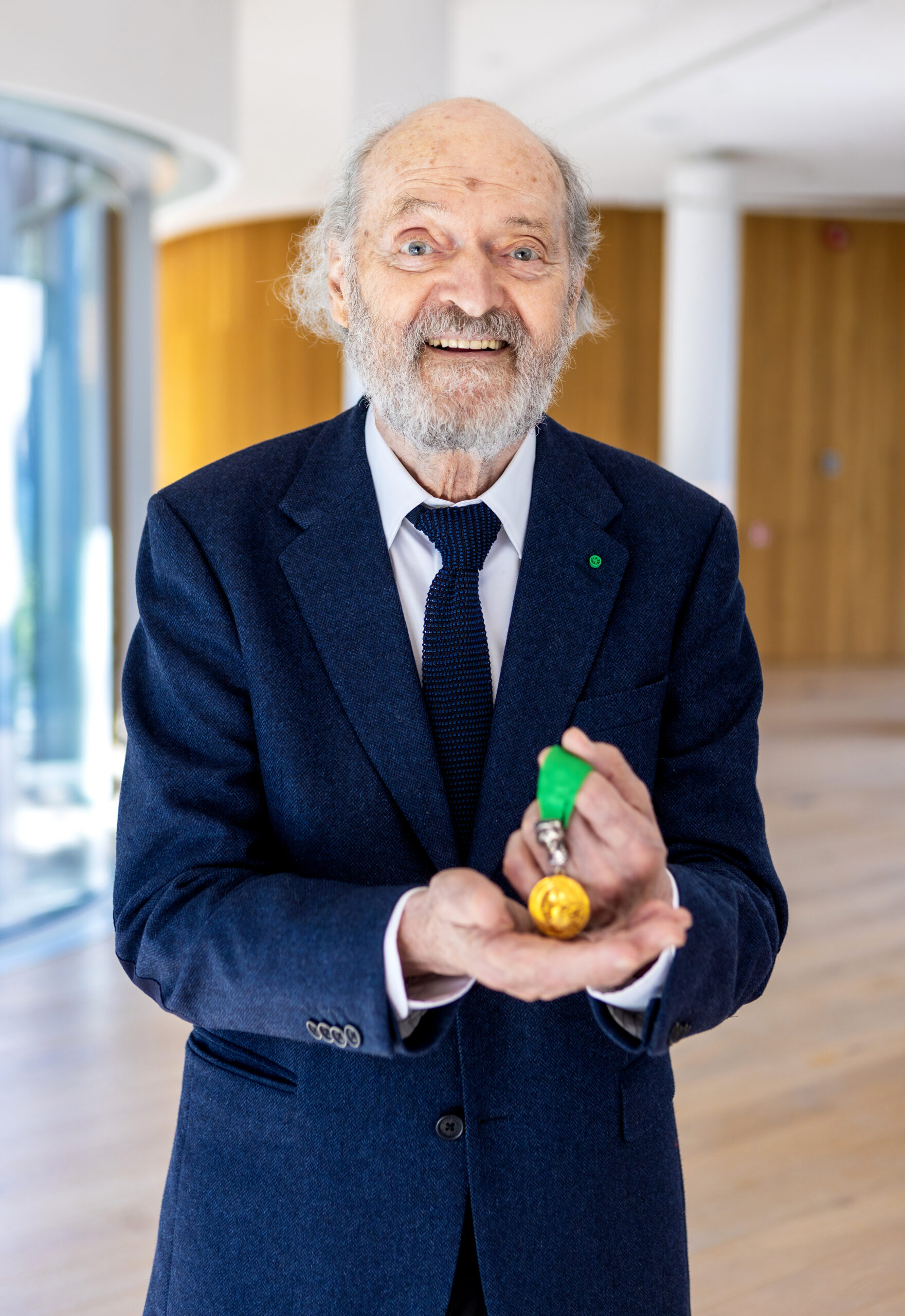
The Goethe-Institut said the work of all three laureates represented an outstanding expression of the European spirit. Joost praised their creative courage and their refusal to abandon the belief that the seemingly impossible might still be achieved.
“With his tintinnabuli compositional technique, Arvo Pärt has succeeded in touching and connecting people all over the world,” Joost said. “With music that seems so simple in its essence and yet is so profound.”
“Pärt has never ceased to believe in the possibility of the impossible: that music can be something more, creating a space for humanity.”
A symbol of German-Estonian ties
Pärt, who turns 91 in September, is widely regarded as one of the defining composers of the late 20th and early 21st centuries. His bell-like tintinnabuli style has given contemporary classical music some of its most recognisable works, including Spiegel im Spiegel and Fratres.
Joost said Pärt’s recognition also carried political and historical significance.
“Arvo Pärt is the first Estonian to receive the Goethe Medal,” she said. “This is an important sign of the strength of German-Estonian relations and, in the context of the war in Ukraine, it also symbolises the solidarity of Western and Eastern Europe.”
Pärt’s relationship with the German-speaking world stretches back more than four decades. He and his family left Soviet-occupied Estonia in 1980, initially settling in Vienna. A year later, supported by a scholarship from the German Academic Exchange Service, they moved to Berlin, which remained the composer’s home for 30 years.
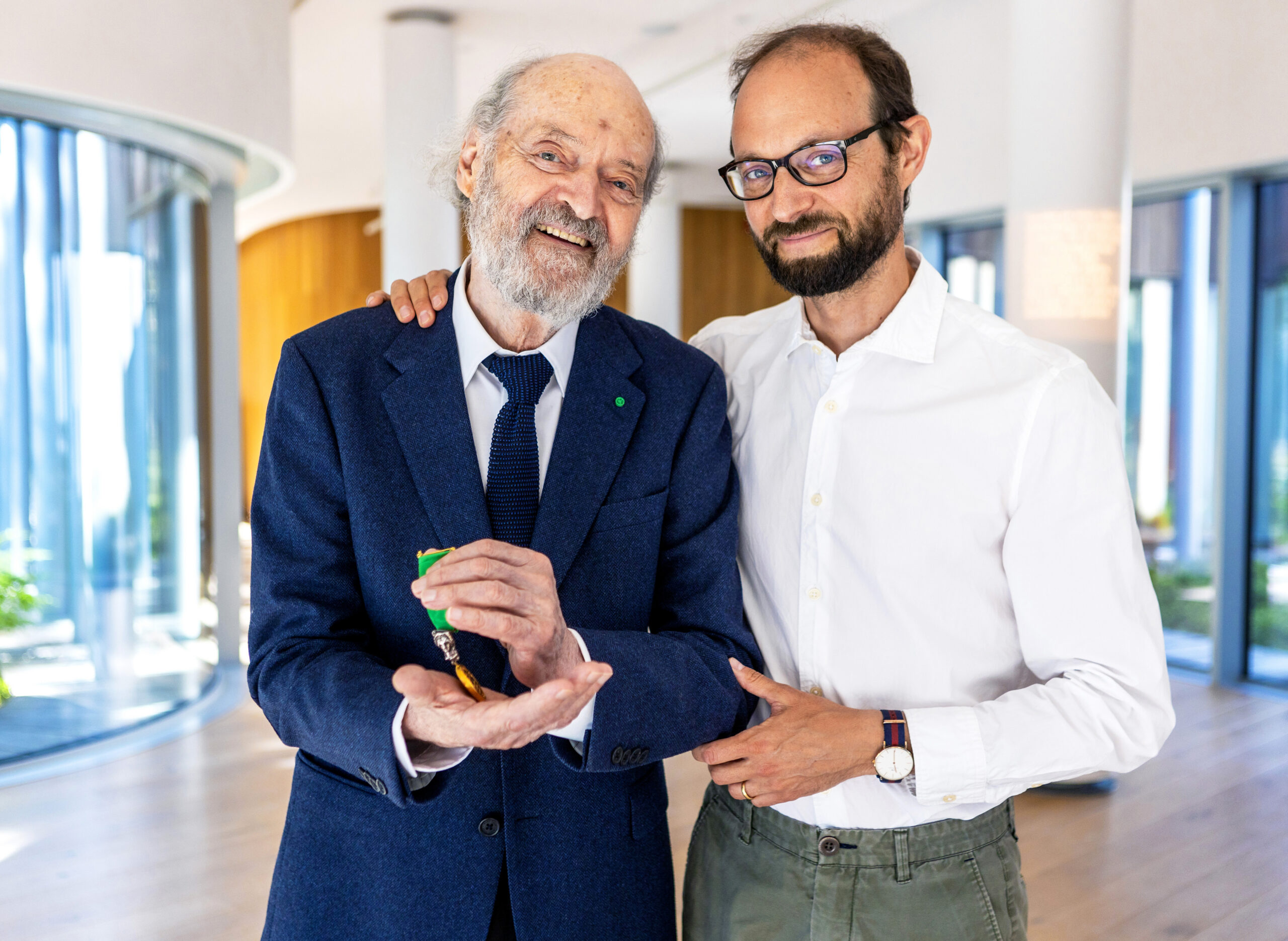
Accepting the medal, Michael Pärt recalled the welcome the family received after leaving Estonia.
“More than 40 years ago, our family arrived in the German-speaking world and discovered that we had not arrived among strangers,” he said.
“People and institutions here gave my father trust and freedom – and gave his music the space to spread its wings. For this recognition, and for all that was received along the way, we are deeply grateful.”
The Berlin years
Many of Pärt’s most significant compositions were completed during his years in Germany. They include Berliner Messe, written for the German Catholic Church Days held in Berlin in May 1990, the first such gathering after the fall of the Berlin Wall.
His German-language choral cycle Sieben Magnificat-Antiphonen, commissioned by the RIAS Chamber Choir for its 40th anniversary, also dates from this period, as do the large-scale sacred works Passio, Te Deum and Miserere.
Germany was also where Pärt began his long collaboration with the producer Manfred Eicher. Recordings released by Eicher’s ECM label introduced Pärt’s distinctive musical language to a far wider international audience and helped make his work one of Estonia’s most powerful cultural calling cards.
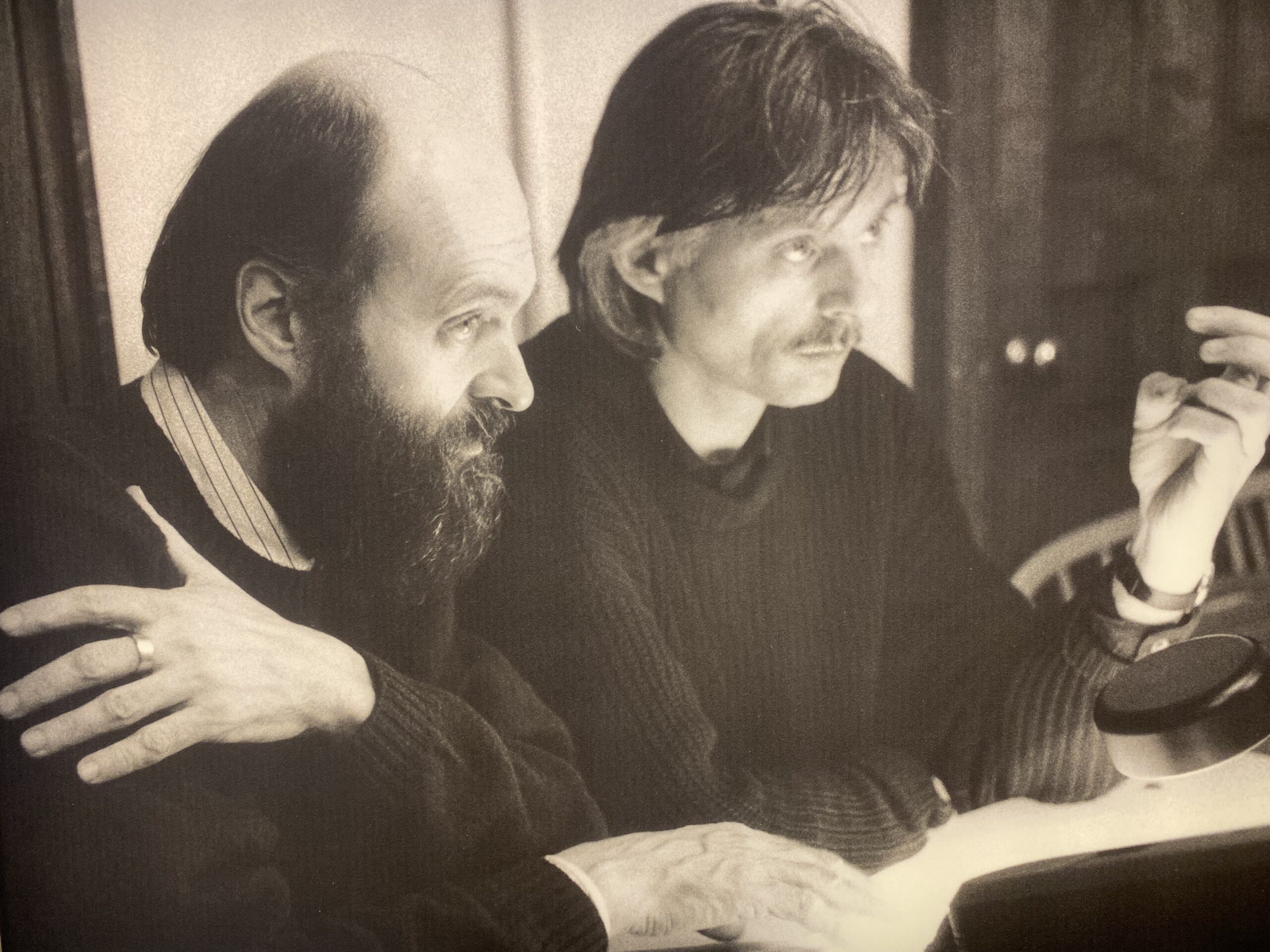
Among Pärt’s later compositions is Vater unser, based on the German text of the Lord’s Prayer and dedicated to Pope Benedict XVI.
The Goethe Medal has been awarded since 1955 to foreign cultural figures whose work advances international understanding and keeps cultural dialogue alive. Previous recipients include the conductor and pianist Daniel Barenboim, the theatre director and visual artist Robert Wilson and the composer Sofia Gubaidulina.
For Michael Pärt, however, the ceremony returned to the apparently simple act at the heart of his father’s work: listening.
He spoke of the importance of giving music one’s complete attention and listening with the heart to perceive what might lie behind it.
“Perhaps listening with the heart is also one way of experiencing,” he said. “First comes the music and then – perhaps – understanding.”