The six-month outage of the Estonia–Finland power link showed that resilience depends on more than spare equipment: Europe must be able to restore essential services before further failures deepen the damage, writes Amir Naser Hojati, a futures trader and fintech entrepreneur.
The spare cable was ready. The ship was not.
When a ship’s anchor damaged EstLink 2, the 650-megawatt electricity link between Finland and Estonia, on Christmas Day 2024, its operators faced a costly choice. They could wait for a specialist cable-laying vessel, potentially until late 2025, or adapt a construction vessel to restore the connection sooner.
They adapted the vessel. Estonia’s grid operator, Elering, estimated that repairs would cost €50 million to €60 million, partly because of the modifications. The link returned to service on 20 June 2025, nearly six months later.
Electricity remained available through other routes and generators, but at a price. Eesti Energia, Estonia’s state-owned energy company, estimated that the missing link raised Baltic electricity prices by an average of €22 per megawatt-hour in the first half of 2025. That is a company estimate, not a final calculation of economic losses. Still, it shows what conventional customer-interruption figures can miss: keeping the lights on can be expensive.
Financial markets distinguish between owning valuable assets and having the liquidity to meet obligations when they fall due. Infrastructure faces a similar timing problem. A spare cable cannot restore power without a suitable vessel and qualified crew.
Keeping both ready is costly. Laying new cables earns revenue; holding vessels and crews in reserve does not. Operators can pay for priority access, but securing enough capacity for several emergencies may not make commercial sense when the benefits extend well beyond a cable’s owner.
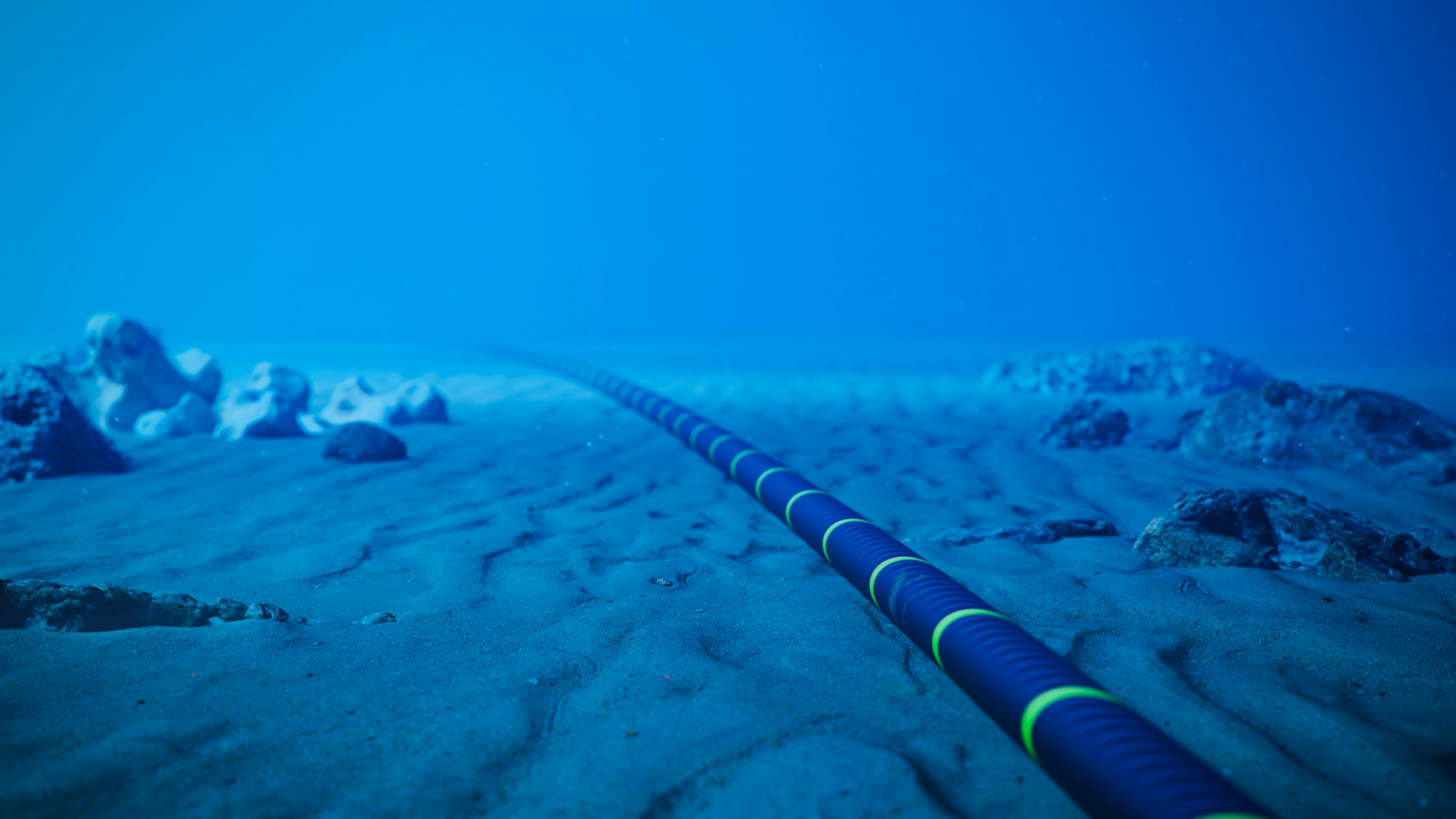
The European Commission recognised this in its 2025 Cable Security Action Plan, warning that repair vessels might be insufficient if several major cables were damaged across European waters at once. The question is how to know whether Europe’s preparations will be enough.
When repairs cannot keep pace
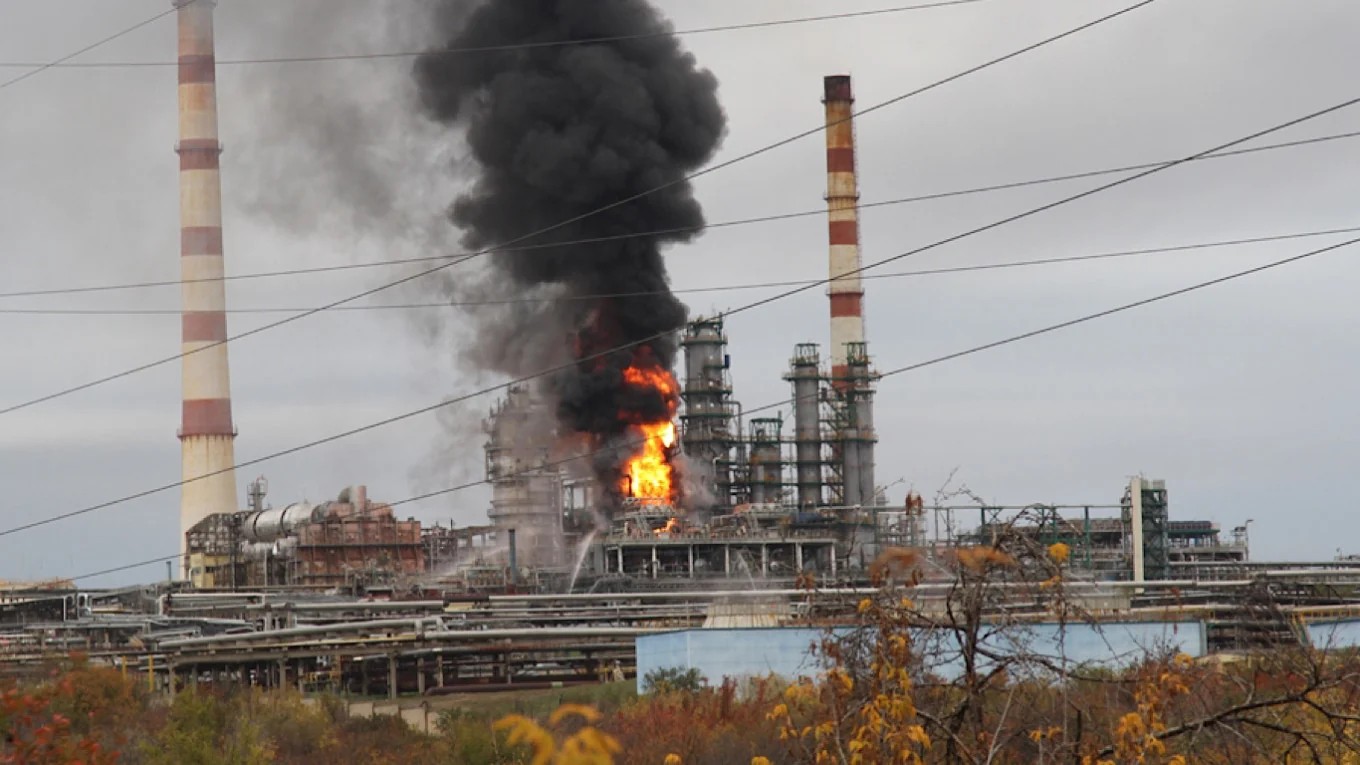
Russia’s refineries illustrate why the pace of damage matters. The International Energy Agency reported that a Russian refinery was struck, on average, every three days during the first eight months of 2026. Serious damage to complex secondary processing units can take six to eight months to repair. Russian crude processing fell to 3.8 million barrels a day in June, its lowest level in more than two decades.
Reuters reported in September that Rosneft’s Saratov refinery was attacked while preparing to restart, and that Syzran was hit again while an earlier repair was unfinished. Europe is not at war as Russia is. But the lesson is relevant: completing individual repairs is not enough if new damage keeps the system losing ground.
Installed capacity is an inventory, restoration capacity is a rate
Europe already measures important parts of resilience. Regulators track how often customers lose electricity and for how long, including during exceptional events. Grid operators assess the risk of future supply shortages. Britain has set a standard, due by the end of 2026, requiring arrangements to restore 60 per cent of demand in every region within 24 hours of a system shutdown and 100 per cent of national demand within five days.
These measures answer different questions. Outage statistics show what happened; adequacy assessments look ahead to potential shortages; restoration targets concern bringing a system back online. None of those headline measures tells us how much essential service would remain available if fresh physical damage occurred before earlier repairs were finished.
The EU is also funding emergency telecommunications-cable repair equipment. Its current €40 million call does not cover continuing operation and maintenance costs, which applicants must fund separately. This does not mean readiness is unfunded. It shows why buying equipment, keeping it ready and deploying it through several emergencies require different commitments.
Measure recovery, not just outages
Governments need not create another bureaucracy. They could use existing emergency exercises to publish common recovery profiles: what share of normal electricity, water and communications would remain available after 24 hours, seven days, 30 days and 180 days if a second failure occurred before the first was repaired. The figures should include backup supplies, additional losses and, where credible, the extra cost of maintaining service.
Imagine repair crews restoring ten units of service while new failures remove fifteen. They have worked hard, yet the network is five units worse off. Or imagine two systems fully restored after six months: one brought most services back in a week, the other in five months. A final completion date conceals the difference that matters to users.
Use comparable disruption scenarios, protect sensitive network details and publish baselines rather than league tables.
Make resilience spending measurable
The results should guide spending too. NATO allies can count up to 1.5 per cent of GDP by 2035 towards broader defence- and security-related investment, including civil preparedness. That is not a repair budget. But projects justified by faster recovery should show what service they preserve or restore, how quickly and at what cost, compared with spare parts, reserved vessels, trained crews or backup routes.
Europe should count the services people can still use when another failure strikes, not only the equipment kept for it.
Russia is undergoing that stress test involuntarily, in public, under fire. Europe can still run it on paper.
The opinions in this article are those of the author.