
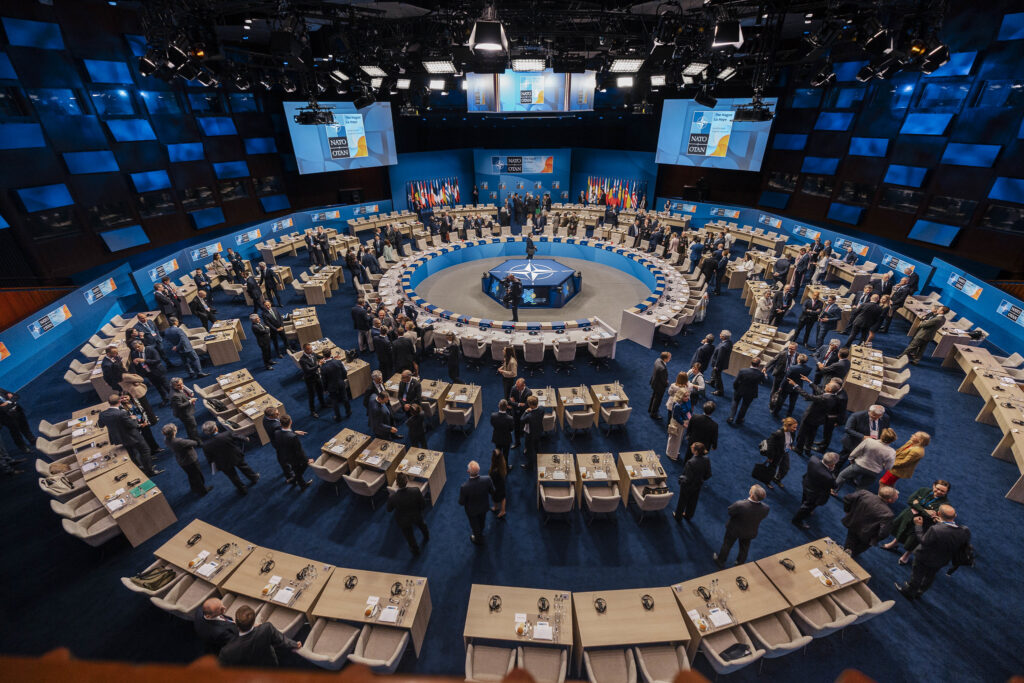
As Europe, the United States and the wider world face diverging security pressures, the real test for the transatlantic alliance is whether it can preserve a common sense of purpose.
Since NATO’s founding in 1949, the alliance has been a cornerstone of international relations. Through collective security and deterrence, it has helped Western democracies protect their sovereignty and respond to external threats. It has endured because it has been held together by a shared understanding of those threats.
Alliances are sustained by common threat perception
International relations scholarship has long stressed this point: alliances are sustained not by power alone, but by common threat perception. As Stephen Walt’s Balance of Threat theory argues, alliances are formed and preserved primarily in response to perceived threats rather than raw capabilities. The cohesion of the transatlantic alliance therefore depends on whether Europe and the United States continue to recognise security challenges in similar terms.
That common understanding is becoming harder to sustain. NATO’s strength rests on unified security guarantees, yet its member states are shaped by different regional realities and strategic priorities.
Eastern European allies remain focused on deterring Russia, especially after its full-scale invasion of Ukraine in 2022. The United States, by contrast, is increasingly balancing its commitments in Europe with wider competition and instability in the Middle East and the Indo-Pacific. The central challenge is clear: how can the alliance accommodate different regional priorities without weakening transatlantic cohesion?

A first requirement is to take regional expertise seriously in collective decision-making. Every ally brings geographic knowledge, historical experience and political perspective, and those differences should strengthen the alliance rather than divide it.
Regional priorities should not be seen as competing agendas, but as necessary parts of a broader strategic picture. Alliance theory, including the work of Glenn H. Snyder, suggests that successful alliances endure by managing the tension between national autonomy and collective cohesion. NATO’s long-term strength will depend on its ability to do just that.
The greatest risk is losing strategic focus
At a time of overlapping crises, the greatest risk is losing strategic focus. Prioritisation is never easy, but the alliance needs a clearer common framework for judging how imminent and probable a threat is. Only then can it respond in a timely and proportionate way.
In After Hegemony, Robert Keohane argues that institutions can sustain cooperation even without dominant leadership, but only if clear mechanisms for coordination exist. Without a shared framework for assessing urgency and severity, allied decision-making risks fragmenting at precisely the moment when unity matters most.
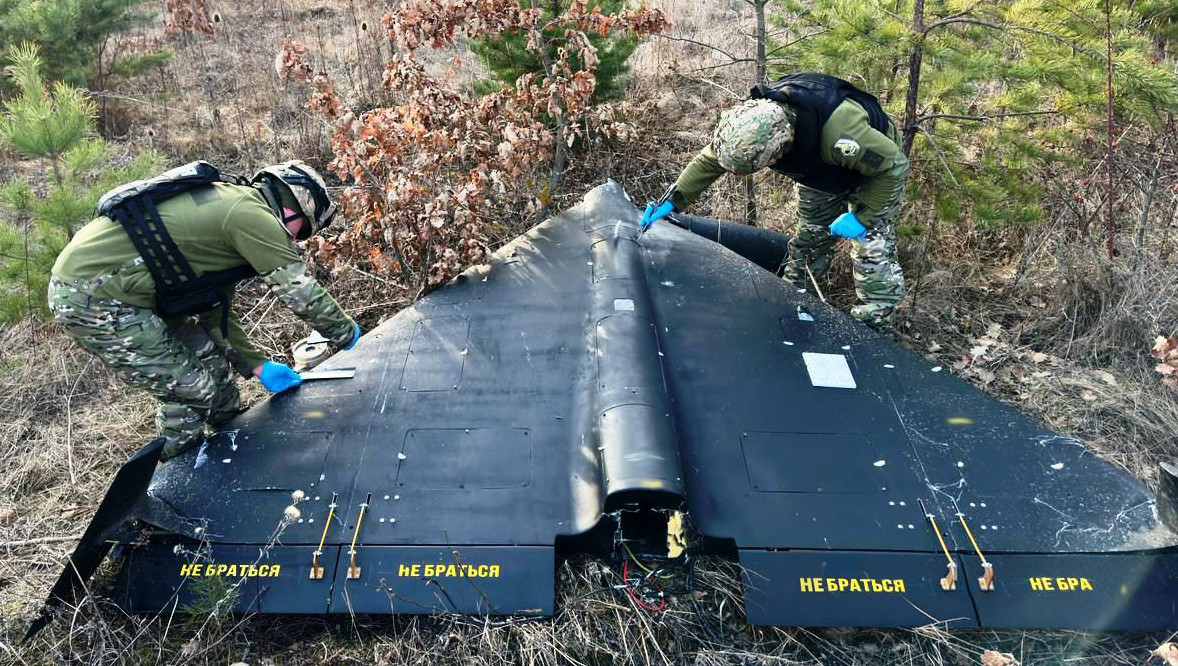
The war in Ukraine illustrates the problem clearly. Military readiness and procurement capacity still vary significantly across the alliance.
While the United States can often mobilise resources quickly, European defence industries more often face production constraints, procurement delays and logistical bottlenecks. Wartime demand, economic pressure and supply-chain vulnerabilities can all disrupt output. If these gaps remain unaddressed, they may create friction within the alliance and weaken the credibility of collective defence.
Trust and strategic communication become central
Another essential requirement is trust – not only in military capability, but in political judgement and institutional reliability.
Military readiness often takes weeks or months to build, while political decisions on deployment or response may have to be made within hours. Rapid action is only possible when allies are confident that others will act predictably and in line with agreed strategic objectives. There should be no surprises within the alliance. Trust, in this sense, is not only a military necessity, but a political one.
This also shapes how allies interpret crises beyond Europe. Tensions in the Middle East, including those involving Iran and Israel, again show how central threat perception remains.
The United States may place greater emphasis on containing Iran and supporting Israel, while European allies may focus more on energy security, regional stability and the wider implications of Russian involvement. These dynamics are not separate from the transatlantic relationship; they intersect with Russia’s broader strategic interests.
Moscow benefits politically and economically from prolonged instability, including through increased energy revenues and expanded geopolitical leverage. Cooperation between Russia and Iran, including military technology exchanges, only adds to the complexity.
Public diplomacy and strategic communication are central to transatlantic cohesion. In an era shaped by disinformation, polarisation and competing narratives, security depends not only on military capability, but also on credibility, clarity and public trust.
If trust in the alliance erodes, political leaders may struggle to sustain long-term strategic commitments. Institutional credibility is therefore critical, both for Nato and for the democratic institutions through which legitimacy is expressed and defended.
Crises could slowly erode the cohesion
In Estonia’s case, the relationship between strategic communication, parliamentary leadership and international credibility is particularly important: the strength of democratic institutions at home shapes the persuasiveness of the values they seek to defend abroad. Cohesion must therefore be maintained not only strategically, but also politically and publicly.
The greatest danger facing the transatlantic relationship is not sudden collapse, but gradual strategic drift. As John J. Mearsheimer argues from a realist perspective, alliances often weaken when threat perceptions diverge or when member states increasingly prioritise national interests over collective commitments.
In the current environment, differing regional priorities, domestic political pressures and simultaneous crises could slowly erode the cohesion that has long defined the transatlantic partnership. Russia, in particular, may seek to exploit such divisions by prolonging conflicts and waiting for political change across Western democracies. The alliance must remain alert to that risk and not allow internal hesitation to become a strategic advantage for Moscow.
The transatlantic relationship remains one of the most successful and enduring alliances in modern international relations. But it cannot be taken for granted. Its strength depends not only on military capabilities, but on shared threat perception, strategic trust, institutional coordination and the political will to act together. If those foundations hold, transatlantic cohesion can endure even under growing pressure.
The opinions in this article are those of the author.
NATO-EU Roundtable 2026
This article is published in anticipation of Desiree Mumm’s role as a moderator at the NATO-EU Roundtable 2026 on 17 April in Tallinn.
The roundtable will bring together high-level speakers, experts and practitioners for a focused discussion on transatlantic cohesion, European security and NATO-EU cooperation. Organised by the Estonian Atlantic Treaty Association together with Friedrich-Ebert-Stiftung, the Baltic-American Freedom Foundation, the Estonian foreign ministry and the European Commission Representation in Estonia, the event will take place under the Chatham House Rule, with very limited space available.

