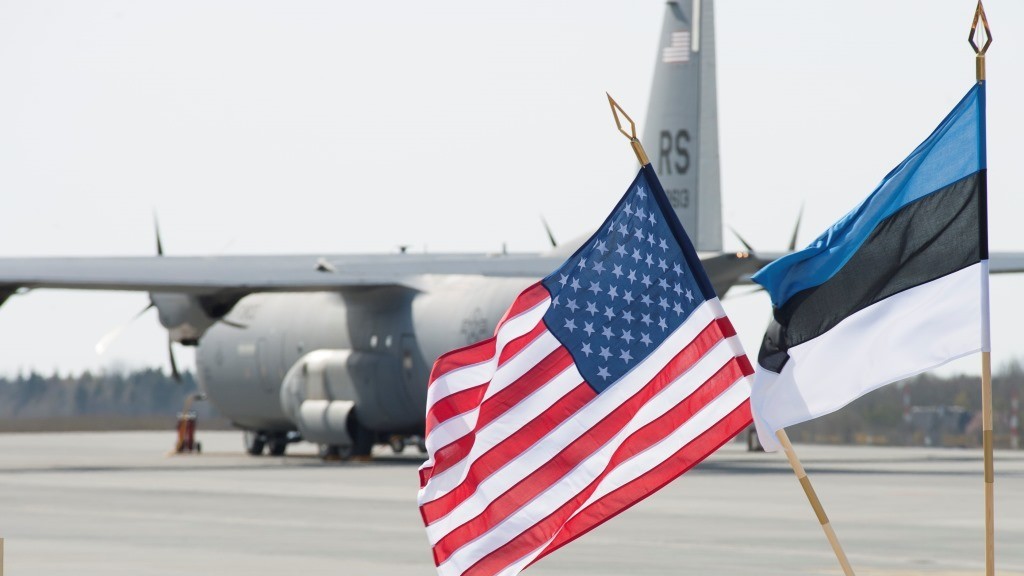
Washington’s latest security strategy has been described as yet another wake-up call for Europe. In truth, Europe no longer needs waking up. What it must decide is whether it gets out of bed and gets dressed – or continues complaining that the alarm rings too early, too loudly, and should come with a snooze button.
The strategy has already been criticised as “partly unacceptable for Europe” (German chancellor Friedrich Merz) or dismissed as “ideology rather than strategy” (European Council president António Costa). Yet the questions it raises for Europe – and for Estonia – are neither surprising nor new.
The sensible response is not criticism but adjustment. To imagine that protests from Brussels, Berlin or Tallinn might induce Washington to revise its strategy is wishful thinking. America’s elected leaders have both the right and the obligation to shape US security policy as they see fit. Europeans may dislike parts of it, but declaring it “unacceptable” is futile and probably counterproductive.
None of this means the strategy can be ignored. On the contrary, it must be taken at face value. Pretending that matters are not so serious, or hoping to sleep through the alarm, would be irresponsible. Europe’s future defence planning must therefore be based on the explicit assumption that the US position is real. If things turn out better, that is a bonus. If they do not, any unpreparedness will be Europe’s own fault.
For at least five US administrations, Washington has urged European NATO members to meet their treaty obligations. Article 3 of the Washington Treaty commits allies to maintaining and developing their own capacity to resist armed attack. In short, every NATO member is obliged to contribute responsibly to its own defence.
Although the two per cent spending target became formally binding only in 2014, most of European NATO relied on the US security umbrella for three decades. In 2006, when the target was first agreed, only six allies met it. Ten years later, just five did – Estonia among them.
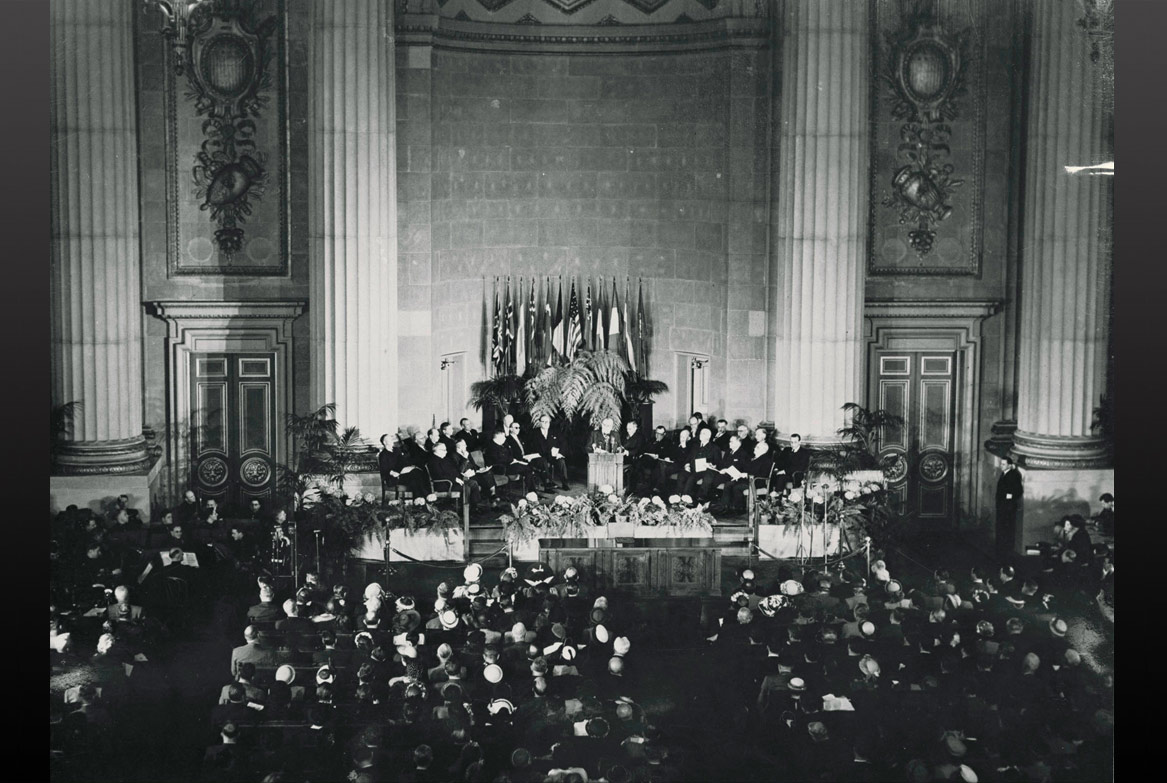
Every US president since NATO’s creation, from Eisenhower onwards, has warned that America cannot indefinitely underwrite Europe’s security. While the US has always led NATO – controlling its strategic capabilities – the alliance is now structured so that Washington effectively decides whether NATO is defended at all. NATO is an American tree on which Europeans have reluctantly grown branches.
That patience has now run out. For perhaps the first time since the Second World War, Western Europe must confront the prospect of managing its own defence.
What the new US strategy means
First, the US no longer automatically guarantees the defence of European NATO members. It reserves the right to choose which allies it will defend. This is labelled “strategic clarity”, though its practical effect is strategic uncertainty. Assistance may depend on defence spending levels, political conditions, or Washington’s broader interests. Treaty obligations alone can no longer be assumed sufficient.
Second, the US intends to relinquish leadership of Europe’s conventional defence and expects Europe to assume primary responsibility. While the strategy avoids explicit detail, the implication is clear: Washington does not intend to fight a conventional war on the European continent.
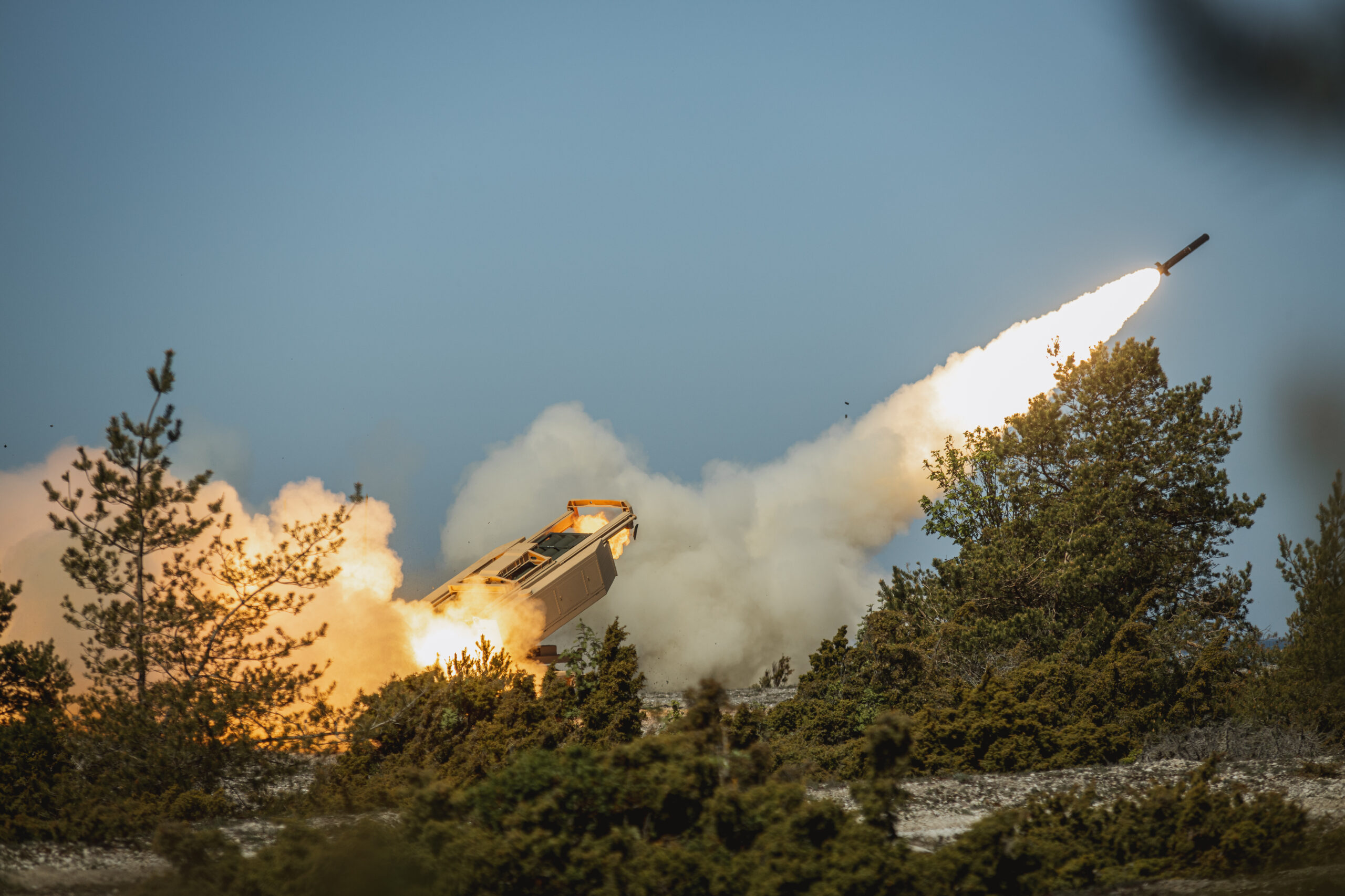
According to media reports, Europe has been given a deadline. Pentagon officials have reportedly told European allies that by 2027 they must assume most of NATO’s conventional capabilities, from intelligence to missiles. Failure could result in the US withdrawing from parts of NATO’s defence coordination.
The details may be vague, but the message is not. Europe must plan on the assumption that everything below the nuclear threshold will, in future, be conducted without the Americans – and that it has roughly two years to prepare. Any US support beyond that would be discretionary and cannot be built into planning. America’s stated priority in Europe is “strategic stability” with Russia, not Europe’s defence.
The capability gap
Europe must become self-sufficient in three areas: manpower, weapons systems, and the command, intelligence and logistics structures that bind them together. In all three, the US currently plays a decisive role.
The most important conventional deterrent against Russia is not US troops in Europe but NATO’s air superiority. NATO does not plan for a prolonged war of attrition but for rapid, high-intensity air operations that suppress enemy air defences and enable ground forces.

Numerically, European NATO has more aircraft than Russia even without the US, but American dominance in the air domain is overwhelming. The US alone fields more than 2,000 combat aircraft. No European country comes close. Scandinavia is a partial exception: the integrated air forces of Finland, Sweden, Denmark and Norway now form one of the world’s most advanced regional air powers.
Without the US, Europe would still have modern aircraft, but it would lack the command, coordination and enabling capabilities that make air power effective. The US currently provides the “glue” that binds NATO air operations together – tanker aircraft, AWACS, satellite intelligence, command systems and data networks.
To replace these, Europe would need, among other things: around 50 additional tanker aircraft; at least 25 new airborne surveillance platforms; 300–400 additional combat aircraft; extensive new missile defence systems; dozens of long-endurance drones; a constellation of around 30 military reconnaissance satellites; and roughly 50 strategic transport aircraft.
Crucially, Europe would also need fully European command-and-control systems. Today’s air operations depend heavily on US data, software, sensors and networks. Europe would need its own air operations centres capable of conducting high-intensity Article 5 missions independently, alongside a unified air and missile defence architecture and a shared operational data space.
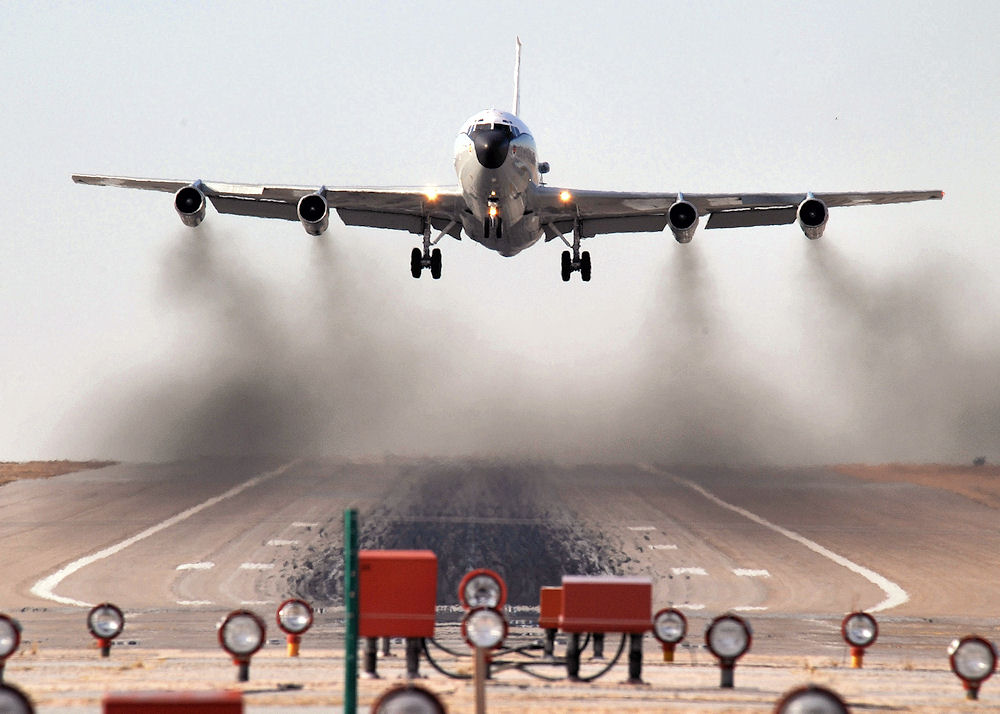
The hardware is expensive but conceptually straightforward. The harder task is doctrinal. The US currently dominates large-scale air exercises, operational doctrine, planning tools and standards. Europe would need to make continent-wide exercises routine, develop shared doctrines and create common training and simulation infrastructure.
Europe would also have to reclaim strategic decision-making authority. Under current rules, the US retains the final say on key operational decisions, including weapons release.
Ground forces and time
This is only the air domain. Without assured air superiority, Europe would need substantially larger ground forces, where Russia currently enjoys numerical advantage. Estimates suggest an additional 400,000–500,000 troops would be required to replace the roughly 300,000 US soldiers that current NATO plans assume would deploy in a crisis.
That would mean around 50 new European brigades, operating under genuinely unified command. Europe currently has 1.47 million active-duty troops, but without the US there is no integrated leadership. NATO’s Supreme Allied Commander Europe has always been an American general.
Europe must therefore either dramatically increase troop numbers or create something close to a European army, supported by continuous large-scale exercises and unprecedented political integration. Without this, defence costs would rise sharply while effectiveness declined. In the long run, conscription in major European states may become unavoidable.

Equipment shortages compound the problem. Deterring a rapid Russian breakthrough would require more tanks, armoured vehicles and artillery than Germany, France, Britain and Italy currently possess combined, alongside vast quantities of ammunition. Stockpiles are reportedly thin; a major conflict would require at least one million artillery shells in the first 90 days alone.
The political question
Cost, however, is not the greatest obstacle. The air domain alone could cost €250 billion, with ground forces requiring tens of billions more. The real constraint is time. Even under optimistic assumptions, rebuilding Europe’s air capabilities would take more than a decade. Ground forces would take longer still. None of this can be achieved by 2027.
Above all looms the political question: who leads European defence, and on what terms does Europe relate to the US once the conventional burden shifts? The US strategy is explicit: its priority is strategic stability with Russia, not unconditional defence of Europe.
If Europe assumes responsibility below the nuclear threshold, does it gain full decision-making autonomy – or merely financial responsibility? Who has the final say if Europe decides to fight and the US disagrees?
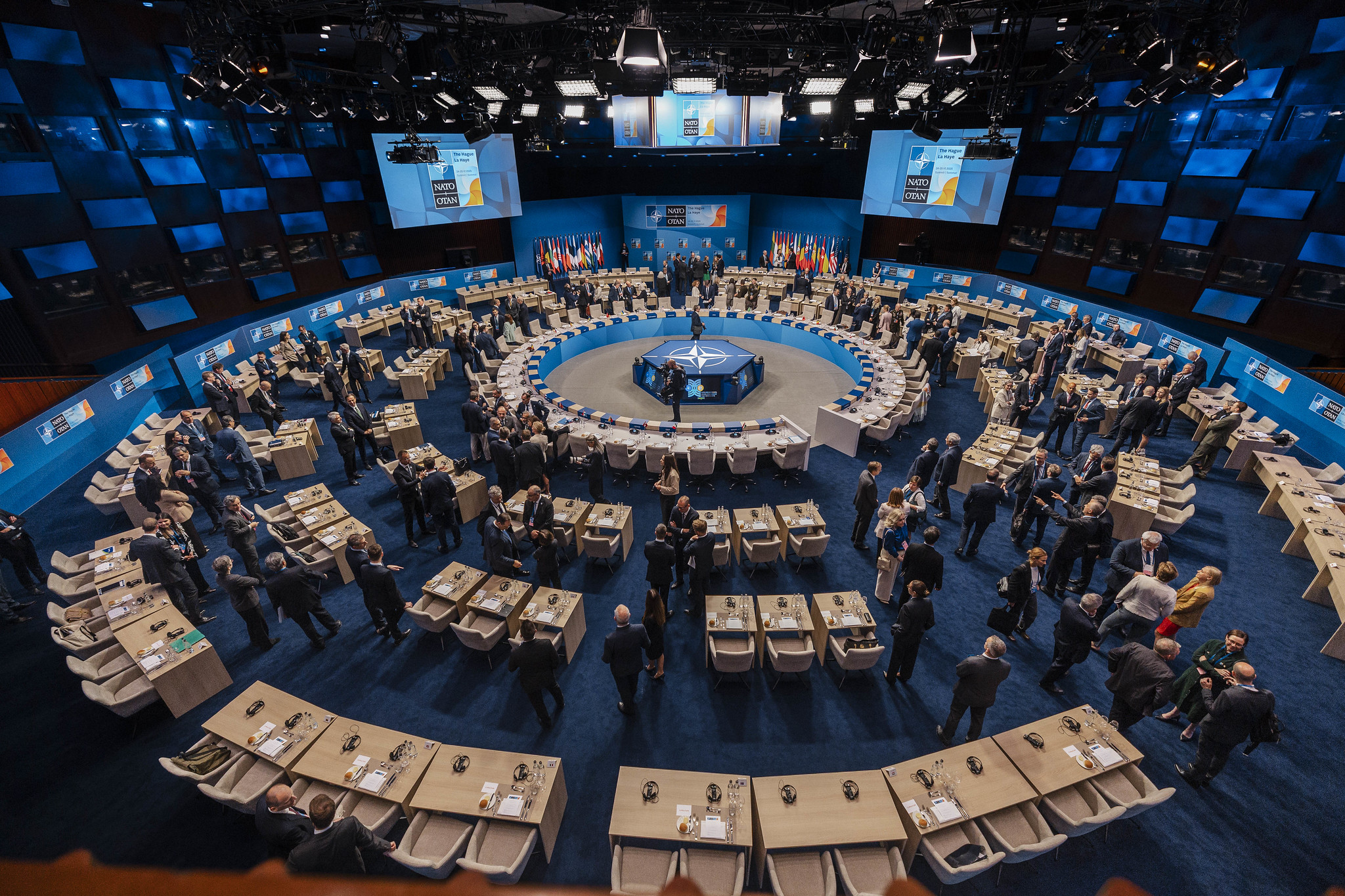
Strategic autonomy cannot be demanded; it must be built. Until then, Europe faces heightened risk from diverging US and European interests. It may suit Washington to avoid conflict in Europe even at the cost of territorial losses – a logic visible in the emerging approach to Ukraine.
NATO must therefore be depoliticised. The alliance should focus strictly on defence planning, capabilities and operations. Culture wars have no place in it.
The transition itself raises unanswered questions. Does “transferring responsibility” mean withdrawing ground forces alone, or removing all conventional capabilities? Will the US disengage gradually or abruptly? Should Europe take over existing US systems, or build its own from scratch? Is continued US “backdoor” access a risk or an asset?
Estonia’s position
Estonia’s role will depend on Europe’s choices. We must influence them – but hope is insufficient. Estonia must reassess its defence planning on the assumption that, on day X, US conventional forces will no longer contribute to European NATO’s defence.
What that would mean for Estonia in concrete terms is a question for another day.