
By welcoming a TikTok provocateur who joked about shooting his opponents, Estonia’s conservative party Isamaa is flirting with the same destructive forces that have poisoned politics in the United States – instead of behaving like the responsible Christian democratic force it claims to be.
In Tartu’s recent local elections, streamer-turned-politician Kris Kärner – known online as Istoprocent – pulled off a small political earthquake. Riding TikTok and YouTube fame, he won a personal mandate to the city council, outpolling many veteran politicians.
That story, on its own, is about changing media habits. The real scandal is what came next: Estonia’s conservative party Isamaa (Fatherland) accepted Kärner into its ranks and its Tartu council group, despite his having joked about lining Social Democrats against a wall and shooting them with a pump-action shotgun.
This is not youthful cheek. It is the language of political execution. And when a party that sits in the European People’s Party – the same European family as Germany’s CDU – shrugs and carries on, it sends a dangerous signal far beyond Estonia.
A Christian democratic party with a YouTube problem
For international readers, Isamaa is no fringe outfit. It is Estonia’s main Christian democratic, national conservative party: economically liberal, patriotic and, for most of the past two decades, a respectable centre-right player in government. In Brussels, it rubs shoulders with the CDU, the Dutch CDA and other mainstream conservatives.
Kris Kärner is something very different. He is a digital-native influencer who built his brand on gaming streams, provocative humour and a deliberately confrontational online persona. His rhetoric about shooting “sotsid” – Social Democrats – was later defended as a way to grab young people’s attention and spark debate. He did not, he insists, really mean it.
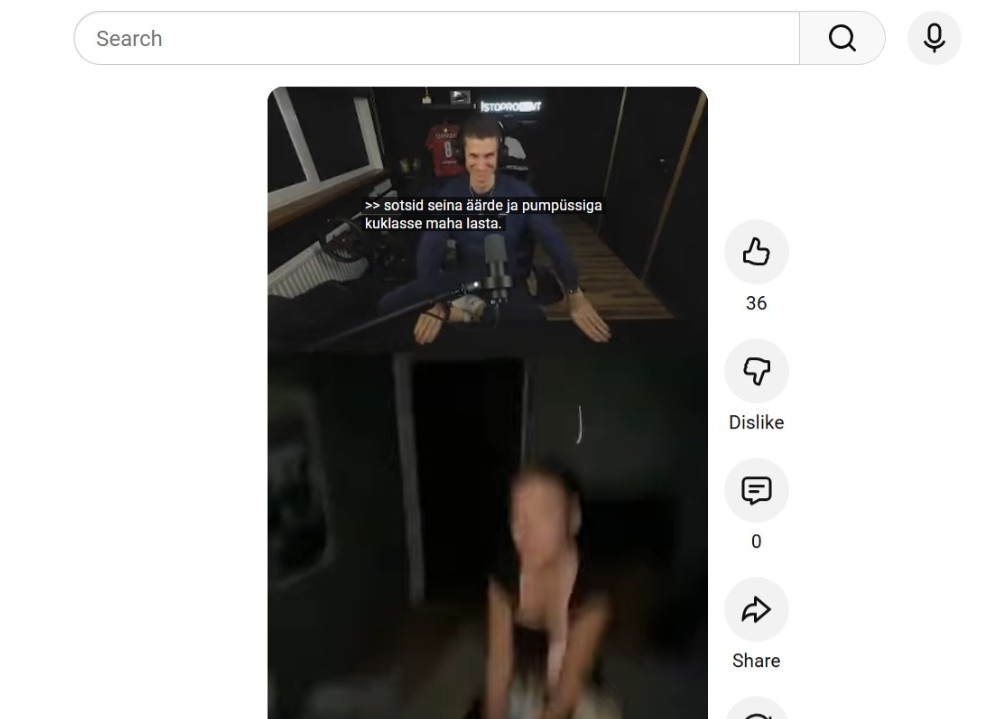
But “I didn’t mean it” is precisely how normalisation works. Today it is a joke. Tomorrow it becomes a campaign style. Sooner or later, someone listening does mean it.
A mainstream conservative party should be the firewall against that slide, not the vehicle.
America already showed us how this movie ends
If this sounds overly dramatic for a small Baltic democracy, look west.
In the United States, the Republican Party spent years telling itself that inflammatory talk was just “owning the libs”. Metaphors about “Second Amendment remedies”, fantasy violence against journalists, hints that opponents were traitors who deserved punishment – all of that was waved away as dark humour, online banter, not to be taken literally.
Then came the real-world consequences: the storming of the Capitol on 6 January 2021, threats and attacks against election officials, and a permanent atmosphere of menace around people simply doing civic jobs. Words did not stay online.
The pattern is painfully clear:
- A provocateur tests the limits.
- The party calculates that his popularity is worth more than its principles.
- The taboo erodes.
- Extremists receive the message that mainstream structures will tolerate more and more.
Estonia is still at the first act of this drama. That is exactly when responsible parties slam on the brakes.
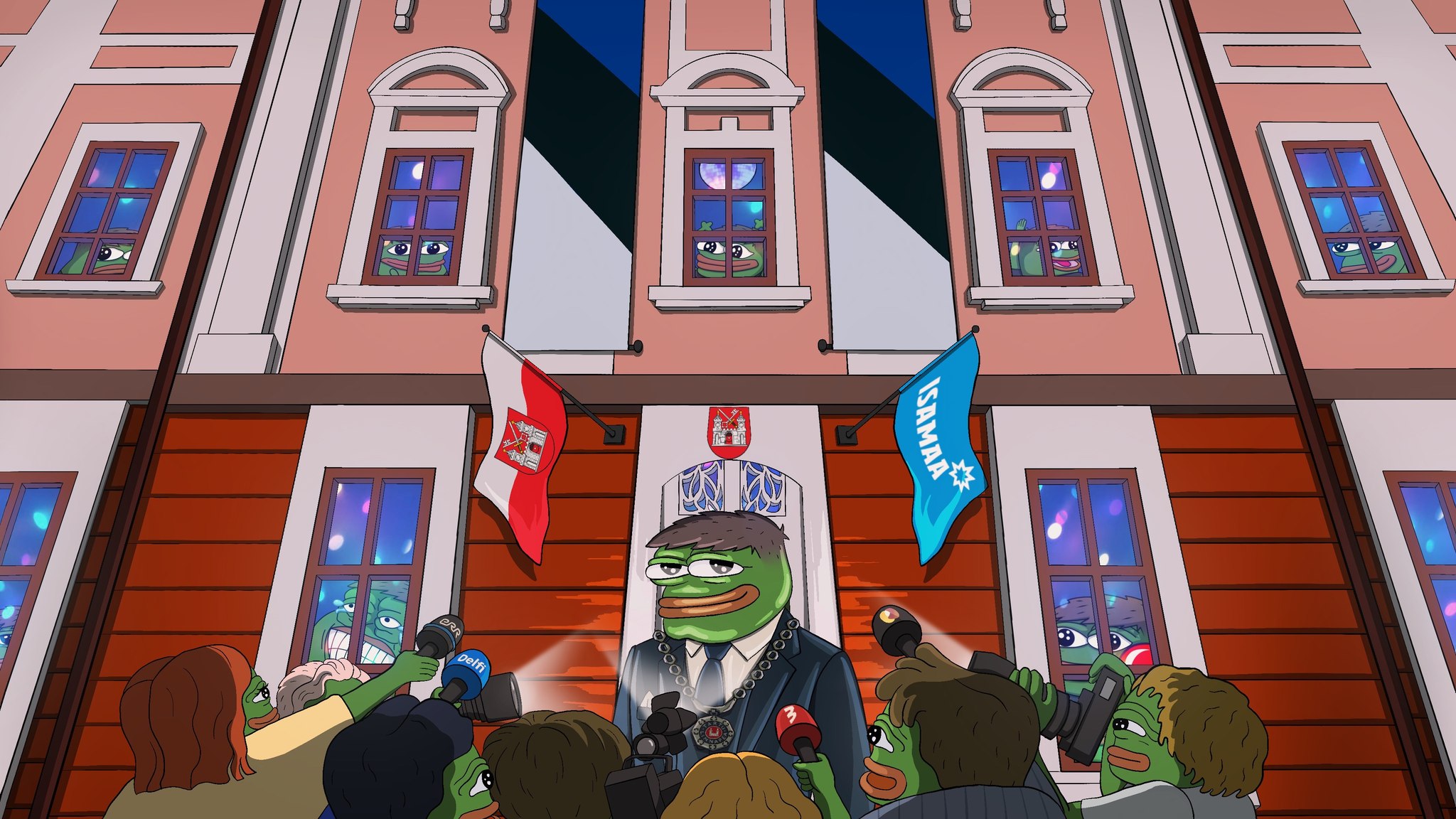
TikTok is not the problem, cowardice is
Kärner’s success has prompted a familiar reflex: panic about TikTok itself. Yes, TikTok is designed to reward outrage and emotional extremes. Yes, it is profoundly reshaping how young people consume information.
But the real issue is not the platform. It is what mainstream parties choose to legitimise on that platform.
When Estonian media outlets use TikTok to explain the news in fact-based, creative ways, they are doing democracy a favour. When a Christian democratic party embraces a man whose jokes involve executing political opponents – and then mutters that it was all just to catch attention – that is not adaptation. It is surrender.
Isamaa has other options if it wants younger voters:
- Elevate young conservatives who can argue forcefully without dehumanising anyone.
- Teach digital literacy instead of digital rage.
- Make it clear that you can be edgy and critical without flirting with fantasies of violence.
In a political culture saturated with cruelty-as-entertainment, a party that simply says “we don’t cross that line” can actually stand out.

CDU or fringe? Isamaa cannot be both
Inside Isamaa, the most striking detail is not what Kärner said about his opponents on the left, but what he felt entitled to say about his own side.
In one stream he insulted Isamaa’s veteran leader in Tartu, former minister and long-time party figure Tõnis Lukas, calling him, in effect, a “freak” and an “old oaf”. Lukas – who went on to become chair of the Tartu City Council – stated he would not sit in the same faction as Kärner.
Isamaa still accepted Kärner as a member of its city council faction. Lukas stayed out.

This is not the heart of the story, but it is revealing. A Christian democratic party chose to keep the man who brings TikTok clout and let its most experienced conservative in Tartu stand aside. That tells every ambitious young activist exactly which behaviour is rewarded.
It tells ambitious young activists that the quickest route to power is through outrage, not argument. It tells extremists that a big enough online following can buy forgiveness for almost anything. And it sends an uncomfortable message to Europe that one of the EPP’s member parties is flirting with the aesthetics and vocabulary of the alt-right.
A party called Fatherland should think more carefully about what kind of political culture it is bequeathing to the next generation.
The line Isamaa still has time to draw
It is not too late for Isamaa to change course. Courage, in this case, would be simple and visible:
- State clearly that fantasising about killing political opponents is incompatible with membership of a Christian democratic party.
- Demand an unequivocal apology for the words themselves – not for “misunderstandings”.
- Put its energy into building a new generation of digitally fluent conservatives who understand that influence comes with responsibility.
Estonia does not need another party playing copycat with the worst instincts of American and European fringe movements. It needs a conservative force that knows the difference between robust debate and reckless incitement – and acts accordingly.
Isamaa must decide: does it want to be Estonia’s CDU, or just another party chasing clicks while the foundations of democratic culture quietly crack beneath its feet?