Moldova is working towards EU membership – but farmers still queue with paper folders; Estonia wants to change that.
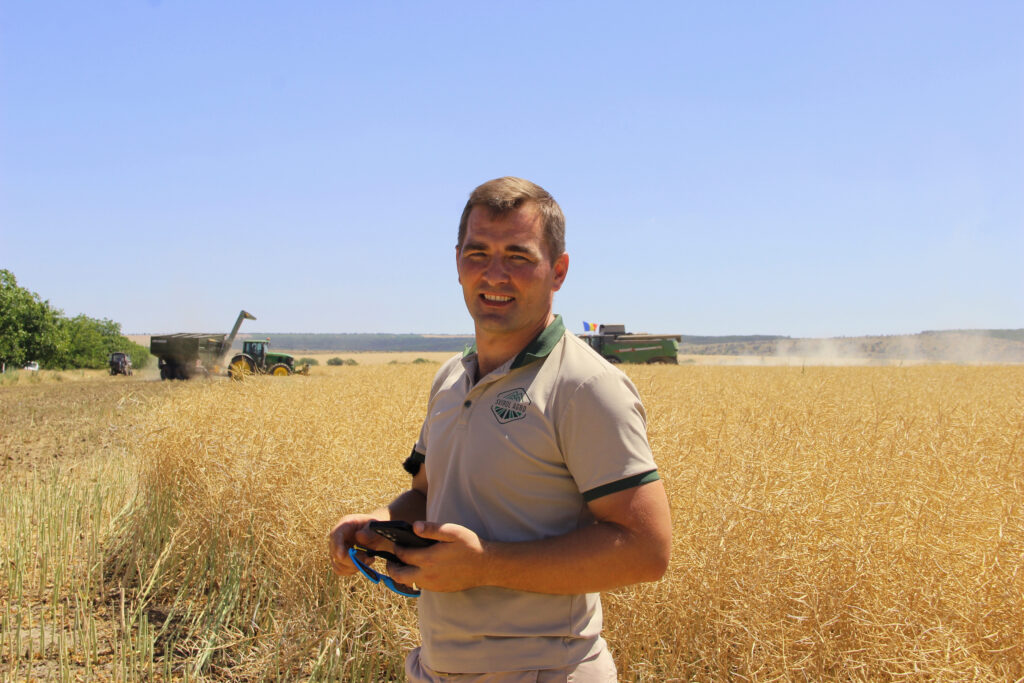
“I’m running around town with documents right now,” says Veaceslav Burlacu, a third-generation farmer from southern Moldova. As a small boy, he and his father would walk across the fields with a ruler to measure crops. Today, everything on his farm is digital – he monitors most of his fields on screens.
But when it comes to applying for funding, it feels like stepping back in time. He has to collect stamps on his documents from office to office. “Some inspectors still check every signature and every stamp,” Burlacu says. At times, he even has to get a stamp on a document he has already submitted online.
Change, however, is in the air – and he can feel it.
“Now it’s much faster,” he admits. “About half of the documents can already be obtained online.” Digitalisation has already saved him time, and he is excited about European funding. Once available, it could be a real game changer.
“We’re ready!” Burlacu adds enthusiastically.
His optimism is well founded. Moldova’s path towards the European Union is set to transform the way farmers like him apply for support.
The EU allocates around a third of its total budget to agriculture – meaning substantial support is expected to reach Moldova in the coming years. But for that to happen, the subsidy system needs a rapid upgrade.
“Farmers arrived frustrated and exhausted”
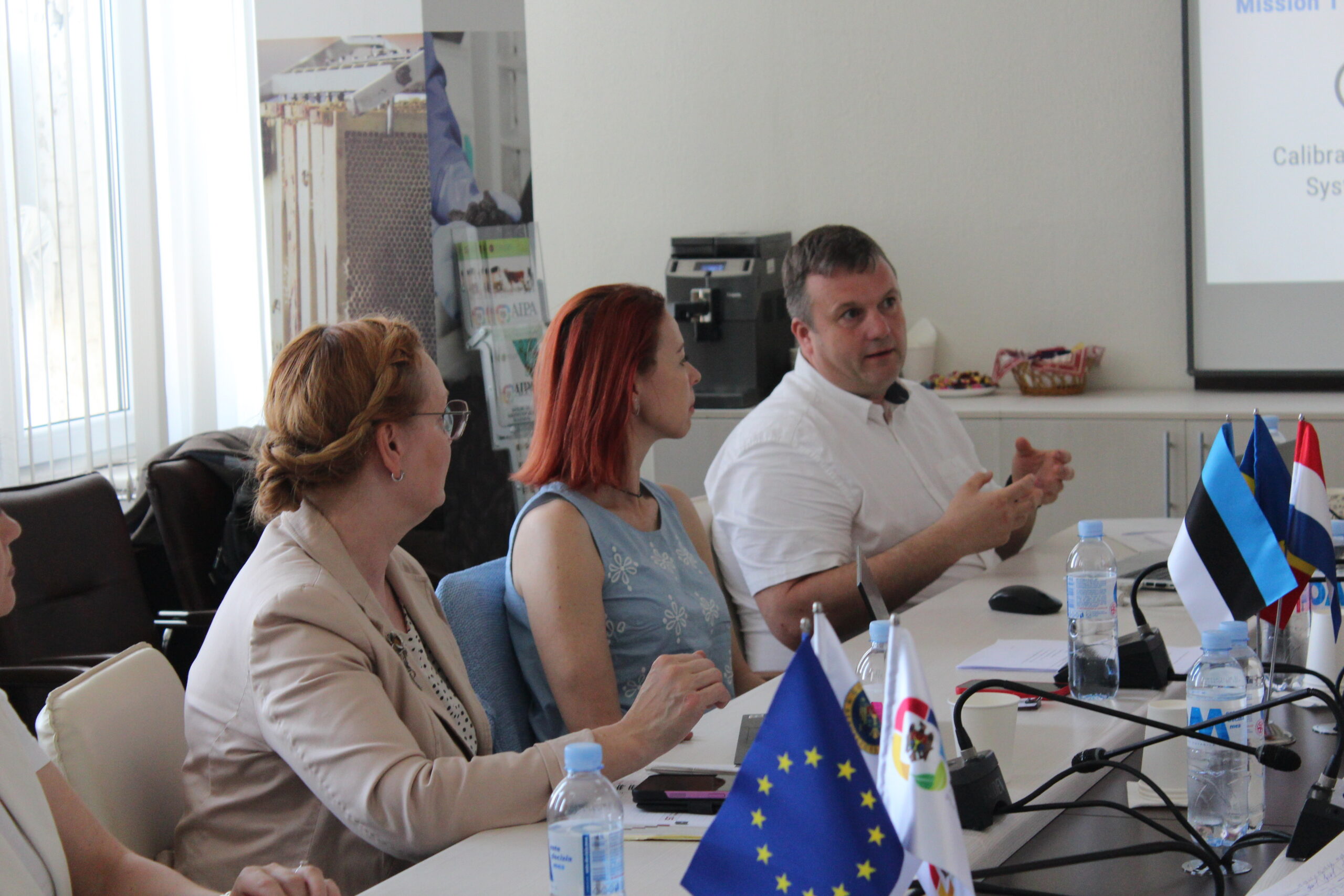
Meanwhile, in Chișinău – Moldova’s capital – Estonian experts gather in a small meeting room at the country’s Payment Agency, which distributes grants to farmers. As part of the EU-funded Agrifood Twinning project, Estonia and the Netherlands are supporting Moldova’s agriculture ministry and the Payment Agency in strengthening institutions and improving administrative efficiency.
Their task is to cut through the paperwork and ensure that information flows smoothly between offices – so that Burlacu and others like him no longer have to run around town collecting stamps. The Twinning project is administered by the Estonian Centre for International Development.
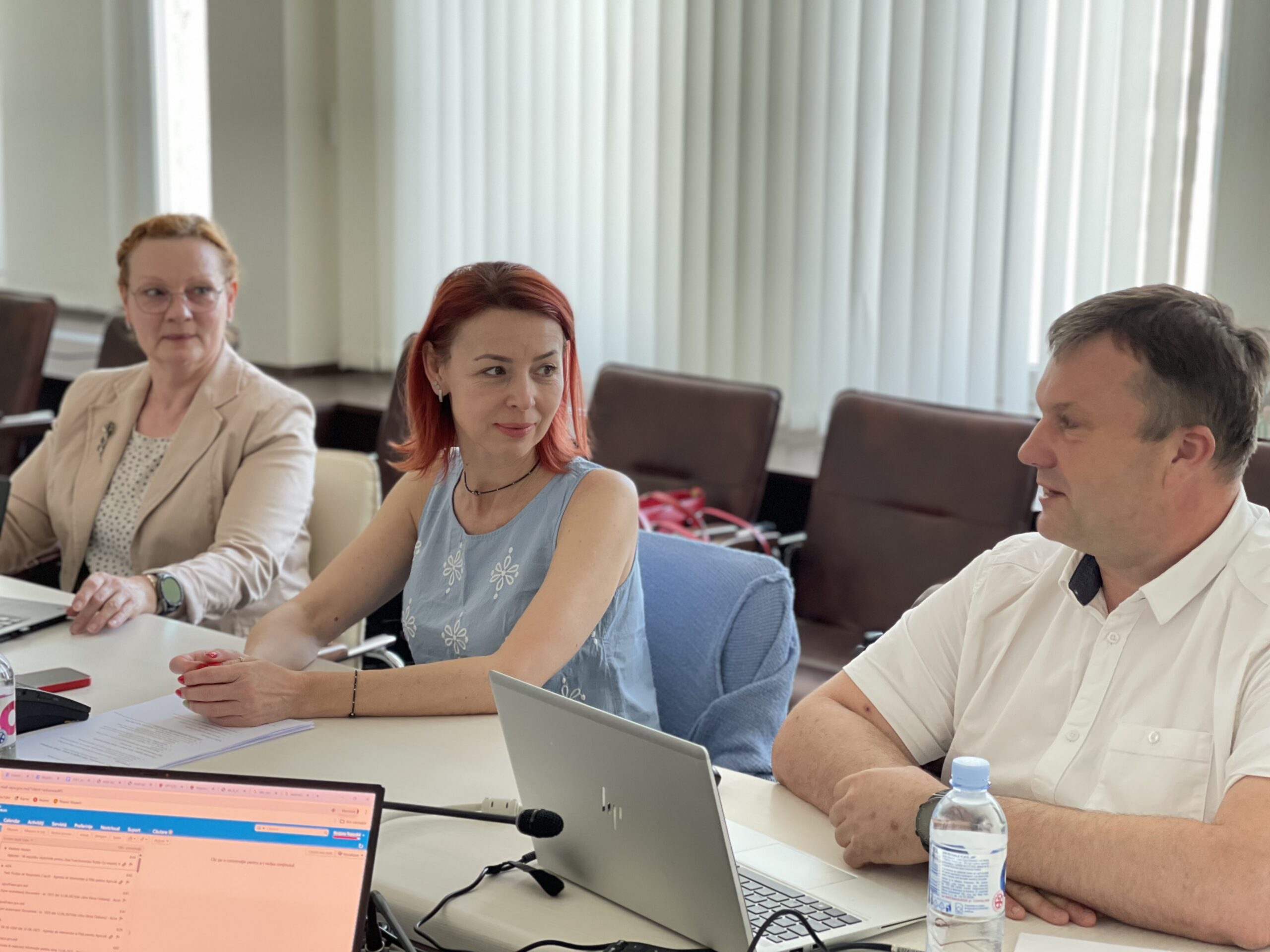
Liina Tilk, Head of Human Resources at Estonia’s Agricultural Registers and Information Board, says that hearing what farmers have to endure in Moldova reminds her of Estonia some twenty years ago.
“I remember long lines of farmers coming into the office with their applications,” Tilk says.
Everything was done on paper. Farmers had to bring health records for each animal, company certificates and land-use documents. Every piece of paper – stamped and signed – had to be collected from a different office. Farmers arrived at her office frustrated and exhausted, carrying stacks of documents.
“It was hard to manage all that,” Tilk says.
Today, those long queues are history. The process is fully digital and transparent. Farmers apply for funding with just a few clicks on their laptops. Information is shared automatically between agencies – eliminating the need for farmers to travel from office to office.
According to Ene Kärner, a leading Estonian expert in digital agriculture, digitalisation reduced the time spent applying for agricultural subsidies in Estonia from five hours to just 45 minutes.
Now Tilk is in Chișinău, helping her Moldovan counterparts achieve the same transformation. She is one of many Estonian and Dutch experts supporting Moldova as it aligns its agricultural systems with EU standards.
No more queues
“We are learning from international best practices so that we can obtain EU accreditation as a payment agency,” says Dumitru Popovici, Legal Director at the Payment Agency.
Only then would the agency be able to manage European funds and channel them to farmers – which is precisely why the system is moving online.
For now, all support for farmers still comes from the Moldovan state. But Popovici hopes that by 2027 Moldova could begin accessing EU pre-accession funds. That, he says, would make a significant difference for local farmers.
“For farmers to have a better life”
“Everything we do is so that Moldovan farmers can have a better life,” says Agnes Naarits, Estonia’s Twinning Adviser for the Agrifood Project, who is working in Moldova.
Together with the Payment Agency and the agriculture ministry, Estonian and Dutch experts are designing systems that make grants simpler to apply for, easier to track and more transparent.
“This isn’t just consulting,” Naarits says. “It’s cooperation between equals. We’re not only sharing technology – we’re sharing confidence.”
Naarits knows first-hand what it means to prepare for EU membership. “We’re helping Moldova build systems that allow agricultural funds to be managed transparently and accessibly,” she says. In her view, applying for support one is entitled to should be straightforward – not a legal maze.
“We show them that it can all be done without paper,” she continues. “That information can move between agencies. That a farmer doesn’t have to be a lawyer to receive support.”
Before Estonia joined the European Union, experts from Finland supported Estonia through the same process. Now, it is Estonia’s turn to pay it forward.
Naarits’s Moldovan colleagues bring plenty of enthusiasm to the table – but both the Payment Agency and the ministry remain severely underfunded.
From paper files to digital powerhouse
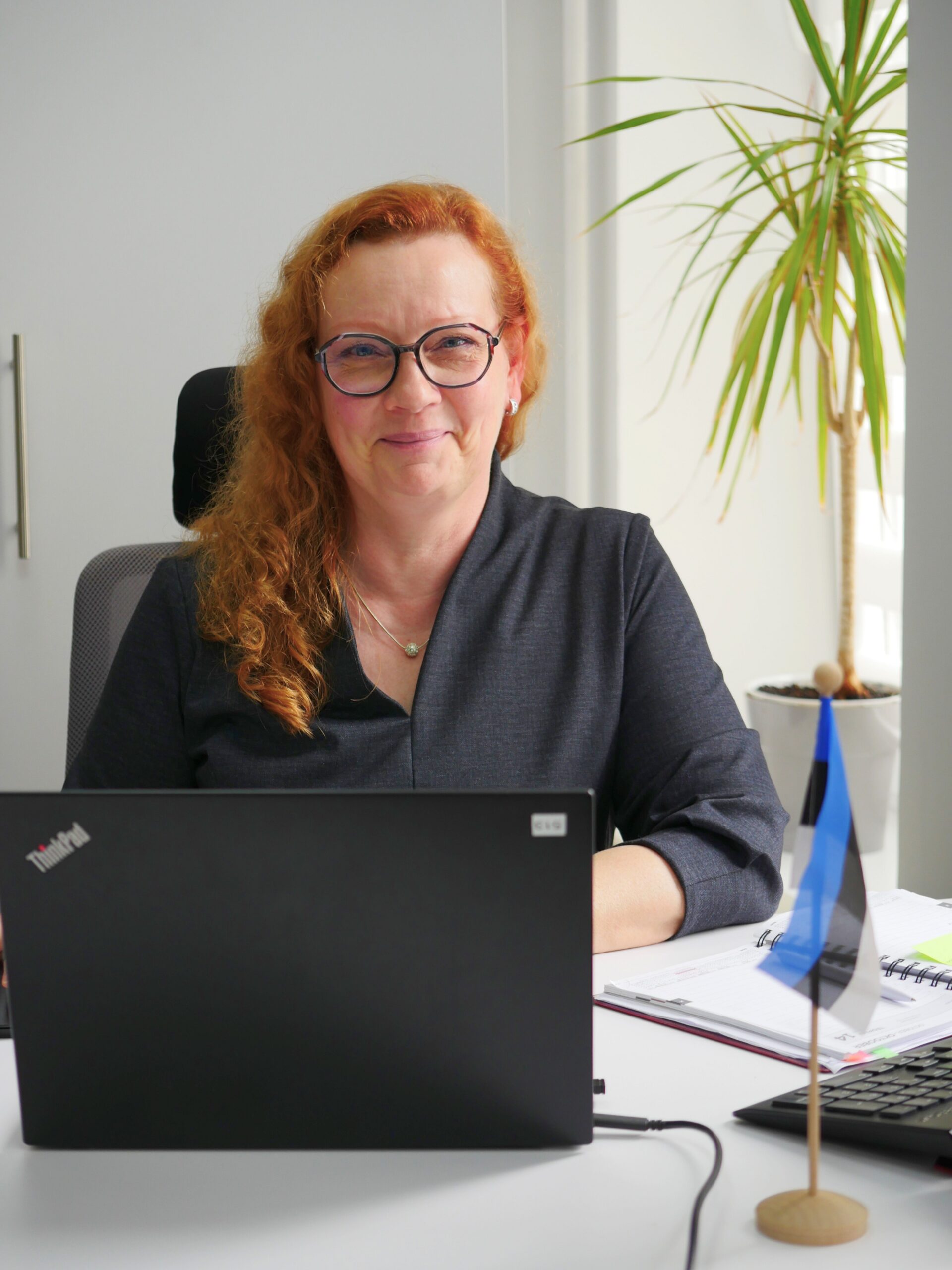
Estonia’s transformation did not happen overnight. When the country joined the European Union, its systems were still new and fragile. Yet within a few years, Estonia had built one of the most digitalised agricultural support systems in Europe. Farmers could apply online, track their payments and see exactly where every euro went.
That experience is now being shared with Moldova.
What strikes Naarits most is the energy of her Moldovan partners. “They want change. They’re eager to learn and adapt. We will help them avoid the mistakes we made,” Naarits says.
Digitalisation may sound technical, but its impact is profoundly human. It gives farmers a voice, ensures fairness and strengthens public trust. It is also a symbol of Moldova’s path towards the European Union. Transparency and efficiency are not just EU requirements – they are European values.
Every new digital step brings Moldova a little closer to its goal.
Estonia’s smart solutions changed everything. In Moldova, that change has now begun.