

Starting from a low level of technological development, Estonia has been remarkably successful in building a modern, high-tech e-government system – one that is widely admired internationally; this article outlines the background to Estonia’s journey.
The period from the late 1980s to the early 1990s was one of profound change for many countries: those that had been annexed by the Soviet Union; those that had lived under the influence of powers that subsequently collapsed; and others adjusting to a transformed world order. Estonia was among the countries occupied by the Soviet Union during the Second World War. In addition to the fifteen Soviet republics, there were also other nations – satellite states that formed part of the so-called Eastern Bloc.
Like others, Estonia faced a range of difficulties, including enforced political integration, challenges in social welfare, and economic and technological stagnation. Extensive literature has been written about the first three problems mentioned, but far less has been published on technological issues in Estonia during the transition period. In particular, little attention has been paid to the development of state information systems and the emergence of e-government in Estonia.
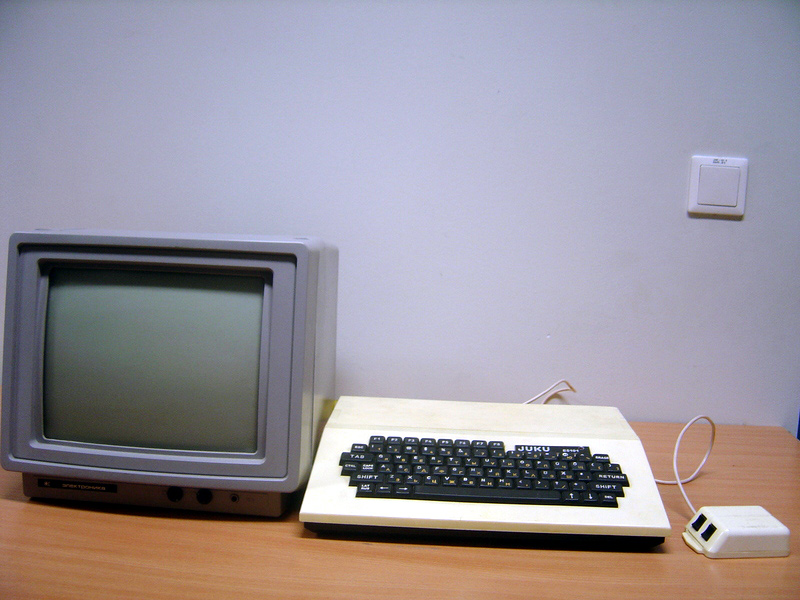
Technological advancement in Estonia at the time could be described as limited. Estonia’s IT environment was regarded as “typical of the region”. The country lacked many “technological conveniences” taken for granted in Western countries; for example, the telephone system functioned poorly.
From limited technological development to identifying new opportunities
Estonia’s case is compelling because, compared with many other countries, its technological development began later than in the Western world. While others were already a decade – or even two – ahead in the development of e-government, Estonia was still finding its way. Yet it is striking to see how a country that started so late has reached a level comparable to that of other, wealthier states.
In a sense, Estonia was fortunate: it began building its information and communication technologies at a time when the internet was still in its formative stages, and was therefore able to take advantage of its emerging capabilities when implementing modern digital solutions.
To explain Estonia’s e-government phenomenon as clearly as possible, it is first necessary to define what “e-government” means. The term can encompass a range of meanings, shaped by differing understandings of state information systems and by prevailing paradigms in information technology. Definitions are also influenced by earlier usage and established concepts. In addition, the meaning of e-government is shaped by the political and social context in which it operates, as well as by the perceptions of different stakeholders.
Estonia was one of many Eastern European countries occupied by the Soviet Union during the Second World War, and it remained under Soviet rule for more than half a century. Like its regional contemporaries, Estonia inherited Soviet political, governmental, social and economic systems – all of which required restructuring after the country regained independence on 20 August 1991.
Many of the reforms that followed were driven by pragmatic rather than ideological considerations. The challenges included implementing liberal economic policies, reshaping political ideas to suit a newly restructured modern society, integration into the Western community, and managing the socio-economic consequences of the collapse of Soviet institutions, to name but a few.

Estonia’s post-occupation success was greatly moulded by Soviet ideological influence. All three Baltic countries underwent similar structural, political, social and economic integration into the Soviet Union; however, important differences can nevertheless be identified in their experiences.
First, political integration was tightly controlled through Moscow’s centralised rule. One indication of the relative limits of that centralisation in Estonia was that dissident activity and protests against Soviet rule were, to some extent, more widespread there than in the other Baltic states.
Second, cultural integration – pursued through Russification and the compulsory learning of Russian – was less successful in Estonia.
Third, economic integration was particularly centralised: autonomous economic decision-making was strictly constrained, and large-scale technologies were introduced alongside the collectivisation of agriculture. Estonia had a smaller share of large-scale industry and Soviet Union-wide enterprises than its Baltic neighbours – which, in turn, proved advantageous when restructuring the economy after occupation.
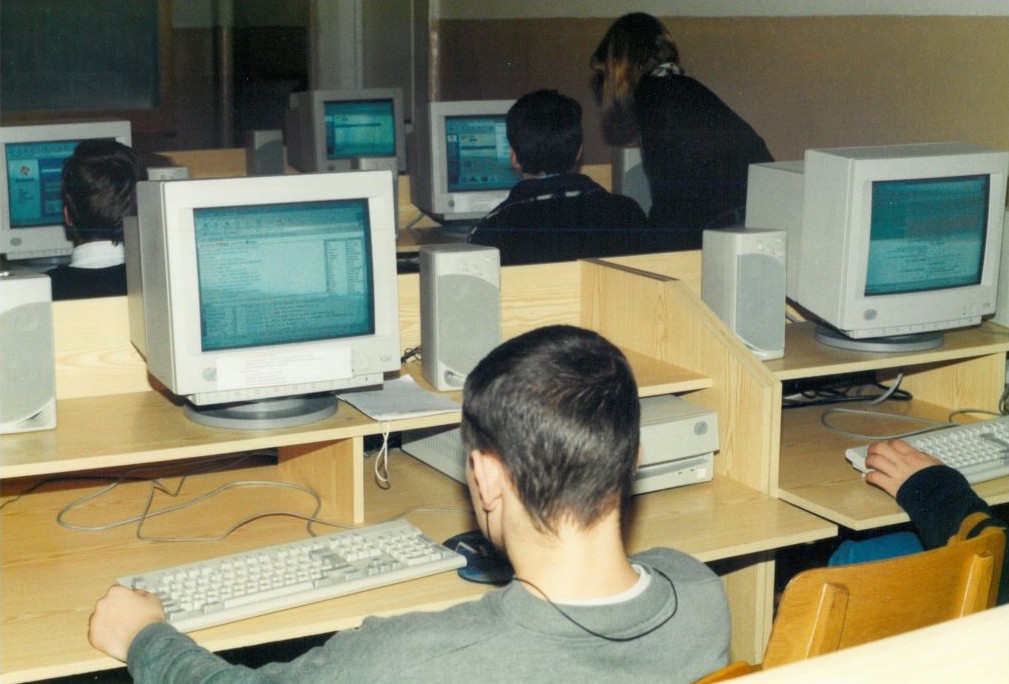
However, Estonia shared many similarities with other post-Soviet countries in key aspects of information technology. For instance, the main challenges in Estonia – as in its regional contemporaries – were technological rather than managerial.
There was much to learn in order to remain competitive in a rapidly changing technological environment. Moreover, as organisations became increasingly dependent on information technologies, Estonia was determined to implement high-tech solutions as quickly as possible – and, in time, earned the nickname “e-Estonia”.
From the Soviet-era Institute of Cybernetics to the X-Road network
Estonia did not have a significant supporting information infrastructure to facilitate the adoption of high-tech IT practices. Nevertheless, one of the first noteworthy developments was the establishment of the Institute of Cybernetics in September 1960, as part of the Academy of Sciences in Soviet Estonia. While analogous institutions elsewhere in the Soviet Union tended to focus on mathematics and engineering, the Estonian institute concentrated on computer programming and multidisciplinary fields.
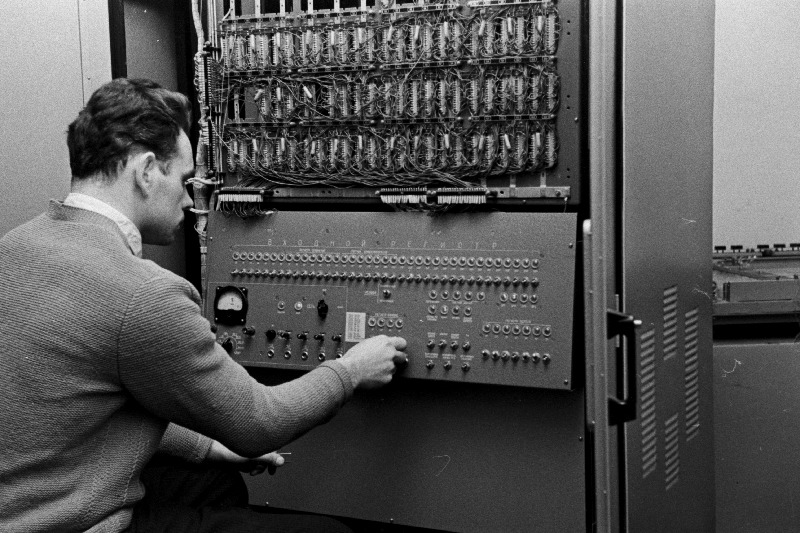
Although this positive experience distinguishes Estonia from some of its contemporaries, it is clear that the country still operated with a relatively weak IT infrastructure, shaped by the lack of economic development under communist rule. It should also be noted that locating reliable literature on Estonia’s pre-existing information infrastructure is difficult – if not impossible.
In addition to the relatively distinctive Institute of Cybernetics, several other milestones in the evolution of Estonia’s e-government deserve attention. In 1993, the IT community prepared a strategy paper setting out the foundations and principles for managing modern, well-functioning state information systems.
A dedicated IT department was subsequently established within central government, and additional funding was allocated to cover IT expenditure across government agencies. The development of e-government – and of information and communication technologies more broadly – was also shaped by a series of laws: the Personal Data Protection Act (1996); the Databases Act (1997); the Principles of Informatics (1996); the Identity Documents and Digital Signature Act (2000); and the Principles of Information Policy (1998).

Government IT procurement was later unified, culminating in the launch of a government-wide backbone network, EEBone (“Peatee” – “throughway” in Estonian), in 1998. The network connected government bodies, providing secure access to the internet and intranet.
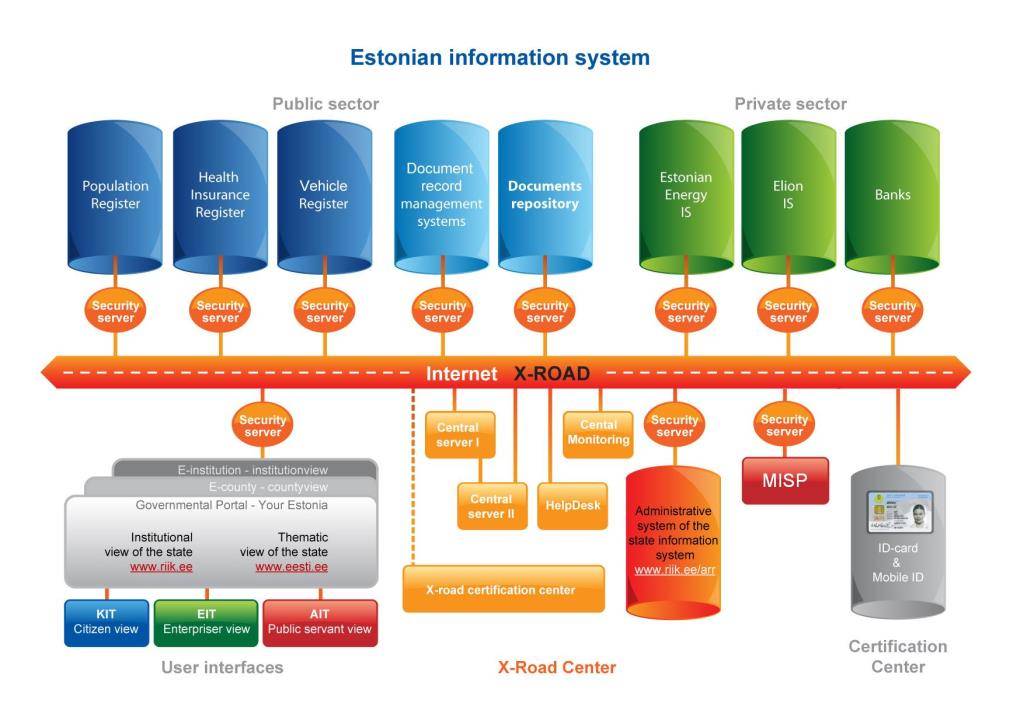
In 2001, the X-Road network was introduced, enabling a wide range of government databases to communicate with one another. It allowed both officials and citizens to access information held in those databases.
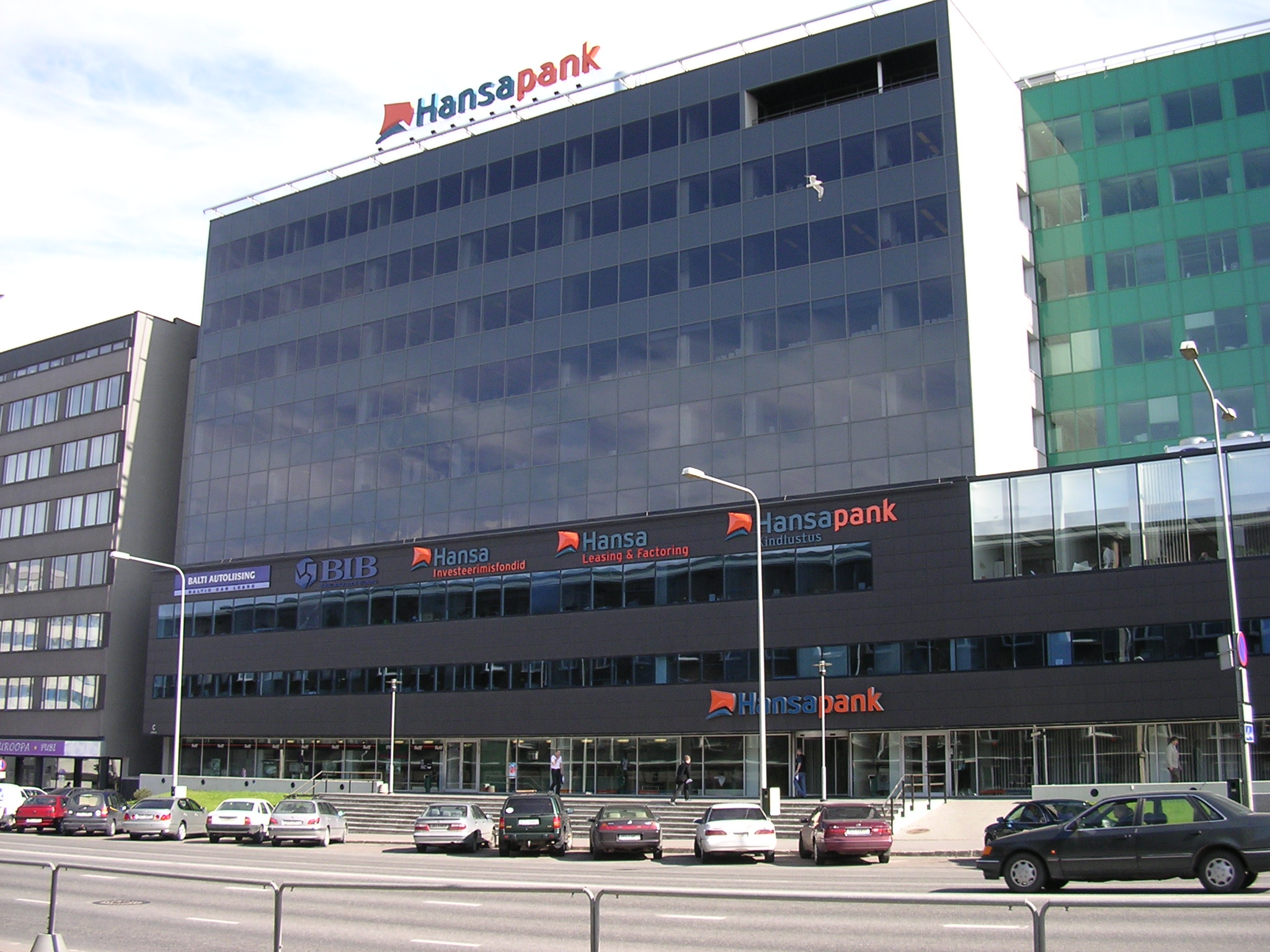
The banking sector benefited from Estonia’s liberal economic regime and sound financial policies. In turn, it became an influential IT innovator by introducing online banking in 1996. The system was simple, high-quality and secure – qualities that attracted the majority of internet users and converted them into customers. Those same strengths later led many state agencies to adopt the identity-verification mechanisms used in online banking, enabling government services to move online.
Since 2000, Estonians have been able to file their taxes online using identity verification via their online banking system. Over time, an increasing number of services also became accessible through online banking – for example, buying a bus pass online, paying for utilities and telephone services, and participating in local and national elections. In addition, the identification system allows users to verify their identity on private-sector partners’ websites using the same online-banking-based method.
The role of government is constantly evolving, and its functions are increasingly converging as more services and transactions are expected to be delivered more efficiently. Electronic government – a concept that first emerged within the public administrations of industrialised countries – developed in response to these expectations.
Over time, e-government has become ever more relevant to the delivery of efficient services and public value across public administration, central government and restructured state information systems. ICTs help to advance these aims by offering new and innovative solutions, and by supporting governments in integrating and enriching flows of communication both locally and globally.
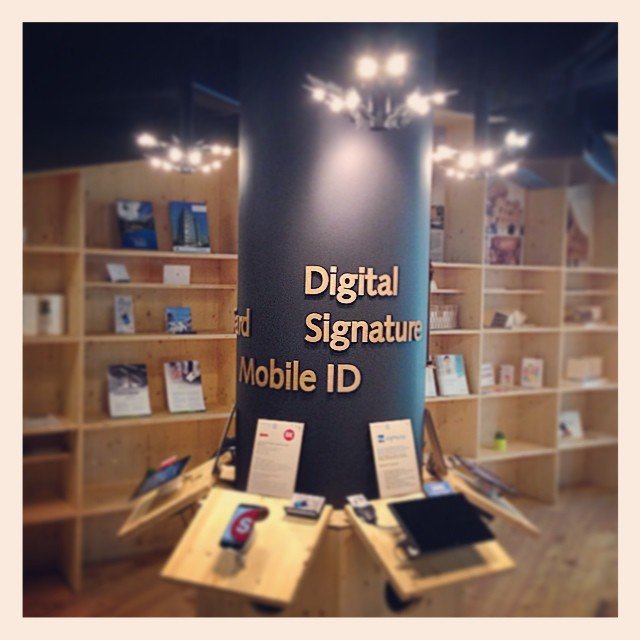
Estonia’s experience offers a striking example of a young state that implemented modern e-government practices within a relatively short period and with limited resources. It is the story of a country that appears to have built its information infrastructure from scratch, albeit with access to external know-how and the ability to import computer technologies. The circumstances – and the level of technological development – that Estonia faced 20 years ago created distinctive opportunities and solutions that cannot simply be replicated in today’s very different technological environment.
Even so, it is reasonable to assume that the importance of e-government will continue to grow. Estonia’s case therefore offers valuable lessons: it shows how, even when starting from scratch and working with limited resources, it is still possible to achieve highly successful outcomes.


Perfect
Dear Regina, that was a great article on e-Government !!
If I have time for 3 days in Estonia and wanted to see the best of their e-government, what would be the best things or best departments to be visited ? By the way, I am from Malaysia. We have started with many eGovernment plans since 1997. But for some reason, only a few such as eProcurement, Natonal Smartcard ID etc are providing some benefits. Appreciate if you can share your e-Stonia experience
Thank you!
I would recommend contacting the ICT Demo Centre and e-Government Academy. They are the best places to start with!
Greetings from Czech Republic. I hope the next government will work on digitalization as hard as they can in our country. We voted for Pirate party so maybe it will change.