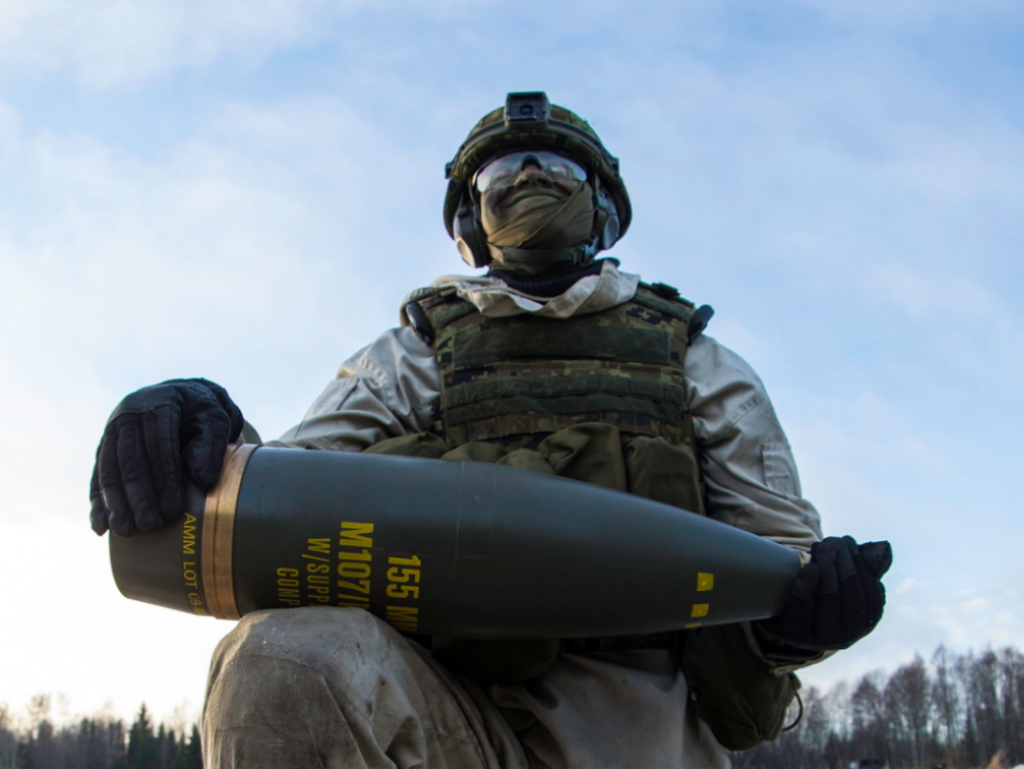
Estonia has opened its first ammunition manufacturing plant in almost 100 years, marking a significant expansion of the country’s defence industry and its ability to supply itself in a crisis.
The new facility, operated by defence company Nitrotol, has begun production at the Ämari mini defence industry park, developed by the Estonian Centre for Defence Investments. The plant produces military explosives, with an official opening ceremony held on site on Tuesday.
“With the opening of the Ämari plant, Estonia has taken a major step forward – we have become a country that manufactures ammunition,” the defence minister, Hanno Pevkur, said. Nitrotol is the first company to manufacture and export military materials and ammunition in Estonia since the early 20th century, he added.
Pevkur said that bringing such production back to Estonia would concentrate critical know-how and resources at home, strengthening the country’s resilience in times of crisis. He also underlined the broader economic impact, pointing to increased exports, new jobs and the long-term growth of the defence sector.
For Nitrotol, the launch represents a milestone both for the company and for Estonia’s domestic defence industry. “This is an important stage of development,” said Jens Haug, a member of the company’s management board, noting that the factory supports not only national defence but also the firm’s future expansion.
Haug said the process had been a learning experience for both the company and state authorities, given the novelty of establishing military explosives production in Estonia. He highlighted close cooperation with regulators, defence institutions and other state bodies as key to bringing the project to completion.
Nitrotol’s products are already used by the Estonian Defence Forces and by several other NATO countries. The company is also planning to expand production to a new defence industry park in Ermistu, where manufacturing is expected to begin in 2027.
The opening comes amid a broader push across Europe to strengthen domestic defence production capacity in response to growing security pressures and increased demand for ammunition.