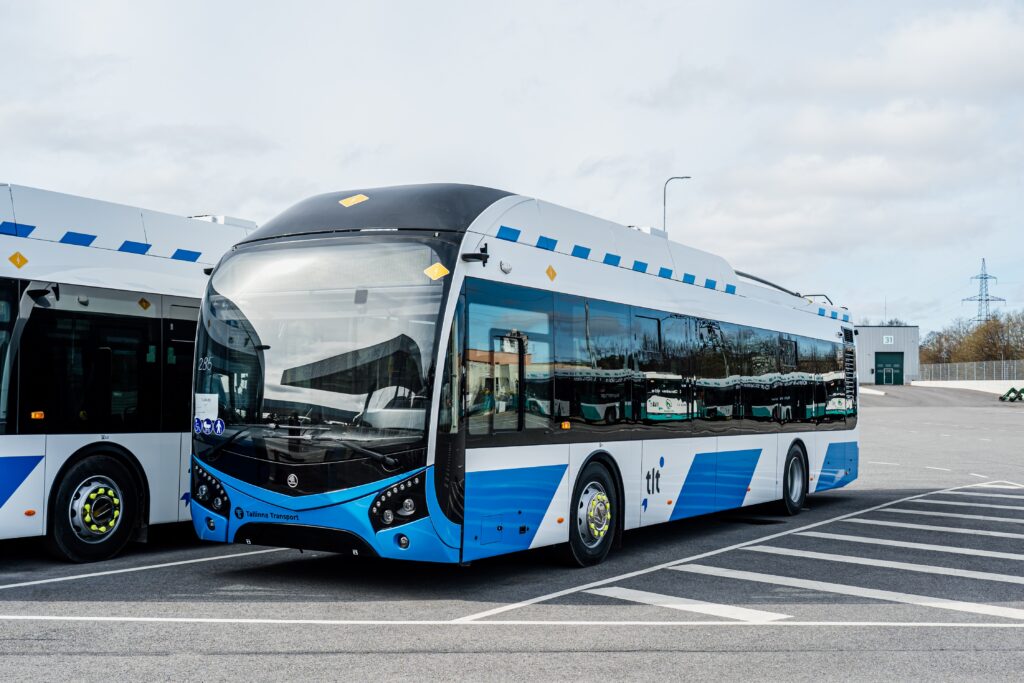
Škoda Group has unveiled a new fleet of battery-powered trolleybuses in Tallinn, as the Estonian capital presses ahead with efforts to modernise its public transport system and cut urban emissions.
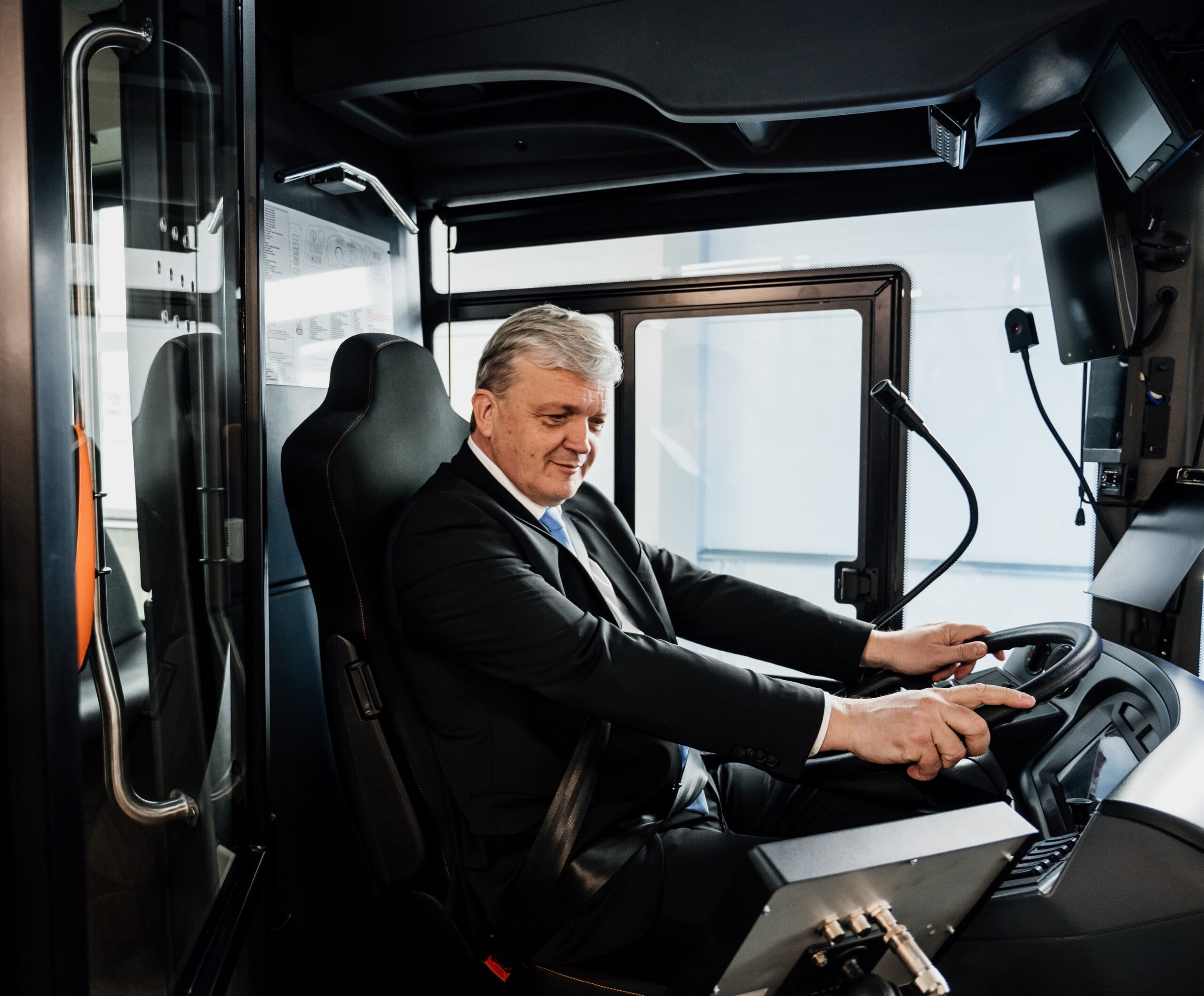
The Czech transport manufacturer presented the vehicles in Tallinn on Wednesday, with officials and journalists taking part in a first test drive.
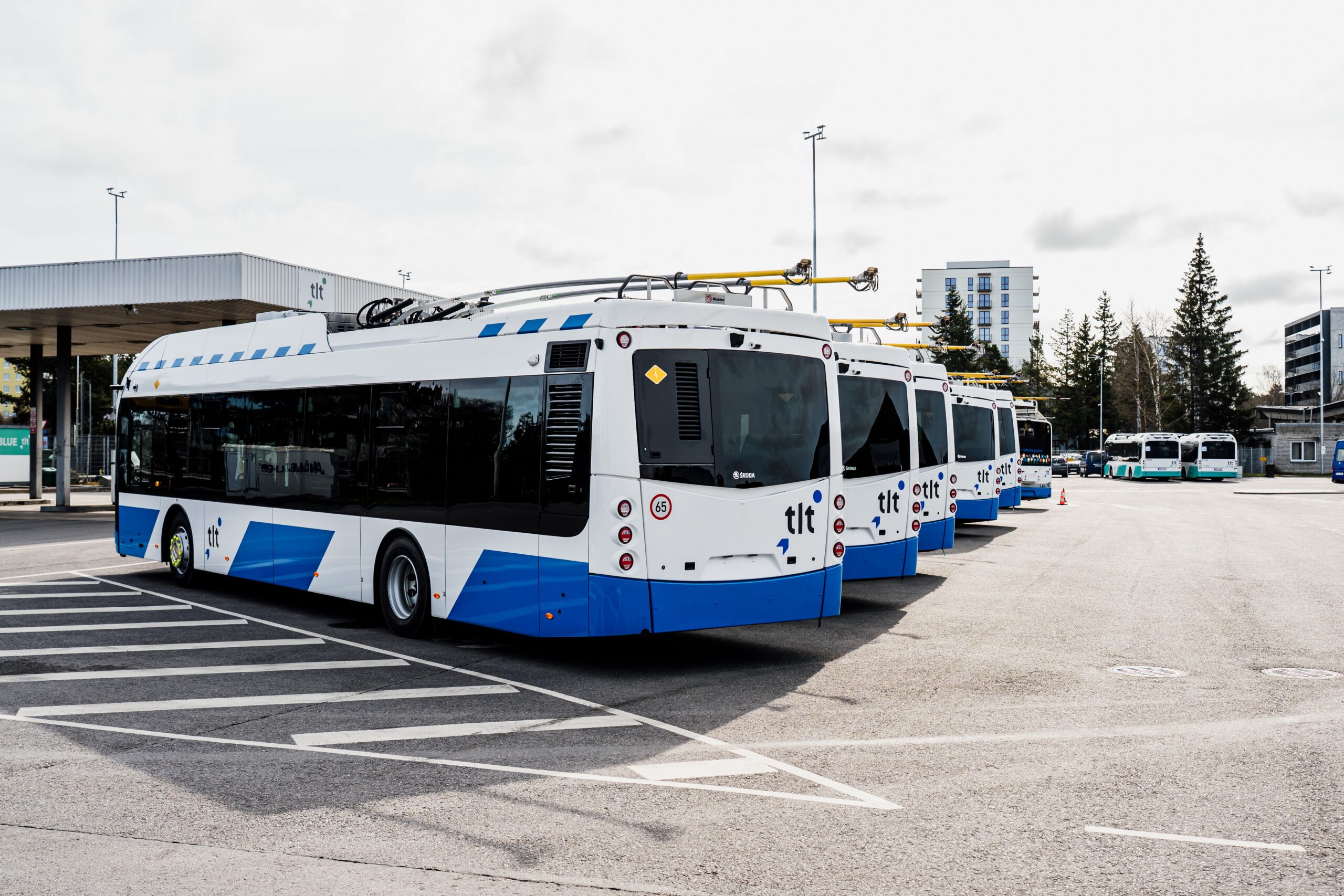
Under the deal, Škoda will deliver 40 trolleybuses to Tallinn this year: 22 articulated 18-metre Škoda 33Tr vehicles and 18 12-metre Škoda 32Tr models. The contract, which includes maintenance and servicing as well as an option for up to 30 additional trolleybuses, is worth more than €50 million including options.
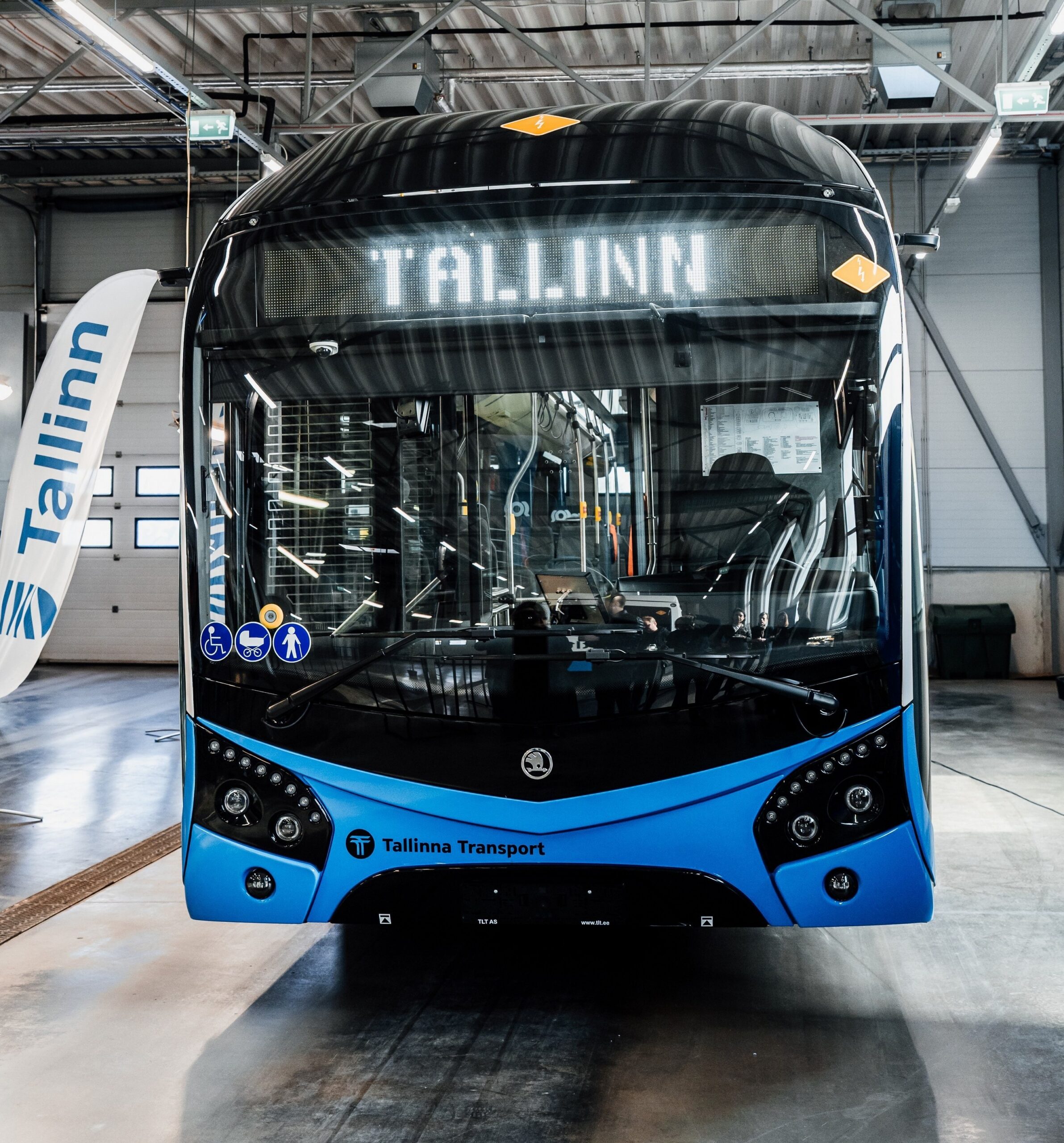
The new models are designed to combine the efficiency of traditional trolleybuses with the flexibility of battery-electric buses. They can travel for up to 25 kilometres without overhead wires, allowing operators greater freedom in route planning and helping reduce the need for visible wiring in city-centre areas.
Joel Jesse, Tallinn’s deputy mayor for transport, said the arrival of the new trolleybuses marked “an important step” in the long-term development of the city’s public transport network.
“Our goal is to keep urban mobility reliable, diverse and resilient, drawing on different energy sources and flexible solutions,” he said.
Petr Kasenčák, head of bus mobility sales at Škoda Group, said the vehicles were built for the changing needs of European cities.
“They bring together reliability, efficiency and flexibility in a single solution,” he said. “Thanks to onboard batteries, operators can maintain continuous service even in sections without overhead infrastructure, which is increasingly important in dense or historically sensitive urban areas.”
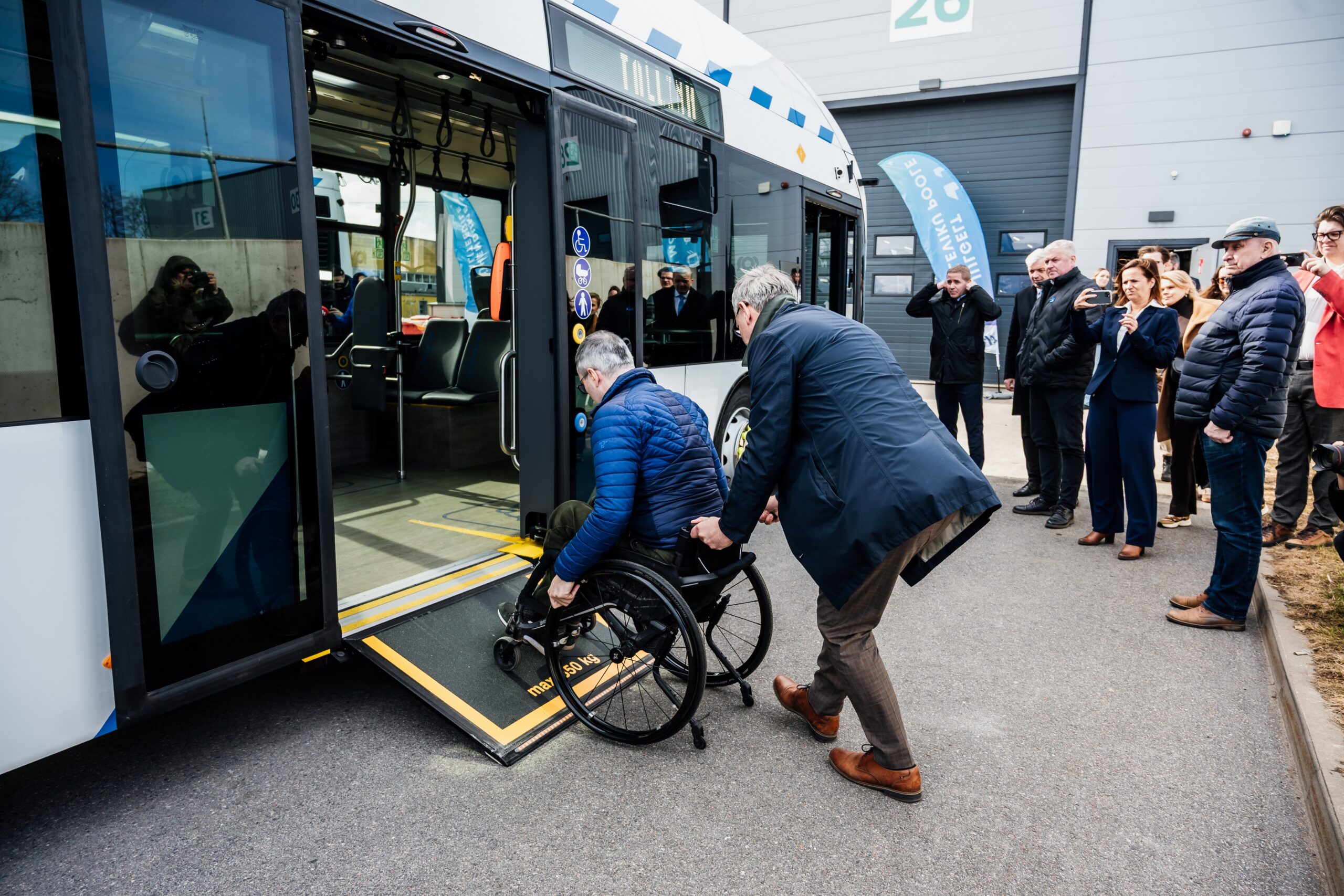
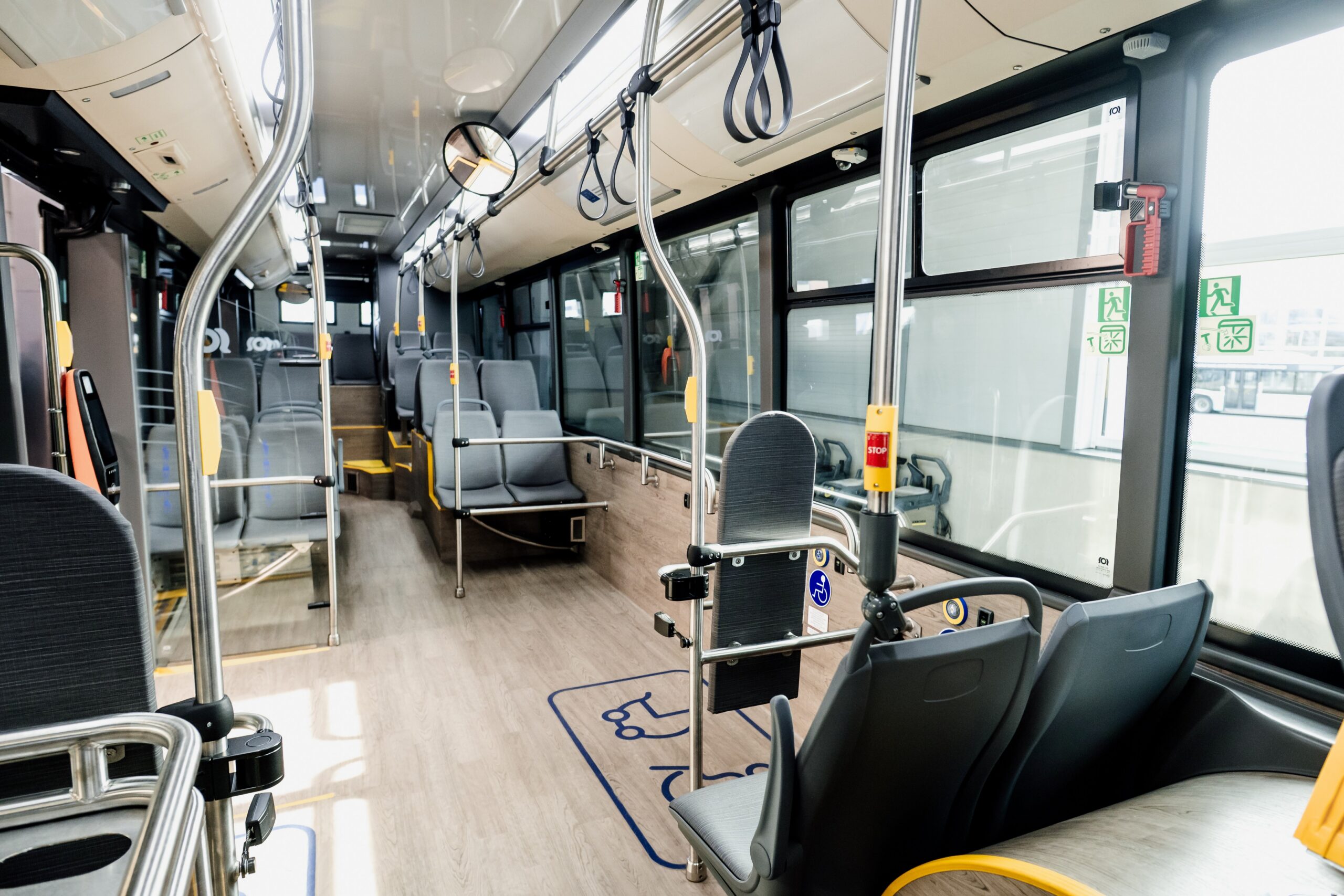
Tallinn’s new trolleybuses will be fully low-floor and fitted with air conditioning, passenger information systems and Wi-Fi. They will also include sliding doors and electric ramps for wheelchair users and passengers with prams. The articulated 33Tr models will have two driven axles, intended to improve traction in winter conditions.
Škoda said the vehicles would also be supported by upgraded contact-line infrastructure in Tallinn, which is being modernised to ensure compatibility with the new fleet.
The company, one of Europe’s leading manufacturers of electric public transport vehicles, said the Tallinn project reflected a broader shift towards cleaner and more adaptable urban transport systems.
The trolleybuses produce no local emissions and are expected to reduce both air pollution and noise in the city.