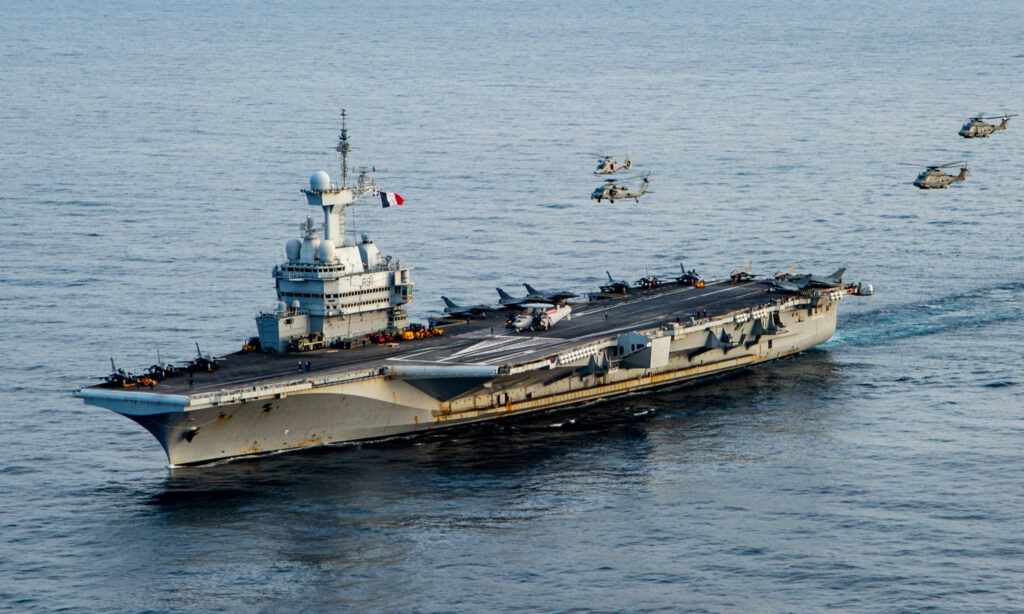
Strategic autonomy is no longer a matter of European ambition, but of European necessity; in a world of fading certainties and mounting Russian threats, the continent must be ready to stand on its own.
The shockwaves sent around the world by recent developments in the current US administration’s stance towards its neighbours and European allies clearly signal a shift in the decades-long system of international relations. The prospect of the United States withdrawing from NATO, at a time of rising Russian aggression, poses a profound threat to Europe’s stability and security.
What was once considered an improbable scenario now appears increasingly plausible, driven by changing US foreign policy priorities that suggest a gradual disengagement from traditional transatlantic commitments. In the event of a Russian incursion into NATO territory, the absence of American military support would leave a significant void, exposing Europe’s strategic and military vulnerabilities.
At present, most European nations are ill-prepared to repel a full-scale Russian offensive on their own. Their reliance on US military capabilities – particularly in logistics, intelligence and high-end warfare assets – remains deeply embedded in NATO’s current structure. This stark reality underlines an urgent imperative: Europe must accelerate its pursuit of strategic autonomy in order to safeguard its own security interests.
From rhetoric to strategic urgency
Compounding the problem is the presence of NATO member states such as Hungary and Slovakia, whose political trajectories increasingly align with pro-Russian narratives. These internal fractures weaken the credibility and unity of NATO’s collective defence, particularly the effectiveness of Article 5, the cornerstone of the alliance’s deterrence posture. The Kremlin is well aware of these weaknesses and may seek to exploit them if Europe fails to respond with urgency and resolve.
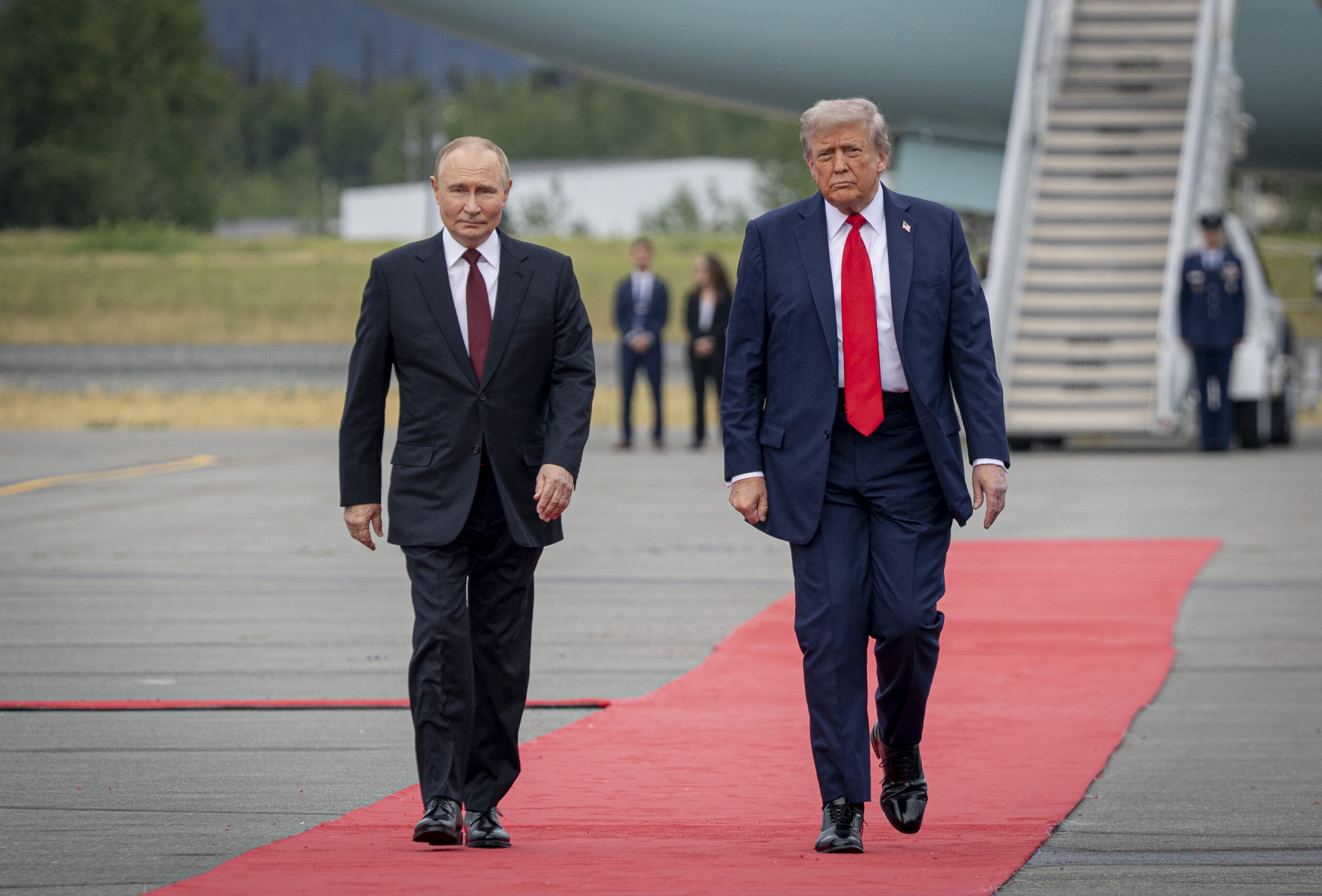
In light of these challenges, Europe must move beyond rhetoric and symbolic gestures. While discussions of strategic independence have gained prominence in European capitals, they have yet to translate into concrete policy shifts or substantial defence initiatives. The current geopolitical climate demands more than speeches and summits; it requires decisive action, comprehensive planning and sustained investment in European defence capabilities.
Ultimately, Europe must aim to build a self-reliant security architecture, independent not only of the United States but also of those European allies whose commitment to collective defence appears uncertain. Strategic independence is no longer a lofty ambition; it is a necessity if Europe is to ensure its long-term security in an increasingly unstable global landscape.
Ukraine as Europe’s front line
Ukraine remains Europe’s frontline defence against Russian expansionism. Supporting Ukraine in its war effort is not merely an act of solidarity, but a strategic necessity.
A strong, well-armed Ukraine acts as a protective barrier, absorbing Russia’s military focus and significantly reducing the likelihood of direct confrontation with NATO member states. The longer Ukraine can hold its ground, the more time other European countries have to prepare for a potential Russian attack.
However, this support must go well beyond current levels, with particular emphasis on expanding Ukraine’s air capabilities. Ukrainian pilots have already demonstrated impressive proficiency with Western-supplied aircraft, including F-16s from the Netherlands, Denmark, Norway and Belgium, as well as France’s Mirage fighter jets. Increasing the number of these aircraft – and potentially introducing Swedish Gripen fighters – would significantly strengthen Ukraine’s air power and overall defence effectiveness.
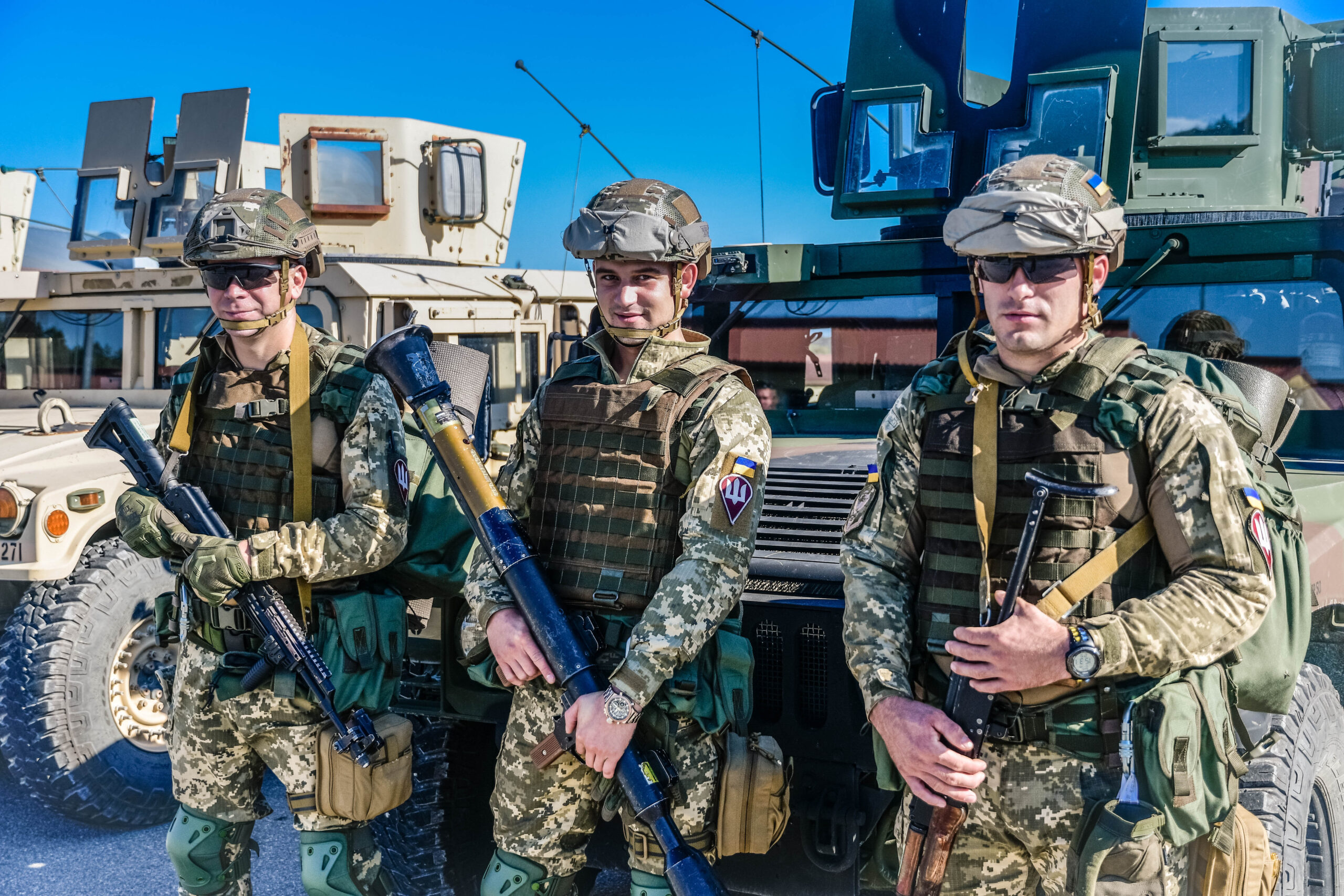
Ukraine’s military and industrial capabilities also make it a vital partner in the development of European strategic autonomy. Over four years of war, Ukrainian defence forces have gained unmatched combat experience while rapidly innovating in military technologies.
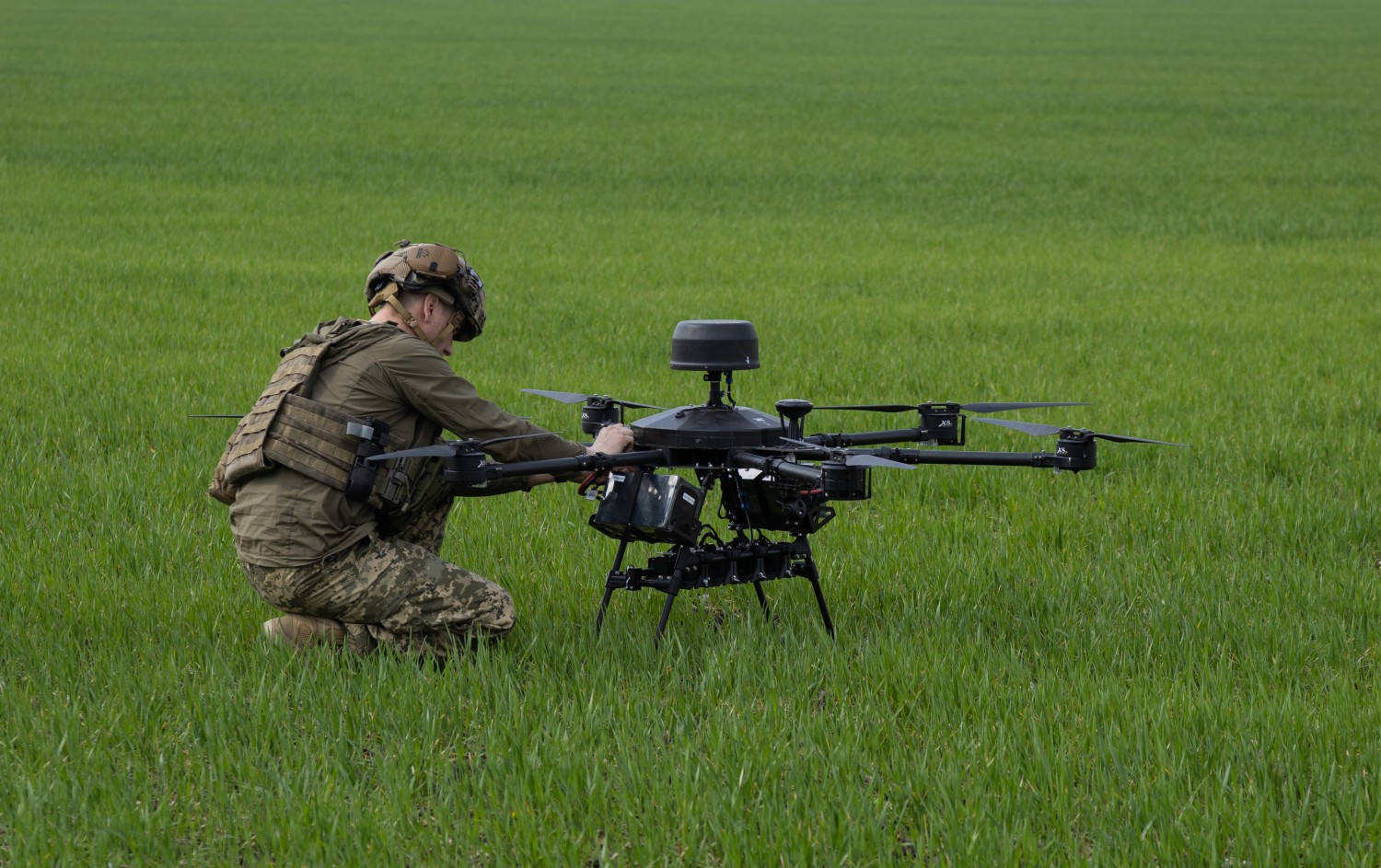
Remarkably, Ukraine has emerged as a global leader in drone warfare. In 2024, Ukrainian companies designed a wide variety of drone types and produced more than 1.5 million units; by 2025, production had risen to 2.2 million drones. These systems have transformed the battlefield and are likely to shape military doctrine for years to come.
Ukraine is also one of the few countries in Europe capable of producing its own cruise and ballistic missiles. The recently deployed Long Neptune cruise missile, with a range of 1,000 kilometres (621 miles) and a 350-kilogram warhead; the Flamingo cruise missile, with a 1,100-kilogram warhead and a range of 3,000 kilometres (1,864 miles); and the Hrim-2 ballistic missile, with a range of 700 kilometres (435 miles) and a 500-kilogram warhead, are just a few examples of Ukraine’s advanced technological capabilities.
Despite these achievements, Ukraine’s military-industrial complex is operating at less than 40% of its potential because of underinvestment. Given its significantly lower production costs compared with Western countries, Ukraine offers a cost-effective and high-yield opportunity for European rearmament. Direct investment in Ukraine’s defence industry would not only strengthen Europe’s military capacity, but also help integrate Ukraine as a key pillar of continental security.
Rearming Europe for a new era
In light of Russia’s vastly expanded rearmament capacity, rearming Europe must become a top priority. To meet the demands of modern warfare and reduce dependence on the United States, European defence industries must undergo substantial and rapid expansion. This will require a dramatic increase in defence spending, particularly on the production of air defence systems, artillery shells, drones, warplanes and other critical military equipment.
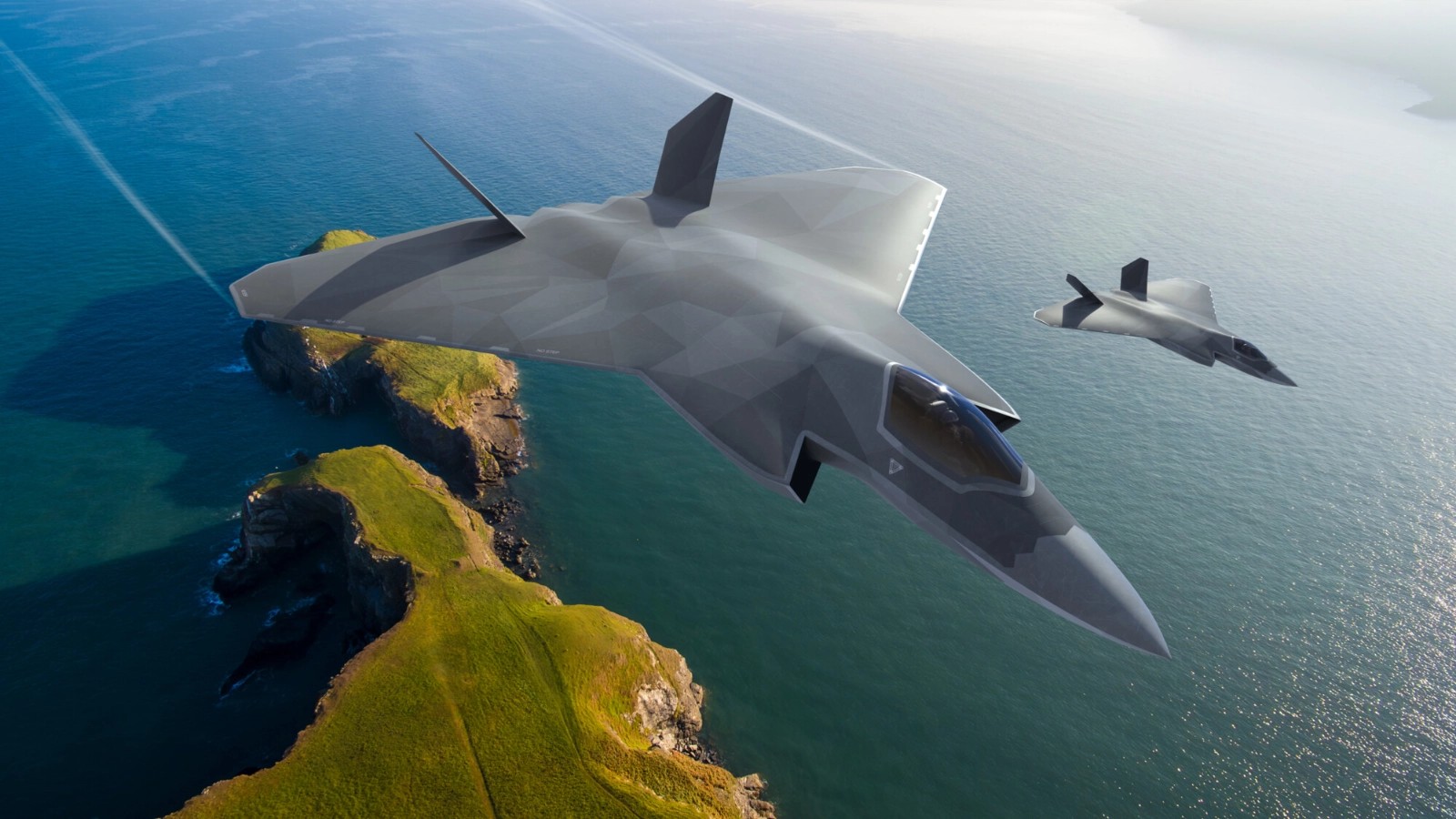
Equally important is the development of advanced technologies and integrated command systems informed by real-time lessons from ongoing conflicts, especially the war in Ukraine. Investment must be targeted and coordinated, ensuring streamlined production in order to avoid redundancy and maximise efficiency. Dividing industrial responsibilities among nations could greatly enhance output by building on each country’s established strengths.
Sweden and France, for instance, could specialise in manufacturing fighter jets such as the Gripen and Rafale. Germany could focus on missiles, munitions and armoured vehicles. The UK, Germany, Italy and Spain could expand production of the Eurofighter Typhoon, while countries such as Italy, France and Norway could concentrate on advancing air defence systems. Estonia, meanwhile, could take the lead in cyber defence and digital security, military robotics, and defence software solutions.

The numerical imbalance between Russian and European military forces is also stark. Russia currently maintains around 220 brigades, while the EU member states and the UK combined field roughly 100. Ukraine, with its 120 brigades, could help close this gap if fully integrated into Europe’s defence framework. There is little doubt that Ukrainian forces, with their real battlefield experience, would substantially strengthen European military readiness.
A unified European force incorporating Ukrainian brigades would provide a credible deterrent. This becomes particularly important if NATO’s effectiveness continues to diminish or if internal divisions within the alliance further weaken collective security commitments. In such a scenario, Europe must be able to act independently.
Building a self-reliant European security architecture
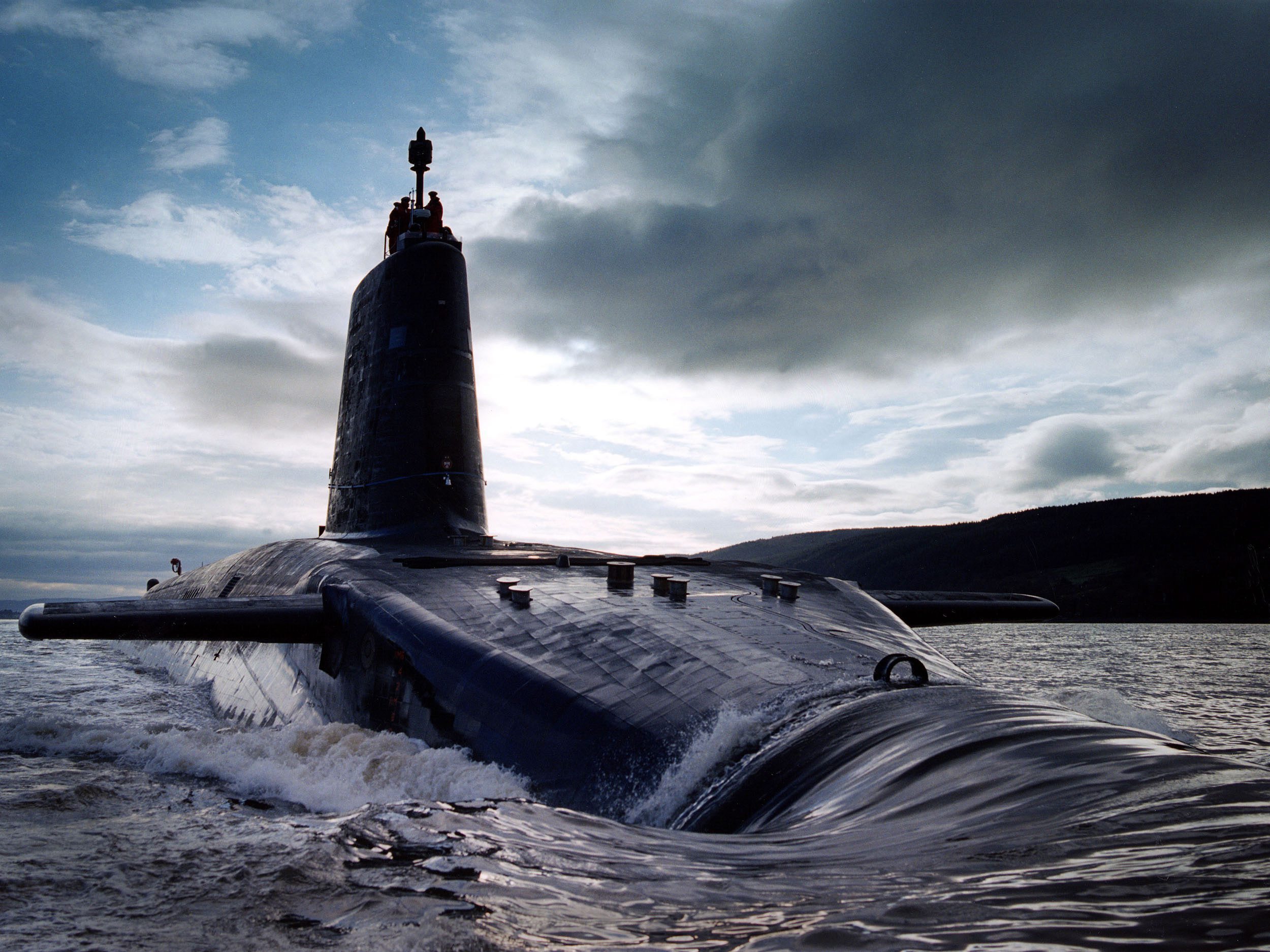
The nuclear capabilities of France and the United Kingdom could also serve as a strategic counterweight to Russia’s nuclear threats, further reinforcing Europe’s deterrence posture.
Yet strategic autonomy requires more than hardware and manpower; it also demands organisational innovation. European nations must urgently form a coalition of willing states committed to a shared vision of defence. While initial efforts have begun, progress must accelerate dramatically.
This coalition should not be limited to EU or NATO members alone. Non-EU countries such as the United Kingdom, Ukraine and willing Balkan states should also be included. Such an alliance must establish independent defence structures capable of operating without reliance on NATO, should the need arise. Creating these alternative institutions would provide a crucial safety net in the event of a geopolitical shift that undermines NATO’s integrity or relevance.
The threat posed by a revisionist and militarised Russia is neither distant nor hypothetical; it is immediate and evolving. Even if the war in Ukraine de-escalates, Russia’s imperial ambitions are unlikely to disappear.
Europe must therefore act decisively and urgently to lay the foundations of strategic autonomy. This will require greater investment, deeper coordination, bold political decisions, and an understanding that security is a shared responsibility. Only a strong, united and self-reliant Europe can preserve peace, deter aggression and safeguard its democratic values in the decades ahead.
The opinions in this article are those of the author.