As Moldova moves closer to the European Union, an online course created with Estonian support is helping students, officials and civil society understand what accession would really involve.
Backed by Estonia, the online course brought together 350 Moldovan students, officials and experts to understand what joining the EU really means – and to learn from Estonia’s experience.
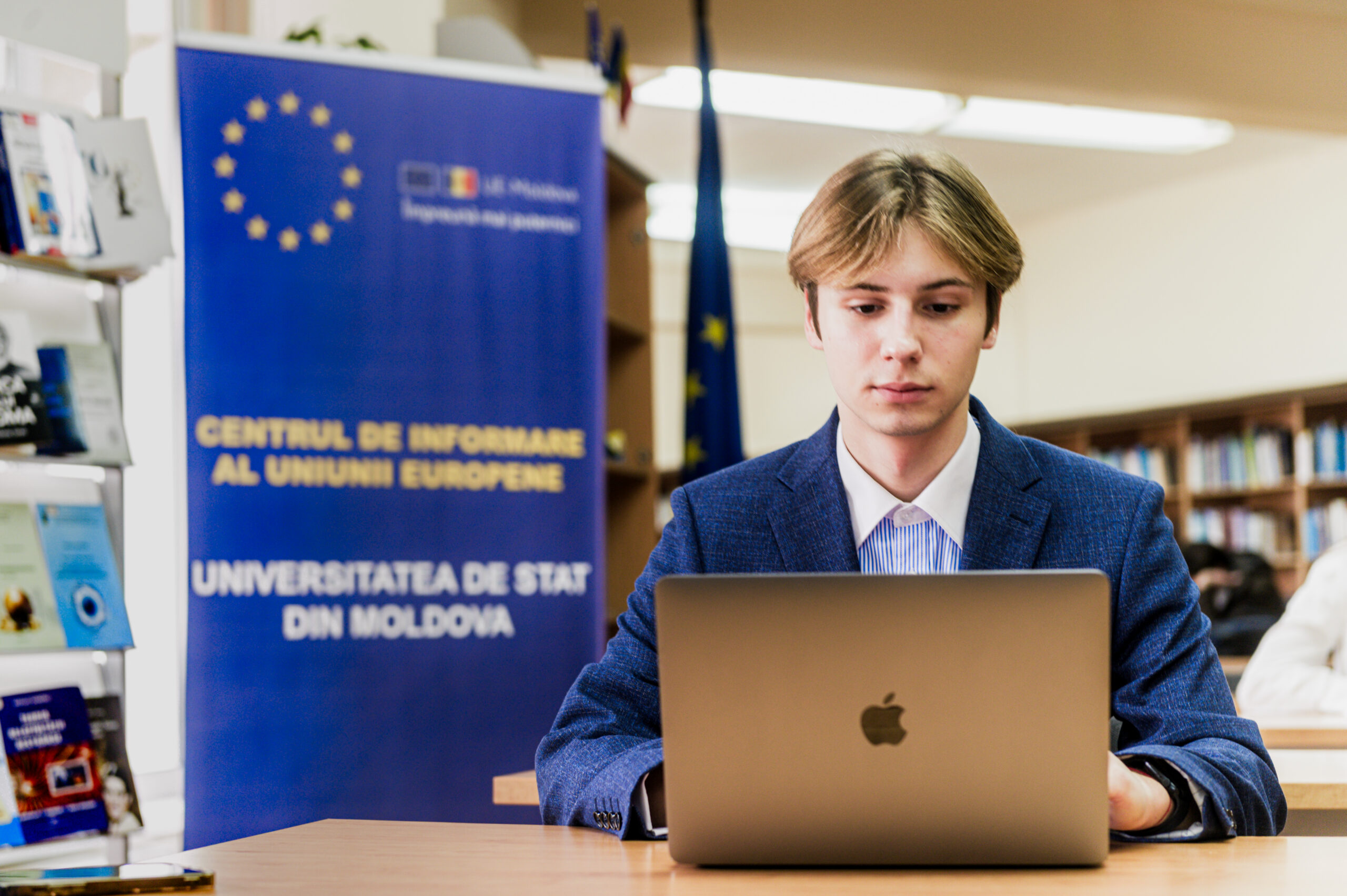
The halls of the Moldova State University library are hushed, carrying the scent of old paper and dust. It is a stark contrast to the bustle and noise of one of the old city’s main streets outside.
Tucked away in a corner sits Nichita Crivonosov. With headphones over his ears, the twenty-year-old student has effectively tuned out the world – but he is not listening to music. On his screen, a lecturer is breaking down the complex mechanics of the acquis communautaire, the accumulated legislation of the European Union. He pauses the video to take notes, frowning slightly in concentration.
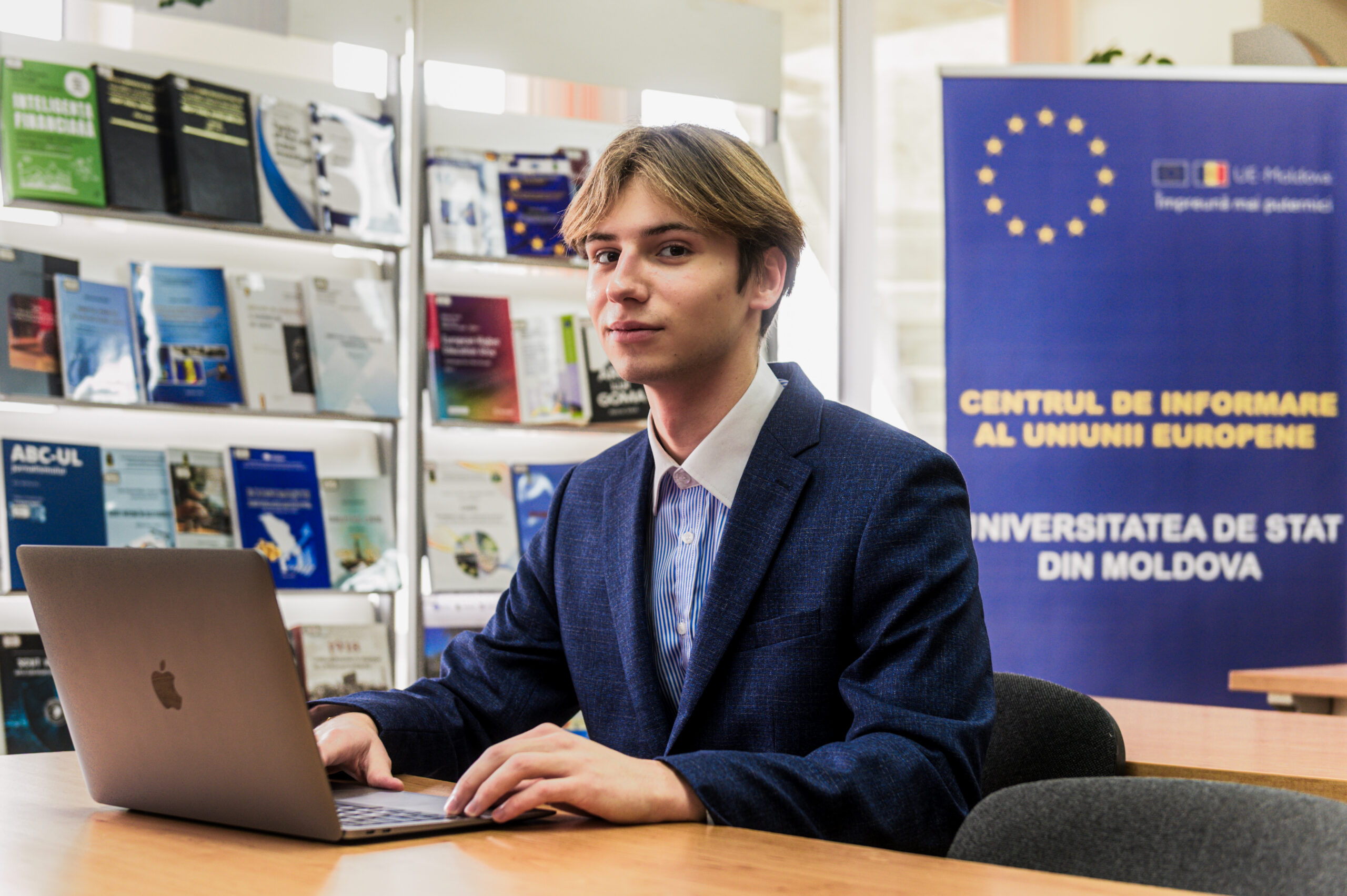
He is one of hundreds of Moldovans – students, civil servants and NGO workers – who have enrolled in a new and ambitious online course, Moldova and EU Integration. It is a digital bridge between Tartu and Chișinău, designed to answer the one question that passion alone cannot resolve: we want to join the EU, but do we actually know how to make it happen?
Bridging the knowledge gap
Moldova consolidated its status as an EU candidate country in 2022, and accession negotiations began in 2024. But a practical challenge has emerged. Enthusiasm for integration is high, yet technical resources – including teachers, experts and textbooks – are struggling to keep pace.
“People need clear, accessible information,” explains Marika Kundla, grants programme manager at the Estonian Centre for International Development (ESTDEV), the agency funding the initiative. “EU accession is complex. Digital learning gives Moldovan students, educators and citizens the tools to understand the process and take part in reforms.”
This is where the Connect4MORE project comes in. A collaboration between Moldova State University and the University of Tartu in Estonia, the course aims to empower citizens with facts.
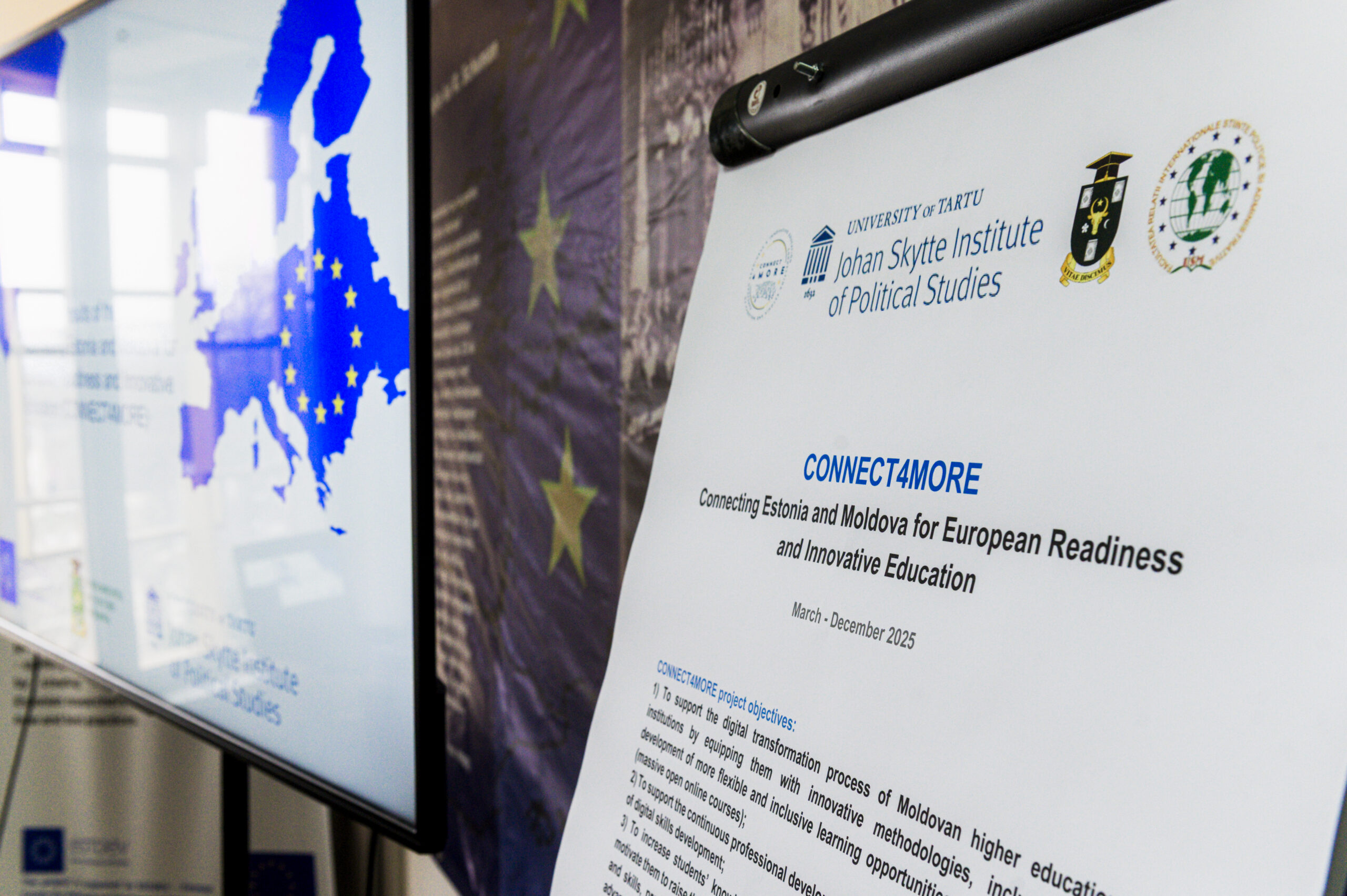
Launched in late 2025, the programme consists of four distinct modules covering the EU’s institutional structure, policymaking and the specific criteria for accession. It is not simply a matter of passively absorbing information; students engage in forum discussions, take self-assessment tests and receive a diploma upon completion.
From Moscow, with hope
For Crivonosov, the opportunity was deeply personal. Earlier this year, he decided to return home. After ten years abroad, he left his medical studies in Moscow, packed his bags and bought a one-way ticket back to Chișinău. He felt a magnetic pull to return.
“It was difficult, but freedom is more important,” Crivonosov says, a shadow briefly passing over his face as he alludes to the stifling political climate he left behind.
Before leaving Russia, he performed one final act of civic duty. He recalls the day vividly: walking into the Moldovan embassy in Moscow to cast a “Yes” vote in the EU referendum.
“It might be surprising,” he says, “but even there, I voted in favour. I voted for changing our constitution.”
Now he is back – and eager to learn. He joined the Moldova and EU Integration course because he wanted to move beyond slogans. He found particular inspiration in the course’s Estonian module.
“The most interesting thing for me was comparing Estonia’s process with what is currently happening in Moldova,” he says, adding that “the similarities are inspiring”.
Beyond the classroom: the civil society perspective
But the university is not the only place where this shift is taking place. There were 350 participants enrolled in the course. Some were students, but many were professionals seeking clarity.
One of them, Maria Pîslăraș, works daily with international partners and vulnerable groups at the Charity Centre for Refugees. She wanted to understand the reality of accession.
“I needed to understand what the European Union actually means as a prospect for Moldova – not just the commitments we make during accession, but what comes afterwards,” Pîslăraș explains. She speaks with the precision of someone used to navigating crises.
“It was surprising and encouraging to learn that many experts see accession happening by 2029–2030,” she says, sounding relieved. “It is no longer just a beautiful story promised by politicians, but a tangible reality.”
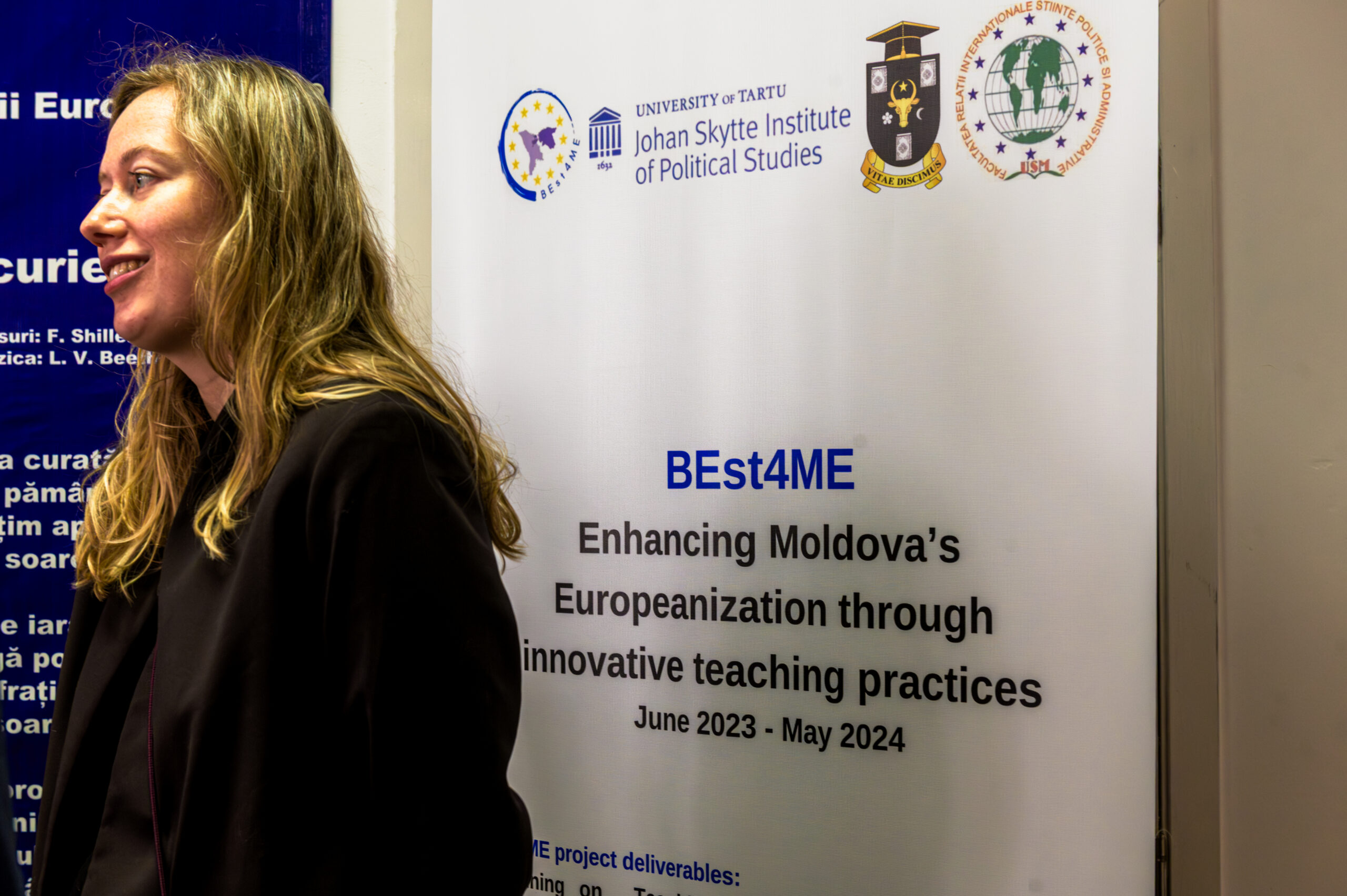
Pîslăraș represents a critical segment of Moldovan society: professionals who are realising that EU integration is not merely a political talking point, but a framework that will shape their careers.
The builders behind the screen
To create a course that would satisfy both a curious student like Crivonosov and a civil society professional like Pîslăraș, it took more than good intentions. It required webcams, planning and a new way of teaching.
Educators such as Dr Cristina Morari, a lecturer at the Faculty of International Relations at the Moldova State University, rose to the challenge. Balancing a demanding schedule of lectures and seminars, she and her colleagues built the course from scratch.
During the project, the Moldovan team travelled to Estonia for a training boot camp with experts from the University of Tartu. Far from their usual podiums, seasoned professors became students again.
They learned the art of the MOOC – the massive open online course – mastering everything from writing punchy video scripts to reading from teleprompters and designing interactive assessments to keep users engaged.
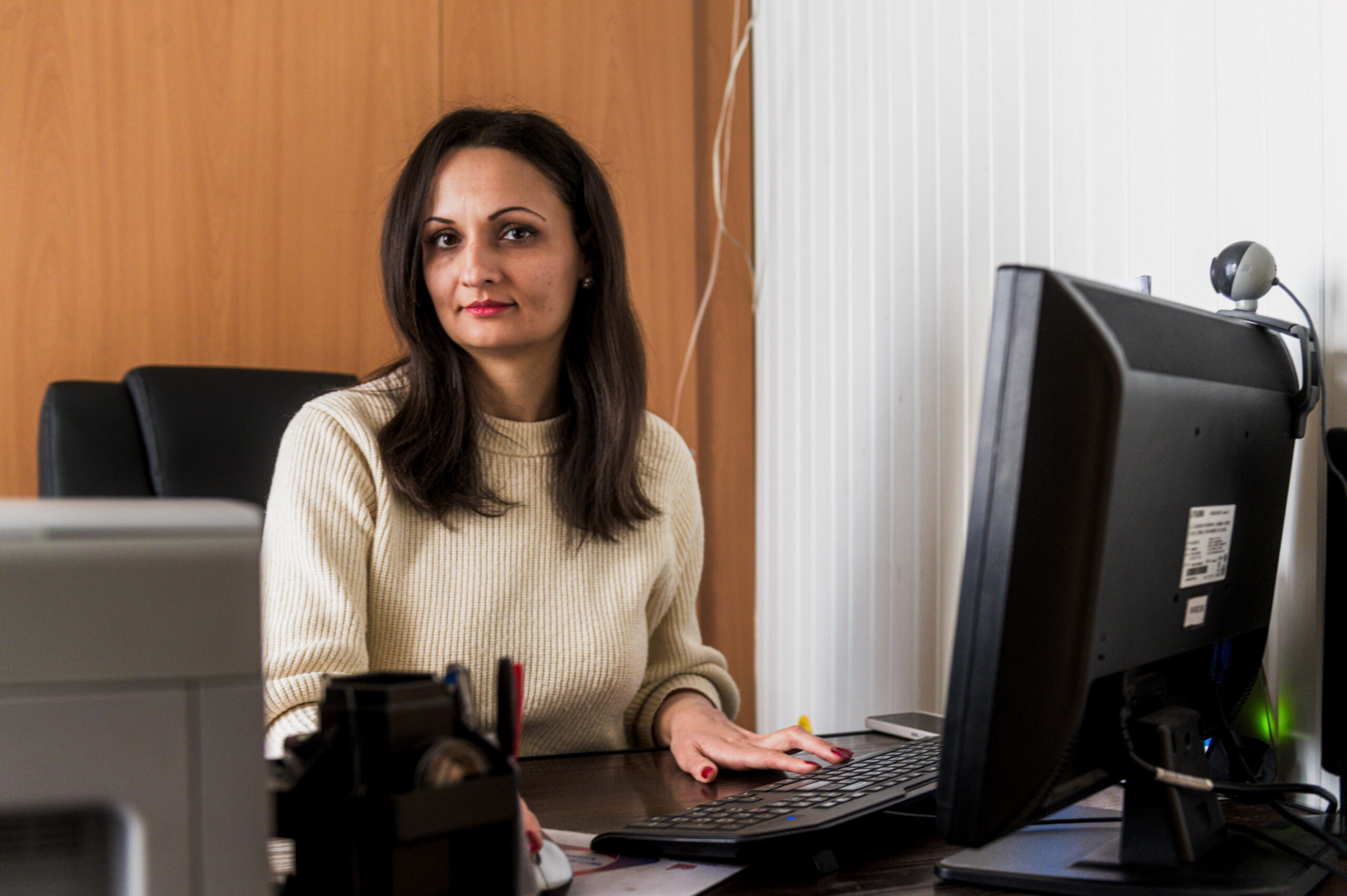
“We managed to combine rigorous academic research with innovative digital pedagogy,” Morari says proudly of the intense but transformative process. “Participating in this project allowed us to access Estonian best practice in digitisation.”
Calibrating the truth
The effort paid off. By combining high-quality video production with active, moderated forum discussions that helped students feel less isolated, more than half of the participants followed the course through to the end.
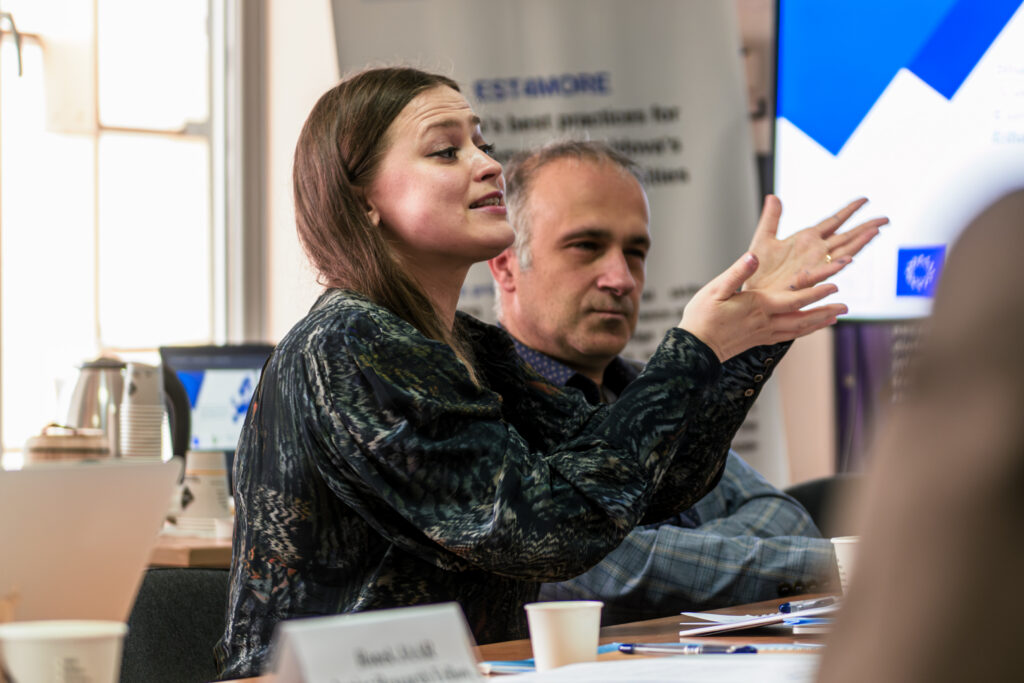
Anna Beitane, observing from Tartu, admits she was pleasantly surprised by the numbers – and even more so by the quality of engagement.
“We were lucky with the participants,” she says. “From the start, I could see people were very engaged. We had a lot of posts on the forums.”
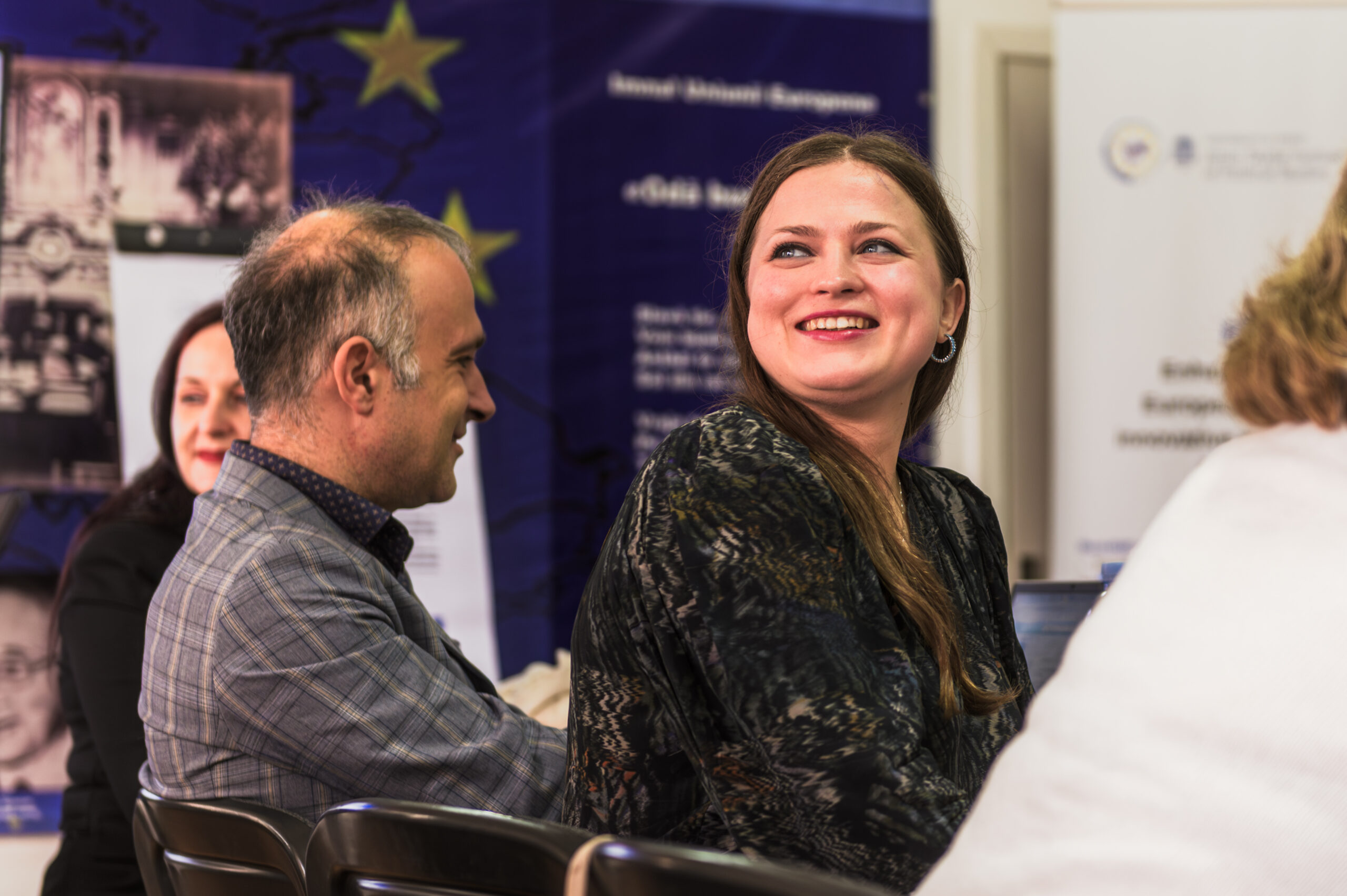
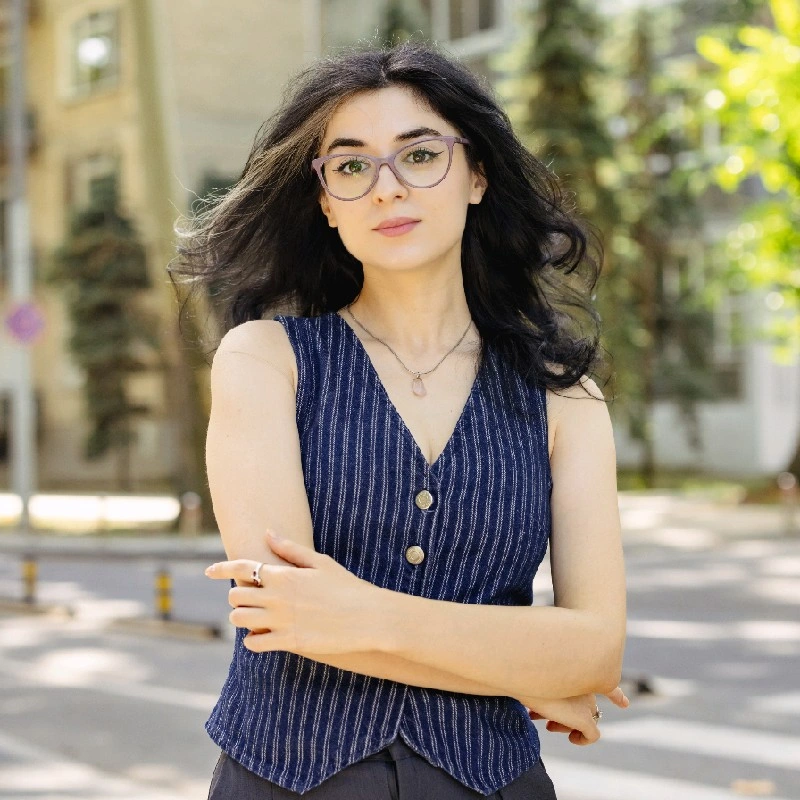
Sofia Diaconu, a master’s student in European Studies, helps explain why. As an aspiring policy expert, she appreciated how up to date the information and materials in the online course were.
“Usually, we have manuals that are somehow in the past,” Diaconu explains. Pointing to influencers spreading myths about the EU stealing land or eroding culture, she suggests the best defence is to ensure public figures themselves are properly informed.
A partner that has followed the same path
For the team at ESTDEV and the University of Tartu, these success stories are proof that the “Estonia model” resonates with Moldovans. But Beitane is quick to point out that it is not a simple copy-and-paste exercise.
When Estonia joined the EU 20 years ago, the geopolitical situation in Europe was very different, she explains. However, both countries share a history of breaking away from the Soviet sphere.
“It’s a bit easier for us to relate to some of the challenges that Moldovans are going through,” says Beitane, noting that this is already her third project in Moldova.
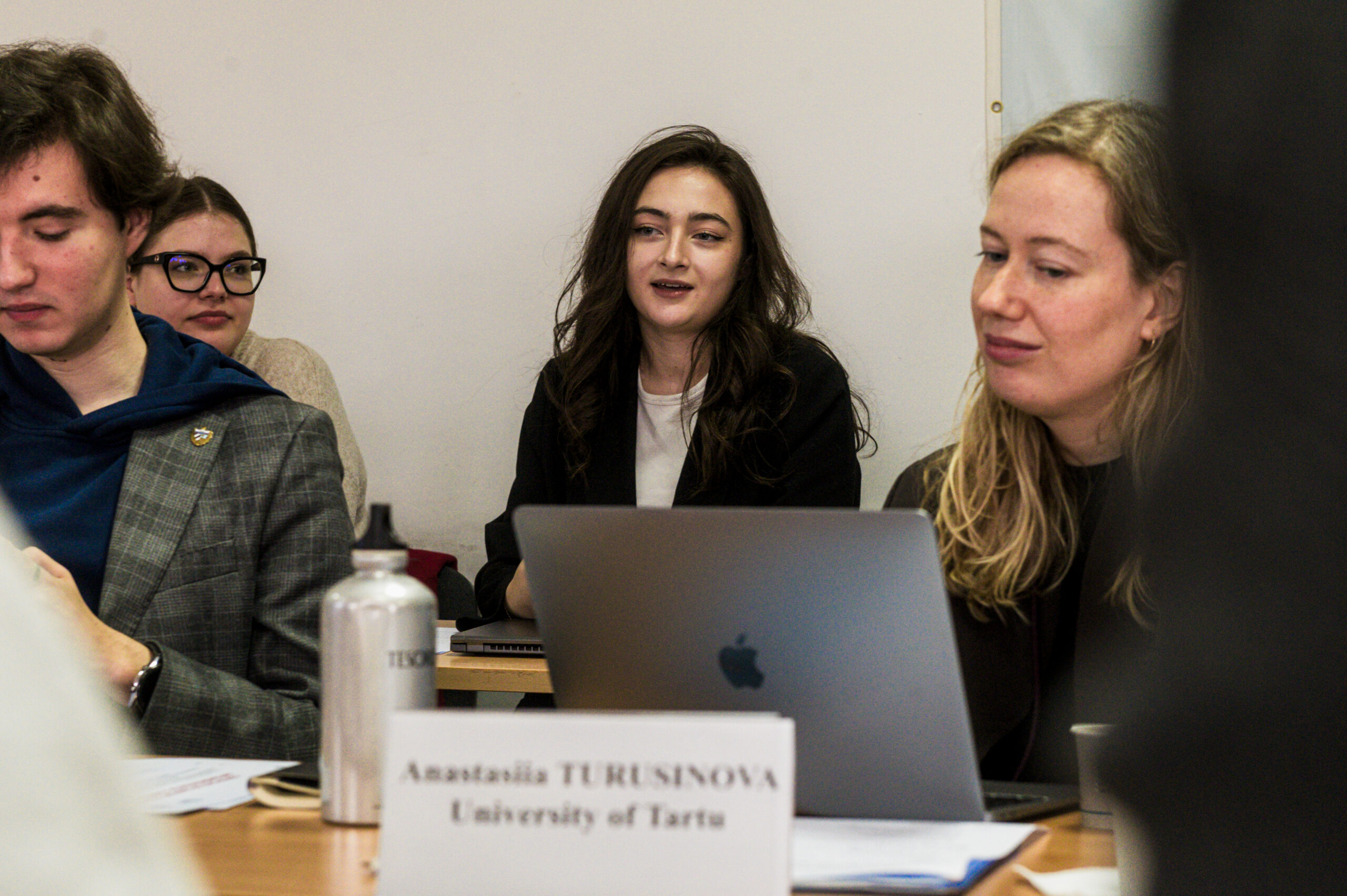
That connection extends beyond digital lectures. In October 2025, the project brought Moldovan students to Estonia for immersive study visits, where they role-played as EU ministers in a simulation room, debating policy just as the real Council of the European Union does.
For some, those visits changed the course of their lives. Beitane notes that one former participant was so inspired by the experience that they have since moved to Tallinn to pursue a full degree at an Estonian institution.
“You are making connections. You are talking to real people,” Beitane says, noting that students from the two countries are still exchanging messages long after the project ended. “This human-to-human relationship is also very, very important.”
“Who, if not us?”
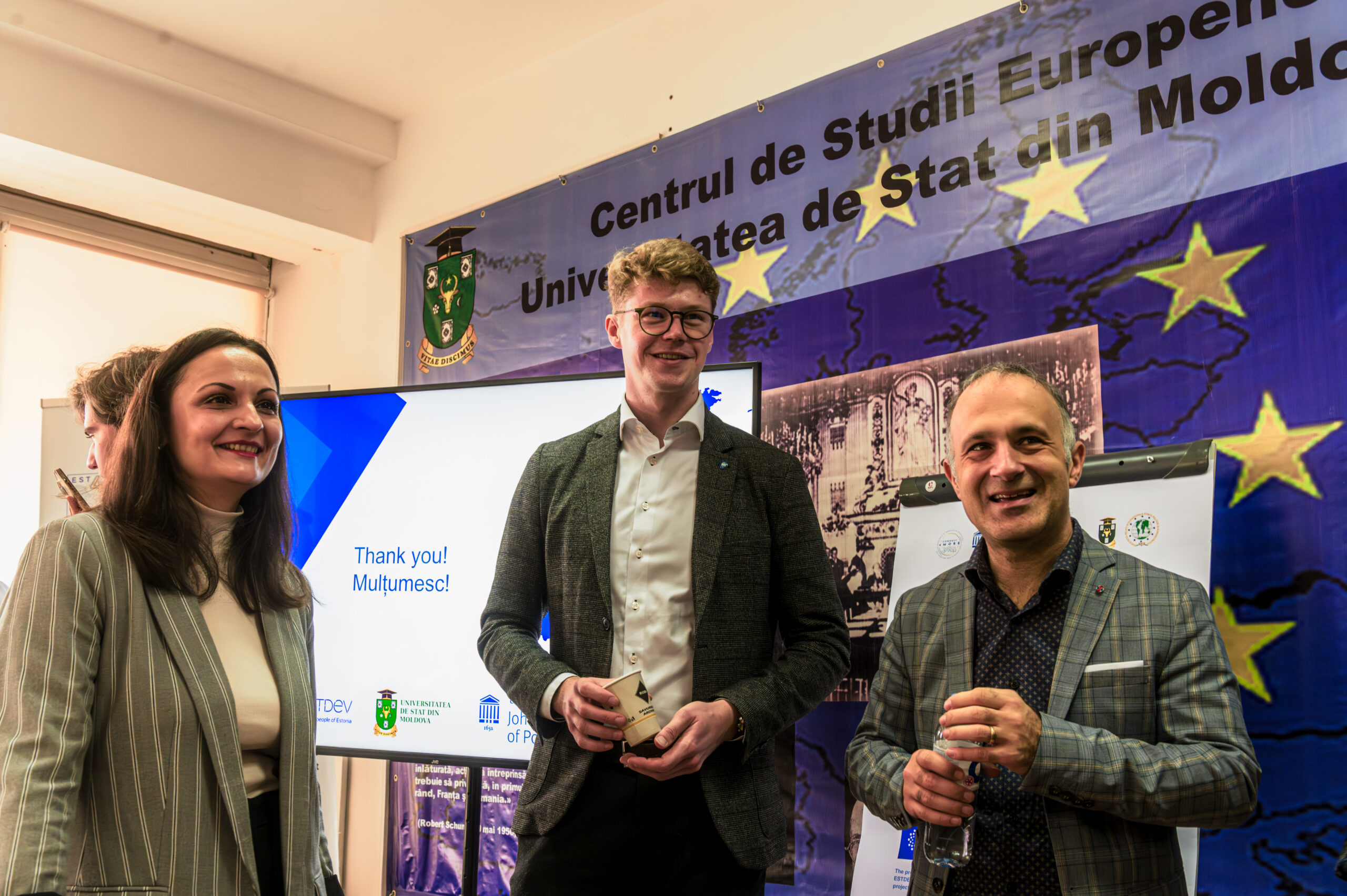
Engagement with the course shows that Moldovan society is ready to do the work.
Diaconu sees it as a call to action for the students of her generation.
“Every time we pass a stage towards European integration, it’s like a small milestone,” she says. Her challenge to her peers is clear: “Who, if not us, should support this moment?”
As Crivonosov packs away his headphones and zips up his bag, his eyes are already fixed on what comes next. He does not just want to study international relations; he wants to practise them. His goal is eventually to work at the Ministry of Foreign Affairs as a diplomat representing a European Moldova abroad.
It is a big ambition for a twenty-year-old, but Crivonosov approaches it with pragmatism.
“We like to speak about how important it is to have a dream, but I don’t really believe in this concept,” he says with a shy smile. “You just need to take small steps, work hard, and then you will have a result. And that’s it.”
For students like him – and for many Moldovans – the “dream” of Europe is no longer a fantasy. It is the next major assignment, waiting to be completed.