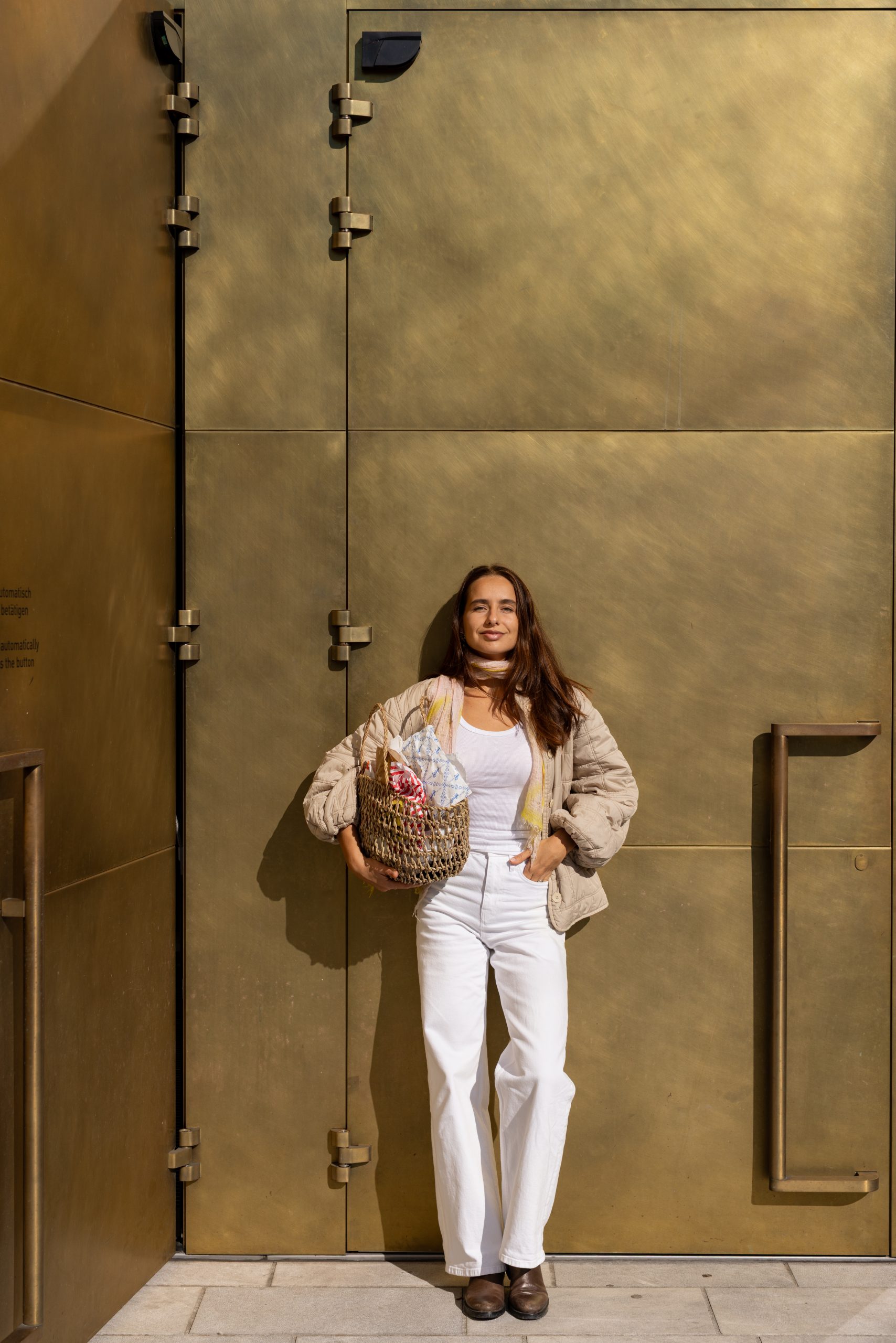
An Estonian photographer’s croissant project began as a search for the perfect pastry; it became a portrait of Tallinn’s bakers, and a reflection on what Estonia can learn from Switzerland about valuing food and the people who make it.
On a white background, every croissant gets the same amount of space. One is darker, another wider. Some are neatly curved; others look as though they have taken a turn of their own.
That was the point of Alina Birjuk’s project in Tallinn. The Estonian photographer placed the pastries side by side, photographed at the same scale, and left the bakery names off the prints. There would be no league table, and no brand to tell viewers what to think before they looked.
“I wasn’t chasing flawless; I was chasing the trace of a hand behind the counter,” she said.
In September 2026, selected photographs from the series were exhibited in Tallinn as part of Design Night’s “Carb Cult”, in collaboration with Paper Mill.
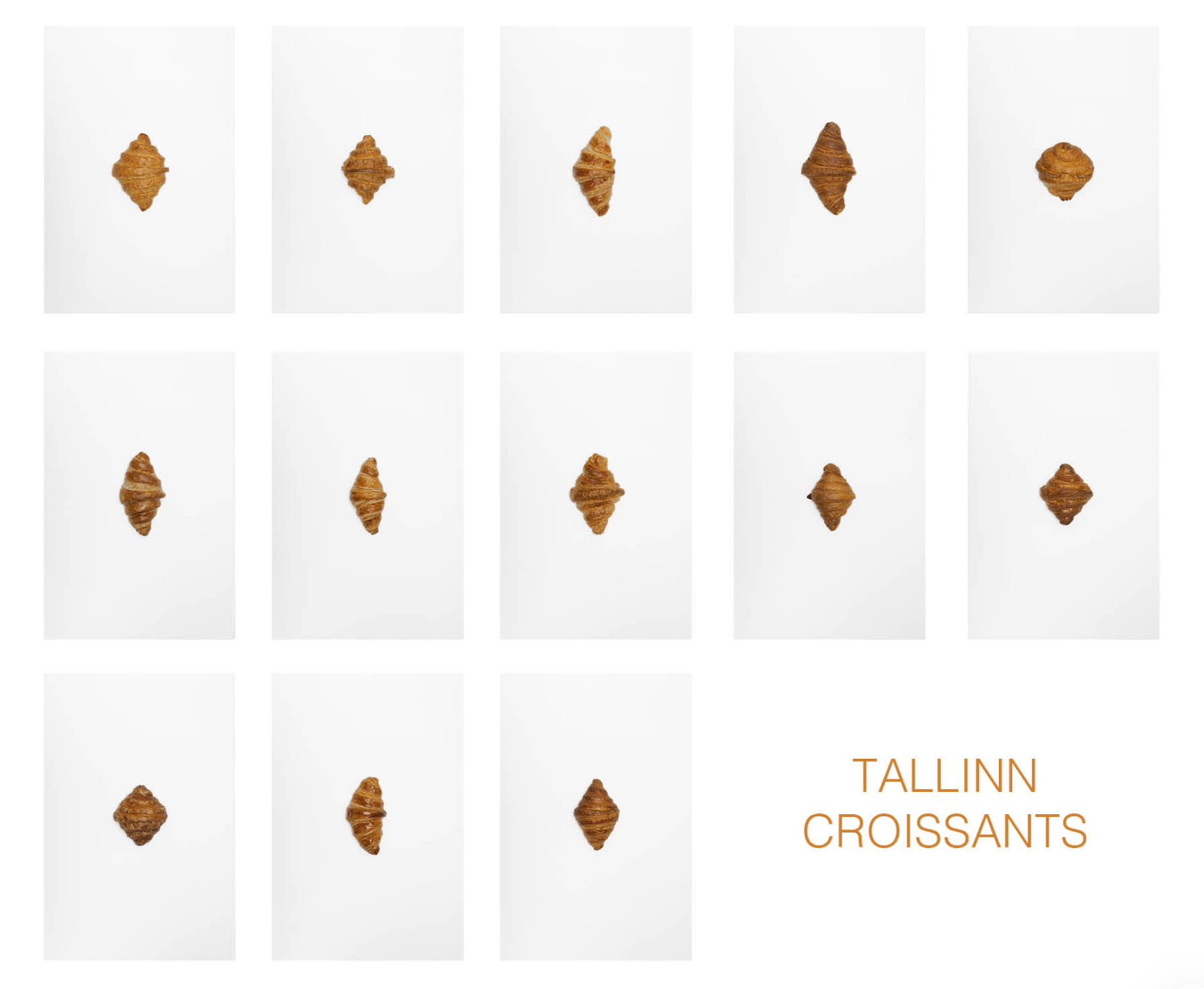
Birjuk had spent months following the croissant trail in Zürich before returning to the city where she grew up. She expected to find a clear winner. Instead, she found that Tallinn’s croissants were “quietly, consistently good”. What separated them were details: Karjase Sai’s flakes of salt, Crustum’s yeast-free pastry, and the way François Boulangerie invites customers to collect a fresh croissant from a box or service window.
The project was never meant to identify Tallinn’s most authentic French croissant. Birjuk says the pastries have their own Nordic character, shaped by the place where they are made. What interested her was how differently the same pastry could turn out in different hands.
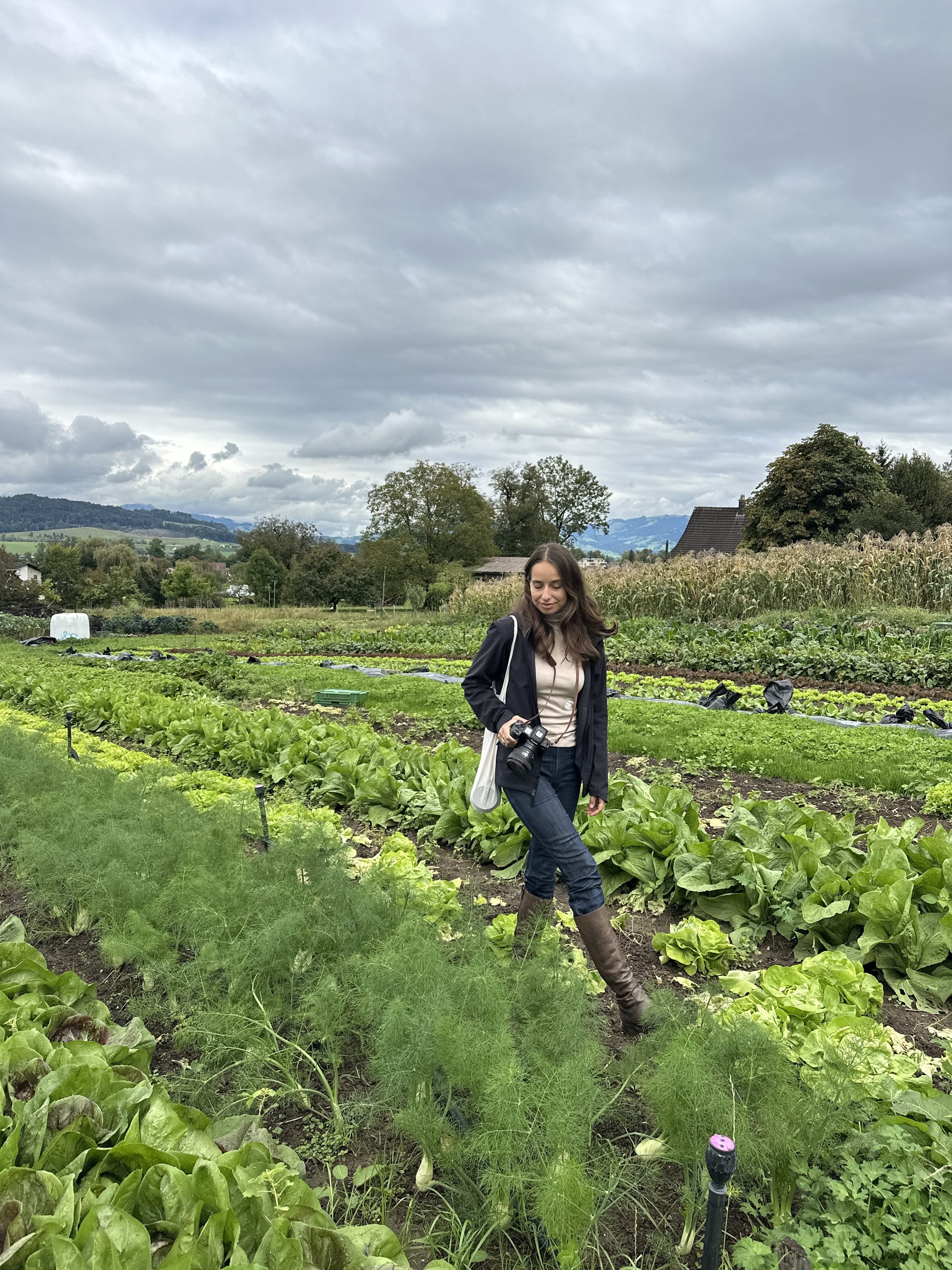
That curiosity runs through her work as a documentary photographer and food photographer. Birjuk, who now lives in Switzerland, is also an Estonian World contributor. Her interest in food began in childhood, encouraged by her mother, who grew up on a farm. Switzerland gave it a sharper focus.
What Switzerland taught her about food
Soon after arriving to study, Birjuk found a restaurant built around local ingredients. Its menu did not include coffee, chocolate or lemons. It changed from week to week, depending on what was in season and available. Visits to farms with people from the restaurant introduced her to organic and biodynamic farming.
She also saw how knowledge of producers could be part of everyday life. Some Swiss farms have small shops where customers take milk or eggs and leave money in a box. Restaurants must state the country of origin of meat and fish, and menus may name the farm behind a dish.
The difference is not simply that Swiss consumers care more. Wages are higher, Birjuk points out, and the country has made a deliberate choice to support its farmers. In 2024, organic products made up 12.3 per cent of Swiss food sales, with annual spending of €481 per person, according to the Research Institute of Organic Agriculture, an organic farming information and research centre.
Estonia’s picture is different. It has one of Europe’s largest shares of organic farmland: 22.5 per cent. But the country produces only about 30 per cent of the vegetables it consumes, compared with around 60 per cent a decade earlier. For Birjuk, the gap between growing food and buying or processing it locally is one reason to bring Estonian and Swiss farmers closer together.
“I’d like to see more appreciation in Estonia: talking proudly about our producers and paying them fairly for their work,” she said.
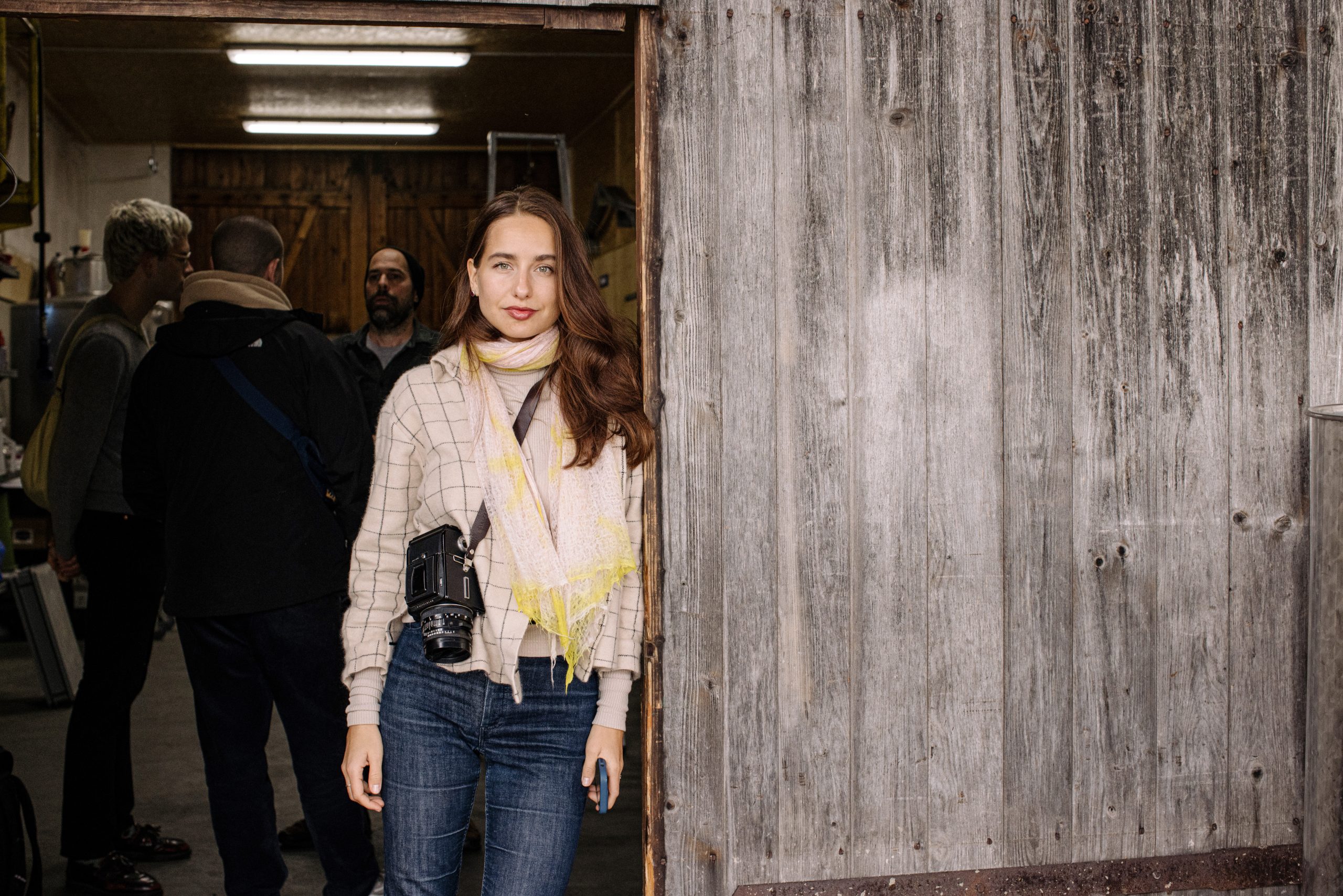
Her project Ruhe Visits, run with Swiss photographer Céline Müller, documents farms, restaurants and craftspeople. The aim is to show the work behind what we eat. Knowing the person who made a product, Birjuk says, changes how you regard it. You become more aware of the time it took, and less likely to treat it as disposable.
That work has taken her to places such as the biodynamic Gut Rheinau farm and the Zürich restaurant Rechberg 1837, which sources locally and even uses cutlery made by a Zurich blacksmith. She has also spent time with winemaker Stephan Herter, learning about the hand labour involved in biodynamic viticulture.
Estonia’s own food knowledge
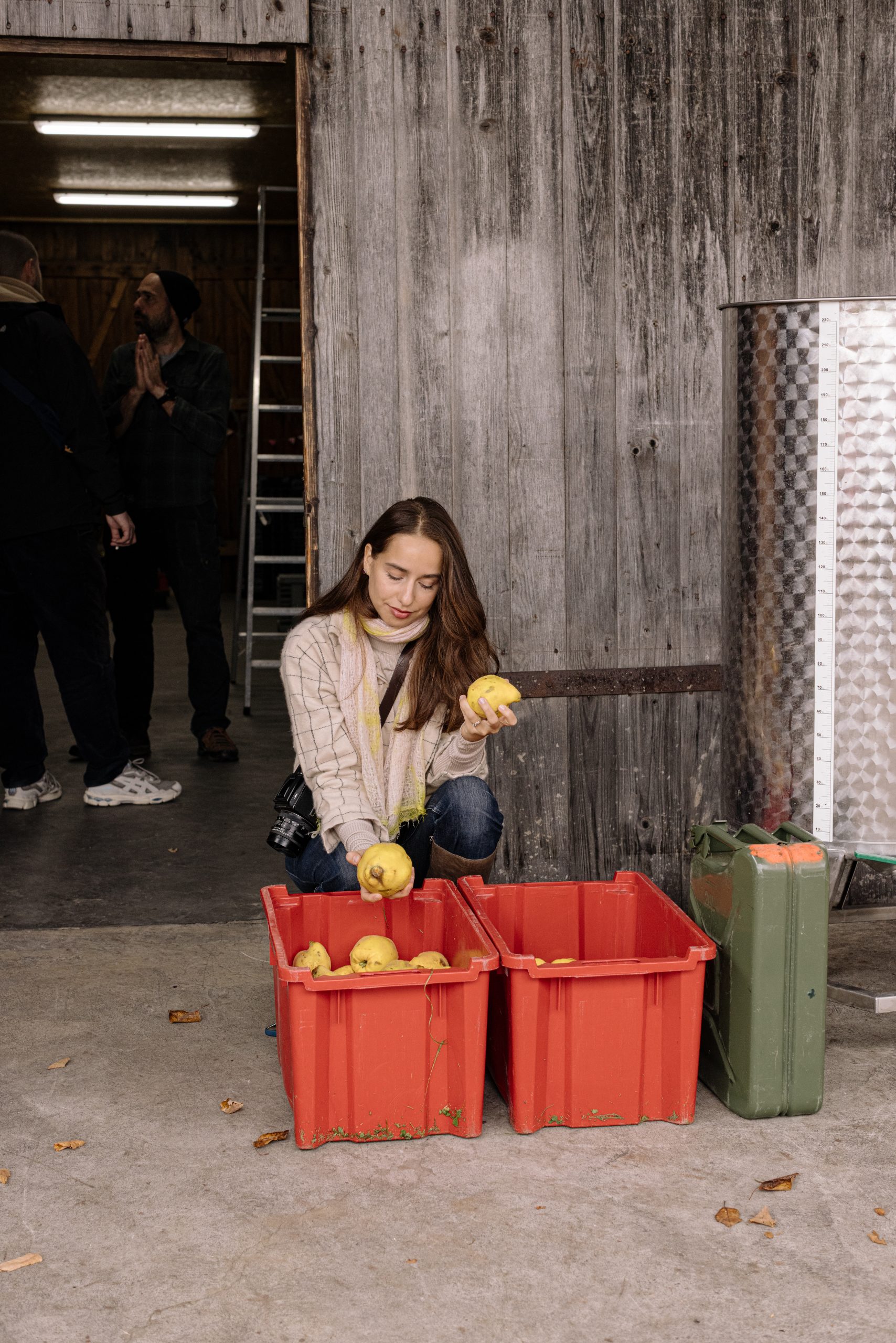
Birjuk does not see Estonia as a country that simply needs to catch up with Switzerland. Estonians, she says, have a more instinctive relationship with the natural world. Picking mushrooms and berries, or gathering nettles and ground elder in spring, is part of ordinary life.
She would like broad beans to receive the same attention. They grow well in Estonia, provide protein and can be used in hummus, soups and stews. Yet imported chickpeas and lentils are often more fashionable. Broad beans, she thinks, have been left with the image of “grandmother’s food”.

There is a practical case for paying closer attention to local produce, too. Estonia wastes about 167,000 tonnes of food a year, worth an estimated €164 million. The average household throws away around €180 worth of food annually, according to the Stockholm Environment Institute in Tallinn. Birjuk suggests starting with seasonal ingredients and using them fully: vegetable peelings can make stock, stale bread can become another meal, and wild greens are there for the gathering.
She knows that cost can make these choices difficult. “Eating sustainably doesn’t mean being perfect,” she says. For some families the question is whether there will be enough food at all, which is why she sees food policy, school meals and support for local producers as part of the conversation.
Nor does she claim to have mastered mindful eating. As a yoga teacher, she believes meals deserve attention: put the phone away, sit down and taste the food. Yet she often eats in a rush herself, on a train or between photography assignments. The aim, she says, is not perfection but returning to the habit.
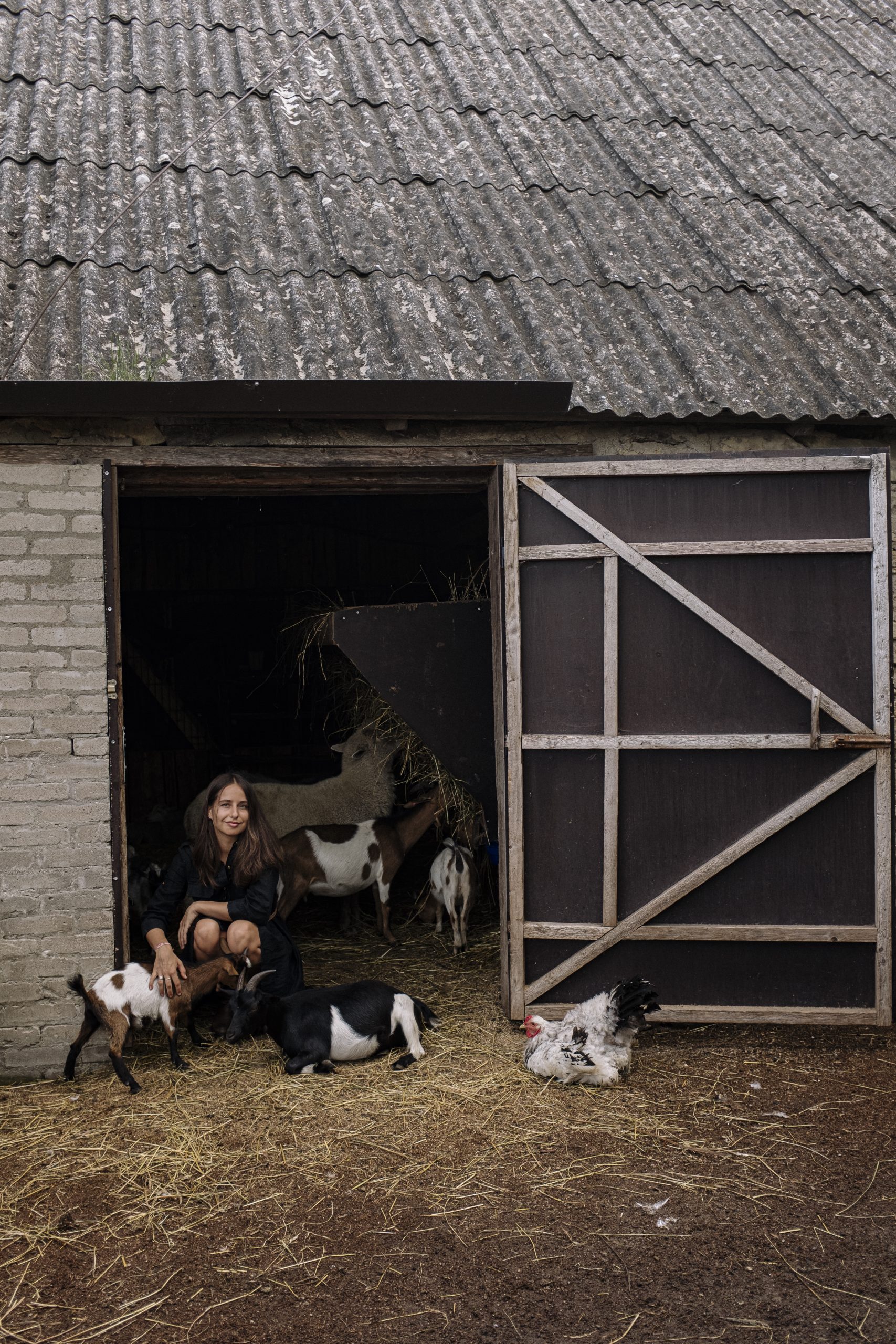
Estonia’s food heritage also depends on people continuing to practise it. Mulgi puder, a traditional potato and barley dish, was added to UNESCO’s Intangible Cultural Heritage list in 2024. The Võromaa smoke sauna tradition, which includes smoking meat, was recognised in 2014. For Birjuk, such traditions live on in kitchens and daily routines, not just in official listings.
Her ambition is to bring Estonian and Swiss farms into closer contact and bring home what she has learnt. The croissant project makes a related argument on a smaller scale. A pastry can carry a baker’s choices in its shape, texture and finish. Noticing those choices is one way to value the person behind the food.