Jaan Tallinn backed Anthropic because he wanted a say in how quickly artificial intelligence was being developed; five years on, his stake in the maker of Claude accounted for roughly $19 billion of that fortune on its first day of trading – more than 300 times what he is thought to have invested.
“I try to invest in AI companies simply so I can be there and talk to people,” Jaan Tallinn told the Estonian business newspaper Äripäev. When Anthropic co-founder Dario Amodei approached him in 2021, the Estonian programmer wanted to know whether the company would go ahead without his money.
According to Forbes, Tallinn agreed to lead Anthropic’s first major funding round once he was satisfied that venture capital investors would otherwise put up the money. By then, he had spent more than a decade funding research into whether advanced AI might threaten humanity’s survival. If Anthropic was going to build the technology anyway, he wanted to be part of the conversation.
Anthropic raised $81 billion in the largest stock market flotation on record, surpassing the roughly $75 billion raised by Elon Musk’s SpaceX in June. Its shares opened on Nasdaq at $111.50 on 19 November, a third above the $83 offer price, before trading at around $100 early that afternoon.
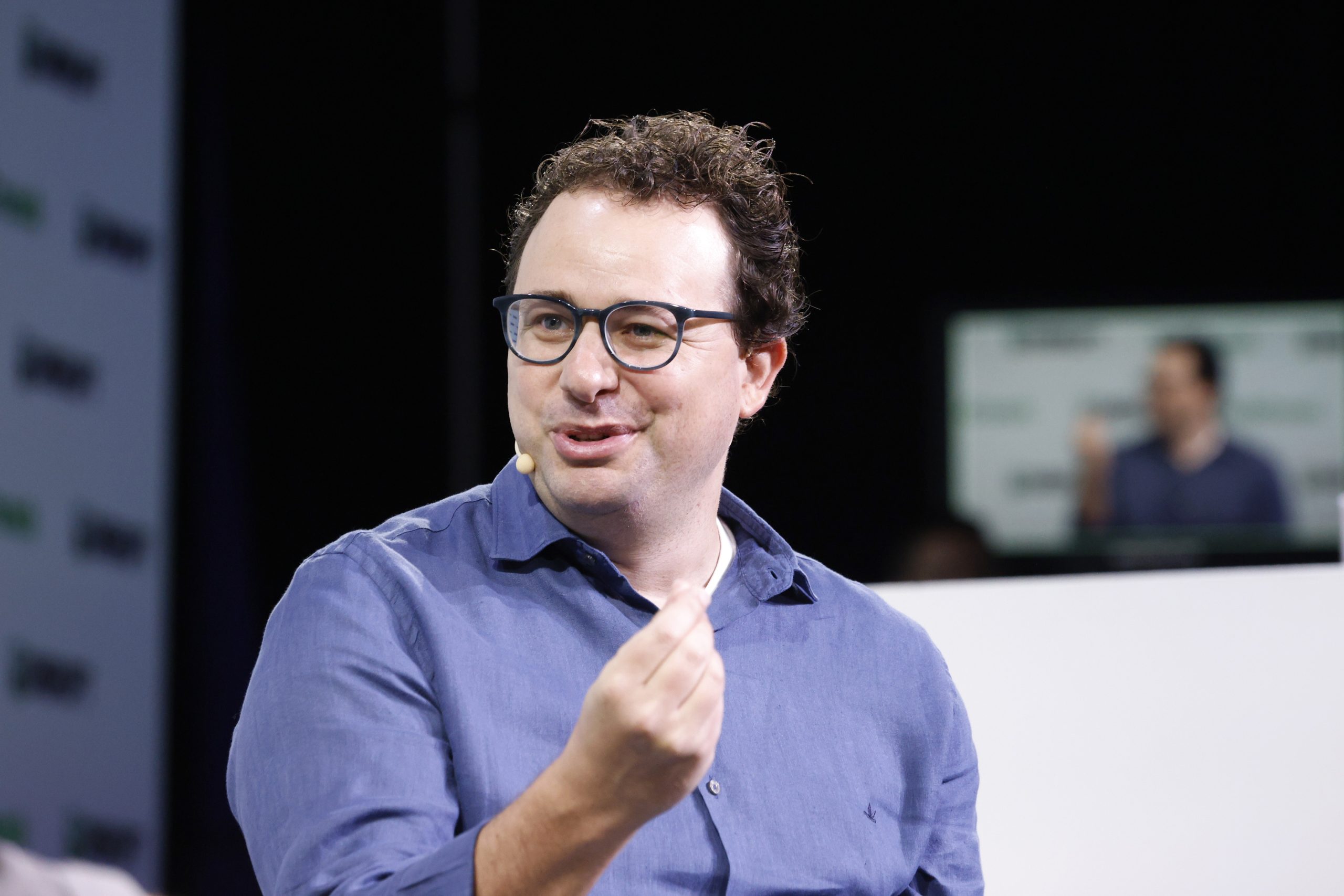
At the offer price, Forbes valued Tallinn’s Anthropic stake at $15.6 billion and put his total wealth at $17 billion. At $100 a share, the same holding would be worth about $18.8 billion. Add the roughly $1.4 billion Forbes attributed to his other assets and his fortune comes to just over $20 billion. The magazine estimates that Tallinn invested about $60 million across Anthropic’s first two funding rounds.
The Estonians who backed Claude
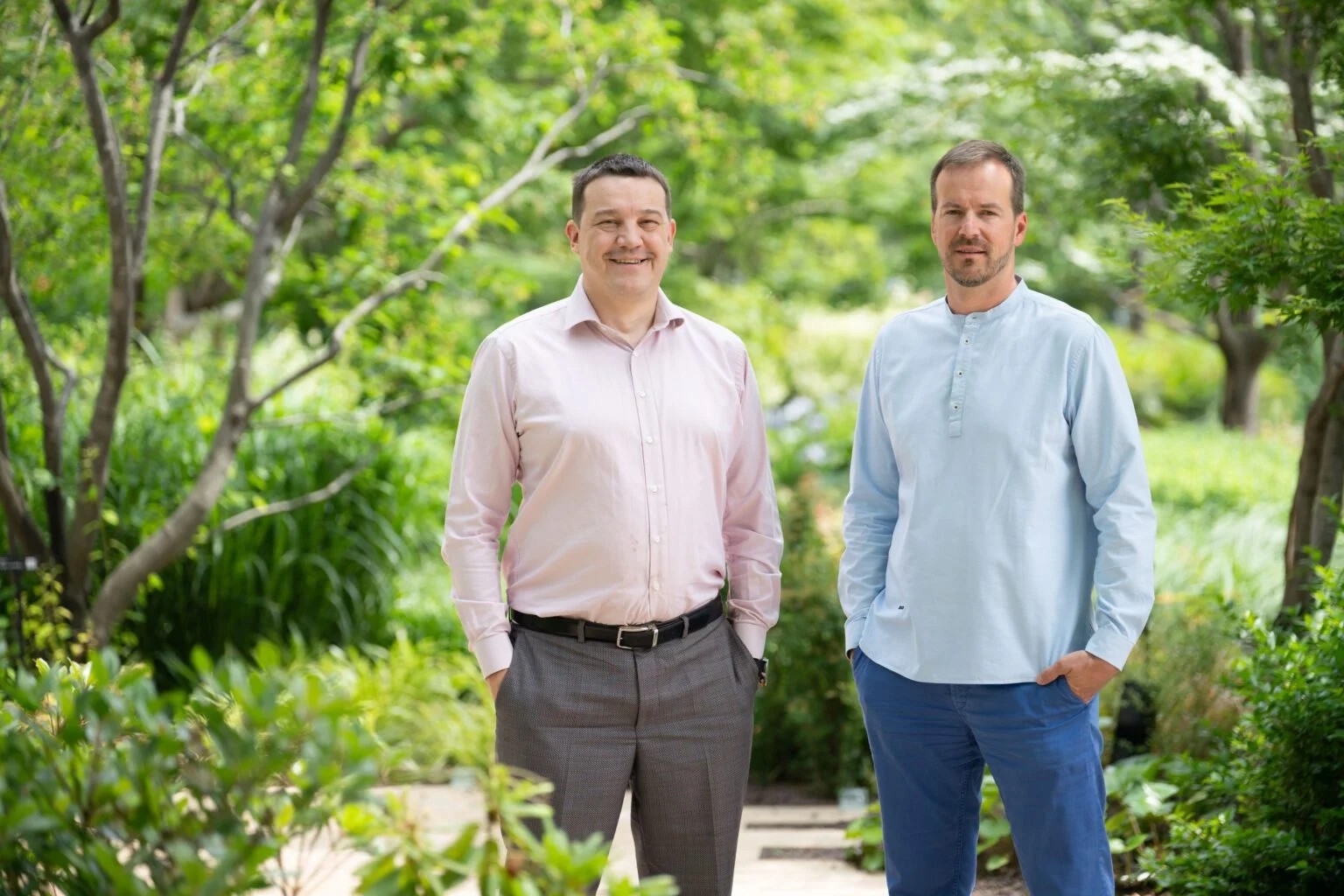
When Tallinn led Anthropic’s $124 million funding round in May 2021, the entire company was valued at $623 million. Among those who joined him were two fellow Estonians, Wise co-founder Taavet Hinrikus and technology investor Sten Tamkivi. They invested through Skaala, the firm they ran before setting up the venture capital group Plural.
Hinrikus has recalled that Anthropic struck him at the time as something akin to “a research project on UFOs”. Five years later, the company behind Claude has reported revenue of more than $33 billion for the first nine months of the year, up from $4.6 billion in the whole of last year.
Skaala still holds its shares. Asked on Äripäev radio whether the firm intended to buy more or sell some, Tamkivi gave little away. “I think we’re quite happy with our position in Anthropic,” he said.
Tallinn invested again in 2022, when Anthropic raised a further $580 million. The exact size of his holding remains private. He told the Estonian start-up publication foundME last year that subsequent funding rounds had substantially diluted the stake held by his investment firm, Metaplanet.
Forbes bases its calculation on an estimated stake of 1.15%. Longterm Wiki, a database that tracks the wealth of investors interested in long-term risks and effective altruism, put his holding at between 0.6% and 1.7% at the start of the year. At Anthropic’s offer price, even a small difference in the size of his stake changes Tallinn’s estimated wealth by billions.
From Skype to Cambridge
Tallinn made his first fortune writing software with two former schoolmates, Ahti Heinla and Priit Kasesalu. The three had developed a computer game called Kosmonaut while Estonia was still under Soviet occupation. Tallinn went on to study theoretical physics at the University of Tartu before the programmers helped build the file-sharing service Kazaa and, later, Skype. In 2005, eBay bought the internet calling company for $2.6 billion.
By 2008, Tallinn had become convinced that artificial intelligence could pose a threat to human survival. The following year, Forbes recounts, he met the American AI safety researcher Eliezer Yudkowsky at a café near Millbrae, California. Tallinn began donating to Yudkowsky’s institute and, in 2012, co-founded the Centre for the Study of Existential Risk at the University of Cambridge. Two years later, he helped establish the Future of Life Institute.

Forbes puts his donations to research on AI safety, biosecurity and other threats to humanity’s survival at more than $140 million. Alongside that work, he backed DeepMind, the British AI laboratory later bought by Google. His portfolio today also includes the Finnish smart ring maker Oura, the satellite company Astranis and an indirect stake in SpaceX.
What worries him about AI
Tallinn uses AI to write software for projects he pursues for pleasure. It has become an exceptionally good programming partner, he told Äripäev. What worries him is how much more an employer might be willing to pay for the same technology.
An individual might spend $20 a month on an AI subscription, he said. A company that could shed staff by adopting it might be willing to spend several thousand. “The economic logic is clear, but as human beings we shouldn’t let it play out that way.”
Tallinn has begun to question how much influence an early investor can exert over the race between America’s AI companies, according to Forbes. Once restrictions on selling his shares lift, he could use some of the proceeds to finance the kind of research he began supporting more than 15 years ago. At $100 a share, selling just one per cent of his estimated Anthropic holding would raise nearly $190 million.