Estonia has been ranked first among European Union member states in a new European startup and scaleup scoreboard, underlining the country’s outsized role in the bloc’s technology economy despite weaker productivity and trade indicators.
The European Startup and Scaleup Index placed Estonia at 160.4 per cent of the EU’s 2020 average in 2025, making it the EU’s top performer. The index, part of the European Startup and Scaleup Scoreboard, measures countries across 36 indicators covering startups, scaleups, finance and broader innovation conditions.

Estonia’s strongest showing came in venture capital expenditure, where it ranked first in the EU, reflecting the depth of its startup ecosystem and its ability to attract funding relative to the size of its economy. The country also scored highly for trademark applications and the employment of ICT specialists.
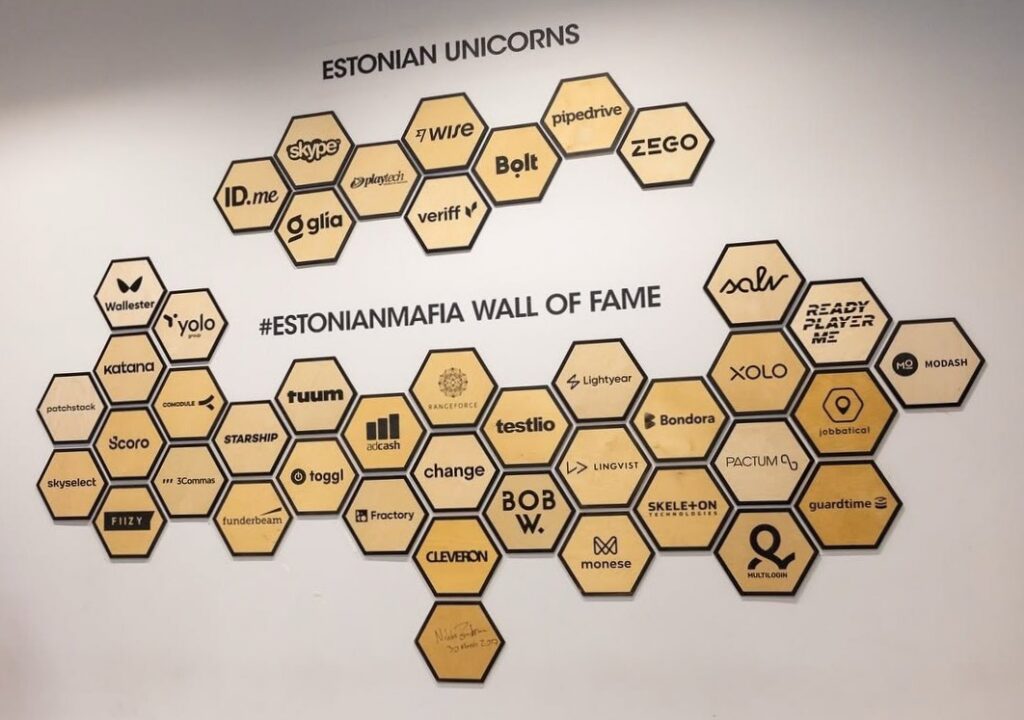
The report notes that Estonia remains one of Europe’s most developed startup markets, with high rates of enterprise creation, strong entrepreneurial activity and the highest number of unicorns per capita in Europe. Estonian startups reached a record turnover of €3.9 billion in 2024, up 14.7 per cent on the previous year, although growth has slowed compared with earlier years.
The broader picture is more mixed. Estonia was classed as a “Strong Innovator” in the European Innovation Scoreboard, performing at 104.8 per cent of the EU average in 2025 and ranking 11th among member states. Its strengths include venture capital, public-private co-publications and trademark applications.

However, the scoreboard also points to persistent weaknesses. Business R&D investment remains below the EU average, while Estonia ranks poorly on high-tech imports from outside the EU, resource productivity and production-based CO2 productivity. The report also points to skills shortages, especially in science, technology, engineering and mathematics, as a constraint on Estonia’s future economic and innovation performance.
The findings suggest that Estonia’s startup brand remains one of the strongest in Europe, but that turning digital entrepreneurship into broader industrial productivity remains the country’s central challenge.