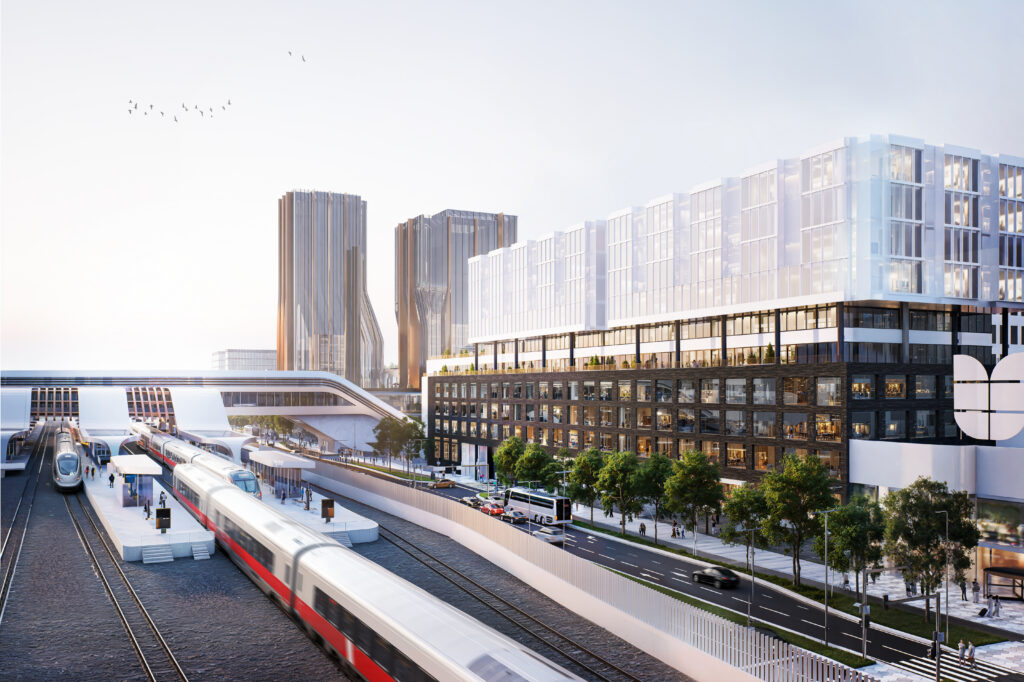
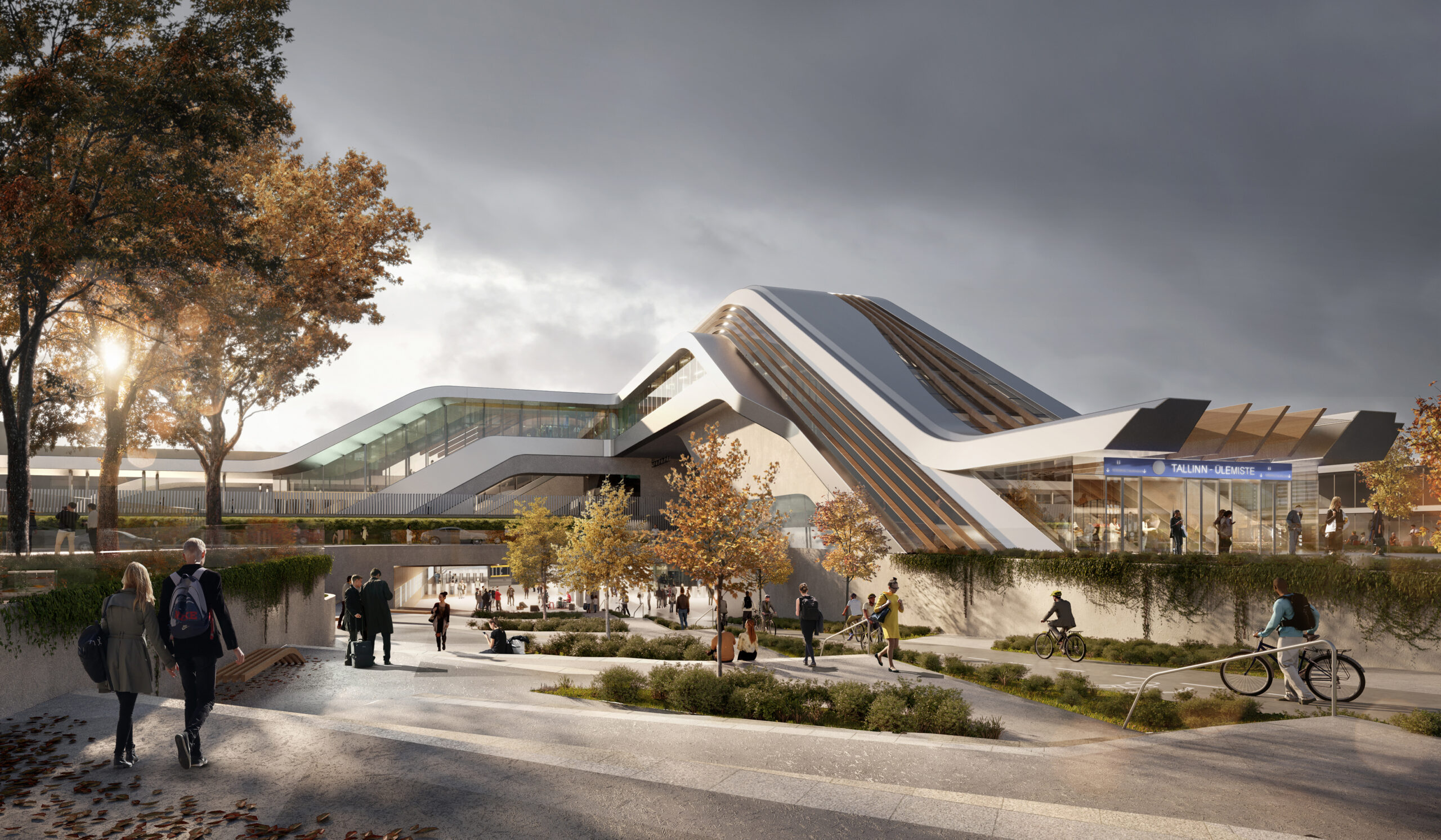
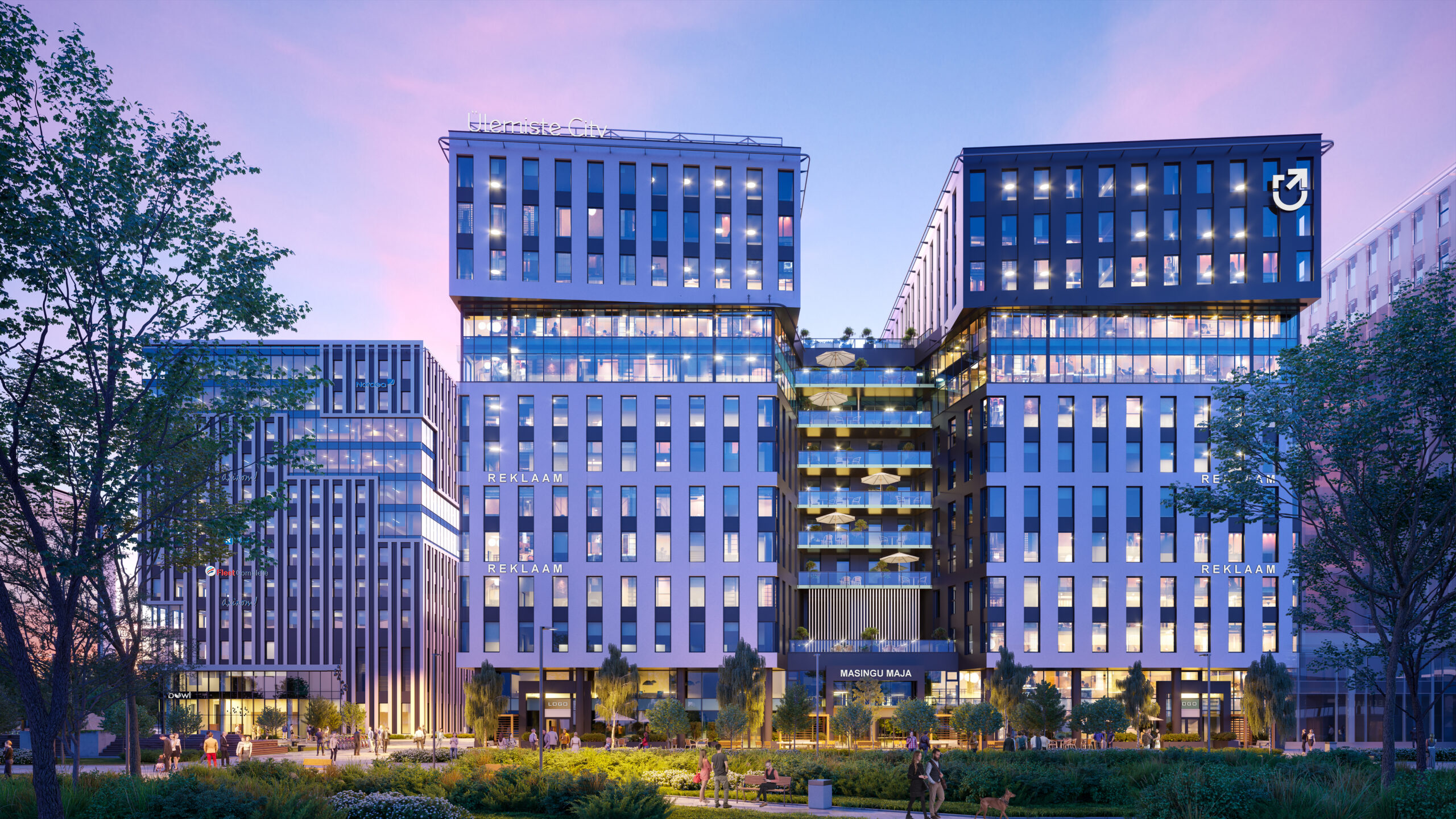
Tallinn’s Ülemiste district is expected to become the Estonian capital’s new – or secondary – city centre by 2030, thanks to its location next to the new transport hub, which will include the Rail Baltica terminus.
To support this, Tallinn Airport, Rail Baltic Estonia and Mainor Ülemiste are set to invest nearly €500 million over the coming years in developments “that will transform the former industrial area into a modern urban gateway attractive to international companies and investors”, the companies said in a statement.
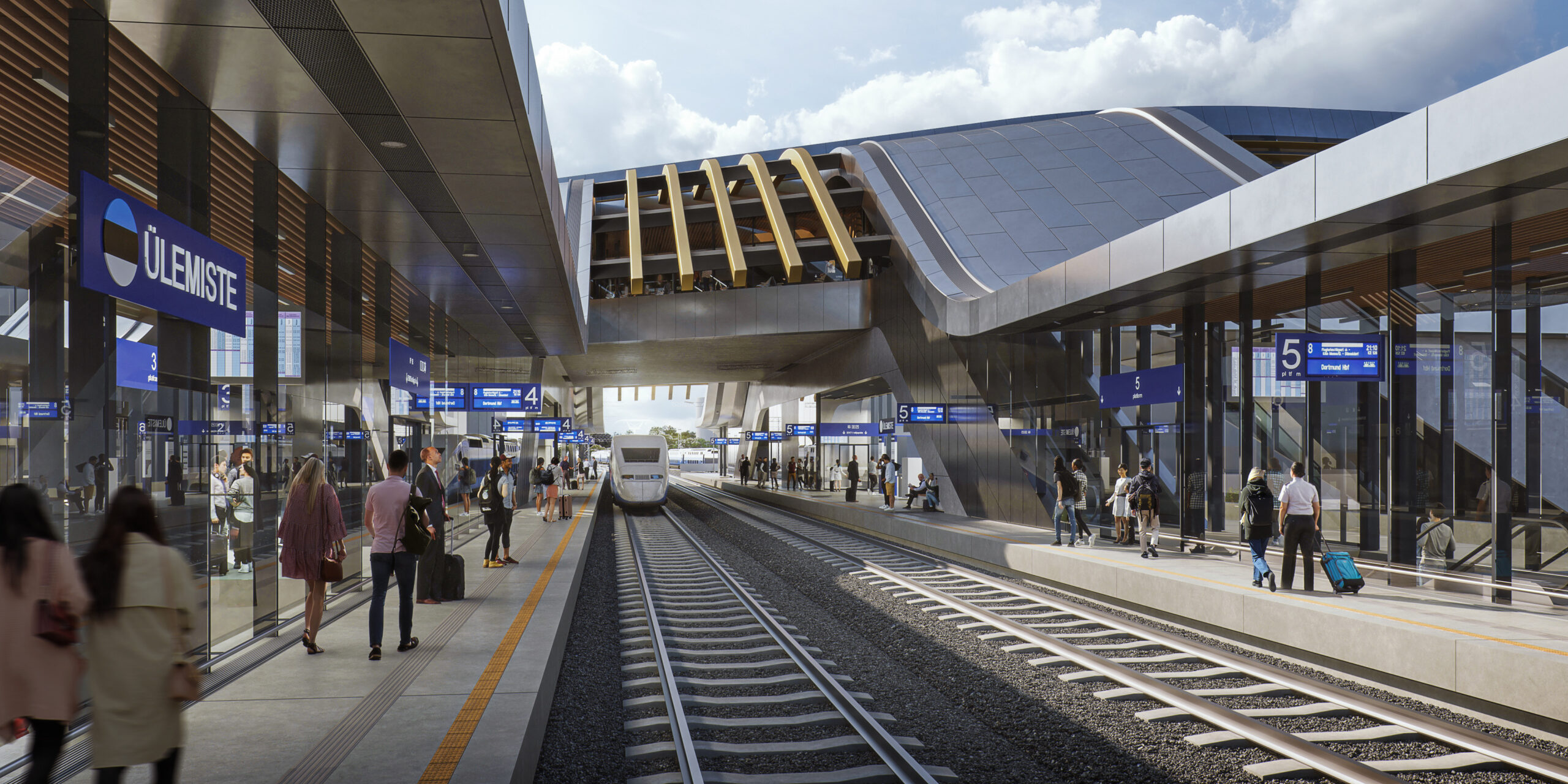
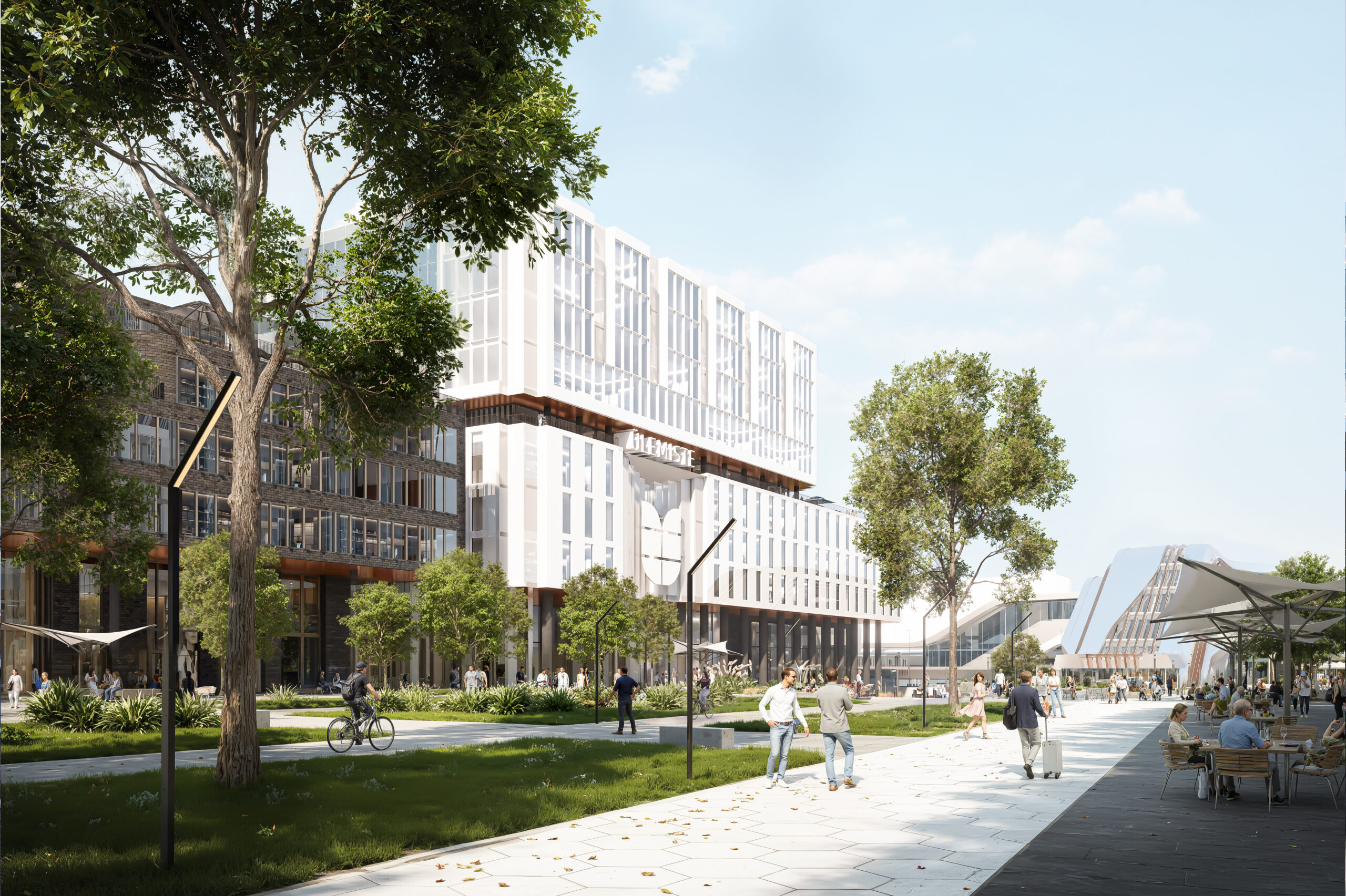
The new Rail Baltica terminal is intended to bring together international and local rail lines, trams, buses and the airport within a single integrated space. To achieve this, the companies aim to create a city within a city – “modern, with dense public space, pedestrian-friendly and an international urban hub”, said Mainor Ülemiste CEO Sten Pärnits. Mainor Ülemiste is the developer of Ülemiste City.
According to the company, the area is already Estonia’s third-largest economic city by labour tax contribution, with companies generating nearly €3 billion in total revenue in 2024. By 2030, the company forecasts that 25,000 people will live, study and work on the campus.
Fifteen million people expected to pass through Ülemiste over the next decade
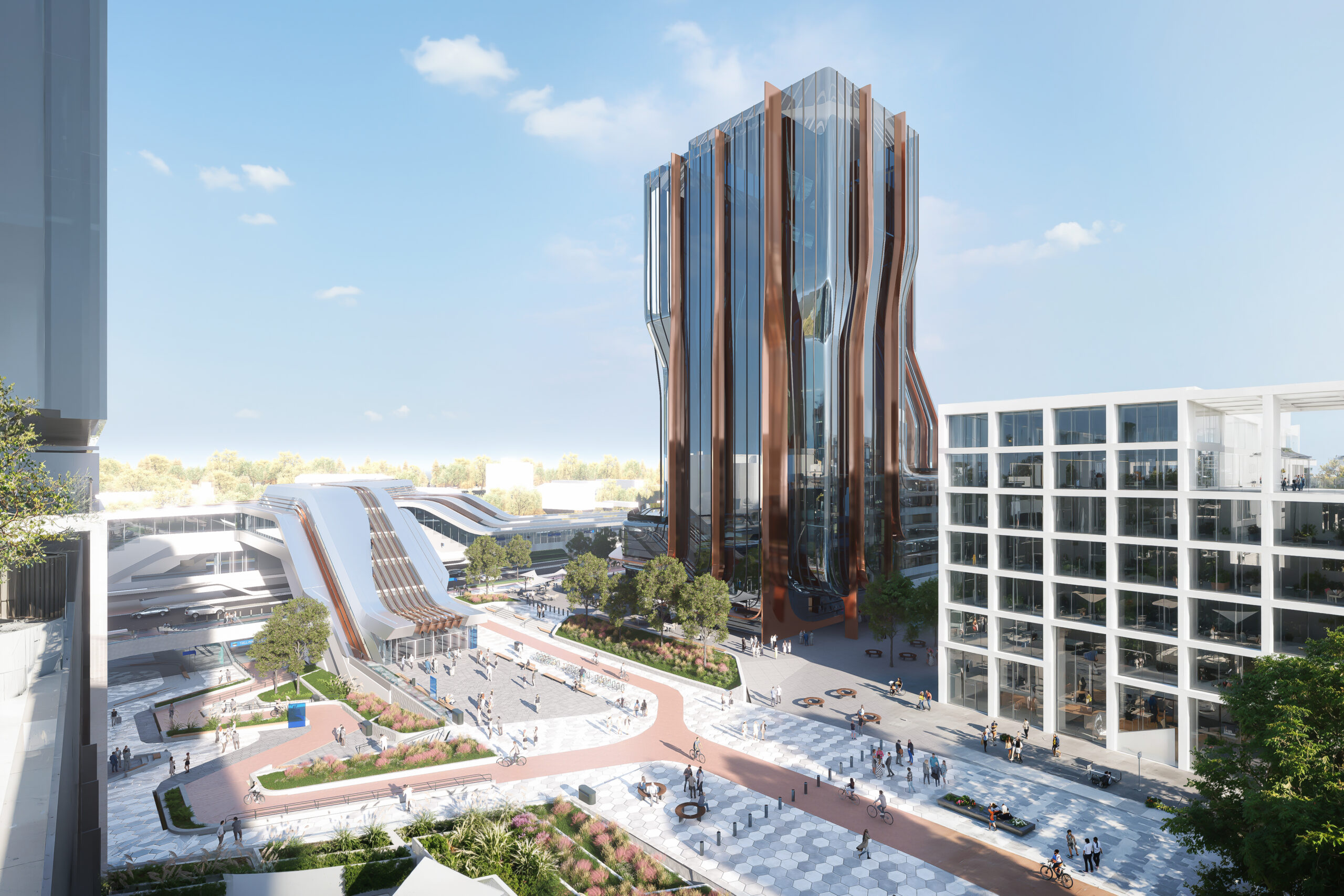
To create a presentable link between Rail Baltica, the airport and Ülemiste Centre, plans for Ülemiste City include a European-style park and a high-rise designed by Zaha Hadid Architects. The tower is set to house one of Estonia’s largest conference centres, covering 4,700 square metres (51,000 square feet), and is expected to generate €140 million in tax revenue.
By 2028, a spa complex of up to 6,000 square metres (65,000 square feet) is also planned, with water, sauna and children’s areas, an adults-only spa, and dining facilities. A residential quarter is likewise planned for the campus, comprising four apartment buildings with a total of 400 flats.
Tallinn Airport forecasts that, by 2030, passenger numbers will rise from the current 3.5 million to as many as five million. In response, the airport last year launched the largest development project in its history, with an estimated cost of up to €75 million.
Rail Baltica is also expected to bring an additional two million people to Estonia each year. Over the next decade, nearly 15 million people are projected to pass through the Ülemiste area, taking into account air and Rail Baltica passengers as well as wider mobility forecasts.