
As the world readies itself for the 2026 Winter Paralympic Games in Milano–Cortina, to be held from 6 to 15 March, Estonia has joined a widening protest against the International Paralympic Committee’s decision to allow Russian and Belarusian athletes to compete under their national flags and symbols.
The dispute follows the IPC’s decision to reverse an earlier ban, restoring Russia’s and Belarus’s standing after years of restrictions imposed in the wake of Russia’s full-scale invasion of Ukraine in 2022. Under the latest ruling, six Russian and four Belarusian Paralympians will be eligible to compete in selected sports while using their own flag and anthem – a move condemned by Ukraine and several European countries, with Estonia now adding its voice.
The Estonian Paralympic Committee has denounced the decision as a betrayal of the paralympic movement’s core values, arguing that allowing athletes from what it calls “aggressor states” to compete with full national representation makes a mockery of fair play, safety and international law. It has announced that its officials will stay away from the opening and closing ceremonies, and will not attend any official IPC functions during the Games.
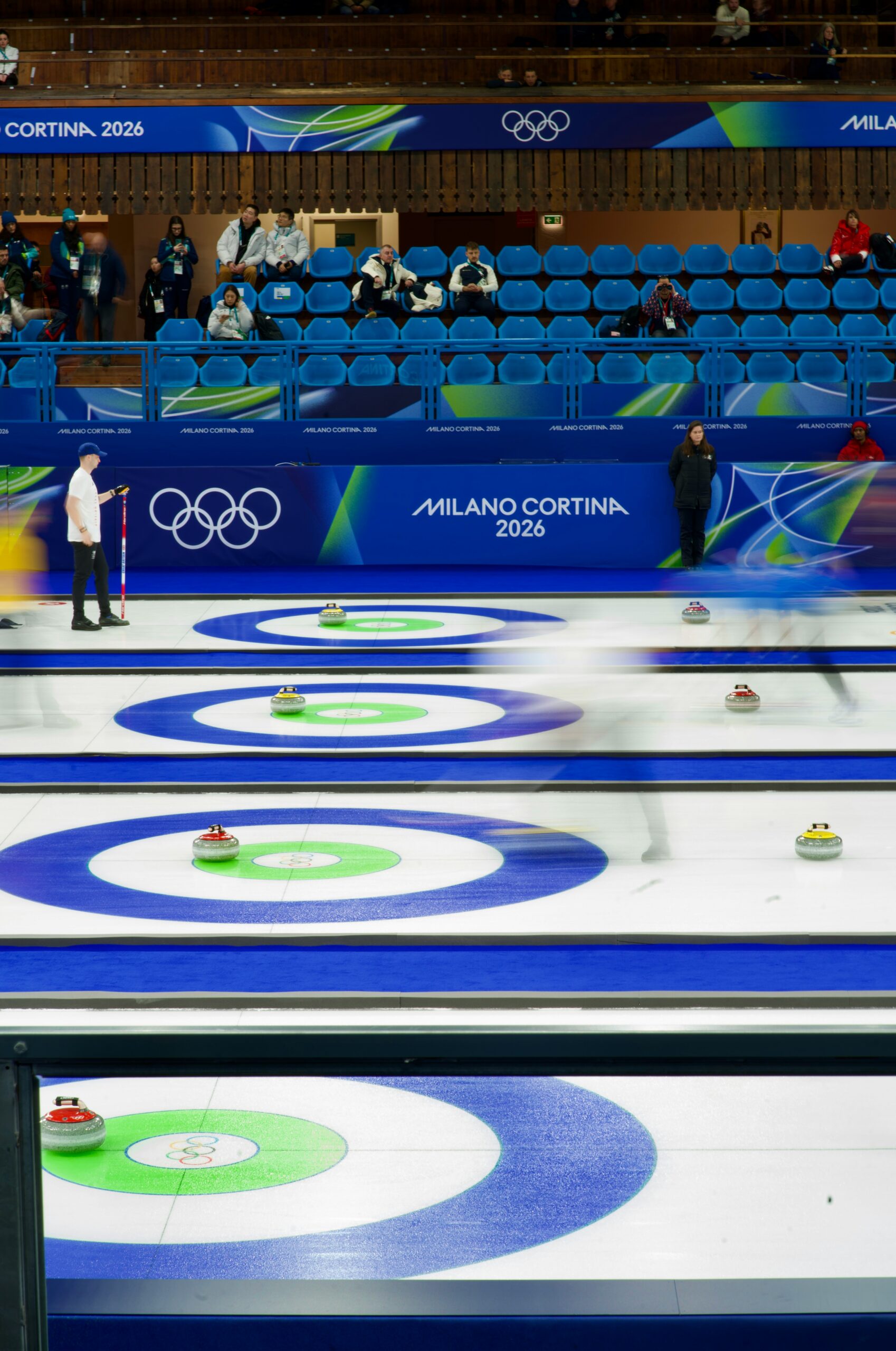
Estonia will still compete. Athletes such as the wheelchair curling pair Ain Villau and Kätlin Riidebach are expected to take to the ice – their performances shadowed by a conspicuous absence in the ceremonial spotlight: the country’s official representation.
For many in Tallinn, the argument is no longer primarily about sport; it is about solidarity with Ukraine and the maintenance of basic ethical standards in international competition.
Estonia is not alone. Ukraine has been at the forefront of the protest, with Kyiv confirming that officials and delegation members will boycott the opening ceremony over the same IPC decision.
Others have followed or voiced concern. The Czech Paralympic Committee has said it too will not take part in the opening ceremony, citing solidarity with Ukraine, while broadcasters – including Estonia’s public broadcasting – have signalled that coverage of events involving Russian and Belarusian athletes will come with caveats.
The dispute has erupted against a familiar backdrop: international sport has been grappling with the collision of politics, justice and competition for decades. Boycotts and protests have shaped the Olympic movement since the Cold War, and today’s tensions are a contemporary version of the same struggle. Can global sport credibly claim to be apolitical when it is so tightly bound up with national identity, reputation and diplomacy?

