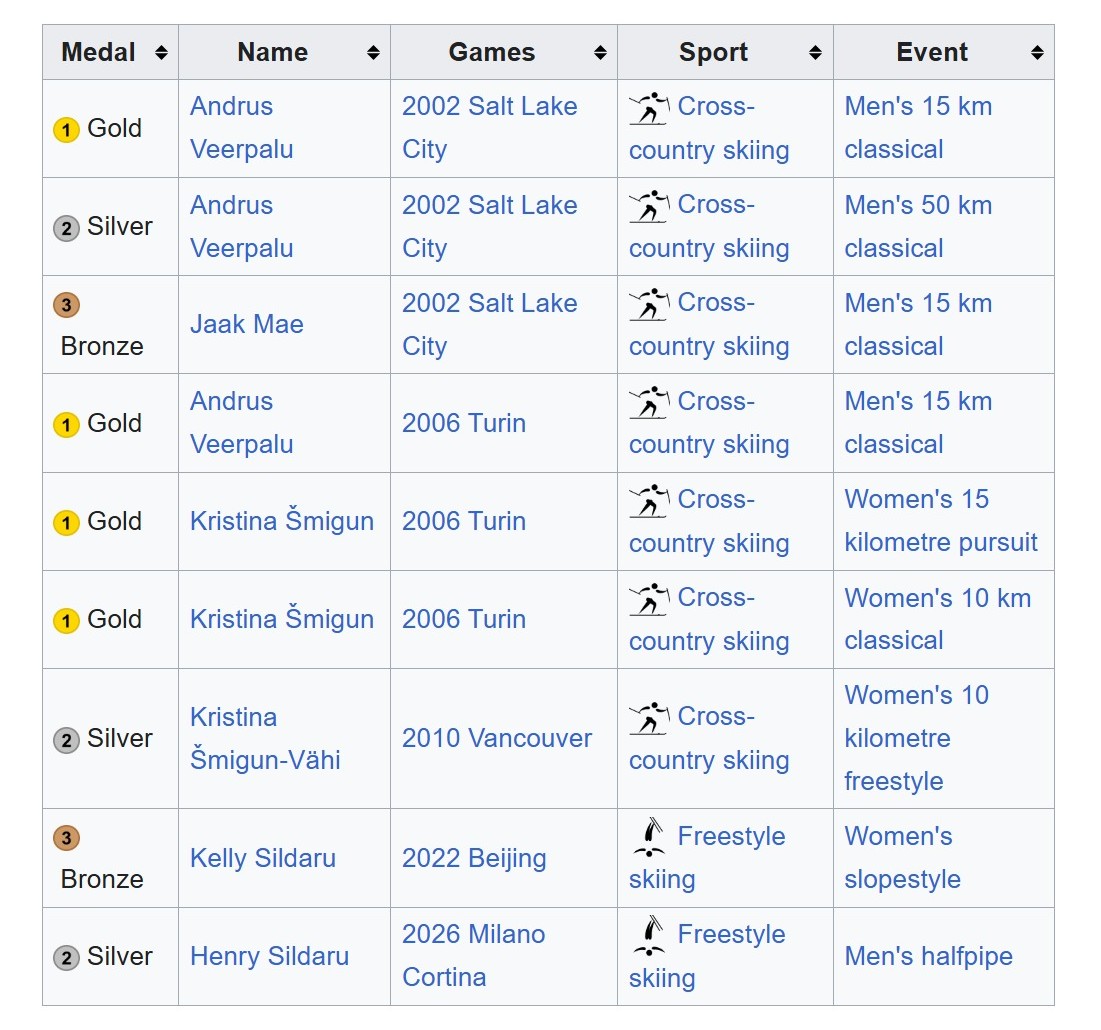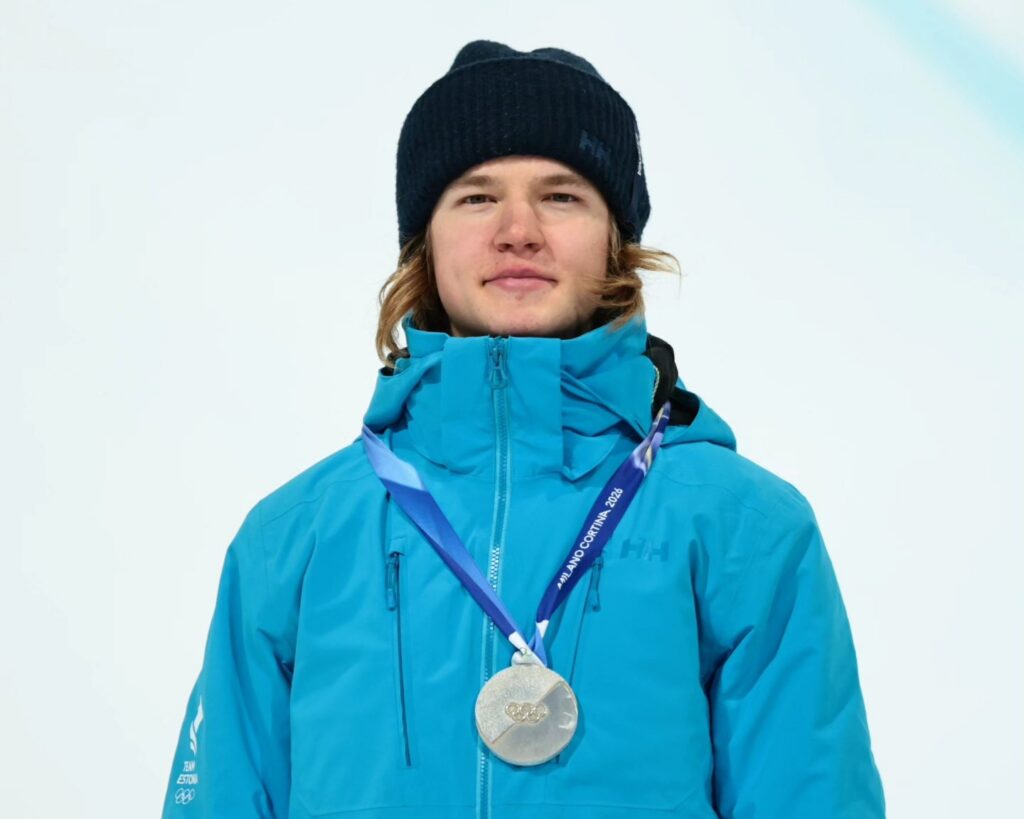
Estonia’s 19-year-old freestyle skier Henry Sildaru won silver in the men’s freeski halfpipe at the Milan–Cortina Winter Olympics on Friday, recovering from a first-run crash to post 93.00 points and securing the biggest result of his career.
For many Olympic viewers, Henry Sildaru was a new name. By the end of Friday night in Italy, he was an Olympic medallist – and, more importantly for Estonia, a clear signal that the country’s small but fast-evolving freestyle programme has another genuine top-tier talent.
Sildaru, 19, won silver in the men’s freeski halfpipe at the Milan–Cortina Winter Olympics, finishing on 93.00 points. The title went to American Alex Ferreira with 93.75, while Canada’s Brendan Mackay took bronze with 91.00.
The shape of Sildaru’s medal run made it even more striking: it was built not on a smooth, front-running final, but on a hard reset after a fall.
A crash – and then two near-perfect answers
Sildaru’s first run began well, but he crashed on the fourth feature, leaving him with only 24.25 – the kind of opening that can end a medal bid before it has started.
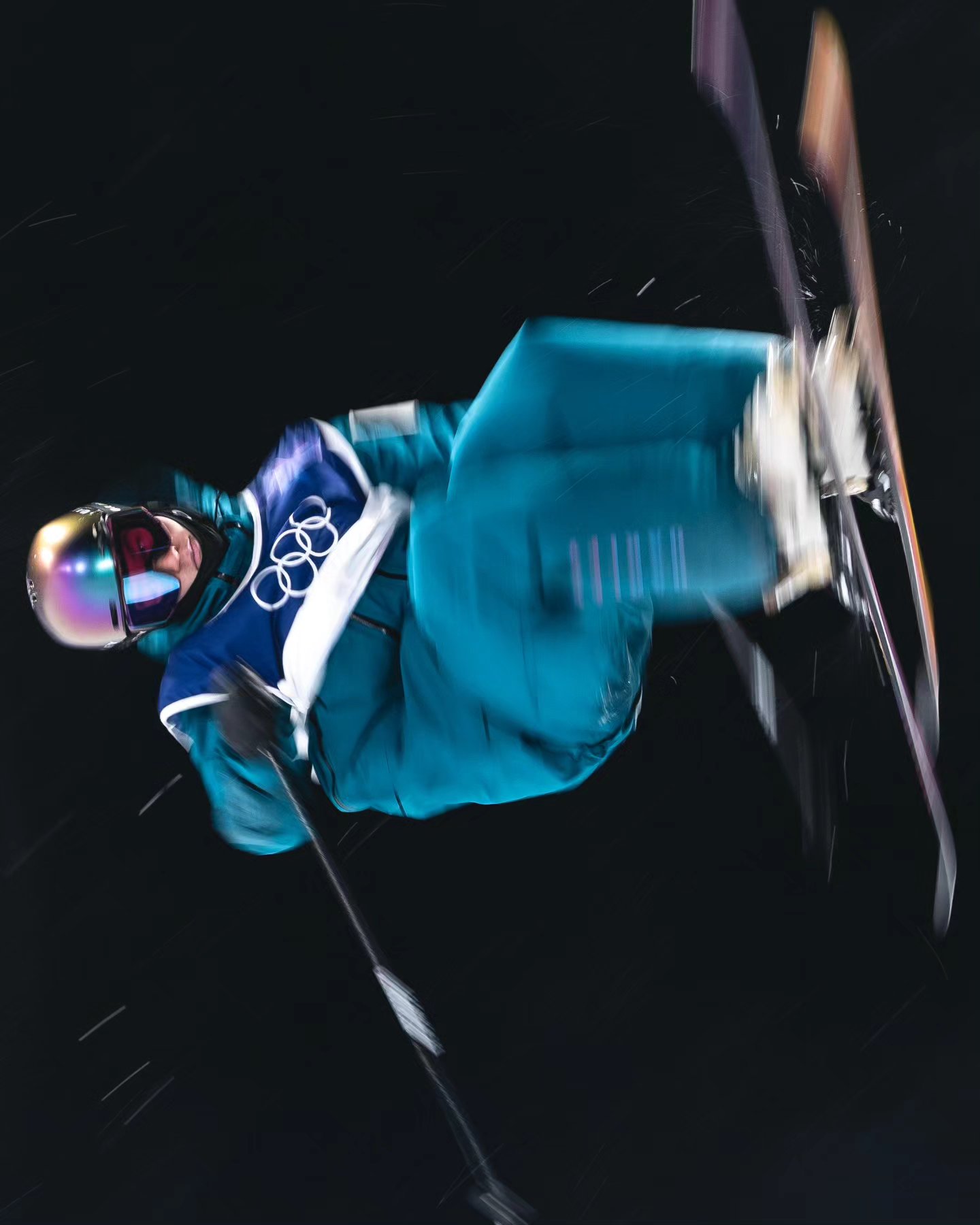
Instead, he produced the run of his Olympic life in round two. His second run was clean from top to bottom, with every hit landed and the difficulty dialled up, including a standout left-side 1620. The judges rewarded it with 92.75, which put him into the lead going into the final round.
Sildaru then did what contenders do: he improved. His third run was another composed, high-quality descent, lifting his score by 0.25 to 93.00. It was enough to secure silver – and to force everyone else to chase him until the very end.
Afterwards, Sildaru told Estonia’s public broadcaster ERR that he had not arrived at the Games expecting a podium, but believed a medal was possible if he delivered.
“Winning a medal sounds really good,” he said after the ceremony. “Coming to the Olympics, I wasn’t directly expecting to win a medal. Of course, I hoped that if I did my job properly, there would be a chance. Now I’ve got a medal around my neck – very cool.”
He described a notably calm mindset in the final round: “During the run there wasn’t any pressure – I just focused on skiing and tried to do it as well as I could.”
Who is Henry Sildaru?
Sildaru is part of Estonia’s most recognisable freestyle-skiing family – and one of the sport’s younger athletes to already have serious championship credentials.
Born in Tallinn on 26 August 2006, he made his first major breakthrough at the 2021 Junior World Championships in Krasnoyarsk, where, aged 14, he won junior world gold in halfpipe (and also took bronze in slopestyle). In Estonia, he is also known as the younger brother of Kelly Sildaru, who won Olympic bronze in slopestyle at the Beijing Games four years ago.
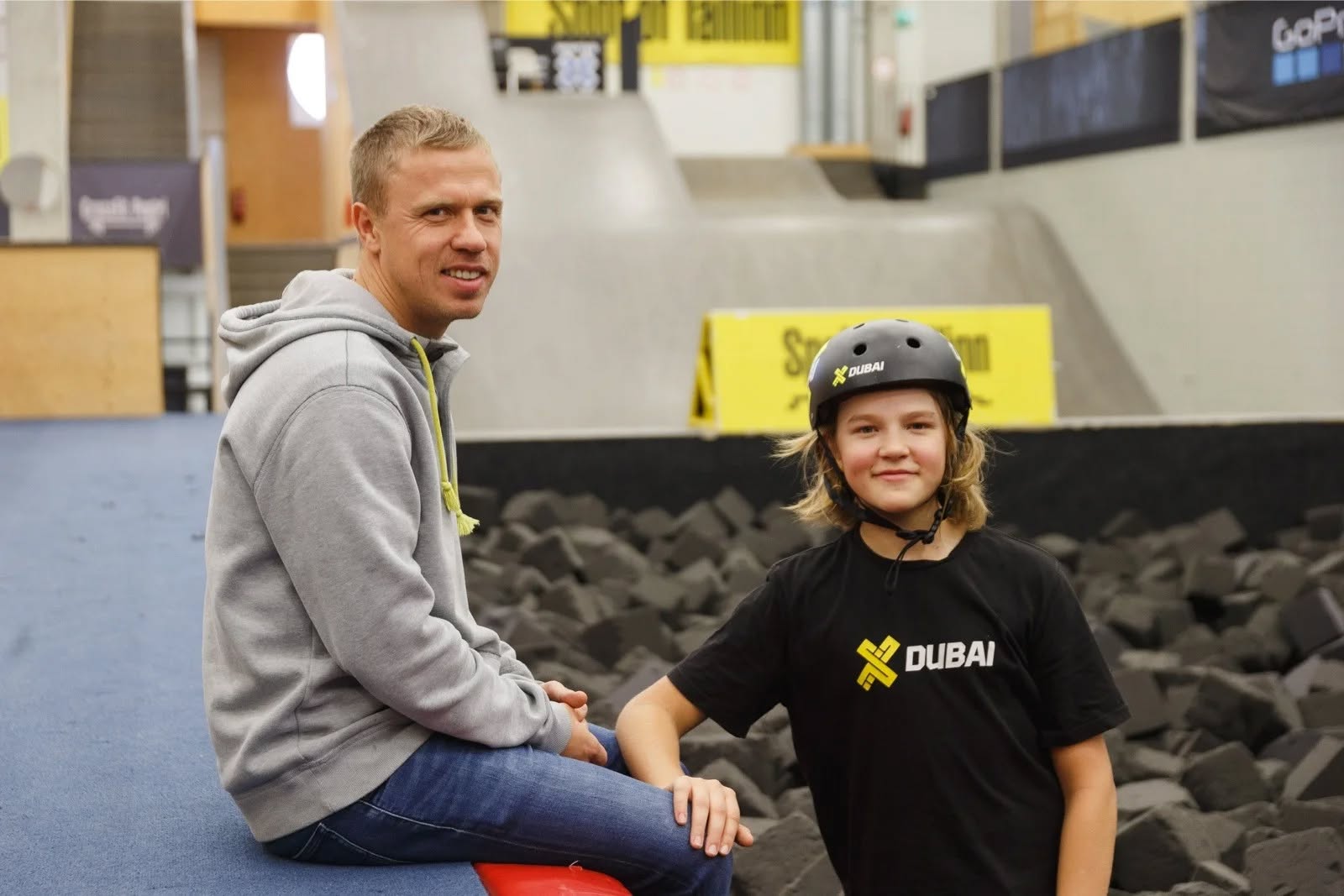
Henry is coached by his father, Tõnis Sildaru, and has been developed with an unusually modern, multi-discipline mindset – which helps explain why Milan–Cortina was not “just” a halfpipe campaign.
A three-event Olympian – and a late breakthrough
Halfpipe was Sildaru’s third event at these Olympics. He placed 21st in slopestyle and 22nd in Big Air, missing both finals – results that made Friday’s medal feel like a late turn in the narrative of his Games.
It also underlined his versatility: Sildaru competed in slopestyle, Big Air and halfpipe at the same Olympics, a demanding triple that only the most technically broad skiers attempt at this level. He has said he intends to continue in all three disciplines.
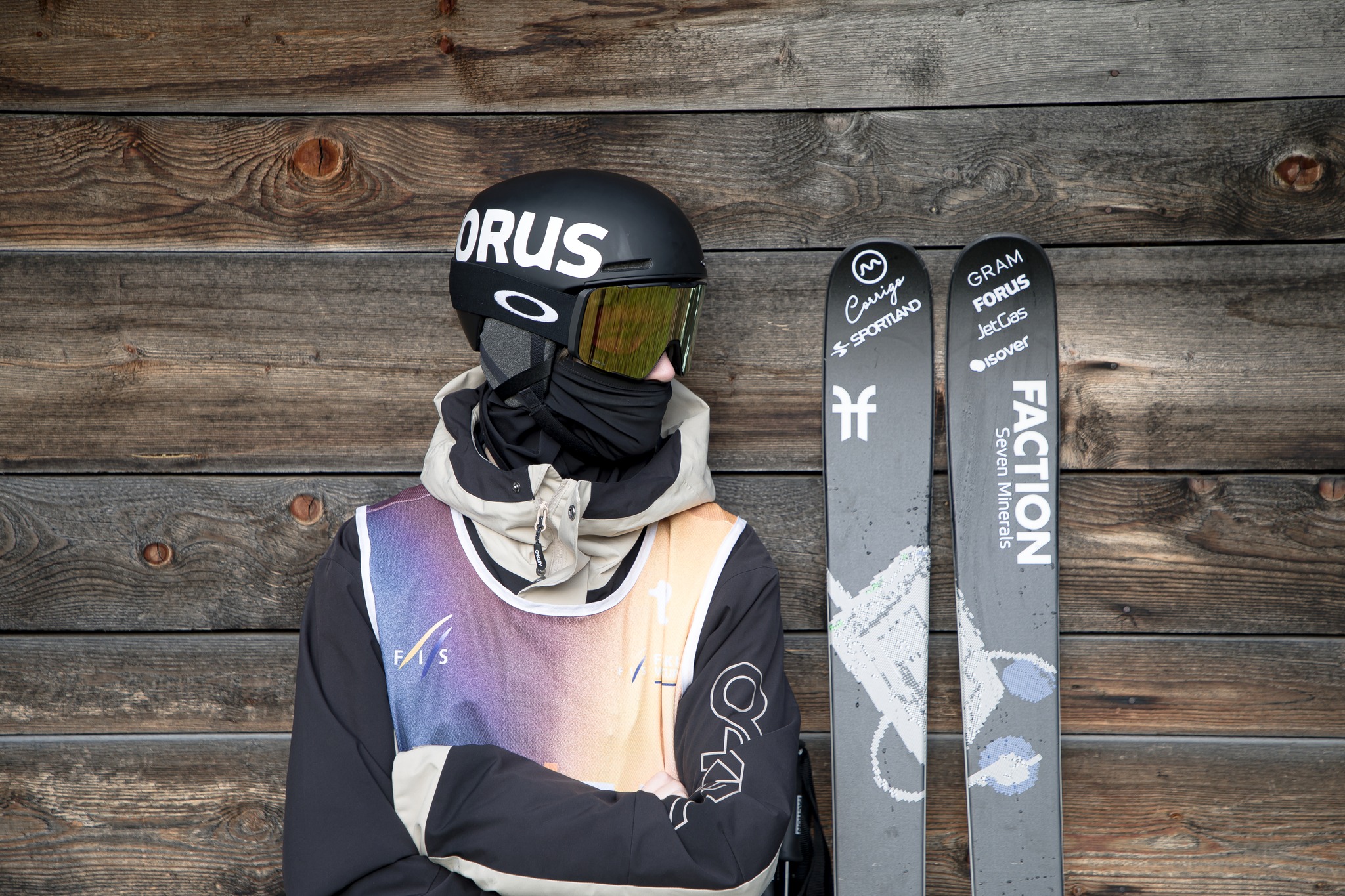
Sildaru’s silver is significant well beyond one night’s skiing. It made him the sixth Estonian to win a Winter Olympic medal and delivered Estonia’s second freestyle-skiing Olympic medal after Kelly Sildaru’s bronze in 2022.
For a country whose Winter Olympic identity has historically been shaped by endurance disciplines, a teenager spinning into halfpipe silver is another marker of a shift already under way: Estonia’s winter future is no longer only measured in kilometres – but also in rotations.