
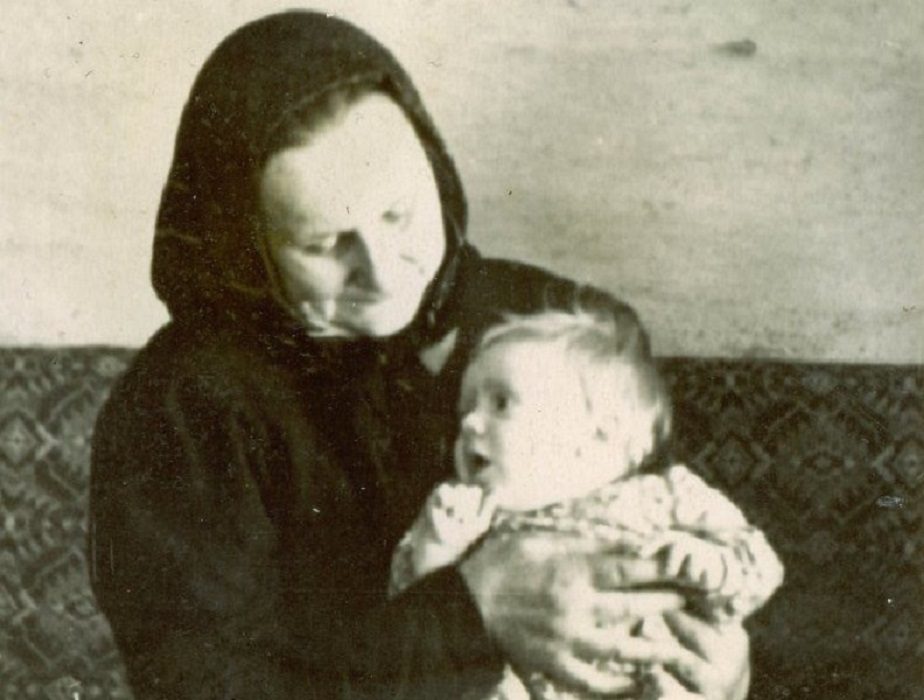
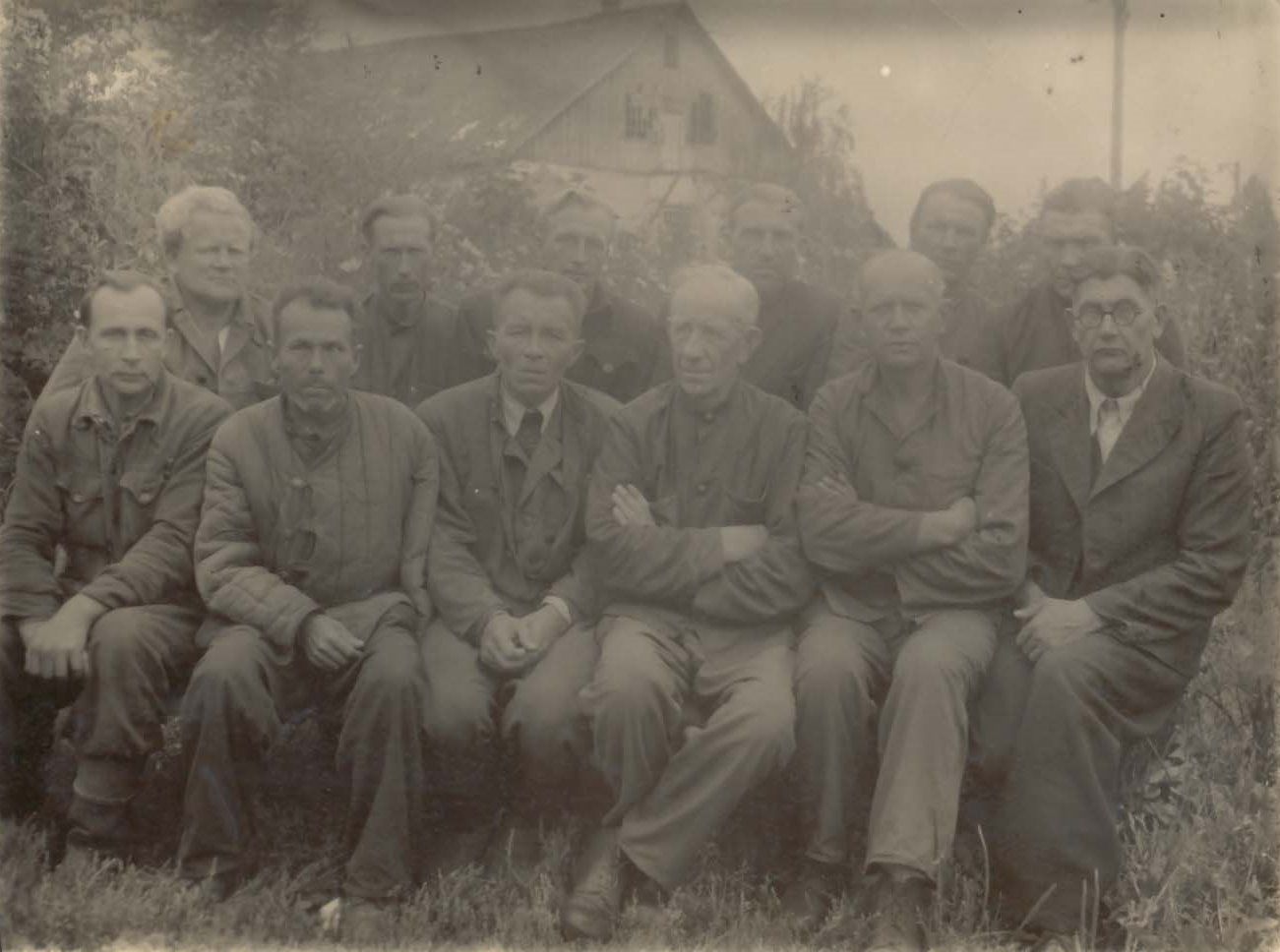
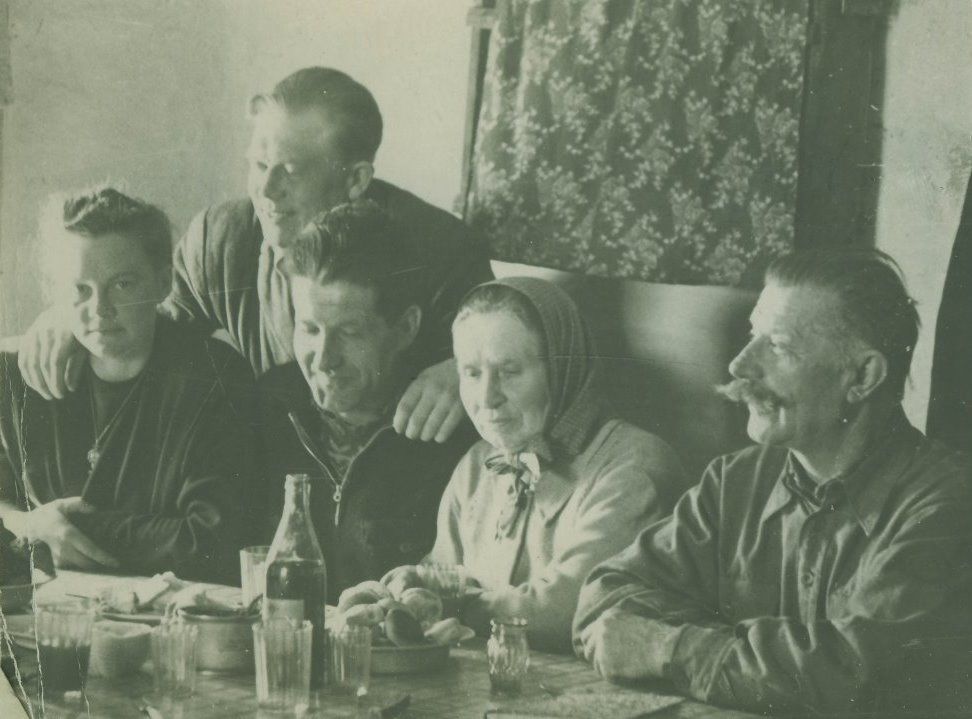
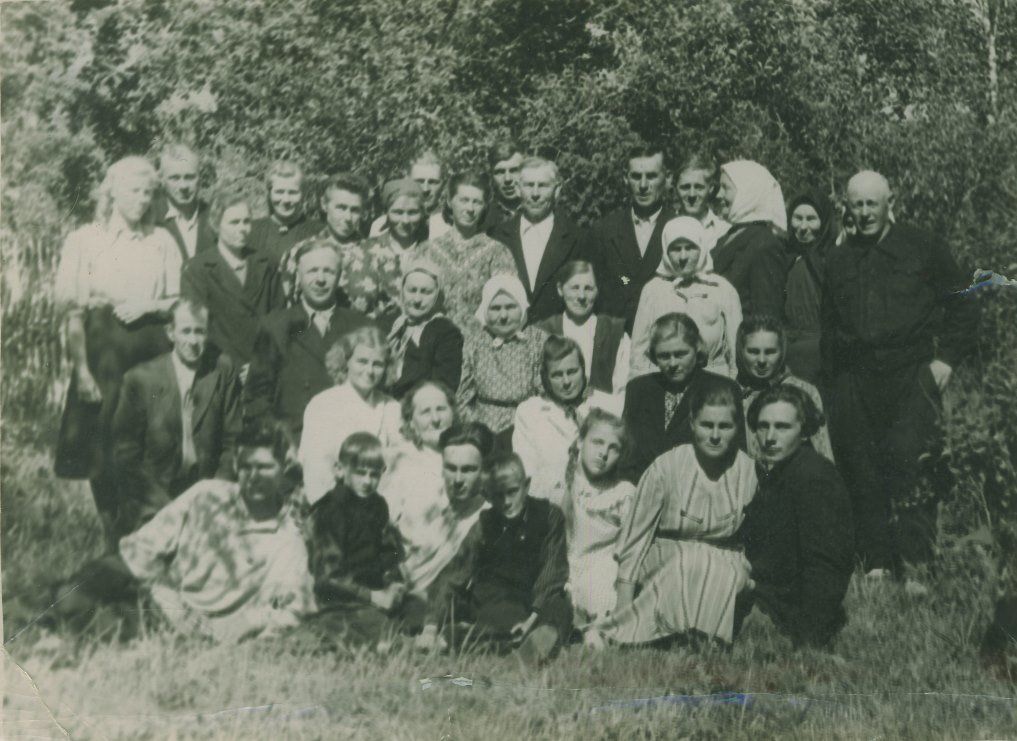
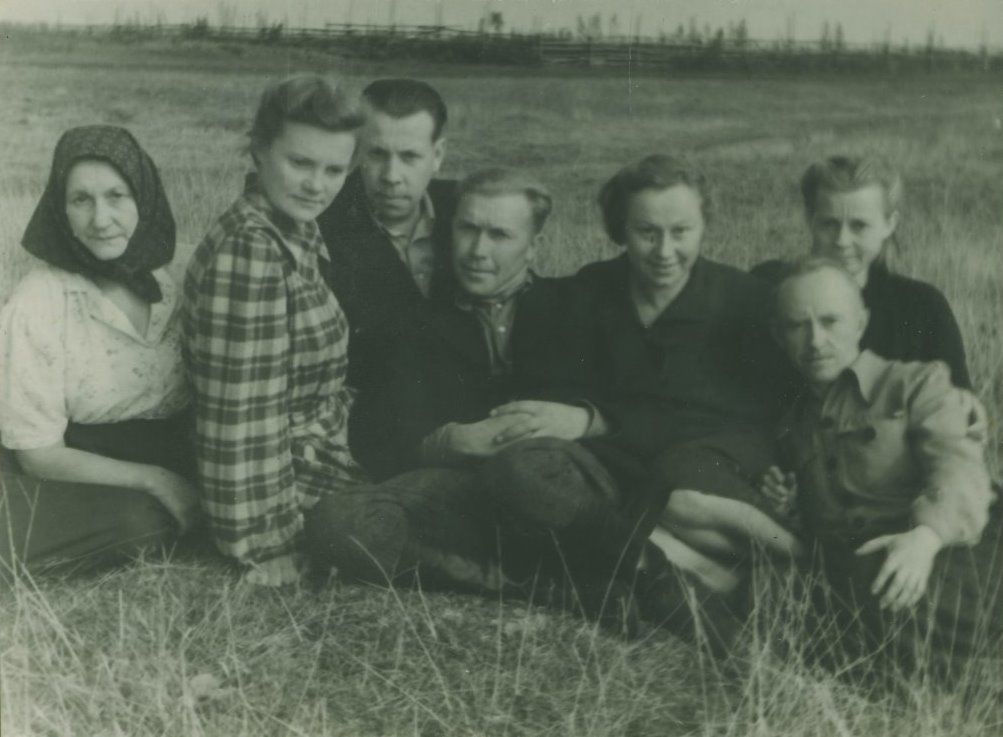
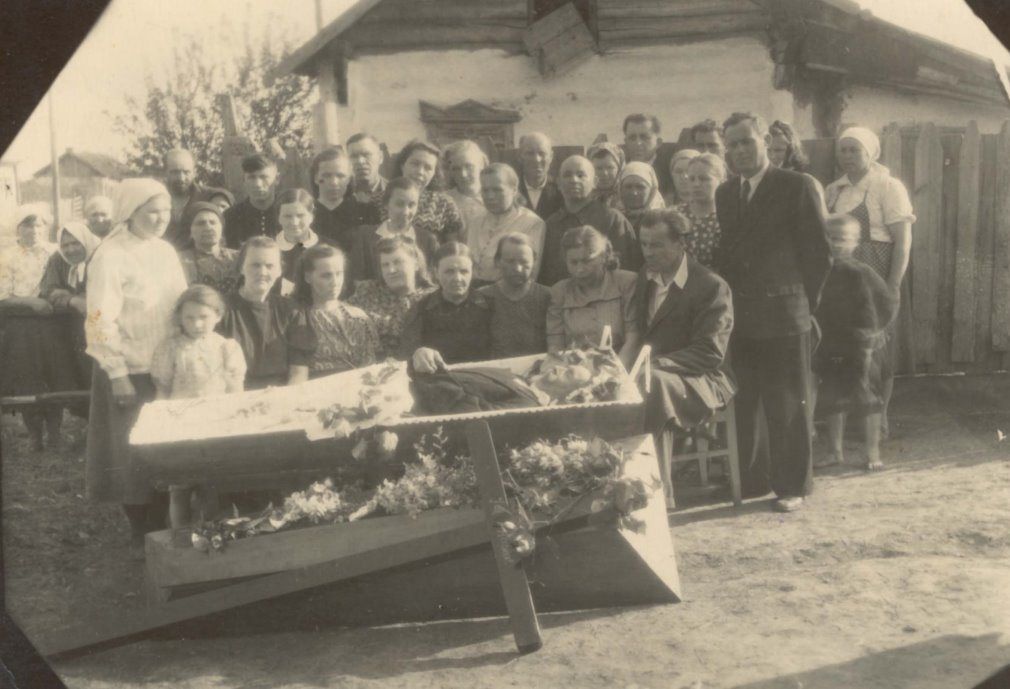
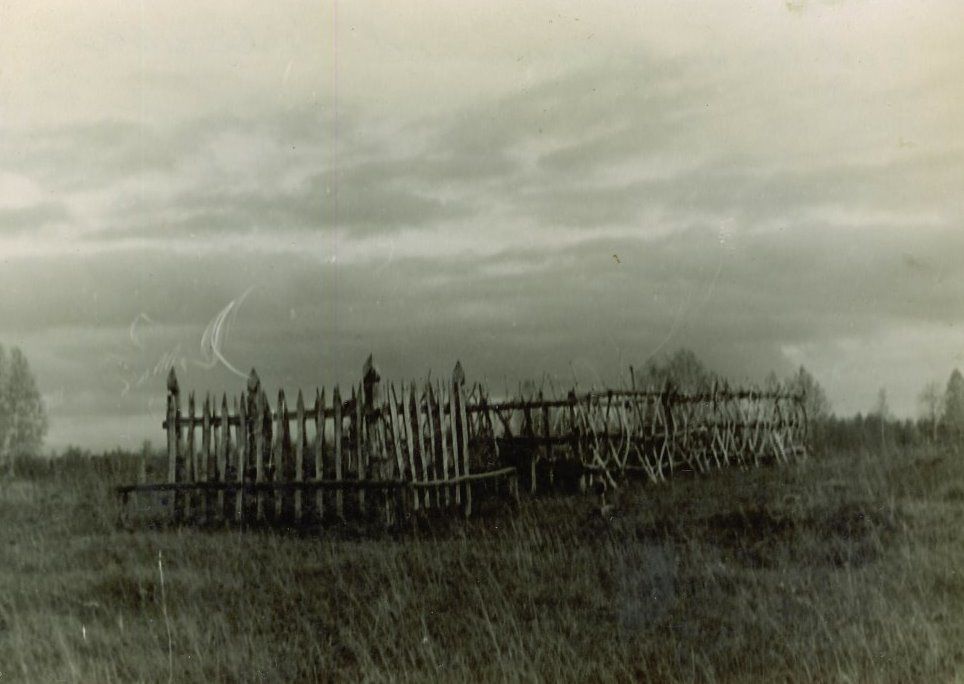
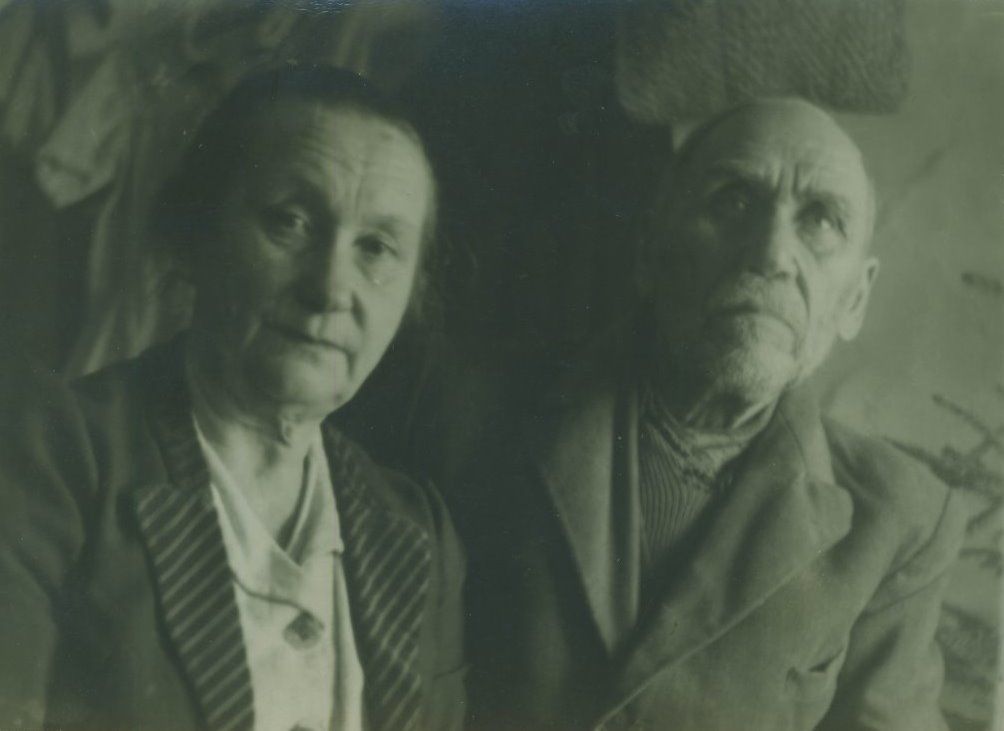
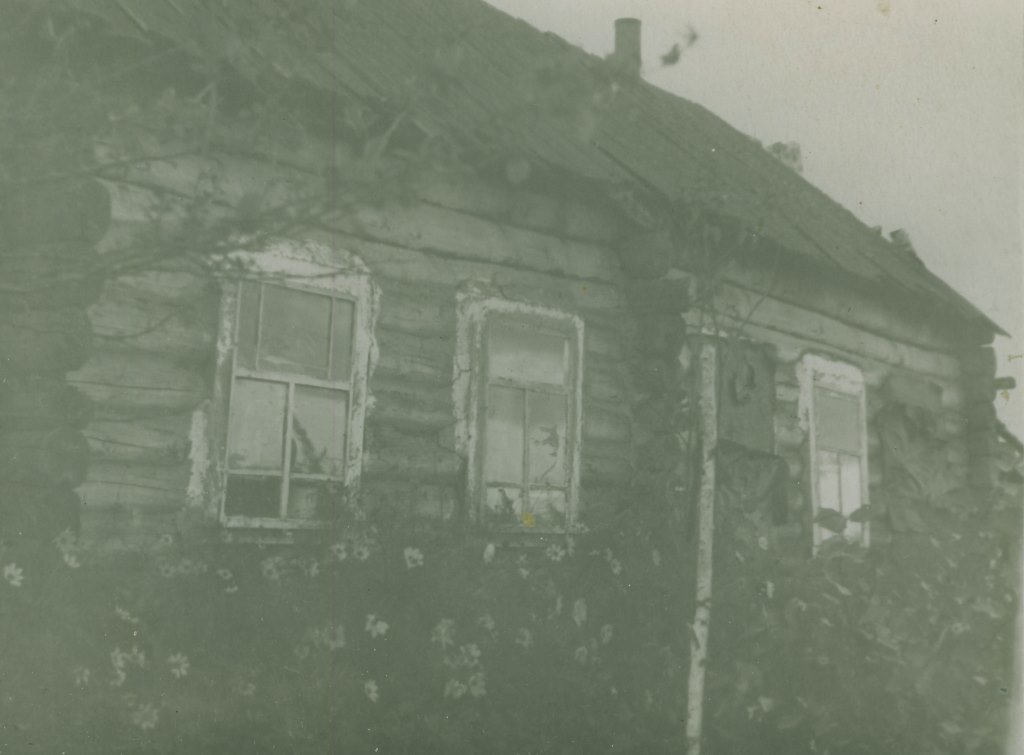
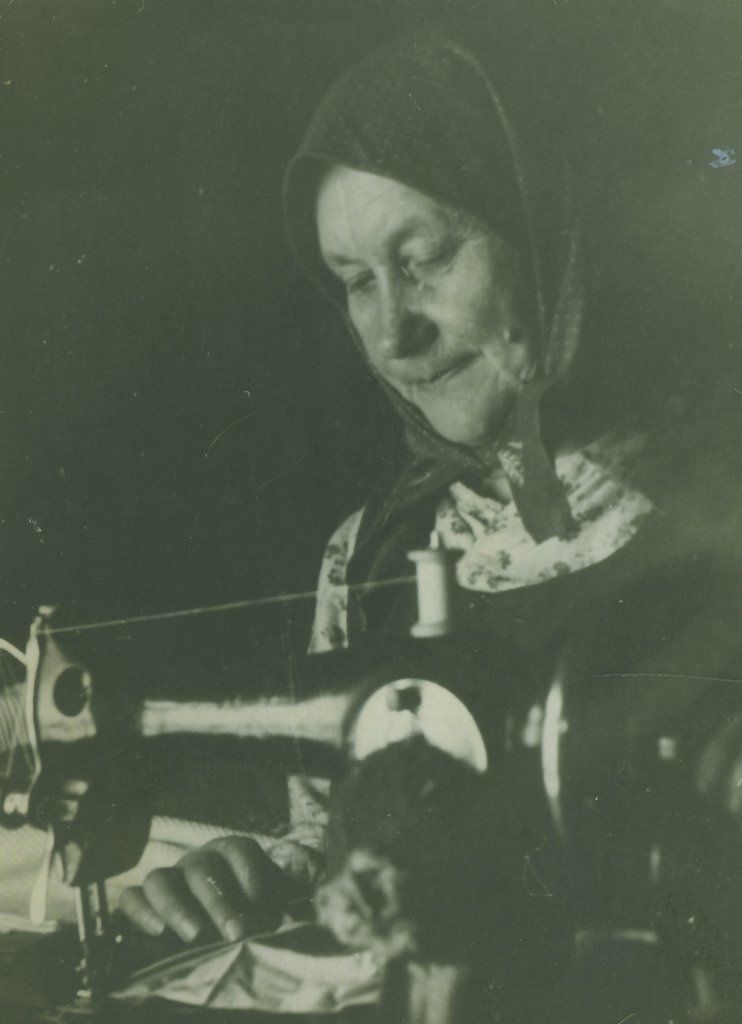
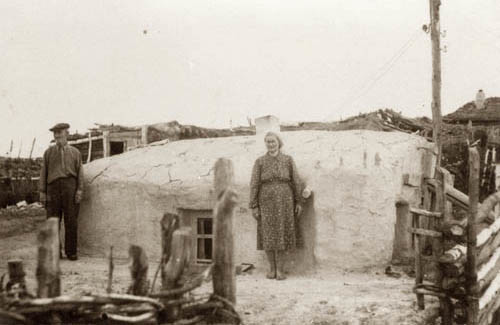
The Vabamu Museum of Occupations and Freedom in Tallinn holds some memories and pictures of Estonians who were deported to Siberia by the Soviet Union. Estonian World brings you some of those preserved images of life in Siberia.*
In the summer of 1940, the Soviet Union occupied Estonia, Latvia and Lithuania as a result of the infamous Molotov-Ribbentrop Pact, signed between Nazi Germany and the Soviet Union on 23 August 1939. In the aftermath of World War II, Estonia lost approximately 17.5% of its population.
The Soviet occupation brought about an event that until then had only been read about in history books and which became the most horrible memory of the past centuries – mass deportations that affected people of all nationalities living in Estonia. The two deportations that affected Estonia the most deeply, on 14 June 1941 and 25 March 1949, are annually observed as days of mourning.
The first deportation raid was begun on the night of 13 June and early morning of 14 June in 1941. Families who had gone to bed on Friday night with no inkling of anything bad about to happen, were woken up in the early morning hours by pounding on their doors. A decree declaring them to be under arrest or subject to deportation from their homeland without any due process was read aloud to them. All their property was declared to be subject to seizure. They were given an hour to pack.
A few hours after the start of the deportation the first trucks began to arrive at railroad cars waiting on sidings. Altogether 490 cattle cars had been set aside for that purpose. The search for people subjected to arrest or deportation continued until the morning of 16 June. Those carrying out the deportations behaved with extraordinary cruelty: even pregnant women and seriously ill elderly people were packed into overcrowded stock cars.
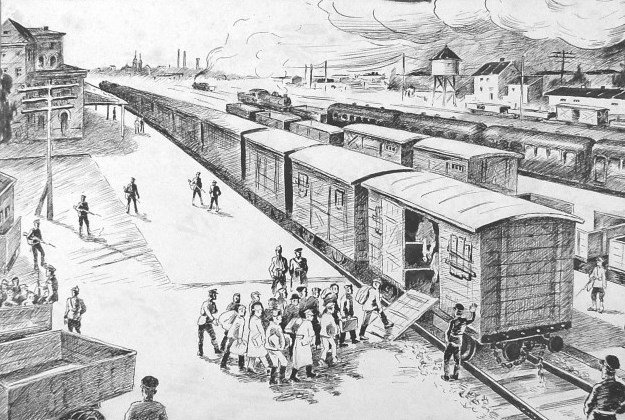
According to the order, issued on 13 June from Moscow, over 10,000 people were deported from Estonia during 14-17 June 1941. Over 7,000 women, children and elderly people were among the deported. The extent of the genocide is indicated by the fact that more than 25% of all the people deported in June 1941 were minors (under 16 years of age). The deportations also severely affected Estonia’s Jewish population – more than 400 Estonian Jews, approximately 10% of their population, were among the deportees.
As the first trains loaded with deportees arrived at their destinations, the next wave of deportation was being prepared in Estonia by Soviet authorities. But the implementation was hampered by Germany’s assault on the Soviet Union. Due to the rapid advancement of the front, a second deportation was carried out only on the island of Saaremaa.
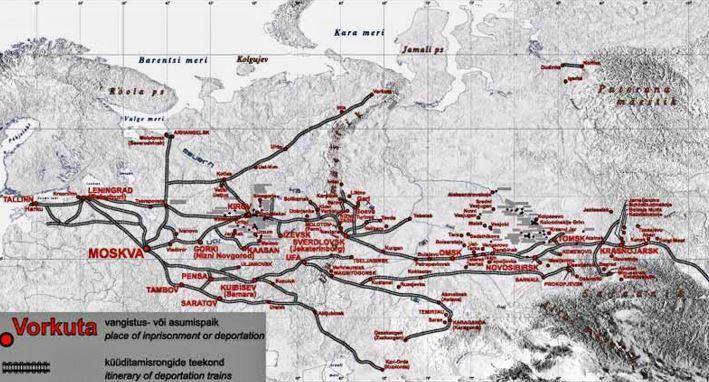
At the end of 1941, investigative commissions started to operate in the Soviet prison camps, carrying out on-site interrogations and passing court decisions, under which hundreds of the detainees were shot to death. By the spring of 1942, of the more than 3,000 men dispatched to prison camps, only a couple of hundred were still alive.
The fate of women and children sent to the remote regions of Kirov and Novosibirsk oblasts was also onerous. Because of cold, starvation and hard work, a great many of the deportees died. Altogether 4,331 people or less than a half of the 1941 deportees ever returned to their homeland. In the course of the deportation of 1941, within one week about 95,000 people from Estonia, Latvia, Lithuania, Poland and Moldova were deported to Russia.
Another massive deportation followed a few years later, on 25 March 1949, when over 20,000 people – nearly 3% of the 1945 Estonian population – were seized in a few days and dispatched to remote areas of Siberia.
The Vabamu Museum of Occupations and Freedom in Tallinn holds some memories and pictures of deported Estonians. Courtesy of the museum, Estonian World brings you some of those preserved images of life in Siberia (click to enlarge).

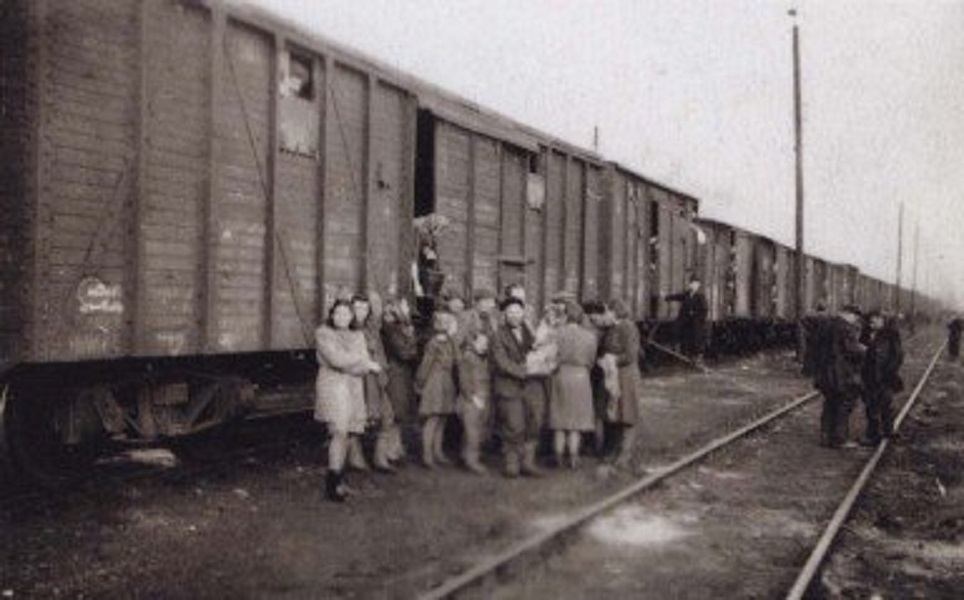
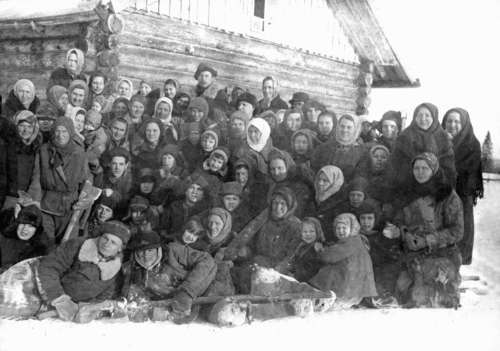
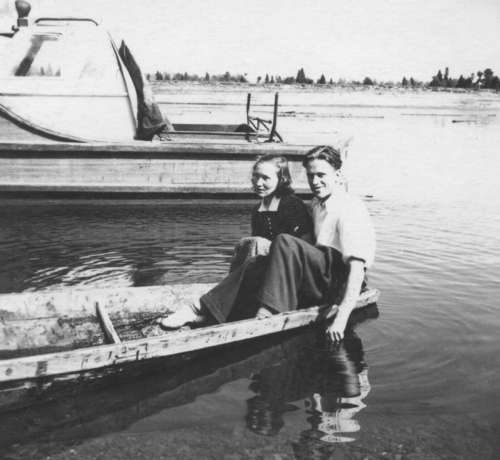
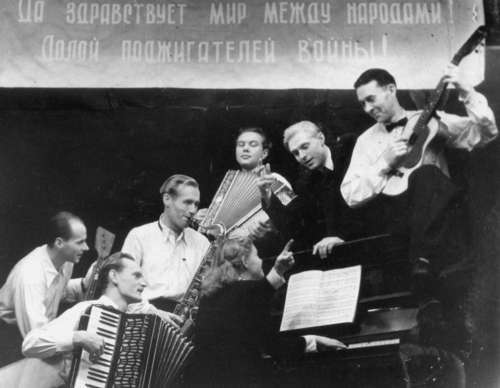


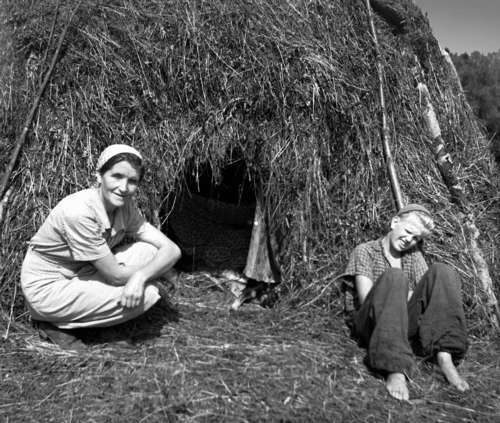
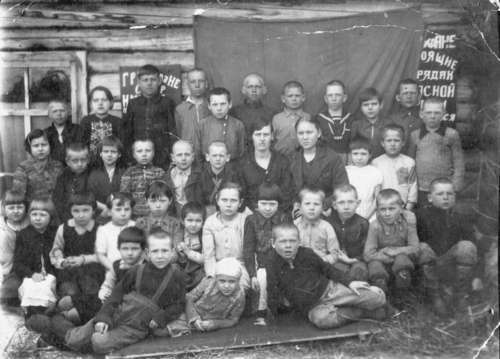
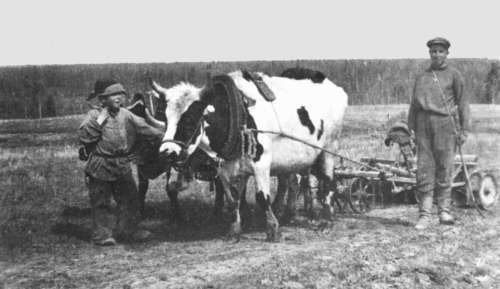
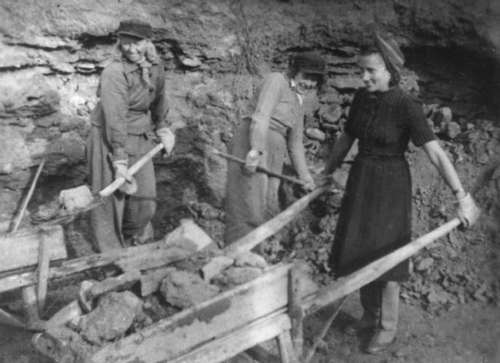
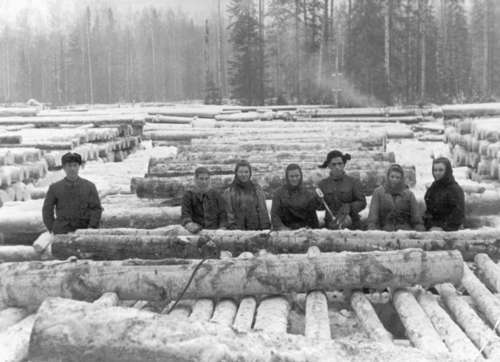






Pictures courtesy of Vabamu Museum of Occupations and Freedom. Read also: Estonia remembers the Soviet deportations and Hope and freedom: remembering Estonia’s occupations. * This article was originally published on 14 June 2016 and lightly edited on 14 June 2021.


My grandparents were both from Estonia. They came to the US in the 1920’s and met in San Francisco where they were married and made their home. I remember (vaguely) my grandmother telling stories of the Russian pogroms. She and her sister came to America. Her brother remained in the Old Country. How I wish I had talked to her and recorded her history.
Hello,
I am English. but live in Estonia and i am interested in Estonian history.
Where were your grandparents from in Estonia?
That first photo in this line up could be the first scene from my book, If I Could Paint the Moon Black. Starts on June 14, 2941.