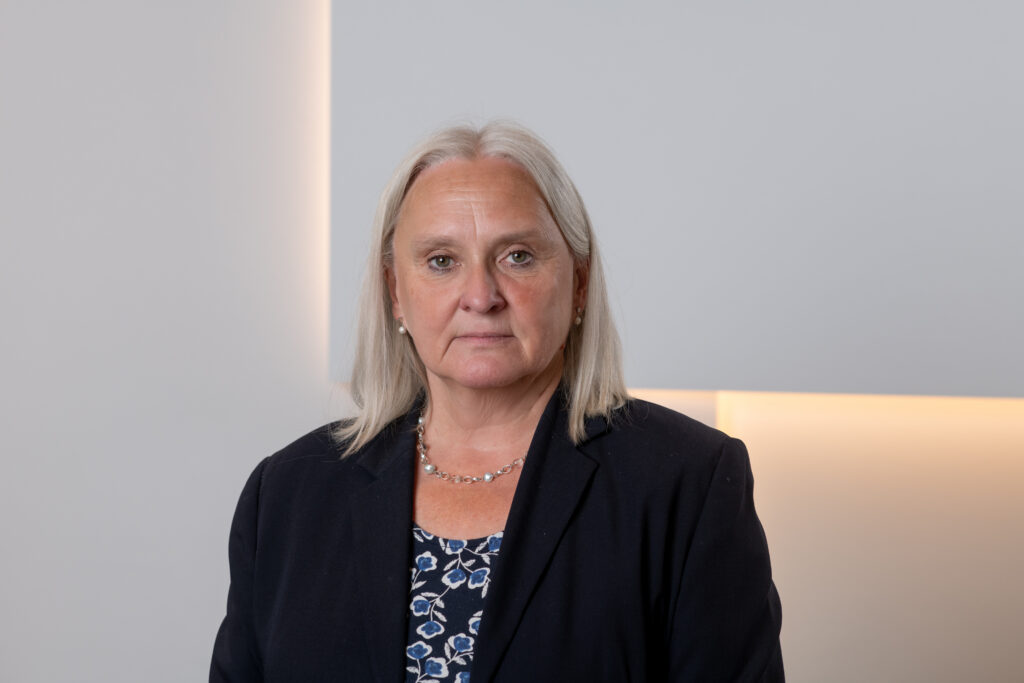
Aino Lepik von Wirén, Estonia’s ambassador to the Council of Europe, will chair the group preparing a special court to prosecute those bearing the greatest responsibility for launching Russia’s war against Ukraine.
Ambassador Aino Lepik von Wirén was elected on Wednesday to chair the Council of Europe’s working group on the Special Tribunal for the Crime of Aggression against Ukraine. The decision was taken in Strasbourg by the permanent representatives of the Council’s member states, acting on behalf of their foreign ministers.
Her appointment gives Estonia a prominent role in one of Europe’s most significant attempts to establish individual criminal responsibility for the decision to wage war.
The working group is responsible for preparing the launch of the tribunal, which is being created within the institutional framework of the Council of Europe. Estonia has been among its most consistent members and one of the strongest advocates of establishing the court.
“We must use every international mechanism available to hold the aggressor accountable for its crimes,” Lepik von Wirén said.
She said efforts to make the tribunal operational must continue, adding that its purpose was to bring those responsible for the crime of aggression before a court.
Closing a gap in international law
The crime of aggression concerns the planning, preparation, initiation or execution of an illegal war by political or military leaders capable of directing a state’s actions.
It is distinct from war crimes, crimes against humanity and genocide, all of which concern conduct during a conflict. Although the International Criminal Court can investigate those crimes in Ukraine, jurisdictional restrictions prevent it from prosecuting the crime of aggression in this case.

The new tribunal is intended to close that gap. Its statute gives it the power to investigate, prosecute and try those bearing the greatest responsibility for Russia’s attack on Ukraine.
Ukraine and the Council of Europe signed the agreement establishing the tribunal on 25 June 2025. The founding documents were prepared by a core group of legal experts from about 40 countries, including Estonia, together with representatives of Ukraine, the European Union and the Council of Europe.
In May, 36 countries and the EU adopted an agreement in Chișinău establishing the tribunal’s management committee, which will oversee its administration and financing.
Estonia has completed the necessary domestic procedures. In February, the country’s parliament approved the agreement establishing the management committee. The Netherlands has offered to host the tribunal, including during its operational phase.
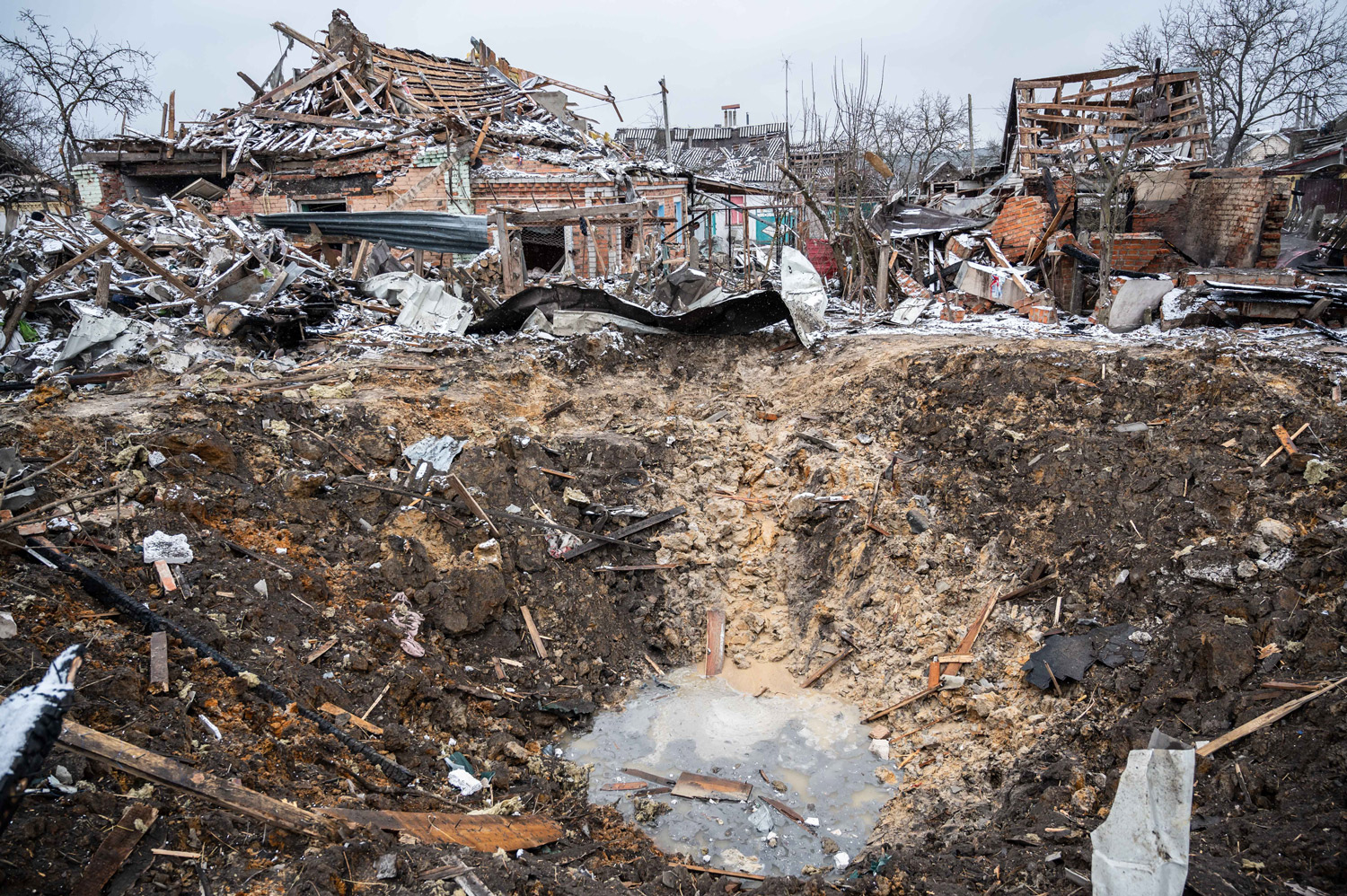
The court has not yet begun work, with participating countries still completing the legal, financial and practical arrangements required for its launch.
Lepik von Wirén succeeds the Dutch diplomat Tanja Gonggrijp, who became Deputy Secretary General of the Council of Europe on 1 September. She thanked Gonggrijp for her work in guiding the tribunal project through its earlier stages.
A career rooted in law
Lepik von Wirén, 64, was born in Stockholm and studied law at Stockholm University and the University of Surrey in England. Before joining Estonia’s diplomatic service, she worked at an administrative court in Örebro and as a prosecutor in Stockholm.
She entered the Estonian foreign ministry in 1994 as head of its human rights division and later became director-general of its legal department. Between 1999 and 2003, she served as Estonia’s state secretary.
Lepik von Wirén has represented Estonia as ambassador to Portugal, Israel, the United Kingdom and Ireland. She has also served as the foreign ministry’s undersecretary for legal and consular affairs and led its European affairs and international organisations departments.
She became Estonia’s permanent representative to the Council of Europe in Strasbourg in 2024.