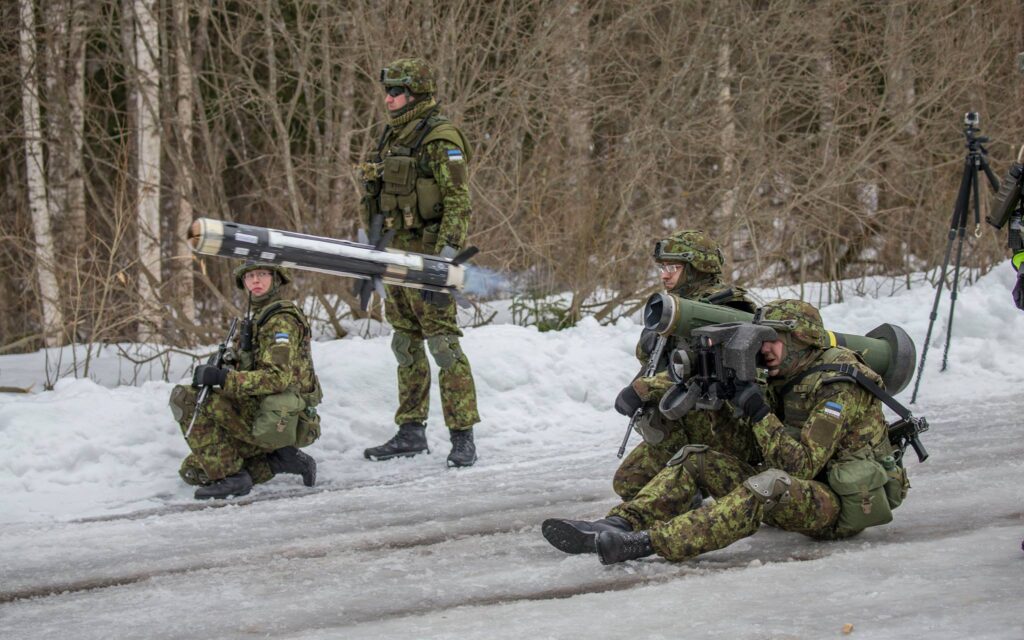
The Estonian defence minister, Hanno Pevkur, says supplies of HIMARS and Javelin ammunition have been put on hold, with Washington unable to say when deliveries might resume.
The United States has paused key ammunition deliveries to Estonia for at least as long as the conflict with Iran continues, in a move that underlines how instability in the Middle East is beginning to ripple across Europe’s defence planning.
Estonia’s defence minister, Hanno Pevkur, said he received confirmation of the halt during a phone call on Monday with the US secretary of defence, Pete Hegseth. According to Pevkur, the affected deliveries include ammunition for the HIMARS multiple launch rocket system and Javelin anti-tank weapons – both central to Estonia’s military preparedness and broader Nato deterrence posture on the alliance’s eastern flank.

The call, which Pevkur described as open, practical and constructive, came after Reuters reported last week that US weapons deliveries to a number of European countries were being delayed because of the war involving Iran. Anonymous sources told the agency that the disruption also affected the Baltic region and Scandinavia.
Pevkur said the American position, while unwelcome, was not difficult to understand.
“Their main argument was clear,” he said after the call. “They do have the stockpiles, but because no one knows how long the conflict with Iran may last, they need to be prepared for different scenarios.”
The HIMARS deliveries affected
For Estonia, the pause carries more than symbolic weight. The country has invested heavily in strengthening its defences since Russia’s full-scale invasion of Ukraine in 2022, and US-made systems such as HIMARS have become a crucial part of its effort to build credible long-range strike and deterrence capabilities.

Still, Pevkur sought to calm fears of any immediate security shortfall. Estonia, he said, already has sufficient anti-tank capability in place, including systems acquired from other manufacturers. He singled out the Israeli-made Spike system alongside Javelin as part of Estonia’s existing arsenal.
For now, he suggested, the greater concern lies with timing rather than absolute vulnerability.
Directly, the suspension does not have a major immediate impact, he said, because Estonia has alternatives and existing arrangements with allies. But he also made clear that a prolonged delay would force Tallinn to revisit earlier defence decisions.
The extent of the affected deliveries has not been publicly disclosed, in keeping with Estonia’s long-standing policy of not revealing detailed ammunition figures. Pevkur said, however, that the value of the delayed shipments runs into tens of millions of euros this year, not hundreds of millions.
Delivery schedules vary – some consignments had been expected this year, others next year – under long-term contracts already in place.
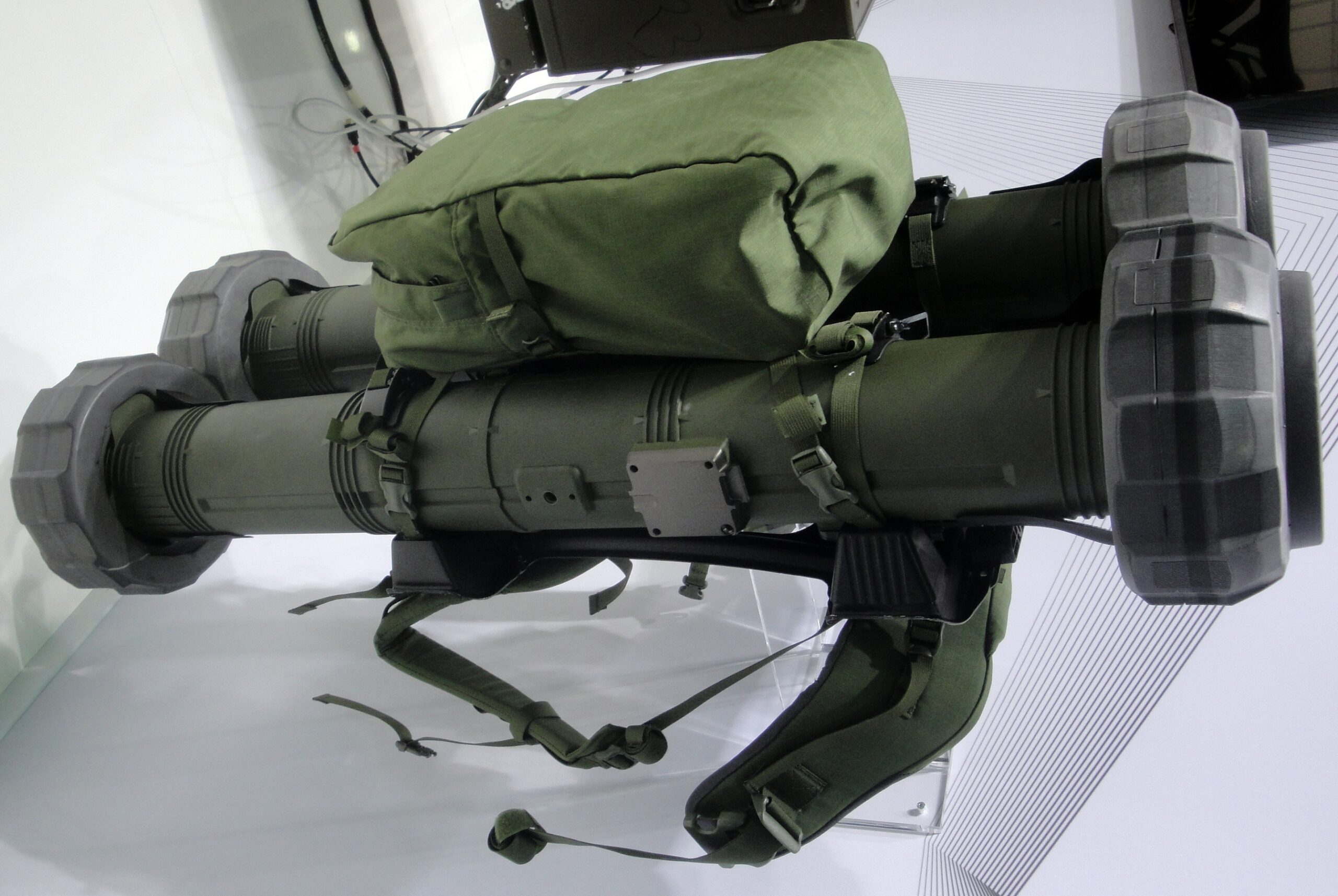
What remains unclear is how long the interruption will last. Pevkur said the Americans themselves were unable to offer a concrete timetable. The current understanding, he told Estonian Public Broadcasting, is that the pause will remain in place until the Iran conflict ends. Yet even that, he conceded, rests on an unknowable horizon.
“There is no point in speculating too much,” he said. “It will certainly last longer than weeks – more likely months.”
Tallinn looks for alternatives
That uncertainty is now pushing Estonia to explore contingency options. Pevkur said Tallinn is keeping “all doors open”, not only in terms of ammunition procurement but more broadly in relation to defence capability. If US deliveries remain frozen for all allies, he said, Estonia and its partners will need to consider how the capabilities envisaged in regional defence plans can be offset by other means.
The conversation with Hegseth also touched on wider European support for the United States, though Pevkur declined to go into detail. He said only that Estonia and the US had agreed to continue bilateral discussions and that any specific proposals would be worked through at military level.

That leaves open a politically sensitive question: whether Estonia might in some way assist Washington in relation to the wider Middle East crisis. Pevkur was careful not to overstate matters. Nothing concrete had been decided, he said, including on whether Estonia could contribute to efforts linked to the Strait of Hormuz. Any such discussion would first have to take place between military officials and, if necessary, later be considered by the government or parliament.
For now, Tallinn’s public line is one of watchful pragmatism: no panic, no dramatic revision of plans – yet. But the episode is a reminder of the strategic reality facing small frontline states. Even as Europe braces for a long era of confrontation with Russia, its security architecture remains vulnerable to shocks originating far beyond the continent.