
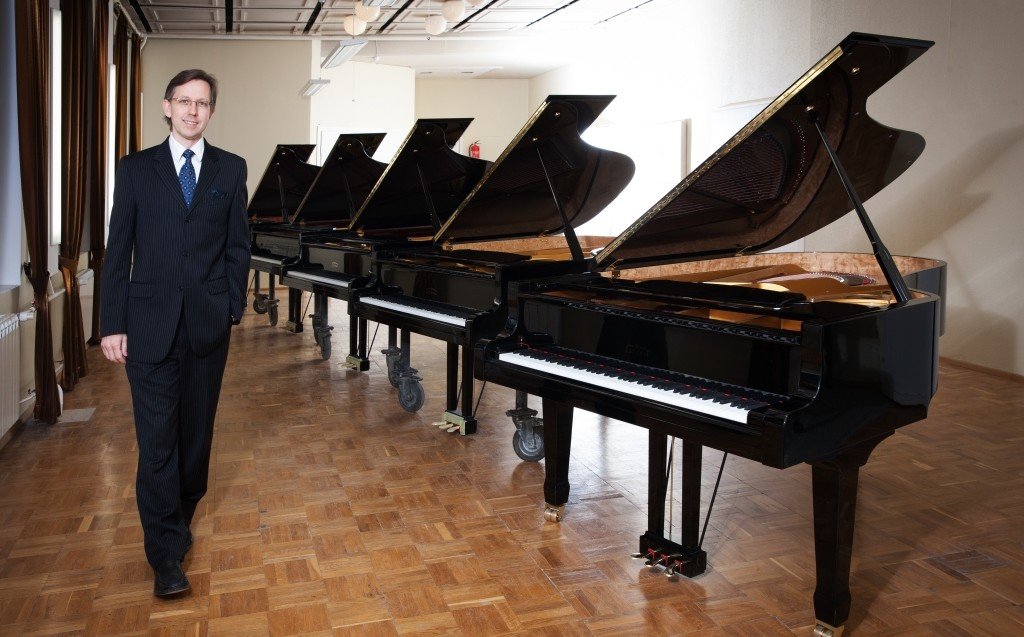
Over two decades, pianist Indrek Laul has transformed the Estonia piano company, named after his homeland, into an internationally respected brand.
In 1994, the then 26-year-old Estonian pianist Indrek Laul had an ambitious idea. He had recently completed a master’s degree and was pursuing a doctorate at the prestigious Juilliard School in New York. In search of a new challenge, he decided to do what few of his compatriots would have contemplated at the time: develop a new piano model and introduce North American buyers to instruments made in Estonia and bearing the country’s name. Twenty years later, Estonia has become a familiar brand among piano enthusiasts in the United States and Canada, with demand exceeding what the factory can produce without compromising its exacting standards.
The histories of Estonia, the piano maker that bears its name and the family of the man who rescued it have often unfolded in parallel. Music is the thread that binds them together.
From playing Estonia pianos to selling them worldwide
Indrek Laul was born into a well-known Estonian musical family. His mother, Reet, is a concert pianist, while his father, Venno, was a conductor and the founder of the Estonian Boys’ Choir. When Laul was six, his parents bought the family’s first Estonia piano, inspiring him to learn the instrument. Even at that age, it made a powerful impression on him. “The awe and magnificence of the beautiful musical instrument in our home mesmerised me,” Laul recalled.
The first piece he learnt to play, when tennis was not competing for his attention, was Chopin’s Étude No 1. By the age of 13, he had won first prize and a special award for his performance of Rachmaninov at an international competition for young pianists. He later studied at Tallinn Conservatoire under the pianist Kalle Randalu.
At the turn of the 1990s, while Estonia remained under Soviet occupation, his life began to acquire an international dimension. During masterclasses in Ohrid, Yugoslavia, he met the Estonian piano professor Arbo Valdma. Determined to study with him, Laul enrolled at the Belgrade Academy of Music, where he soon mastered Serbian while continuing to develop as a pianist.
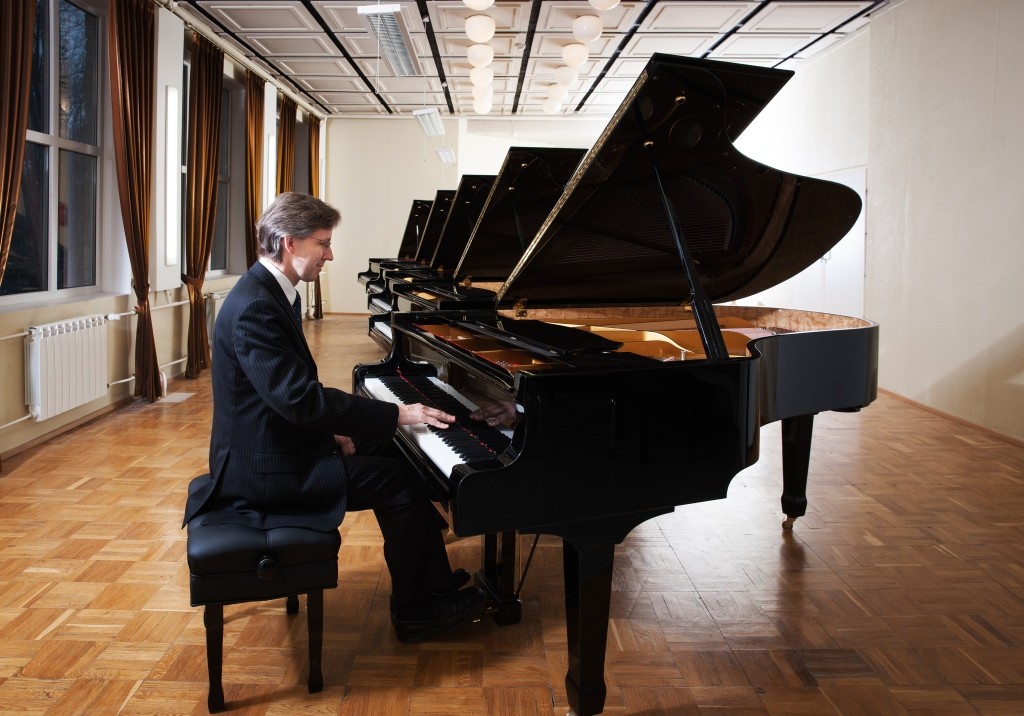
Valdma encouraged Laul to continue his studies in New York. “He told me that I was the kind of guy who would make it in the US – and I absolutely had to go there,” Laul recalled. Despite Soviet-era restrictions and considerable financial obstacles, his persistence paid off when he was accepted by the world-renowned Juilliard School. Just over a decade later, he was named among its 100 most distinguished alumni during the school’s centenary celebrations.
After initially working as a teaching assistant, he received the prestigious Horowitz Scholarship. Laul studied under the pianist Peter Serkin and embraced life in New York while remaining active in the city’s Estonian community. Once a month, he played the organ for the community, another instrument he loved.
“Sometimes, we can do more for our country while living abroad.”
While completing his doctorate in New York, Laul learnt that the Estonia Piano Factory was struggling. Confident that he could make his mark in America and eager to do something for his homeland, he saw an opportunity: to introduce the Estonia pianos he loved to the vast US market.
“Sometimes we can do more for our country while living abroad,” Laul said in his characteristically measured and thoughtful manner, reflecting on the moment he found a new calling as a pianist-turned-piano-maker. “Looking back, I was certainly driven by a desire to do something for Estonia. Selling the kind of piano I had learnt to play on as a child also carried great emotional meaning for me.”
Even Stalin liked Estonia pianos
Piano making in Estonia predates the country’s independence. The craft dates back to the late 18th century and flourished in the decades that followed. By the early 20th century, nearly 20 independent piano makers were operating in a country of fewer than one million people. Among its leading figures was Ernst Hiis, an Estonian master craftsman trained at Steinway in Hamburg. A piano he built by hand in 1893 became the prototype for the Estonia piano.
After the Second World War, private piano makers disappeared in Soviet-occupied Estonia. In an ironic turn, the Soviet dictator Joseph Stalin closed the smaller factories but allowed production of Hiis-designed pianos to continue. For Stalin’s 70th birthday, each Soviet republic was required to present him with a gift, and Estonia chose a grand piano handmade by Hiis. According to company lore, Stalin was so impressed by its sound that he ordered the Estonia factory to become the sole producer of concert grand pianos in the Soviet Union.
The Soviet-era Estonia piano enjoyed a vast captive market across the Soviet Union. However, after Ernst Hiis, the master craftsman behind the instrument, died, much of his expertise was lost. As the Soviet empire itself began to decay, the quality of the pianos gradually declined.
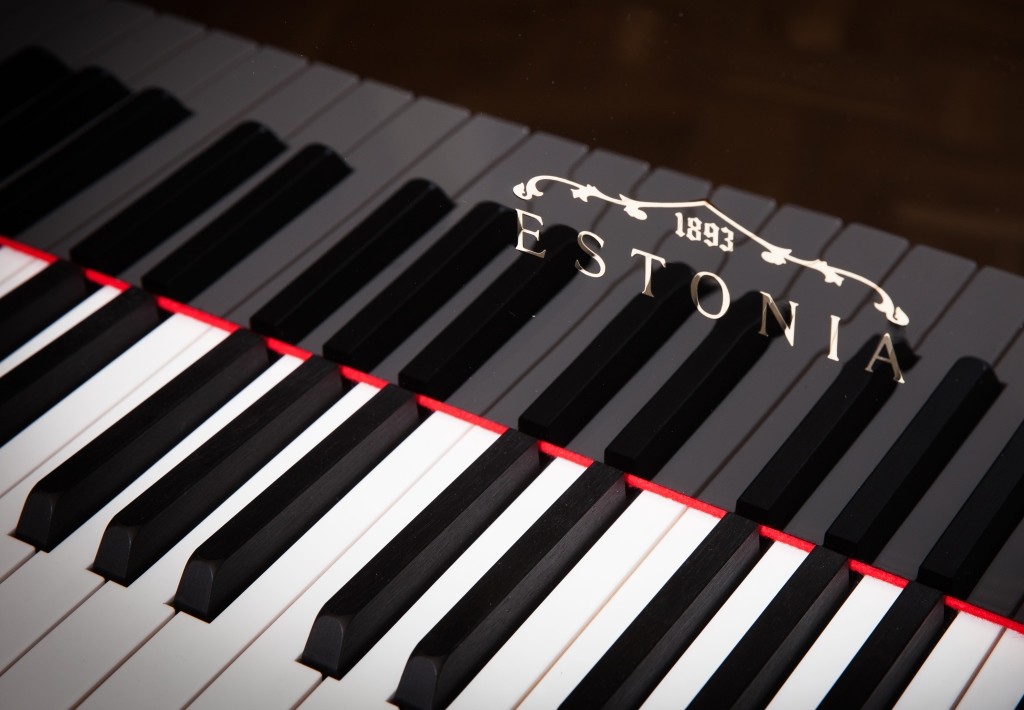
“By 1994, annual production had fallen to 50 pianos, down from a Soviet-era peak of nearly 500, while quality had also deteriorated,” Laul recalled. He approached the company with an offer to market its pianos in the United States. He soon began investing in the factory and gradually became its owner.
Failure was not an option for Laul, who dismissed the suggestion that he had been daunted by the prospect of selling a little-known brand in a vast market. “From the outset, I set an ambitious goal. I knew I wanted to make the Estonia piano great, but I did not want to cut corners. The emphasis was always on quality rather than quantity. I knew it would be a long process, so we introduced changes gradually to avoid disrupting production,” he said, reflecting on the early years of the company’s revival.
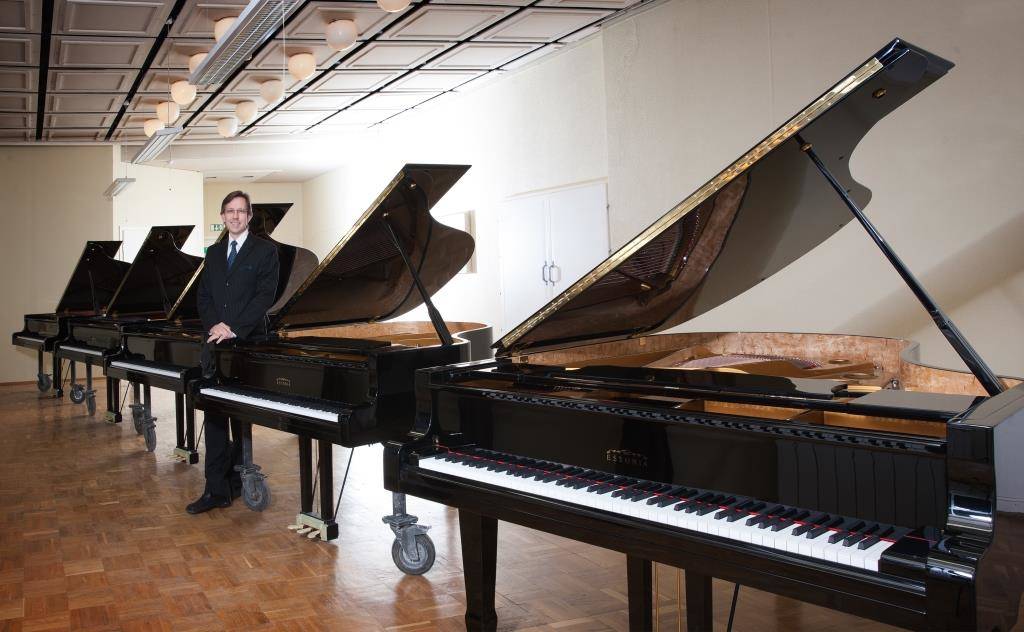
Laul speaks of Estonia pianos with almost parental affection, describing in detail how the company improved them step by step.
He began by attending piano trade fairs in the United States and seeking advice from local dealers. He then brought in some of Europe’s leading piano specialists and worked with the Estonian Academy of Sciences to redesign the instruments. Only the finest materials were used. The piano action is made by Germany’s Renner, one of the world’s leading manufacturers of hammers, shanks and flanges, while the soundboard is crafted from Swiss spruce.
In a technologically advanced country, computers inevitably played a part. Working with the Estonian Institute of Cybernetics, the factory used computer modelling to analyse the cast-iron plate, producing a design that improved the piano’s stability and balance. Over the years, the Estonia piano has undergone hundreds of refinements.
Laul enlisted his parents too: his mother tested every piano before it was shipped to the United States, his father managed the factory in Tallinn, and Laul sought customers in America.
“Sometimes, to move forward and improve, you must look back.”
Despite the valuable advice he received from abroad, Laul emphasises Estonia’s long tradition of handcrafting grand pianos. Listening to him describe the process with such affection and precision, one could almost imagine every touch of the craftsman’s hand living on in the instrument’s mellow sound.
“I am deeply grateful to our craftsmen, who take immense care in making Estonia pianos. For many of them, that expertise has been passed down through generations. Sometimes, to move forward and improve, you must look back,” Laul said.
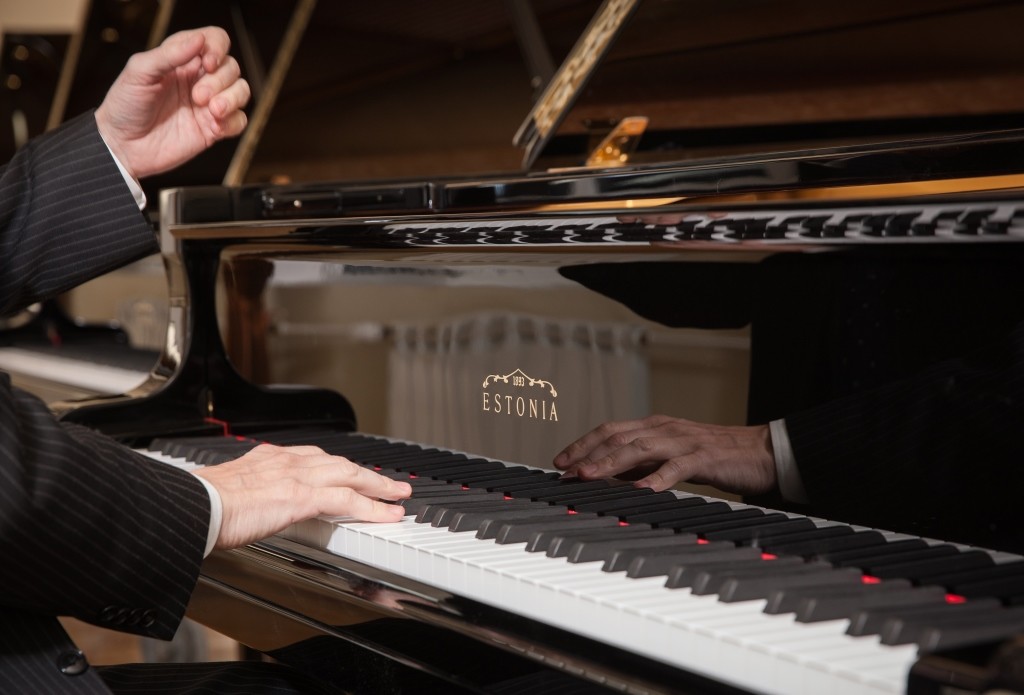
The changes paid off. When Estonia pianos entered the US market in the mid-1990s, they were among its lowest-rated instruments. Twenty years later, they ranked among the highest. Larry Fine, the editor of Piano Buyer, has described their quality as broadly comparable with that of a New York-built Steinway, but at a considerably lower price.
The result was a growing network of dealers across the United States and Canada, regularly demanding more pianos than Laul’s factory could supply.
The Estonia is more than a piano – it is the instrument of a singing nation
Reviews of Estonia pianos frequently praise their “rich, lush, singing sound”. Laul says the connection with Estonia’s choral tradition is central to the company’s philosophy. He also regards the piano’s organic, natural and uncluttered tone as an expression of the Nordic country that produced it. “When I play for our clients, I sometimes ask, ‘Can you hear the Nordic landscape in it? The sound carries the spirit of the country.’” Laul said.
“The Estonia piano shows how a high-value product can succeed, create value for Estonia and represent its culture at the same time.“
Laul values personal contact with Estonia piano owners. Enough instruments have been sold in the United States for their owners to form informal clubs and hold regular gatherings. When Laul attends, he speaks about Estonia’s choral and musical traditions, becoming an unofficial cultural ambassador for the country. “The Estonia piano shows how a high-value product can succeed, create value for Estonia and represent its culture at the same time,” he said.
Returning to his roots
Laul spent 24 years away from Estonia. He settled in New York, where his sons were born and began growing up as Americans. When the boys were five and seven, Laul and his wife decided to return to his ancestral homeland. “One day, we realised it was time to move back to Estonia and let our children grow up in an Estonian-speaking environment,” Laul said. “But it was about more than language. I value the time they can spend with their grandparents, who pass on traditions and knowledge. It is about preserving the continuity of identity.”
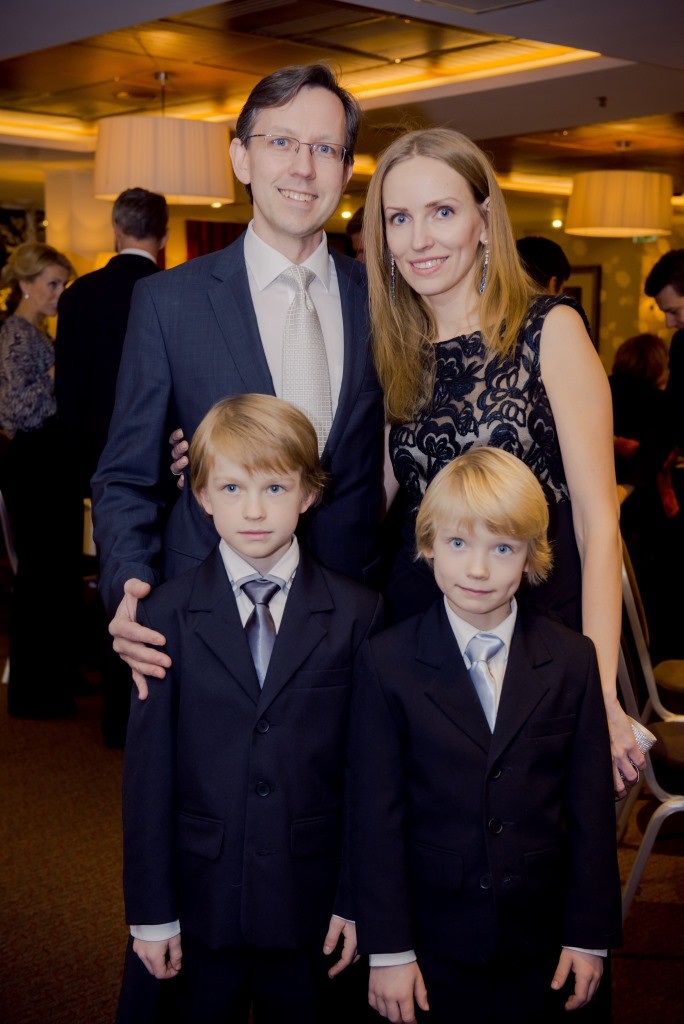
Laul is not the first member of his family to seek his fortune abroad before returning to Estonia. One of his ancestors, Jüri Laul, travelled to the United States in the early 19th century, earned money and returned to build a house on the island of Saaremaa. He named his sons Jakob and Bruno, the same names Indrek Laul later chose for his own sons.
The family’s musical tradition continues: his wife runs a piano studio in Tallinn, and both sons study the piano.
Laul divides his time between Estonia and the United States. Although he has made Estonia his home again, he believes the decision to return to one’s country of birth is deeply personal.
“The Estonia piano is now one of the best-known Estonian brands in the United States. Could that have happened if I had not lived there? Probably not. Estonians abroad can ask themselves what they can do for their homeland while living elsewhere. Some people can simply do more for Estonia from abroad,” Laul said. “Although I have moved back to Estonia, my connection to the United States has not disappeared.”
“Estonians abroad can ask themselves what they can do for their homeland while living elsewhere. Some people can simply do more for Estonia from abroad.“
Even as Laul works to sell Estonia pianos around the world, with China his next target and an initial foothold already established, he remains devoted to the musical culture his instruments represent.
He first took part in the Estonian Song Festival as a small boy, when his father was one of its conductors, and the memories remain vivid. The Laul family’s participation in this year’s Song Celebration therefore felt entirely natural, another expression of continuity. At home, meanwhile, a new Estonia Model 225 waits to be played.


What a wonderful story. Estonia should be proud to have such man and product.The world has taken note…