
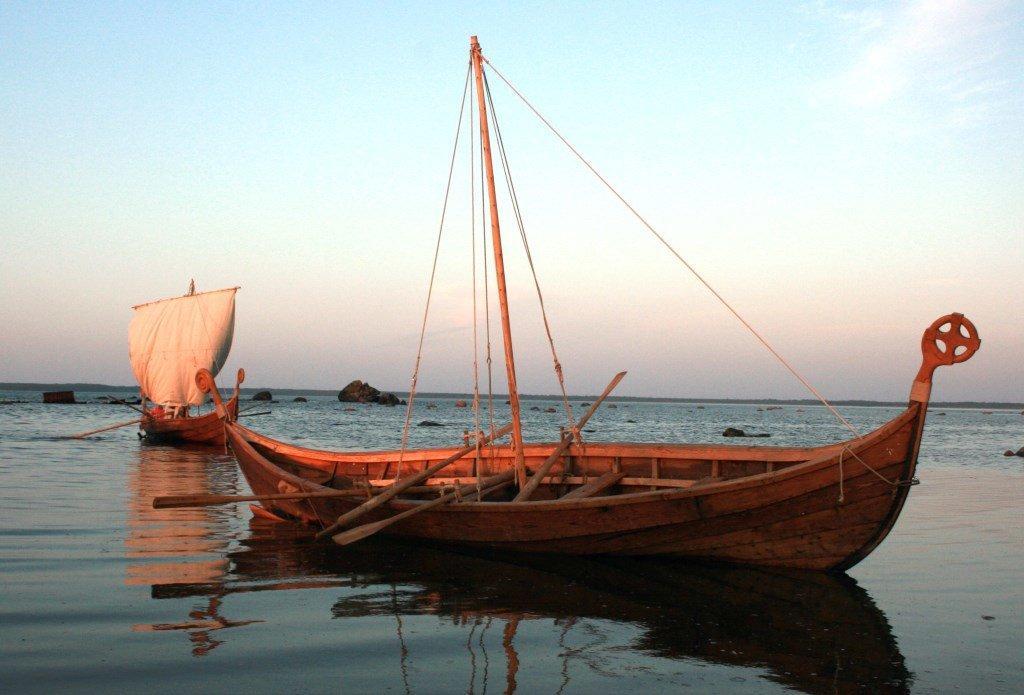
The Association of Estonians in Sweden is celebrating its 60th anniversary, but the peoples from the two countries have been in contact for over a thousand years.
Estonia and Sweden share a long history. Historical records suggest that the first encounters between the two neighbours began in the early Middle Ages, between around 500 and 1000 AD, and were largely peaceful.
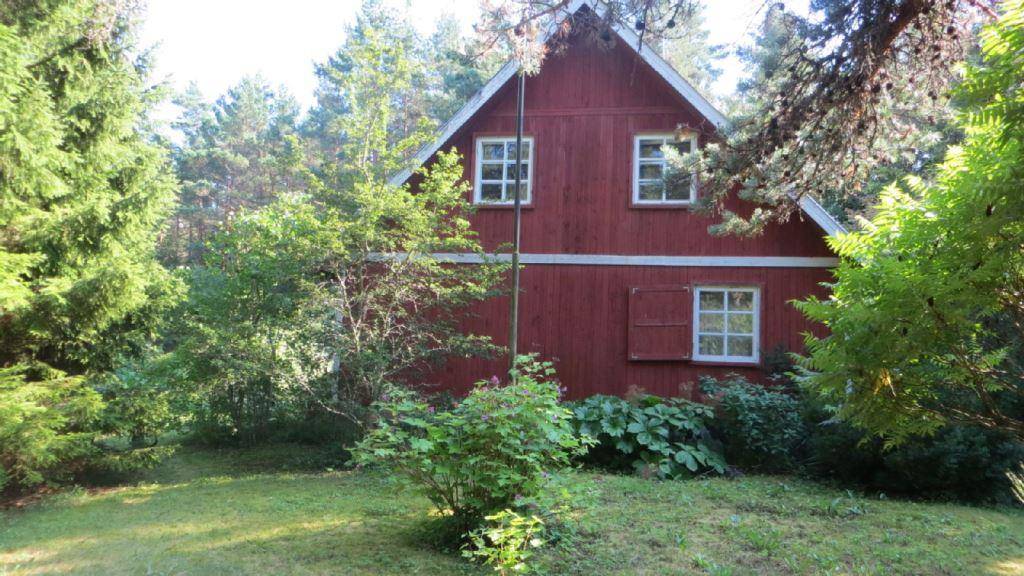
Swedish-speaking communities settled in Estonia – later known as coastal Swedes, or rannarootslased in Estonian – probably migrating south from Finland. They lived on Estonia’s islands and western coast, fishing, farming and trading across the Baltic Sea.
Around the turn of the millennium, however, relations became more turbulent. In 1030, a Swedish Viking chieftain named Freygeirr may have been killed in battle on Saaremaa.
In the 12th century, chroniclers described raids by Estonians and Oeselians – Vikings from Saaremaa – along the Swedish coast. One of the most notorious attacks by Oeselian pirates took place in 1187, when they raided the Swedish town of Sigtuna. Among those killed was the Swedish archbishop, Johannes.
Swedish rule
The Swedes, in turn, demonstrated their strength centuries later. During the Livonian War, which began in 1558, the northern parts of modern-day Estonia came under Swedish control. More than 70 years later, Swedish forces also conquered the Polish-controlled south and, by 1645, the whole of Estonia was under Swedish rule.
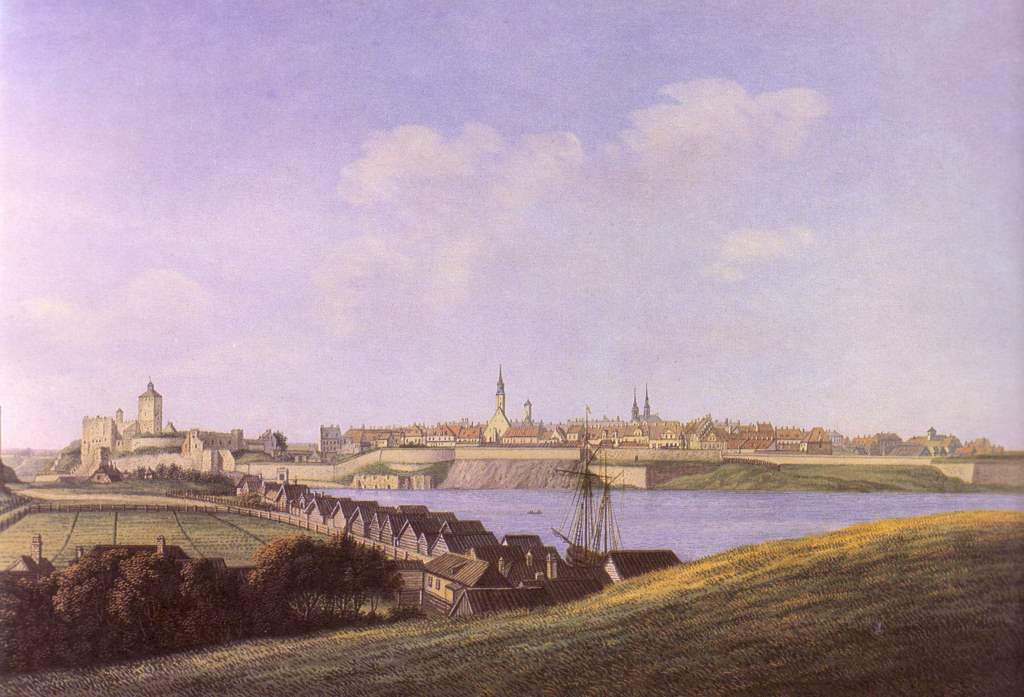
In Estonia, the period of Swedish rule is sometimes remembered as the “good old Swedish times” (vana hea Rootsi aeg). Historians disagree, however, over whether the Estonian-speaking population used the expression at the time, or whether they genuinely saw Swedish rule as significantly better than that of earlier foreign powers.
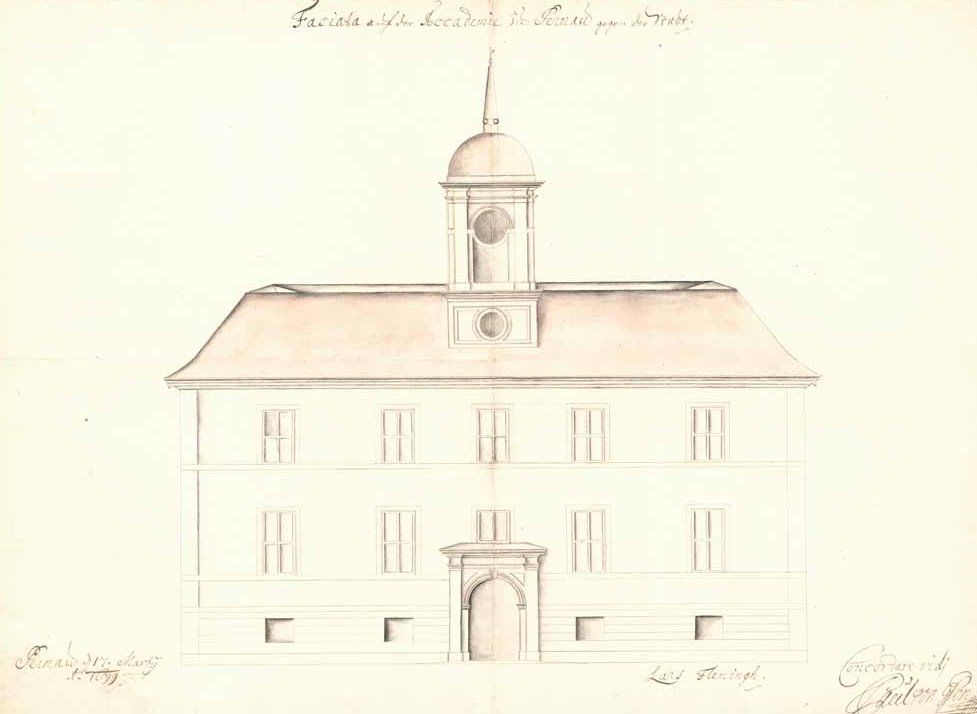
Swedish authorities did introduce several reforms aimed at reducing the influence of the local German-speaking aristocracy and improving the position of the Estonian-speaking peasantry. They also founded the University of Tartu and the Gustav Adolf Grammar School, and established a court of appeal in Tartu.
There is therefore some evidence to suggest that the native population associated Swedish rule with the rule of law. In later, harsher times, members of the lower classes were recorded as expressing a wish for the return of Swedish rule.
Swedish rule effectively ended in 1710, when all the Swedish Baltic provinces capitulated to Russian troops in the final stages of the Great Northern War. Estonia then came under Russian rule, where it remained until 1918.
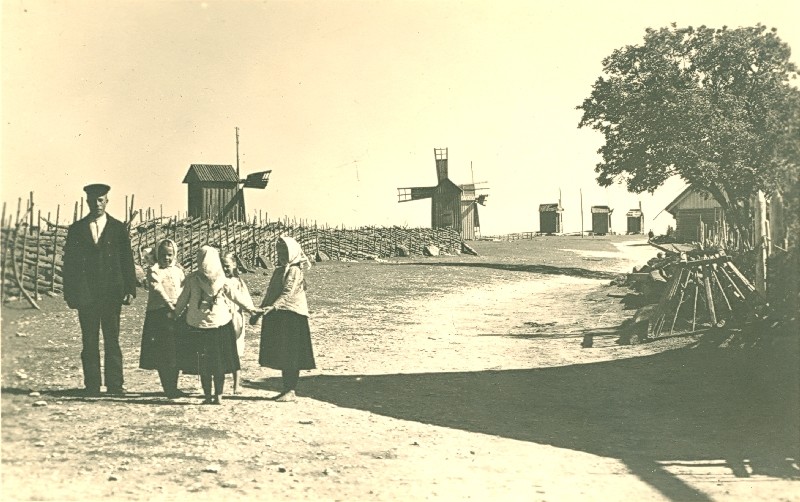
Despite the harsher conditions of the tsarist Russian empire, the coastal Swedes remained in Estonia until the end of the Second World War. Today, their heritage is still clearly visible in the wooden architecture and churches of Ruhnu, Vormsi and the Noarootsi peninsula.
Estonian boat refugees
Unlike the coastal Swedes, who had lived in Estonia for centuries, significant Estonian communities in Sweden were not established until the mid-20th century, when history took a darker turn.
Before the Second World War, only a few hundred Estonians lived in Sweden. That changed dramatically in the autumn of 1944, when, fearing the advancing Soviet Red Army, around 70,000 Estonians fled their homeland for Germany and Sweden. Some 30,000 were desperate to board any vessel that could stay afloat, including small wooden fishing boats, and crossed more than 200 nautical miles, or 370 kilometres, to reach the Swedish coast.
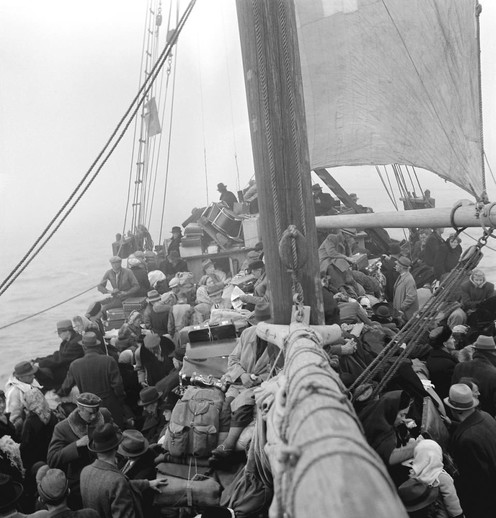
Upon arrival, Estonians were accommodated in refugee camps. Their integration into Swedish society was reportedly faster than in war-ravaged Germany, where many refugees remained in camps until the late 1940s.
However, the Soviet Union’s aggressive repatriation policy created widespread fear that they might be forcibly returned to Soviet-occupied Estonia. As a result, a number of Estonian refugees in Sweden later moved on to the United States, Canada and Australia.
Affluent Swedish Estonians
By the late 1940s, the Estonian population in Sweden had grown in a remarkably short time from a few hundred to about 20,000. During the baby-boom years, the figure rose to around 30,000 by the 1960s. Some of Estonia’s brightest minds settled in Sweden, among them the poets Marie Under and Gustav Suits, the writers August Gailit and Karl Ristikivi, and the architect Olev Siinmaa.
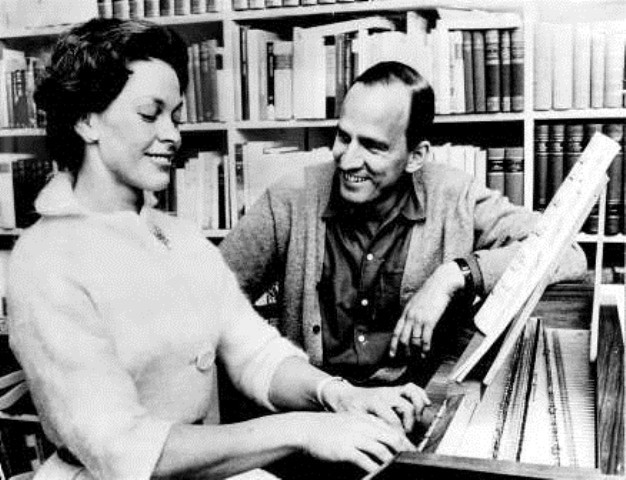
As in other countries where Estonians found refuge after the war, they integrated successfully into Swedish society, though some did so under easier circumstances than others. Perhaps the most famous was Käbi Laretei, who enjoyed a long and distinguished career as a pianist, performing to packed halls not only in Sweden but also in the UK, Germany and the US, including Carnegie Hall in New York. She was briefly married to Sweden’s most famous film director, Ingmar Bergman, and introduced him to a wide range of music, some of which he later used in his film scores.
Ilon Wikland, the Estonian-Swedish artist and illustrator, had a long collaboration with the Swedish children’s writer Astrid Lindgren, providing illustrations for some of her most beloved books. Ilmar Reepalu became mayor of Malmö and, during his almost 20-year tenure, oversaw the transformation of the city from a declining industrial centre into a diverse hub of modern architecture and green technology.
Wherever Estonians settle, organisations soon follow
The Estonian community also worked actively to preserve its national heritage and raise awareness of Estonia through its many associations, societies and unions. Indeed, the quip that “for every two Estonians, there are at least three organisations” is said to have originated in Sweden.
What is certain is that, at its peak, when Estonia was behind the Iron Curtain, there were some 400 to 500 Estonian organisations in Sweden. For many, the overriding goal was the restoration of Estonian independence, and they worked tirelessly to lobby Swedish politicians, the media and the wider public.
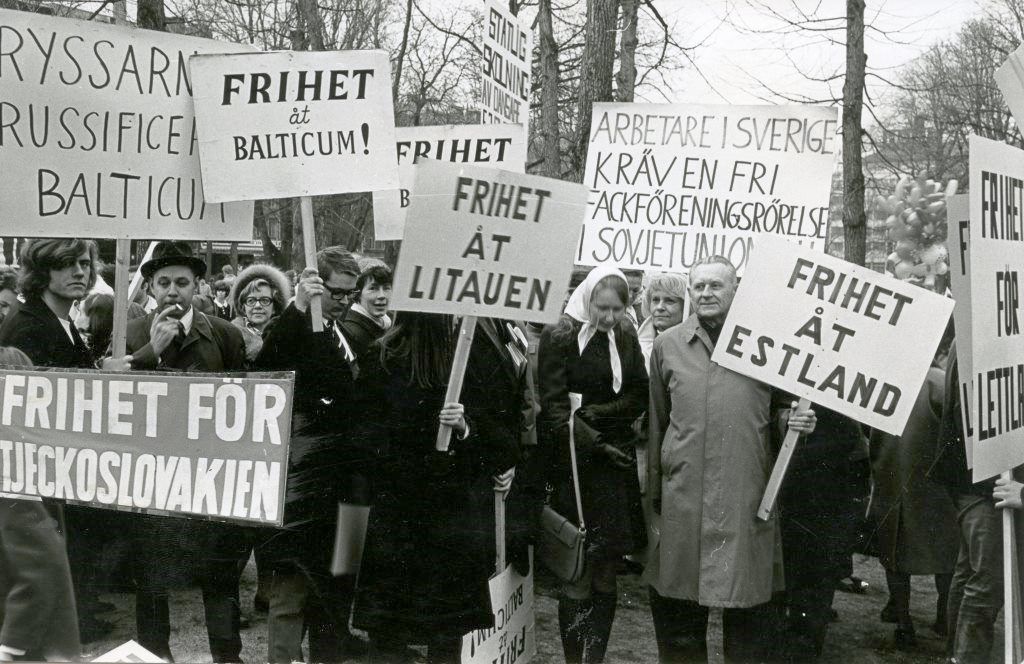
When the Soviet leader Mikhail Gorbachev introduced reforms in the communist empire in the late 1980s and the atmosphere in Estonia became more liberal, long-severed contacts began to intensify.
Swedish Estonians – many of whom had never seen the land of their ancestors, or had only blurred childhood memories of it – travelled to Estonia and found a country still suffering from crippling shortages of basic goods, yet animated by a newly discovered spirit of freedom. By contrast, the lucky Estonians from Estonia who managed to visit Sweden in the late 1980s and early 1990s found themselves in what seemed, at the time, like a different world – an experience rather like being a child in a sweet shop.
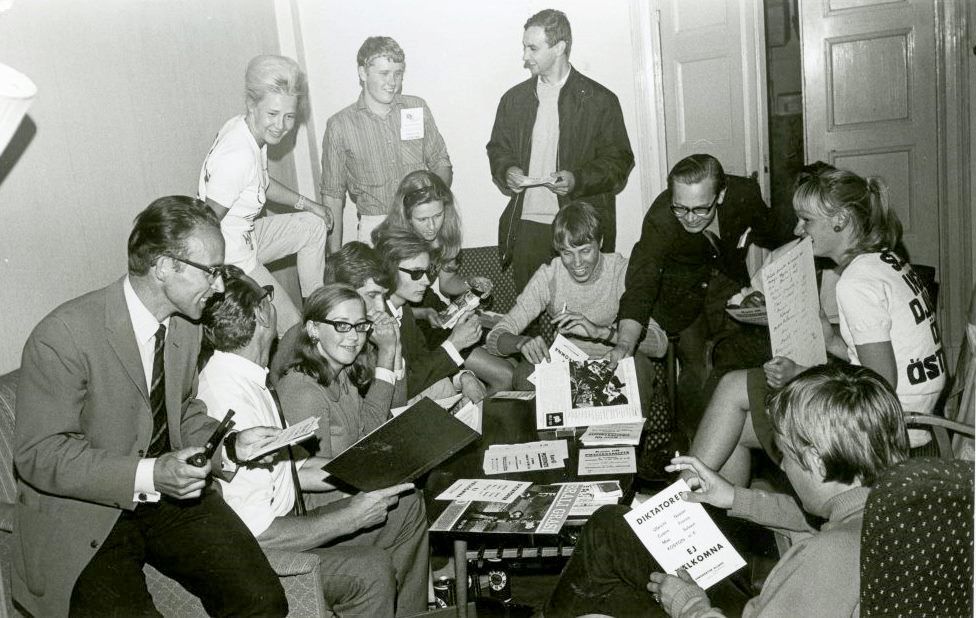
Many Swedish Estonians, as well as Swedes without Estonian roots, were eager to help Estonia during the difficult years before and after it regained independence. Donations ranged from basic goods to vans and computers, while Swedish expertise in building and navigating a free-market economy also proved valuable.
Carl Bildt, Sweden’s prime minister from 1991 to 1994, played a major role in negotiating the withdrawal of reluctant Russian forces from Estonia.
Security is back on the agenda
Today, around 100 Estonian organisations are still active in Sweden. Stockholm has both an Estonian nursery school and an Estonian primary school.
The Estonian-language weekly newspaper Eesti Päevaleht has also survived, and is based at the Stockholm Estonian House, an important centre for preserving and developing Estonian heritage in Sweden. Estimates vary, but around 25,000 people who could be considered Estonian currently live in Sweden, most of them in large cities such as Stockholm and Gothenburg.
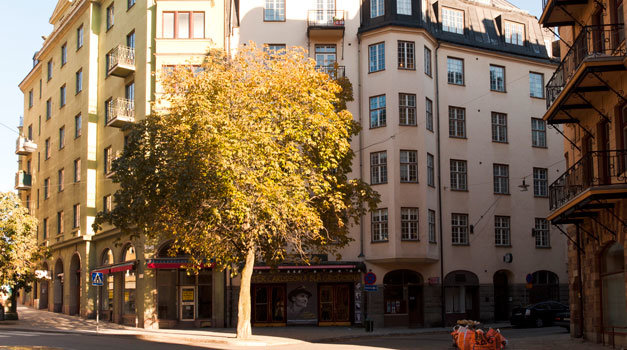
Ironically, 26 years after the collapse of the Soviet Union, the security of Estonia and the wider Baltic region is once again a matter of concern. The Association of Estonians in Sweden, which has just turned 60, marked its anniversary with an international conference titled “Security in the Baltic Sea Region: A Historical Overview and Future Challenges”.
Guests attended from across the Baltic region, as well as from Australia, the US, Canada, Germany, the UK, Ukraine and elsewhere. No doubt everyone present hoped there would be no Iron Curtain, volume two, to separate Estonia and Sweden once again.


“Good old Swedish times” was illusion. Swedes gathered enough courage to expropriate some of German properties, no benefit whatsoever for the local population.