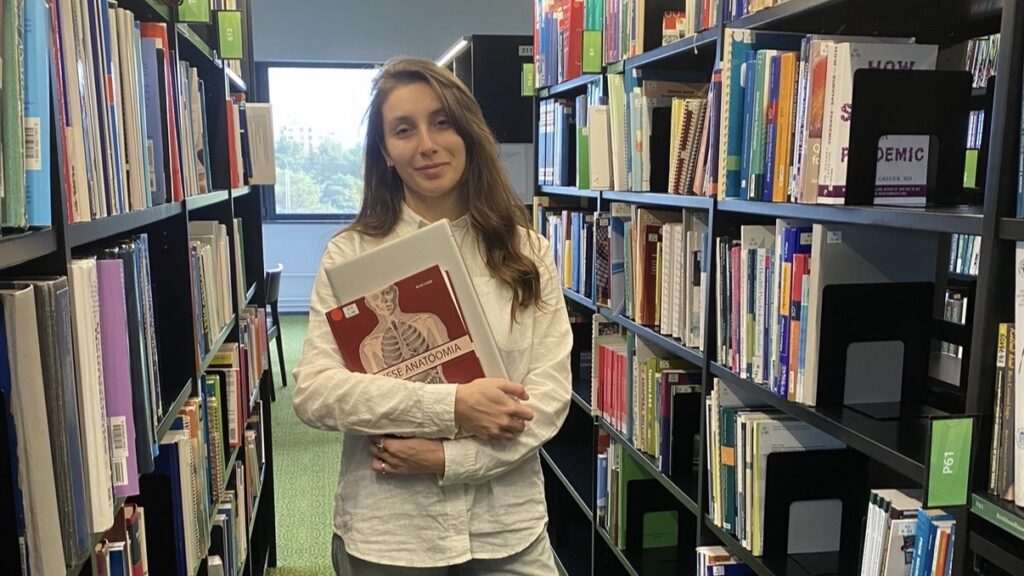
Estonia is often described as a digital nation, a start-up success story or one of Europe’s most innovative small countries; yet behind these headlines lies something more personal: a place that continues to draw people back home – and invite others to build a future here.
This article was published in collaboration with Tallinn University of Technology.
At Tallinn University of Technology, or TalTech, these journeys come together every day. Some students arrive with family roots in Estonia after growing up abroad. Others come in search of new opportunities, a different pace of life or a stronger sense of purpose. What connects them is the discovery that Estonia may be small, but the possibilities here are remarkably large.
For many members of the Estonian diaspora, returning is not simply about geography. It is about reconnecting identity, ambition and belonging.
A place where ideas move faster
That was true for Jasper Adamson, whose academic path led from the University of Cambridge to Oxford and later into research collaboration with scientists connected to Nobel Prize-winning mRNA research in the United States. After working at some of the world’s leading universities and laboratories, he chose to continue building his career in Estonia. “I saw opportunities here. And they were no smaller than anywhere else in the world,” he reflects.
Today, at TalTech’s Virumaa College in Ida-Viru County, Adamson is helping to shape Estonia’s future in sustainable chemical technologies and nuclear energy education. For him, returning to Estonia was not a compromise – it was an opportunity to create meaningful impact while remaining deeply connected to international science.
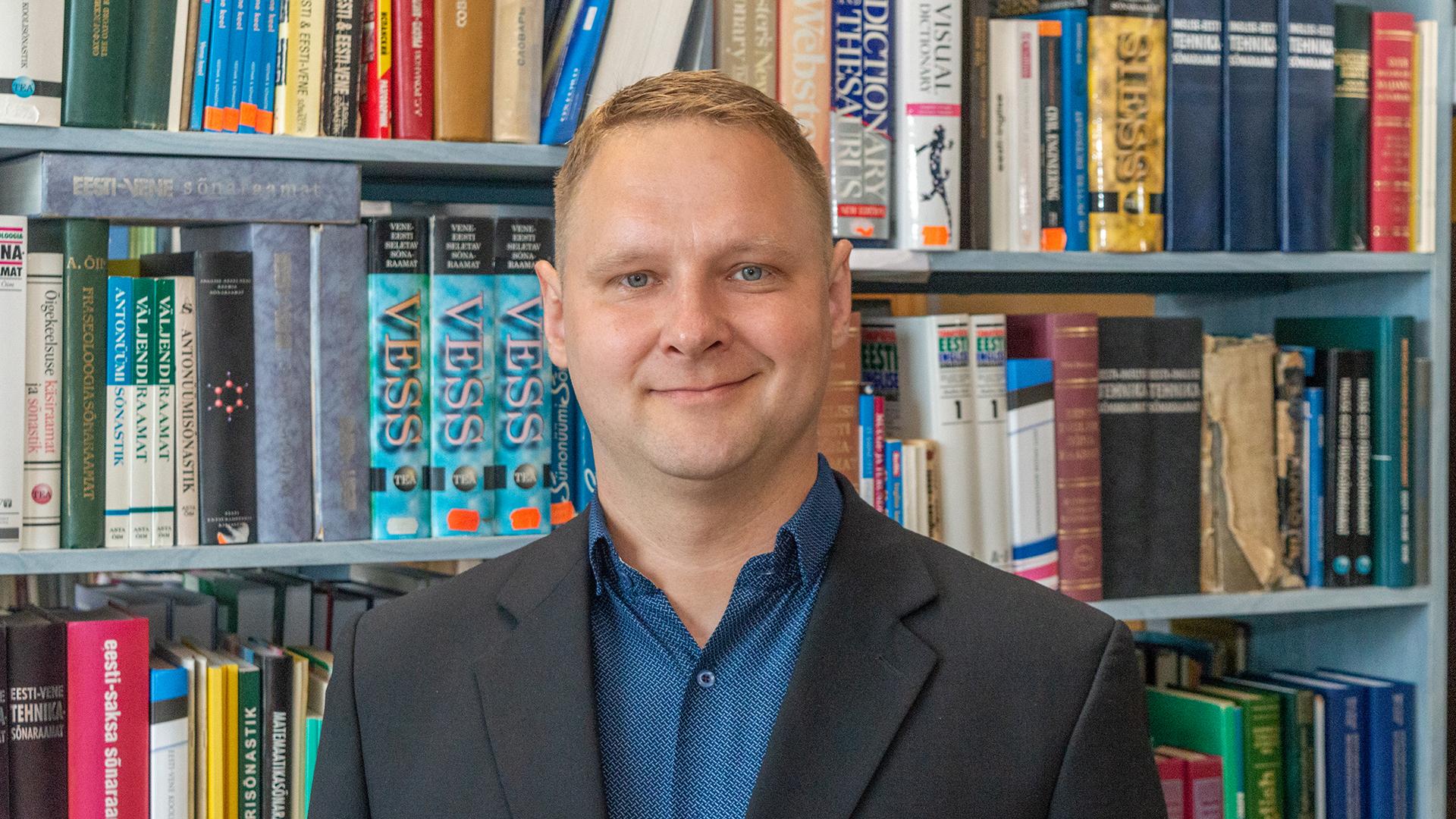
A similar sense of possibility also shaped Jaan Erik’s decision to reconnect with Estonia. He spent much of his childhood in the United Kingdom and Sweden before returning to his Estonian roots. Growing up between cultures gave him an international mindset, but Estonia offered something he felt less strongly elsewhere: closeness, accessibility and the sense that ideas can genuinely move forward.
Today, after completing his degree in public administration and political science at the Ragnar Nurkse Department of Innovation and Governance, he works on international business cooperation and entrepreneurial projects, combining global experience with Estonia’s uniquely connected ecosystem. “It’s surprising how many opportunities there can be in a country this small,” he says. “The ‘small country effect’ is quite magical.”

For many internationally minded young people, Estonia’s appeal lies precisely there – in the possibility of contributing, experimenting and building something of their own without getting lost in the scale of a much larger system.
Where life takes a new turn
Not all journeys back to Estonia begin with a clear plan. For Jordan Brodie, the decision emerged gradually through travel, self-discovery and family history. While travelling across Europe, he learned that his grandmother had fled Estonia during the Second World War. Through her story, he realised he was eligible for Estonian citizenship and decided to move to Tallinn.
Before arriving in Estonia, Brodie’s life looked very different. He studied music composition in Los Angeles, worked in restaurants and hotels, travelled extensively and explored creative careers. Engineering had once been part of his academic path, but not his immediate future. Yet Estonia changed that direction.
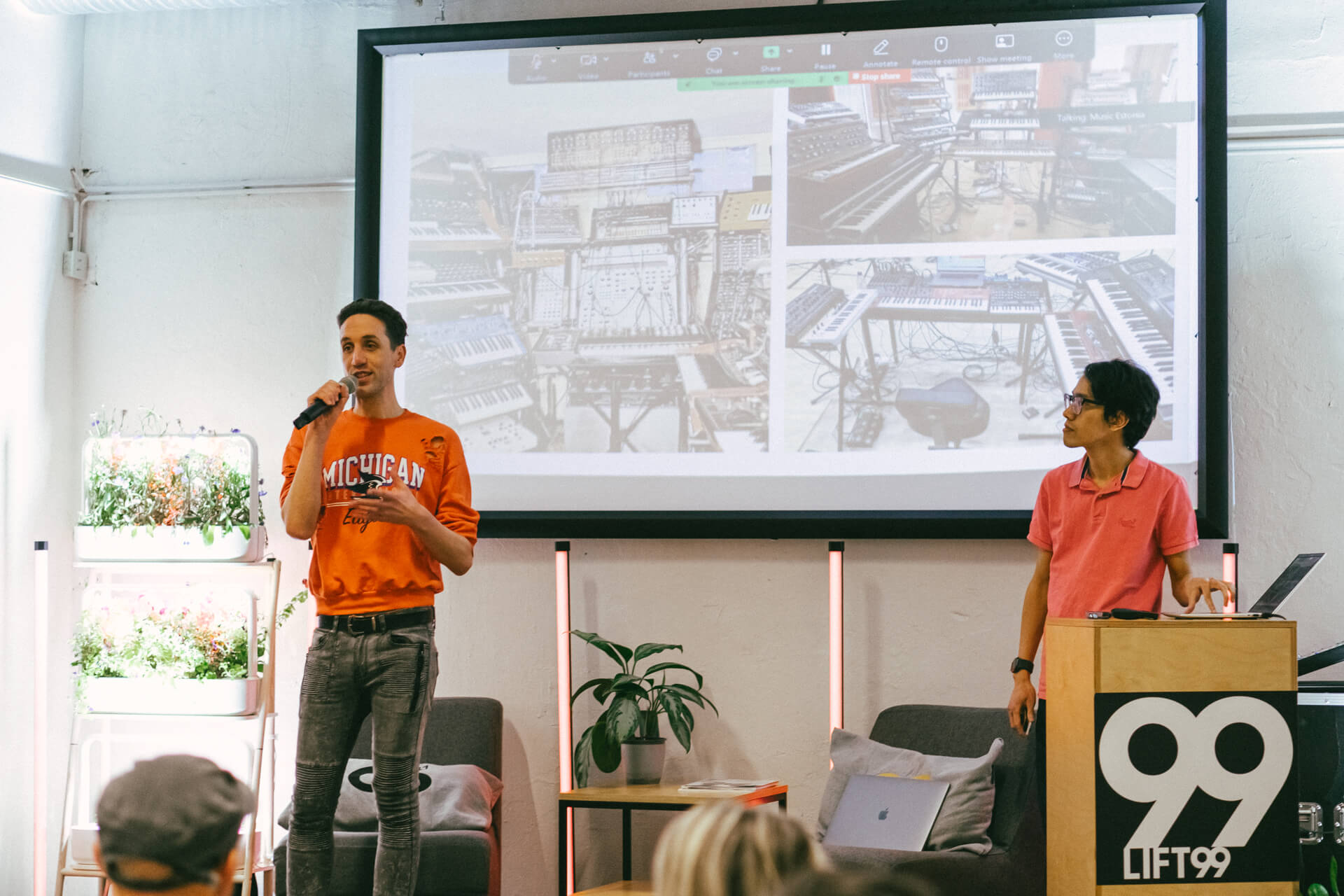
Today, he studies integrated engineering at TalTech, combining technology, creativity and interdisciplinary thinking. More importantly, he says Estonia gave him something unexpected: a sense of belonging. “For much of my life, I felt like an outsider,” he says. “Here, I don’t feel like an alien.”
His story reflects something increasingly visible across Estonia’s universities: international students and diaspora returnees are not arriving with just one type of background. Many bring careers, life experience, creativity and perspectives shaped across multiple countries and cultures.
For Aida Danielyan, Estonia became the place where medicine and innovation could meet. Before moving to Tallinn, Danielyan worked as a neonatologist, caring for newborns in intensive care and educating young parents through social media and community workshops. Though deeply committed to medicine, she began searching for ways to create a broader impact in healthcare. That search led her to TalTech’s Digital Health master’s programme.
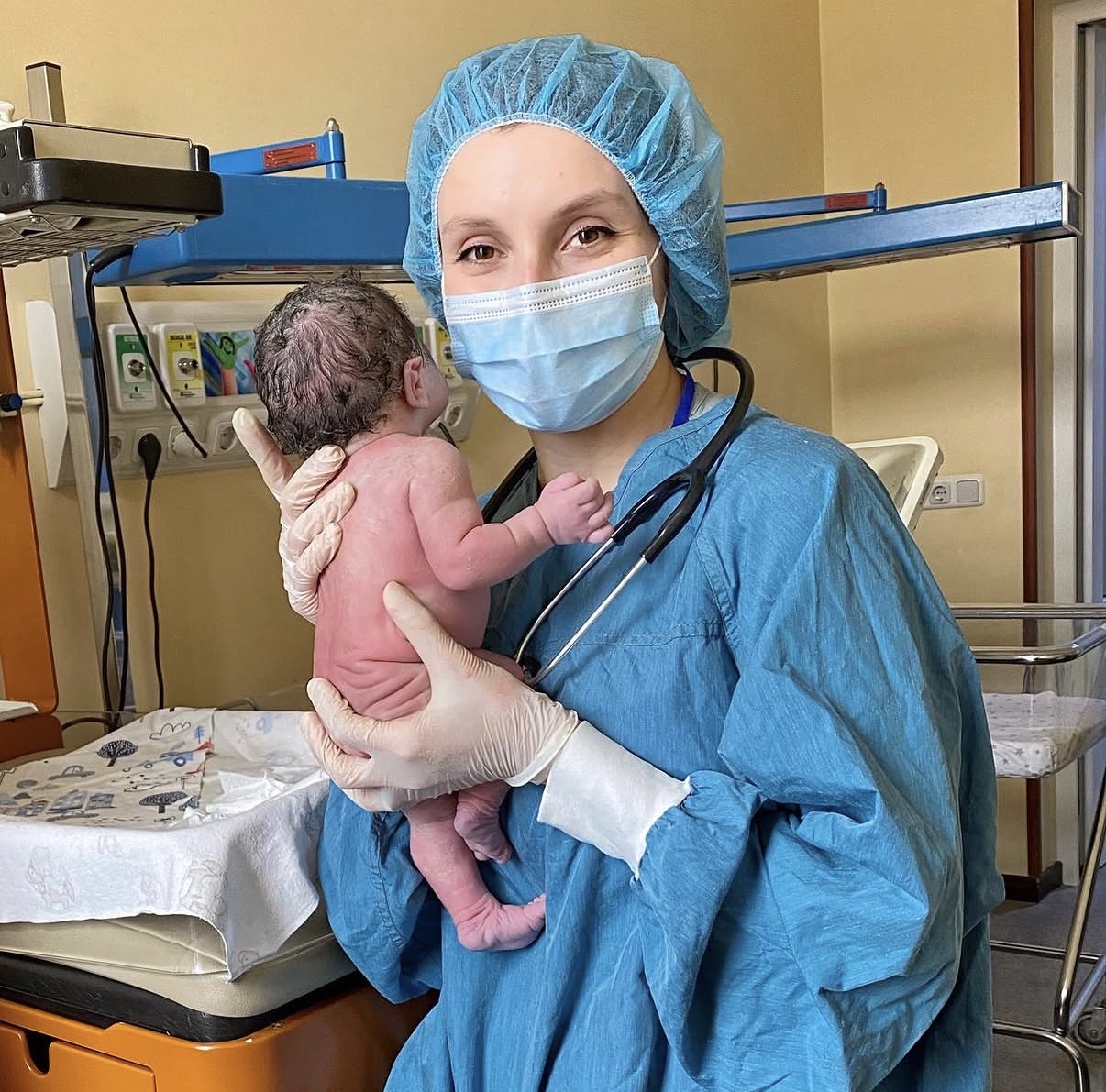
Today, she is co-developing Biluminate, a digital health solution designed to help parents monitor newborn jaundice from home while staying connected to healthcare professionals. The idea combines her clinical experience with Estonia’s strong digital innovation ecosystem – an environment where healthcare, technology and entrepreneurship increasingly intersect.
For her, Estonia has become more than a study destination. It has become a place where entirely new possibilities have opened up.
A globally connected Estonia
Together, these stories reveal what Estonia can offer today: connection, opportunity and room to grow. For people with Estonian roots, the country can become more than a place of origin – it can be a place to study, work, build and contribute. But Estonia’s appeal does not depend only on family ties. For international students without a previous connection to the country, it can also offer something increasingly valuable: an open, accessible and innovation-driven environment where ideas can move quickly.
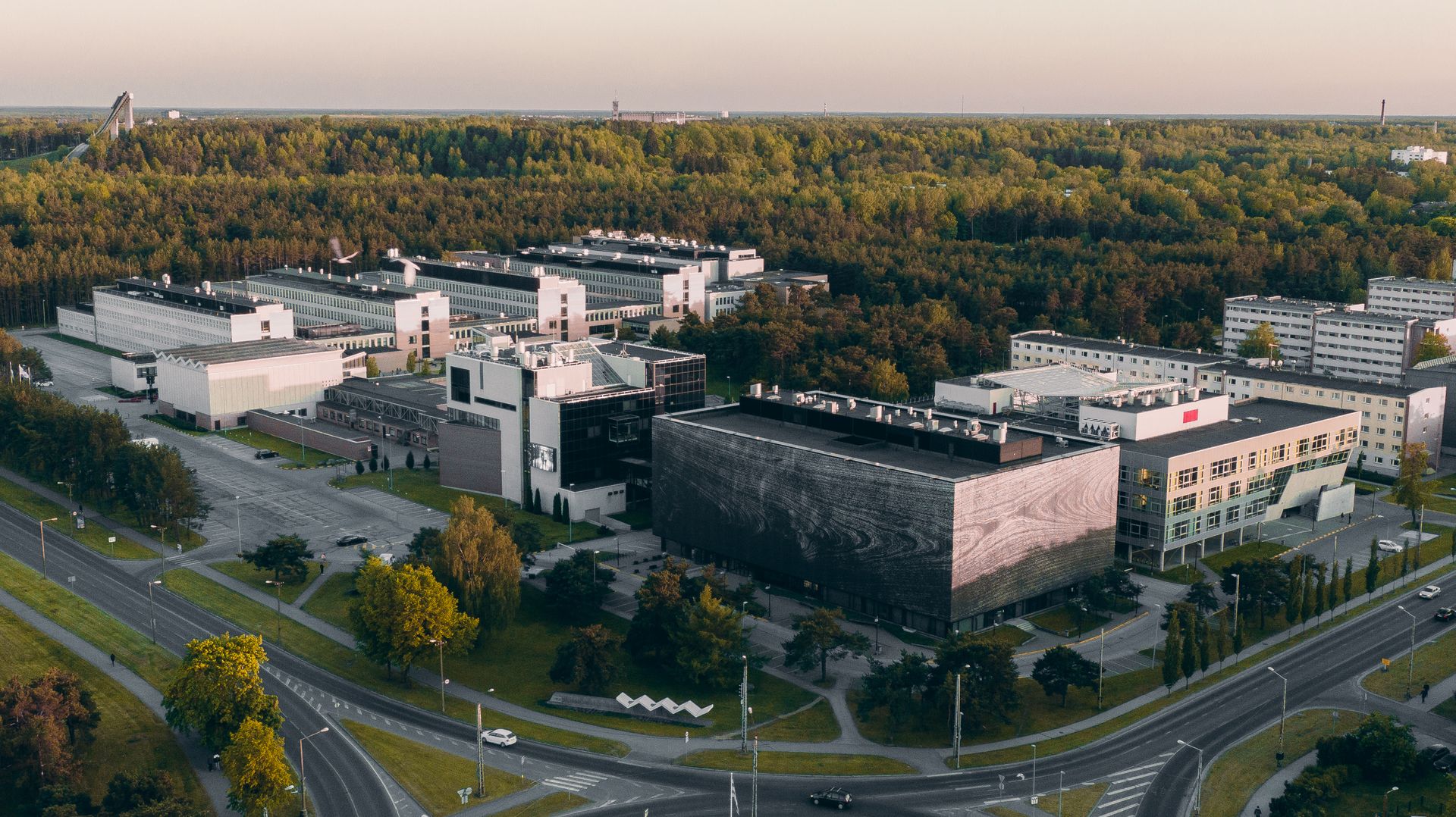
At the same time, Estonia is attracting people who discover a strong personal connection through values, curiosity, professional ambition or the opportunity to build something meaningful in a society that remains remarkably accessible.
Universities such as TalTech play an important role in that journey. Students are not only gaining degrees; they are entering networks where science, entrepreneurship, digital innovation and international collaboration meet in practical ways.
In Estonia, world-class research can happen in Ida-Viru County. A former musician from Los Angeles can become an engineer. A doctor can become a health-tech innovator. Young people who once grew up abroad can rediscover what it means to belong to a small but globally connected country – while others can discover Estonia for the first time and find a future here.
Admissions to TalTech are open until 1 June 2026. For the School of Business and Governance, applications are open until 1 August 2026.
Further information about TalTech study programmes, admission details and deadlines is available on the university’s admissions page.