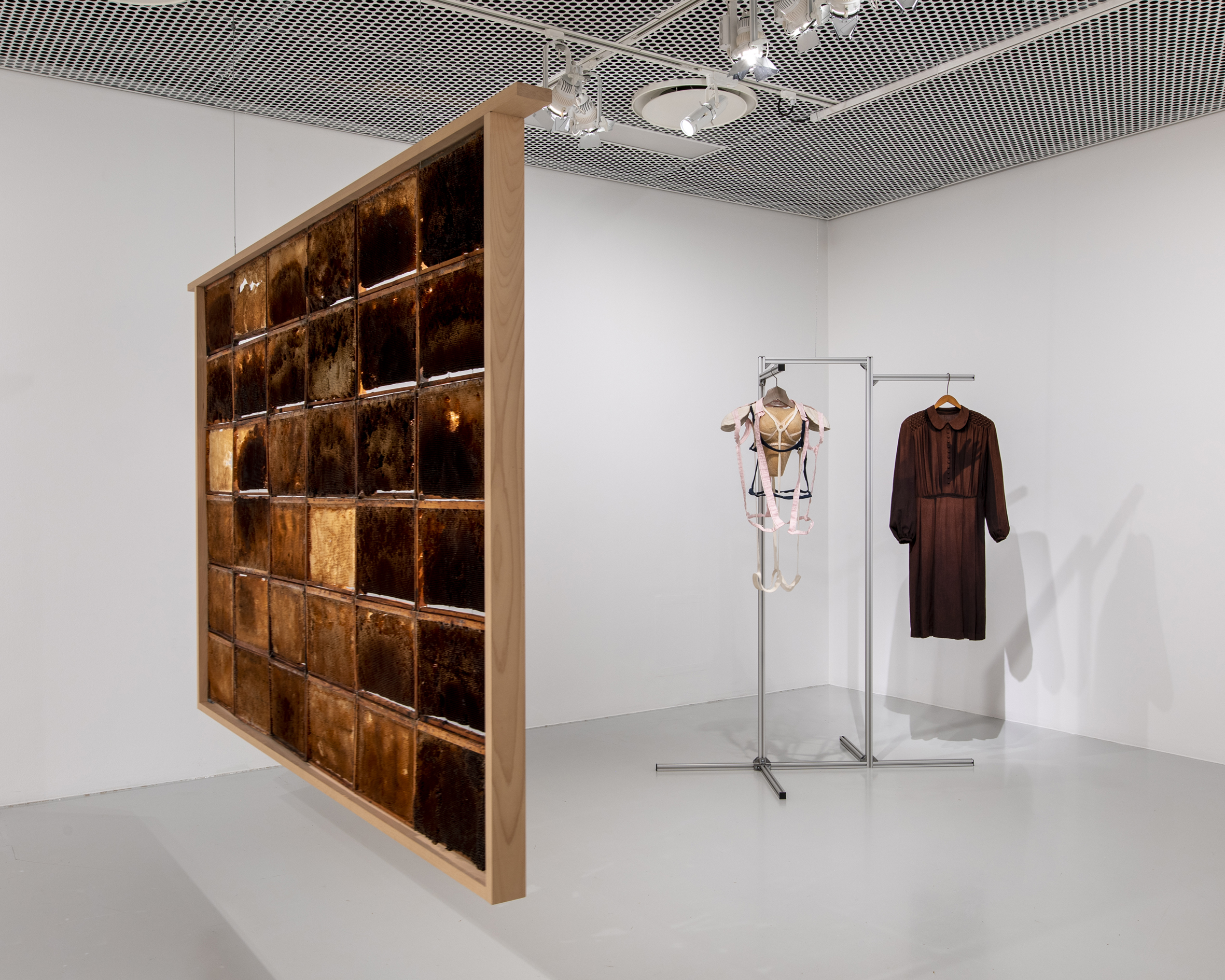
A major exhibition of the late Estonian artist Anu Põder has opened at Sweden’s Moderna Museet in Malmö, bringing her unconventional sculptures to an international audience before travelling to Stockholm and Finland.
Põder, who died in 2013 at the age of 66, was known for her unconventional use of everyday materials and her exploration of the human body, memory and vulnerability. Working with everything from plaster and textiles to wax, plastic, soap and fat, she created sculptures that challenged traditional ideas about form, permanence and the relationship between art and the body.
The exhibition, her first solo presentation in Sweden, brings together around 20 works borrowed from the Art Museum of Estonia, the Tartu Art Museum and the Anu Põder Estate. It also includes five drawings from the artist’s estate that have never previously been exhibited.
An artist whose materials told their own stories
Born in 1947, Põder developed much of her artistic practice during Estonia’s Soviet occupation, when conventional sculpture was dominated by more durable materials and established artistic traditions.
Her approach was markedly different. Rather than working primarily in stone, bronze or other permanent materials, she turned to fragile, familiar substances that could change, deteriorate or disappear altogether.
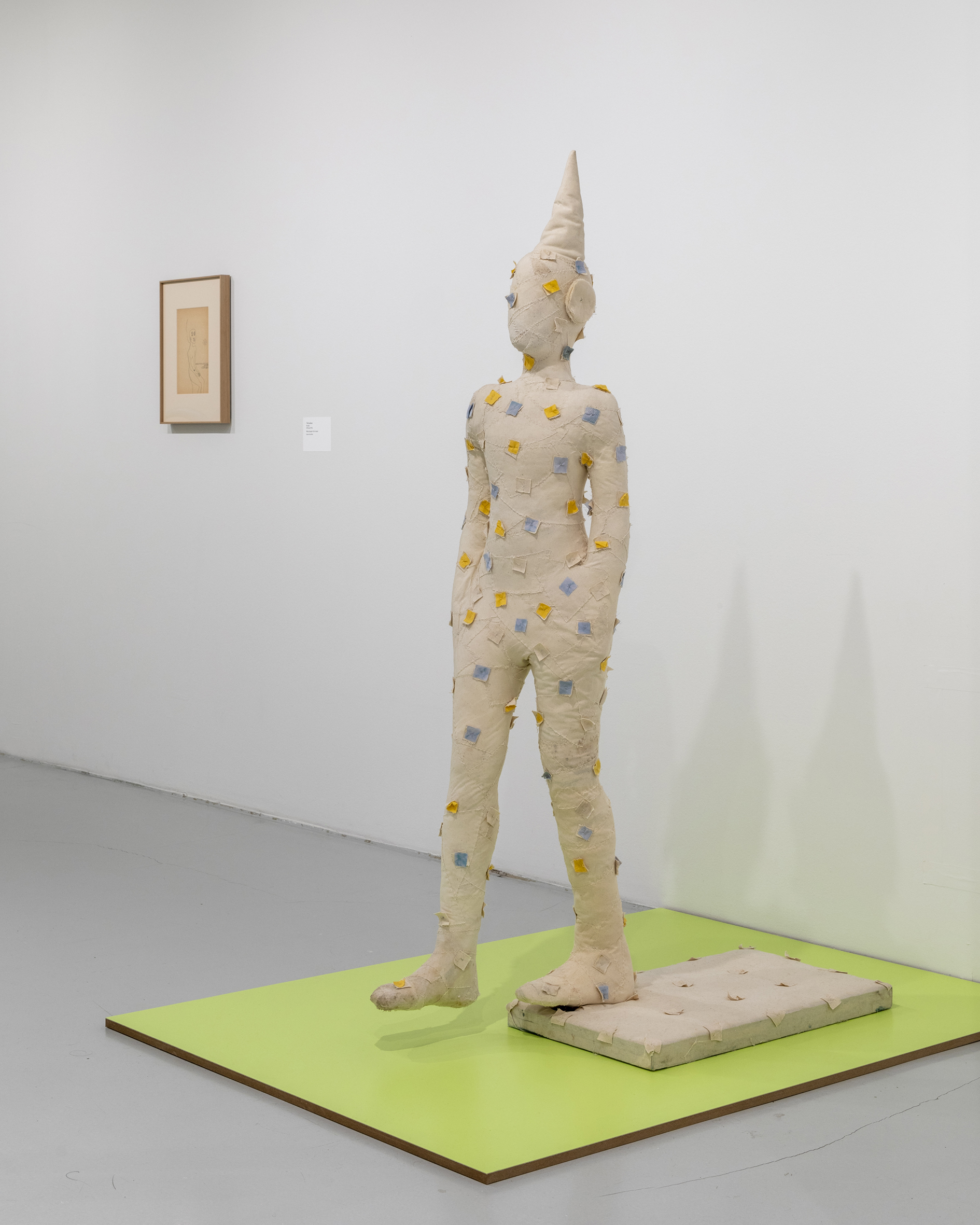
The human body remained central to her work, even when it was physically absent. Its presence could be suggested through an imprint, an empty space or the shape of an object. Her sculptures often carried an unsettling tension between fragility and resilience, intimacy and estrangement.
The Malmö exhibition traces how her interests evolved from bodily experiences and the impermanence of life towards questions of consumption and capitalism, particularly during the years following Estonia’s restoration of independence in 1991.
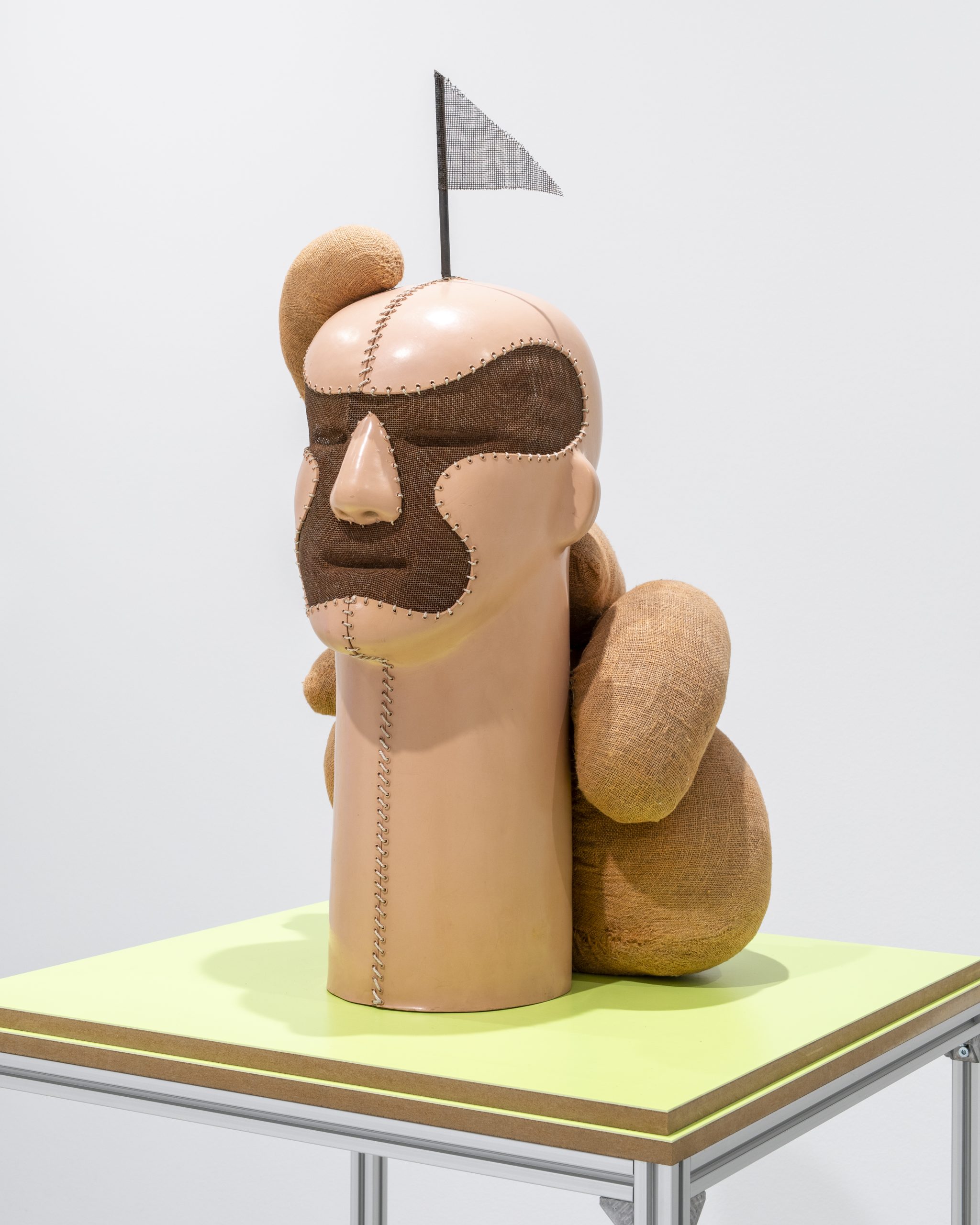
Andreas Nilsson, curator at Moderna Museet Malmö, first encountered Põder’s work at a retrospective at Estonia’s Kumu Art Museum in 2017.
“I was struck by her use of everyday and often fragile materials to convey both the vulnerability and strength of the body,” Nilsson said in a statement. “The tension between the personal and the universal in her sculptures made me want to explore her practice further and share it with a wider audience.”
Nilsson and Jo Widoff, curator at Moderna Museet Stockholm, said the exhibition highlighted the originality of Põder’s artistic language and her ability to challenge conventional understandings of sculpture.
From Estonia to the international art world
Although Põder was influential among younger generations of Estonian artists, wider international recognition came largely after her death.
A major retrospective at Kumu in Tallinn in 2017 helped bring renewed attention to her work. Since then, her sculptures have appeared in international exhibitions, including the Venice Biennale in 2022 and the Musée d’Art Moderne de Paris in 2026.
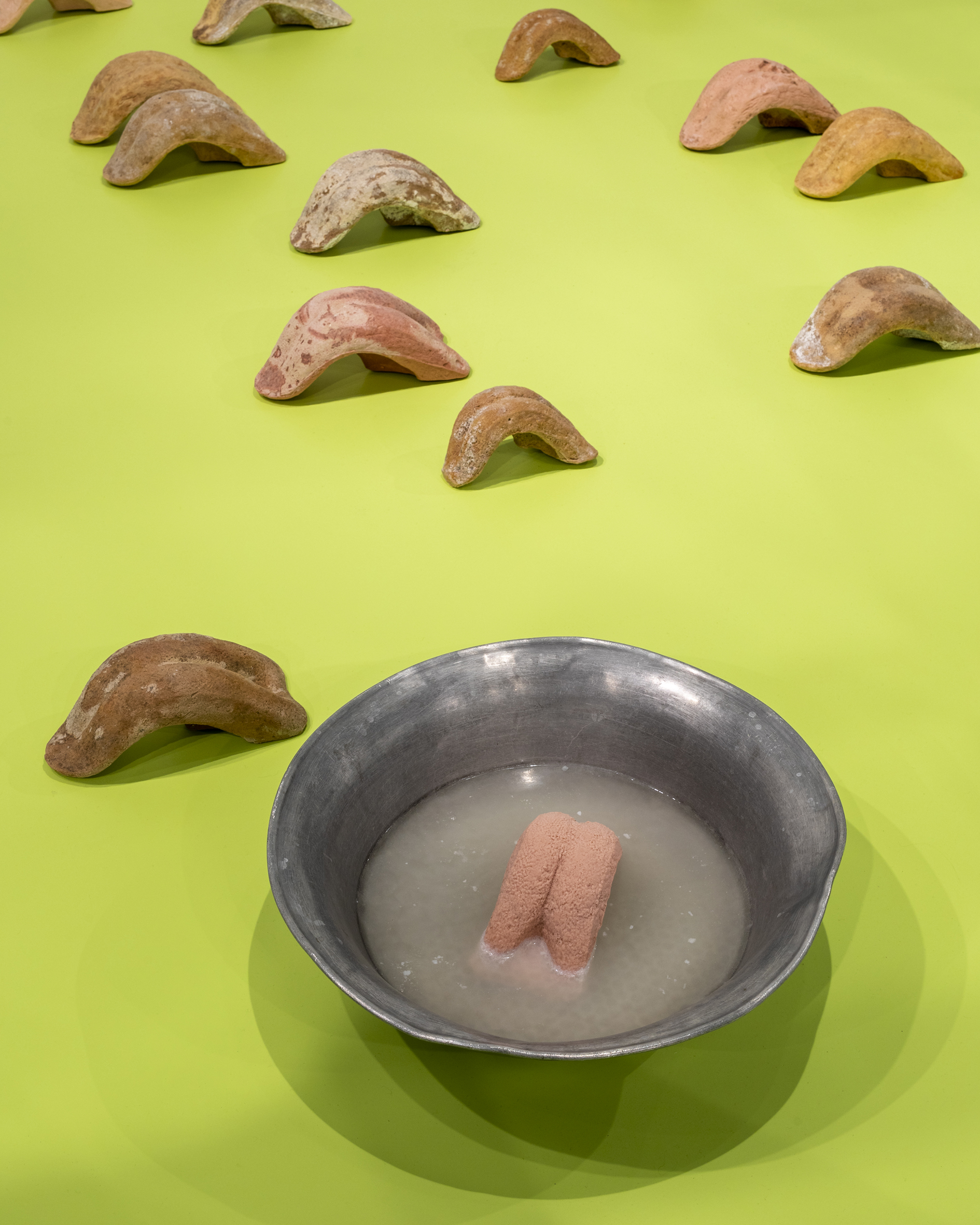
Her growing reputation has also attracted the interest of major international collections. In 2021, Tate acquired a version of Tongues (1998), a sculpture made from soap. Another version belongs to the Art Museum of Estonia, whose conservators have also worked on creating an exhibition copy of the fragile piece.
The exhibition is accompanied by a catalogue exploring Põder’s career and artistic legacy. Its contributors include Anders Härm, a curator at Kumu, and Ingrid Orman of Finland’s EMMA Art Museum, who examines the conservation challenges involved in recreating Tongues.
Founded in Stockholm in 1958, Moderna Museet is Sweden’s national museum of modern and contemporary art. Its Malmö branch opened in 2009.
The exhibition will remain at Moderna Museet Malmö until 21 February 2027 before moving to Stockholm, where it will run from 10 April to 6 June 2027. A further presentation is planned at the EMMA Art Museum in Espoo, Finland, in 2028.