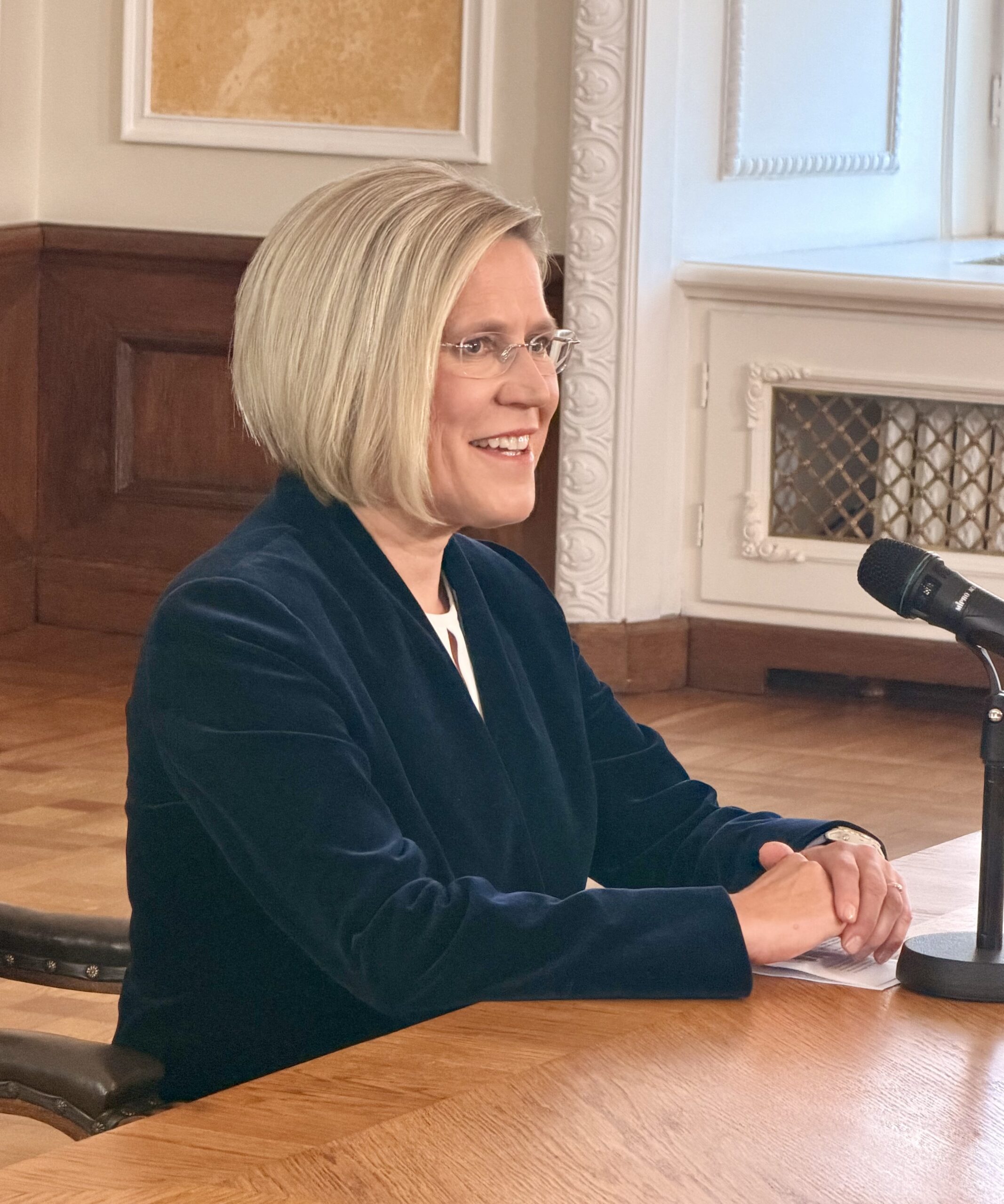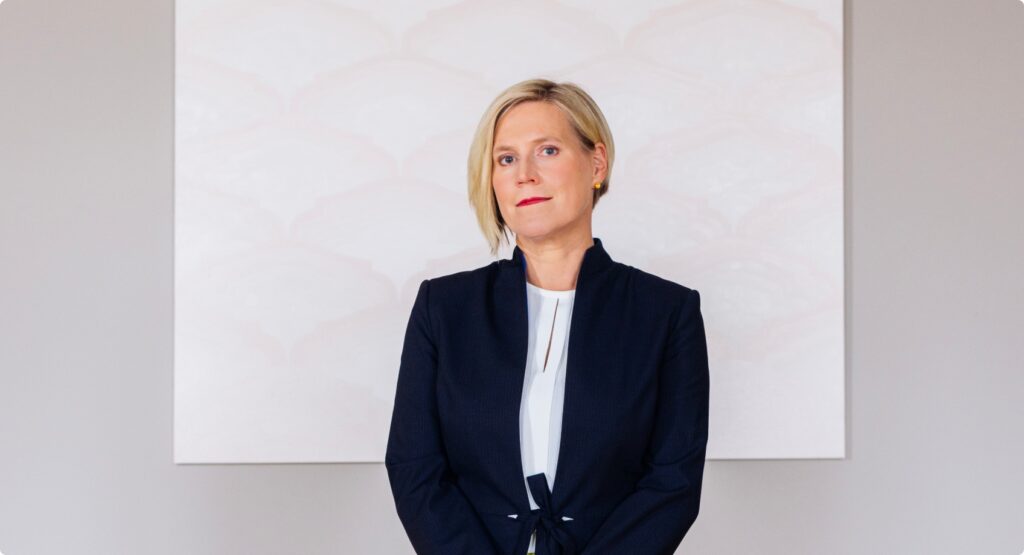
The Estonian parliament has chosen the country’s long-serving chancellor of justice and one of its leading constitutional lawyers, Ülle Madise, as its next head of state, making her the second woman to hold the office.
Madise, 51, received 71 votes in a secret ballot in the 101-seat parliament, the Riigikogu, on Wednesday, passing the two-thirds threshold of 68 required for election in the first round. She was the only candidate on the ballot.
Seventy-eight MPs took part in the vote and seven returned unmarked ballot papers. Twenty-three members did not participate.
Her election makes her the second female president of Estonia. Kersti Kaljulaid, who served from 2016 to 2021, was the first.
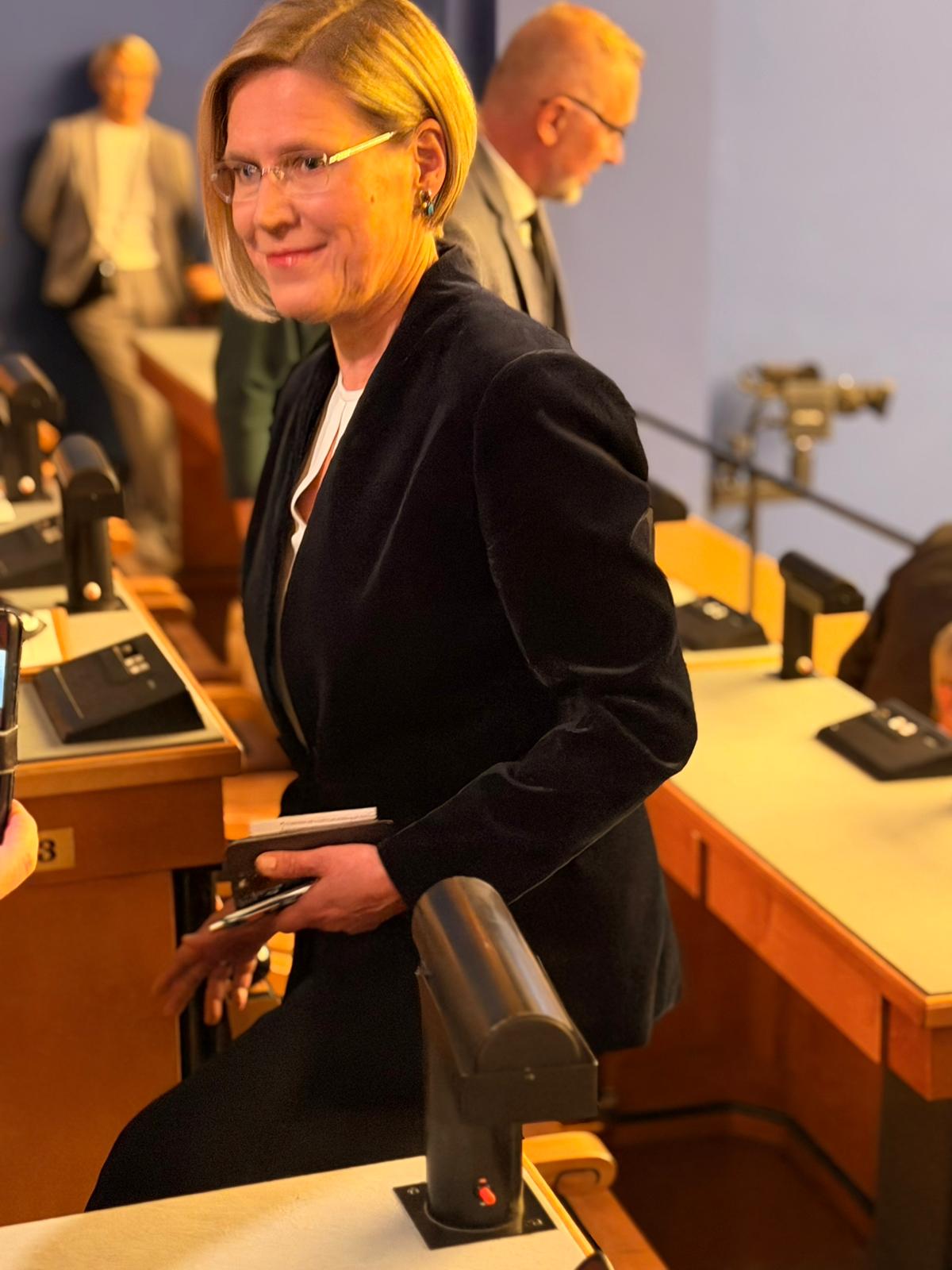
After the result was announced, Madise thanked MPs for their support and trust. “I will do my best to deserve this trust,” she said.
She will take the oath of office on 12 October, succeeding Alar Karis, who announced in June that he would not seek a second term.
Her victory was assembled quietly but broadly. Madise was nominated by 75 MPs, with support extending across the divide between government and opposition and including unaffiliated members of parliament.
The signatures gave her a comfortable advantage over the 68 votes she needed, although the secrecy of the ballot meant they could not guarantee her election. Her final tally was four votes lower than the number of MPs who had nominated her.
A speech about trust
Addressing parliament before the ballot, Madise placed trust at the centre of her message. She argued that citizens should not expect “someone up there” to tell them how to live, think or feel and said the state could not presume to know better than people how they should conduct their lives or businesses.
“The experts on doing business are those who do business,” she told MPs.
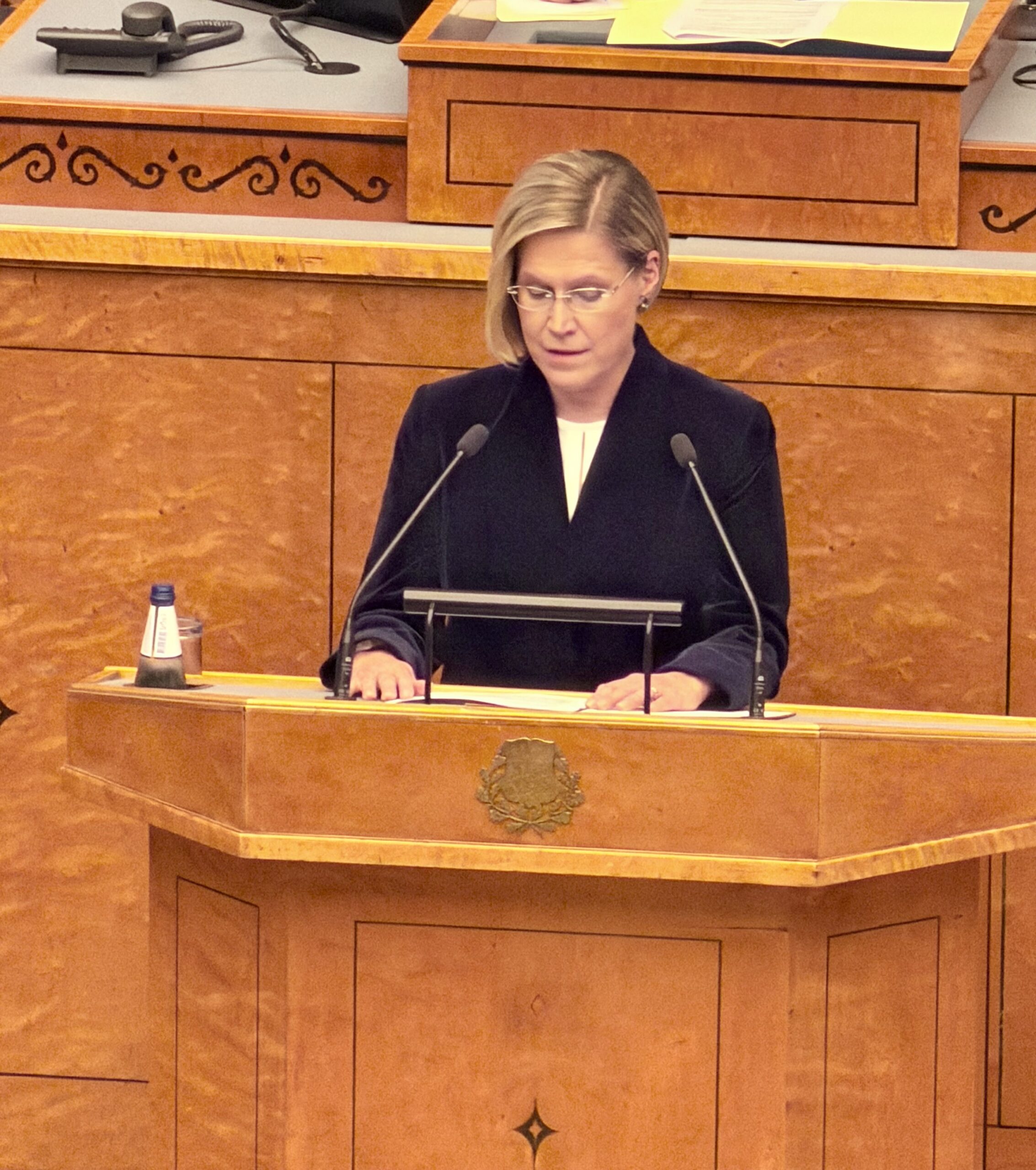
Madise also placed Estonia’s experience of restored independence within the wider struggle for European security. She described the country as standing on the frontline of security for Europe and the free West.
That line had held, she said, because earlier generations possessed the wisdom to restore Estonia’s independence, build a safe country with low corruption and take it into the European Union and NATO. Estonia had joined those organisations not to remain a passive member, but to help build a common future.
Concluding her speech, Madise thanked Estonia’s police officers, military personnel, diplomats and statesmen.
“Together we can make Estonia bigger, happier and stronger,” she said, adding that she was ready to accept the responsibility of serving as head of state.
A deliberately quiet campaign
As in 2021, when Karis was elected, the ballot carried only one name. This revived criticism that Estonia’s presidential election resembled an appointment rather than a contest.
Madise rejected that argument during the campaign, saying the constitution gave parliament the duty to elect the head of state and that MPs remained free to support or reject the candidate in a secret ballot.
She had initially resisted being drawn into the presidential contest, insisting that the serving chancellor of justice could not become the candidate of either the governing coalition or the opposition. She agreed to stand only after it became clear that her support crossed political lines.
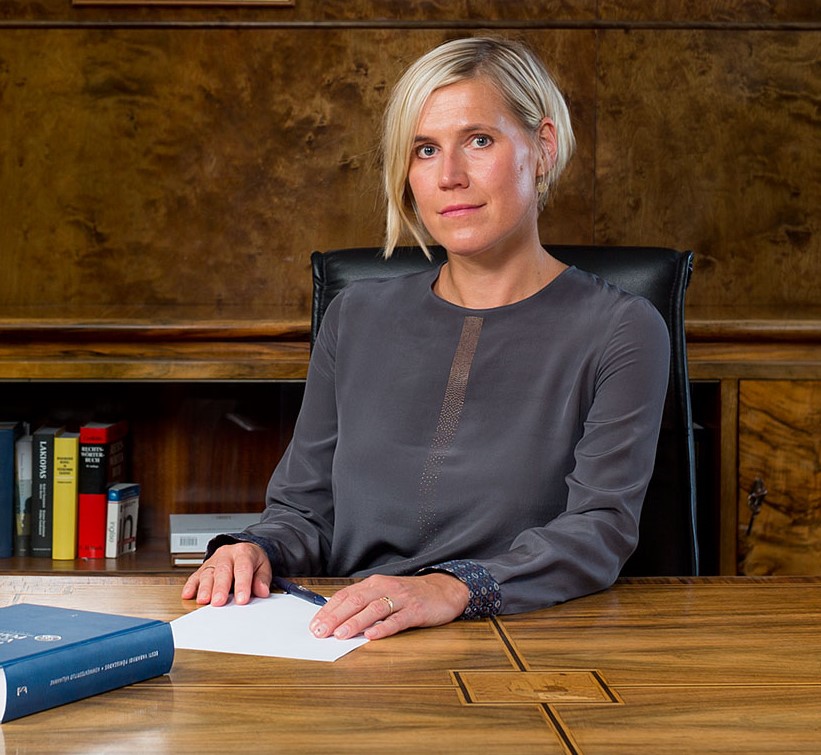
Announcing her candidacy in August, Madise presented the presidency as a guardianship of Estonia’s identity, independence and democratic order.
“Estonia’s purpose is to be Estonia,” she said. “Independence gives us the opportunity to do everything we can to make Estonia the best place in which to live, raise children, invent, write poetry and do business.”
She placed families, education and Estonia’s demographic future at the centre of her message, arguing that people should not be driven abroad by poverty, poor educational opportunities, unaffordable housing or a lack of fulfilling work.
“The president’s constitutional duty is to safeguard what makes Estonia Estonia: our people, language, culture, natural environment, freedom and peace,” she said.
A constitutional lawyer in Kadriorg
Born in Tartu on 11 December 1974, Madise studied law at the University of Tartu, graduating cum laude, and completed a doctorate at Tallinn University of Technology.
She began her career at the justice ministry, where she rose to lead its public law department. She later worked as an adviser to the Riigikogu’s Constitutional Committee, a director of audit at the National Audit Office and a member of the National Electoral Committee.
From 2009 to 2015, she served as legal adviser to president Toomas Hendrik Ilves. She has also taught constitutional law at the University of Tartu and Tallinn University of Technology and helped establish the legal foundations of Estonia’s internet voting system.

Madise was appointed chancellor of justice in 2015 and began a second seven-year term in 2022. The office is an independent constitutional institution that reviews whether legislation and the conduct of public authorities comply with the constitution. It also performs the functions of an ombudsman and protects children’s rights.
She made the office more interventionist than it had been under some of her predecessors, frequently attending cabinet meetings and seeking to prevent unconstitutional decisions before they were made.
Supporters have praised that approach as practical and effective. Critics have accused her of interpreting the boundaries of her office too broadly, particularly during the coronavirus pandemic, when she became closely involved in discussions about restrictions and fundamental rights.
Her candidacy also faced a last-minute legal challenge from nine MPs belonging to EKRE, the Conservative People’s Party. They argued that she should have resigned as chancellor of justice before standing for president.
The Supreme Court rejected the challenge on the eve of the election, ruling that no law required her to leave office merely because she was a candidate. Her term as chancellor will end when she assumes the presidency.
Security, Ukraine and social cohesion
The most obvious question surrounding Madise’s presidency concerns foreign and security policy. Unlike several previous contenders for the office, she does not have a long diplomatic or defence career behind her.
That matters in a country bordering Russia, particularly while Moscow’s war against Ukraine continues and doubts remain about the durability of western security arrangements.
Madise has said she will work closely with the foreign ministry, parliament, the defence ministry and Estonia’s military leadership. She has argued that the president should bring decision-makers together rather than attempt to conduct a separate foreign policy.
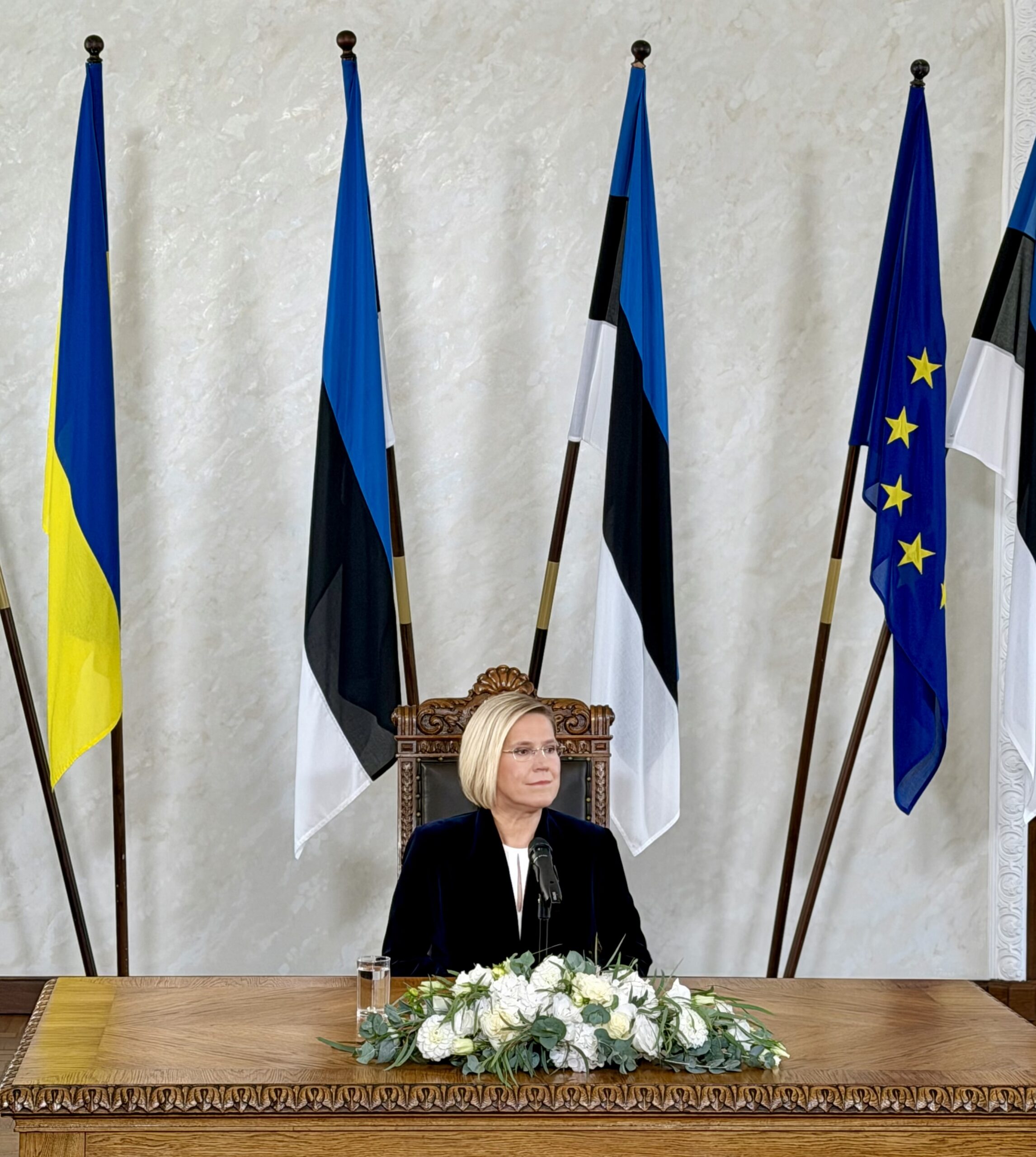
She has described both NATO and the European Union as indispensable to Estonia’s survival and said Estonia and its European allies must continue to stand firmly behind Ukraine. Any peace settlement, she said, must be just, must not reward aggression and must not be negotiated over Ukraine’s head.
Although the Estonian presidency is largely non-executive, it is not merely ornamental. The president represents the country abroad, serves as the supreme commander of national defence, appoints several senior officeholders and may return legislation to parliament. If parliament adopts the same law again without amendment, the president may ask the Supreme Court to rule on its constitutionality.
At home, Madise has said the president should not dictate tax, economic or social policy, but should serve as an impartial balancing force and help restore trust in a society increasingly divided by resentment, fear and political hostility.
She has described the head of state as “the mortar between the stones” in the walls of the Estonian state.
Colleagues say little irritates Madise more than waffle. At the Office of the Chancellor of Justice, lengthy legal opinions are expected to begin with a one-page explanation in plain language, while meetings should start on time and finish with a decision.
Estonia has elected a president whose first question, those who know her say, is usually the shortest one: “Why?”