After four decades as Estonia’s honorary consul, Jaak Treiman reflects on how the country’s presidents have built its influence abroad – each in a distinctly different way.
I have served as Estonia’s honorary consul for the past 40 years. From that vantage point, I have observed how the country’s presidents, from Lennart Meri to Alar Karis, have shaped its international image and influence.
Although Estonia’s president has domestic responsibilities, the head of state’s principal duties lie in the international arena, protecting and advancing the country’s interests within the international community. That is a formidable task for anyone representing a nation of just 1.3 million people, especially in today’s multipolar reality where Great Power politics is ascendant.
Estonia’s five presidents since the restoration of independence offer a useful way to consider how different personal qualities can strengthen, or constrain, a small country’s visibility and influence abroad.
Charisma that opened doors
As the son of a diplomat, Lennart Meri moved frequently while growing up and learned multiple languages. At the University of Tartu, he studied history and languages. He was charismatic, if sometimes exasperating.
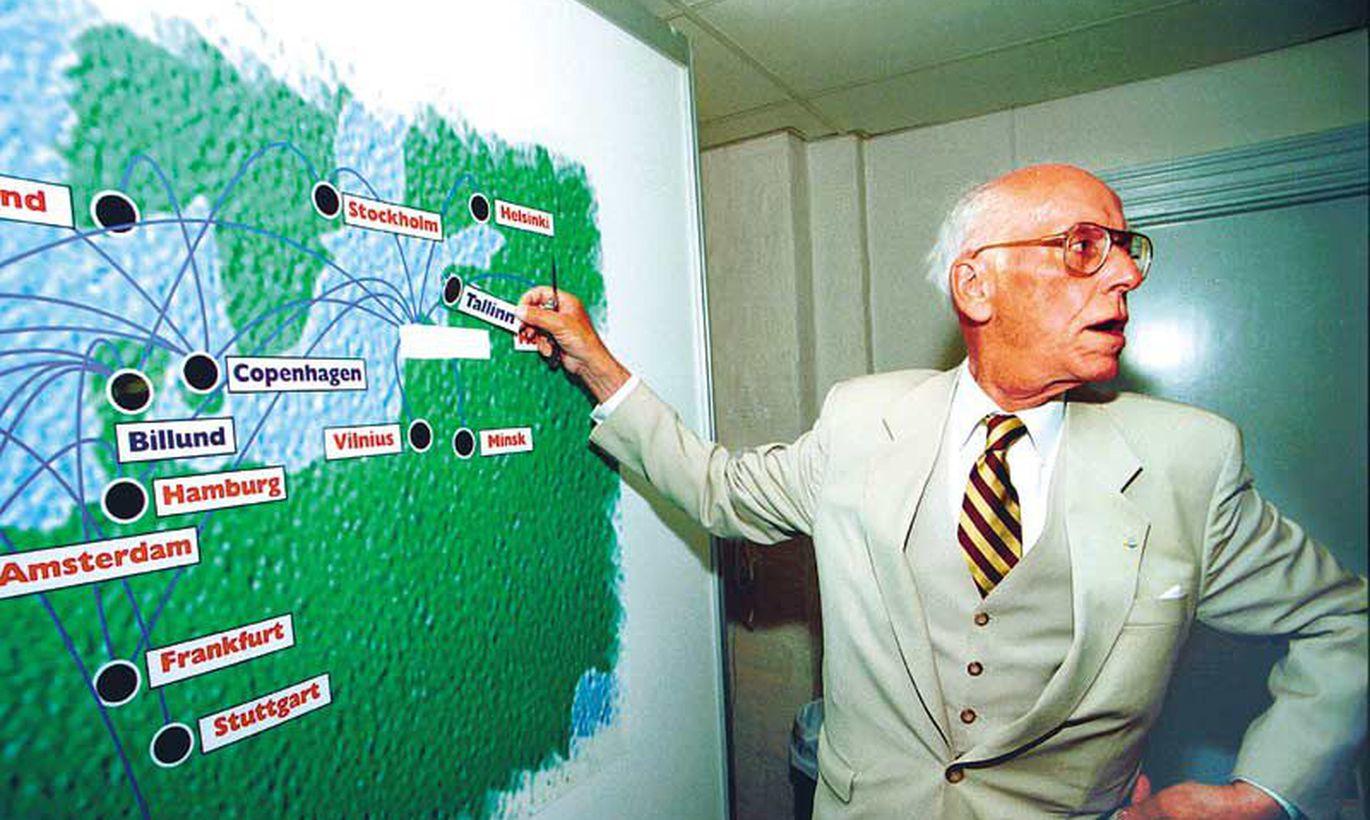
Shortly after the Soviet Union collapsed, about 20 senior Boeing executives flew to meet Meri as he visited California. Estonia had acquired new geopolitical significance. The executives waited nearly four hours, growing increasingly impatient, before he appeared. Within ten minutes, he had captivated the room.
Meri’s personality and breadth of knowledge helped him win friends and allies for Estonia.
The limits of language
Arnold Rüütel’s presidency illustrated the constraints that language and presentation can impose in international settings. He spoke only Estonian and Russian, so he relied heavily on interpreters abroad. His speeches could lose energy in translation, and at Stanford University he struggled to give cogent answers to audience questions.
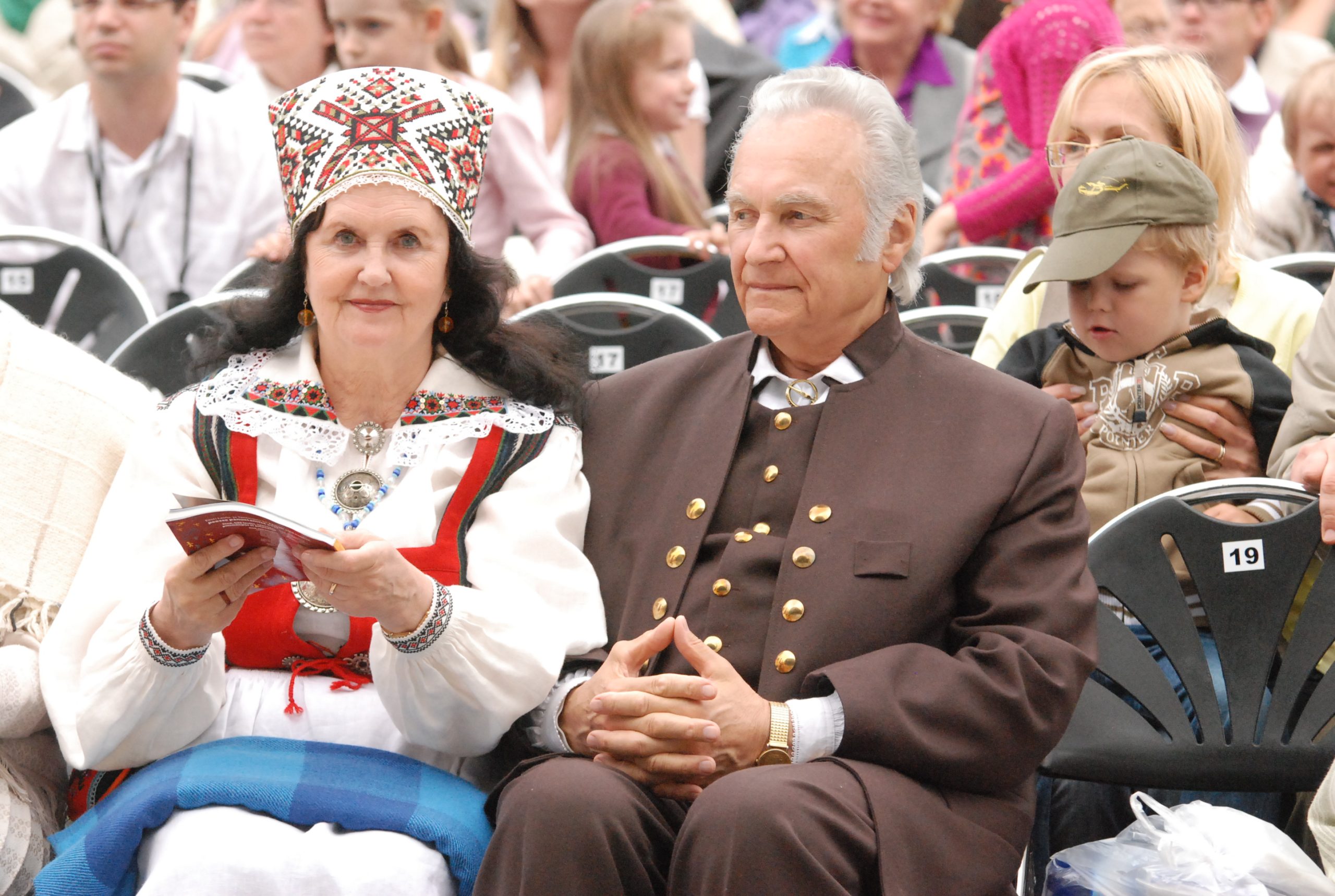
Rüütel’s effect on Estonia’s reputation was limited; however, this was partly due to the positive impressions already made across the United States by Meri and independence campaigners such as Mart Niklus, Lagle Parek, Tunne Kelam, Heiki Ahonen, and Trivimi Velliste.
Ideas that travelled
Toomas Hendrik Ilves was raised in the United States by refugee parents and later worked for Radio Free Europe in Germany. After Estonia regained independence, he served as its ambassador to the United States.
As president, Ilves had a talent for connecting information from different fields and using it to solve problems. His innovative ideas raised Estonia’s international profile and influence. His depiction of Estonia as “The Little Engine That Could” created an enduring image of a country determined to overcome obstacles.
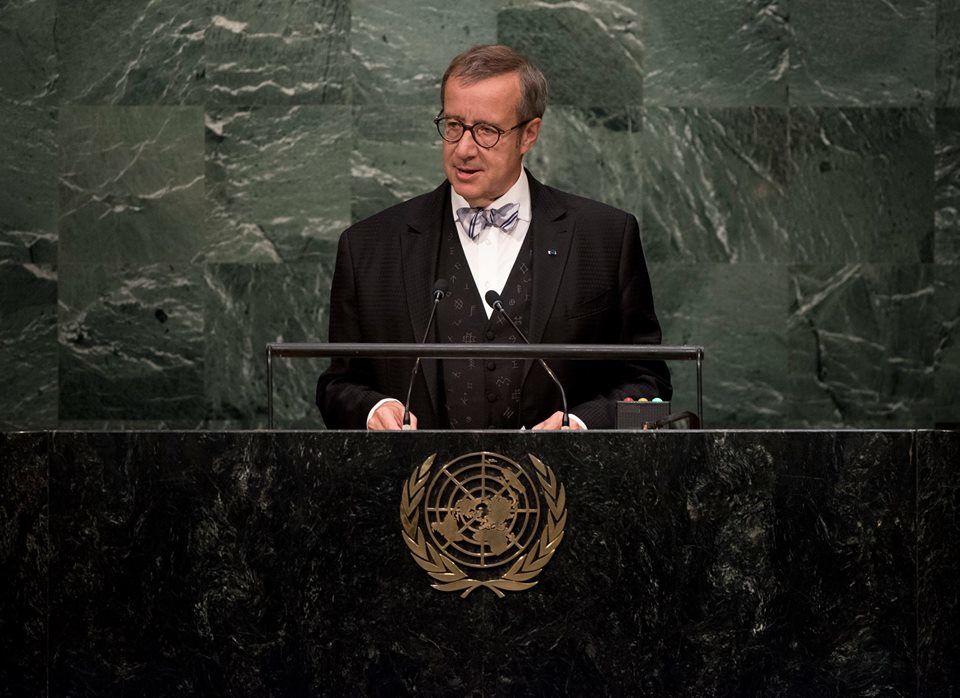
Ilves placed Estonia firmly on its digital path and promoted that identity worldwide, a legacy from which the country continues to benefit. His willingness to challenge prominent international figures, including Nobel laureates, reinforced Estonia’s image as a nation of independent-minded, intelligent people.
Candour and quiet expertise
Kersti Kaljulaid may have raised hackles at home, but her forthrightness, supported by reasoned argument, attracted favourable attention abroad. When she appeared at the University of Southern California, the auditorium filled to capacity and dozens of people had to be turned away. I have not seen another Estonian speaker attract such a crowd.

Her willingness to speak plainly in public and explain the reasoning behind her positions was widely admired internationally. Years later, people still speak warmly of her visit – and of Estonia.
Alar Karis’s contribution was quieter and less visible internationally, but it produced tangible effects. One example came in Switzerland, where Karis gave a speech extolling Estonia’s digital advances. In the audience was the chief executive of a prominent California non-profit organization.
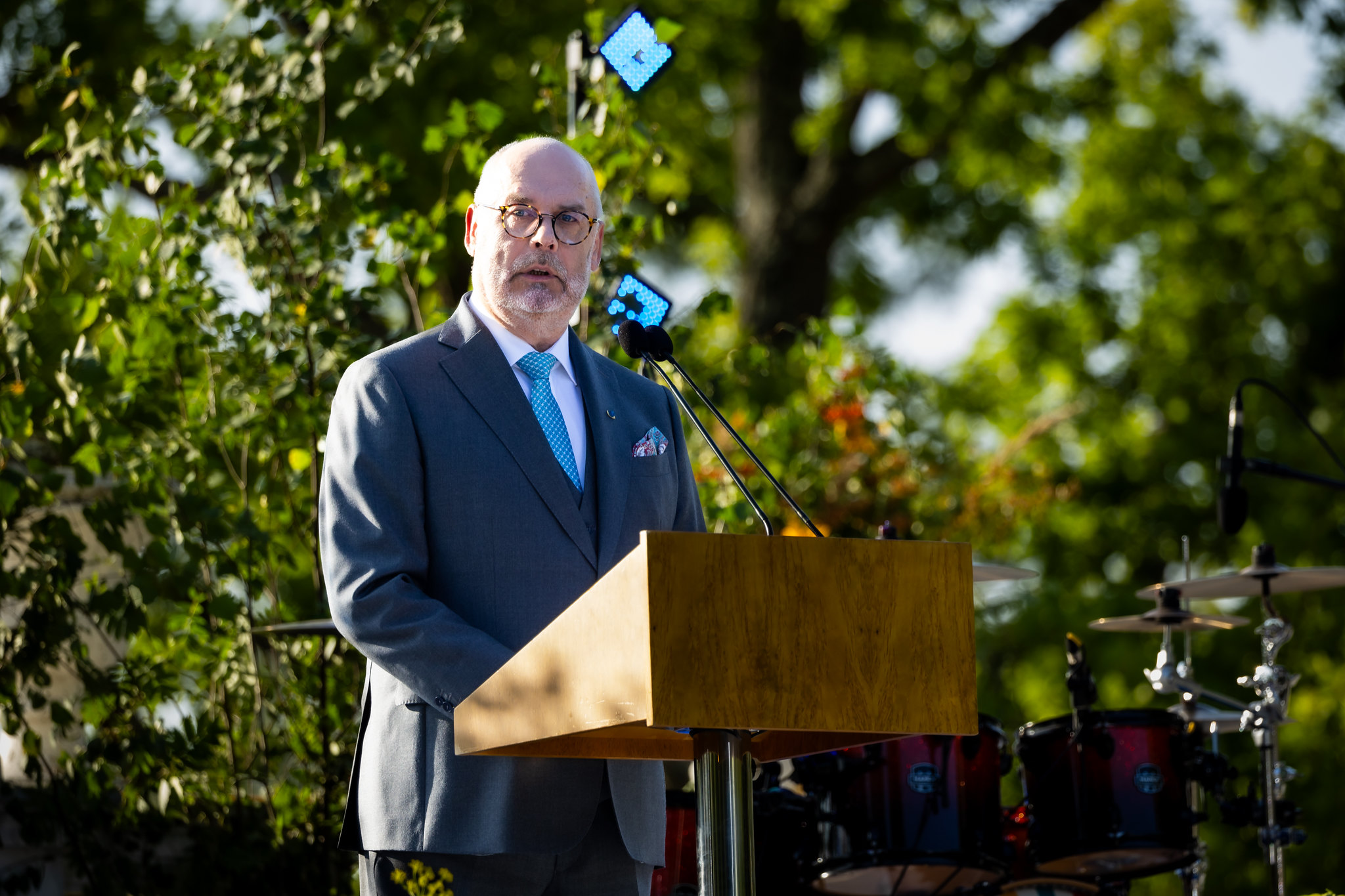
The speech prompted him to travel to Estonia to learn more about the country and its digital achievements. Back home, he is now sharing and applying what he learned. Karis’s knowledge of Estonian technology and business was the catalyst.
Influence as a matter of survival
Taken together, these presidencies show that there is no single way to make Estonia heard. Nevertheless, some have been more successful than others. Charisma and cultural range can open doors. Ideas, candour and quiet expertise can each create influence. Language, presentation and the ability to respond persuasively matter too.
For a small country, its international face is not a matter of vanity. It is a matter of survival. It can create relationships, credibility and practical influence. Estonia’s president can help assure Estonia’s survival by making it visible, understood and remembered.

As president, Ülle Madise need not imitate any predecessor; she can bring an authentic international voice of her own – one that explains why Estonia’s experience matters, builds relationships that outlast ceremonial visits and ensures the country is heard when consequential decisions are made. For a small state, being noticed is useful; being understood, trusted and remembered is a form of power.
Ilves depicted Estonia as “The Little Engine That Could.” As Estonia moves forward with a new engineer at the throttle, the past presidential record offers encouragement rather than a checklist.
The opinions in this article are those of the author.