
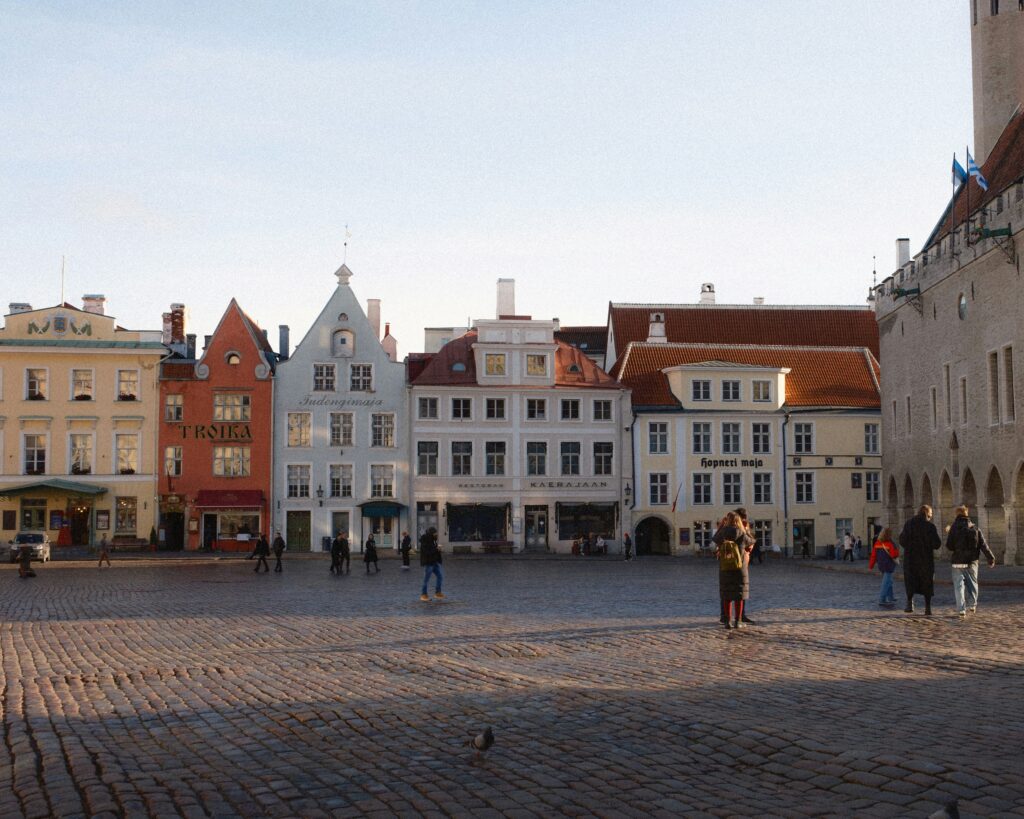
Tallinn’s Old Town should be the city’s jewel; instead, too much of it feels hollowed out: overpriced, underused and increasingly outshone by Vilnius.
Spring – not fool’s spring, late winter or a mere thaw – is blowing through the streets of Tallinn’s Old Town. Terrace season is back, and the air seems fresher and clearer after the long winter fug.
But all is not well in the picturesque corners and quiet cafés of the Old Town. Businesses, even long-standing bars and cafés, have closed; empty premises dot the cobbled streets. Instead of elegant boutiques, there are souvenir shops selling generic Chinese tat. Instead of Michelin-starred restaurants, there are seedy strip joints. What has happened to the once-beloved Old Town?
It is not as if the rest of Tallinn is suffering in the same way. Telliskivi has triggered a boom across much of the North Tallinn district, while restaurants in Nõmme and Mustamäe are doing good business. Even the Old Town itself has its old reliables – such as Hell Hunt – that continue to thrive. But step outside onto Pikk Street, the main street of the Lower Town, and the night is quiet and dark.
Vilnius has stolen a march
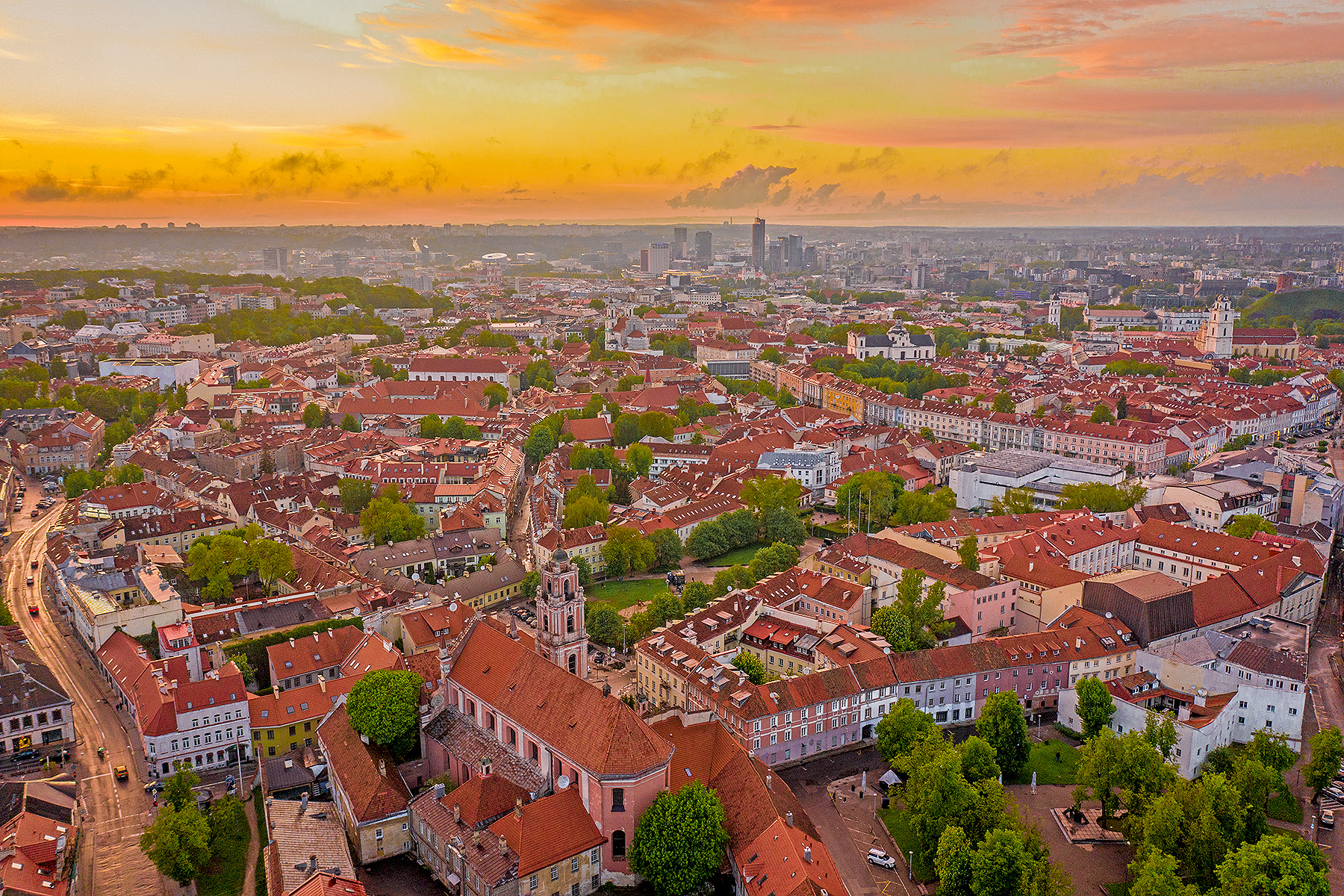
I recently visited Vilnius, and the contrast between its Old Town and Tallinn’s is quite jarring. The streets are busy with tourists and with the sound of money changing hands. The restoration – in fact, the rebuilding – of the Castle of Gediminas has brought more people into the centre, and the streets running through the old ghetto up to the City Hall are busy.
Yet, for once, Tallinn’s problem does not seem to lie with state investment. Tallinn has dozens of state-funded museums, and the restorations of Niguliste Church and the Fat Margaret great sea gate are excellent, even award-winning.
The prolonged restoration of the Linnateater on Lai Street has created an extensive arts hub. Yet where is the cluster of small restaurants or bars nearby? Lai Street remains a blank and rather forbidding streetscape, blocked by parked cars.
The landlord problem
The problem seems to lie in the private sector. A key issue appears to be the way landlords, both municipal and private, have treated their business tenants. Leases are very expensive, and rents are often changed with little notice.
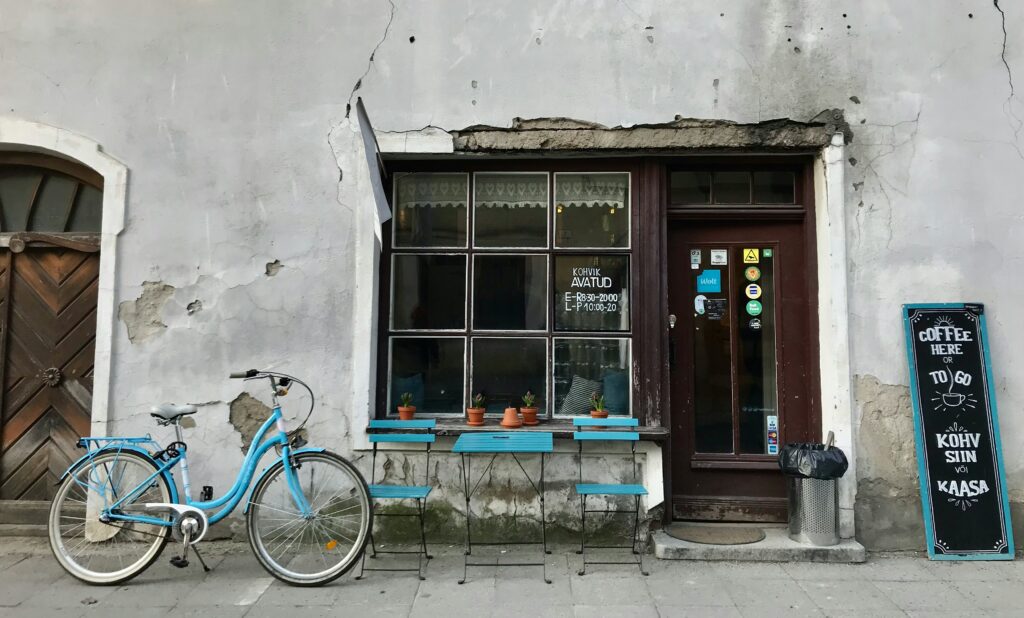
Tallinn’s tourism businesses face very high costs, which they have to pass on: a cup of coffee is more likely to cost four euros than two. Nor is there much incentive to do more than take as much profit as possible. The time horizon is short-term and, with a few honourable exceptions – often family-owned – the customer experience is poor service, generic food and sky-high prices.
Rumours persist that several foreign-owned businesses are mere money-laundering fronts for organised crime, while other businesses in the Old Town complain of aggressive and predatory competition.
As the streets refill with visitors from cruise ships, navigating the charming lanes and narrow streets becomes a purgatory rather than a pleasure; these visitors cost the city more than they leave behind. Yet even in the evening, when the cruise-ship passengers depart, there is little to bring locals to the Old Town.
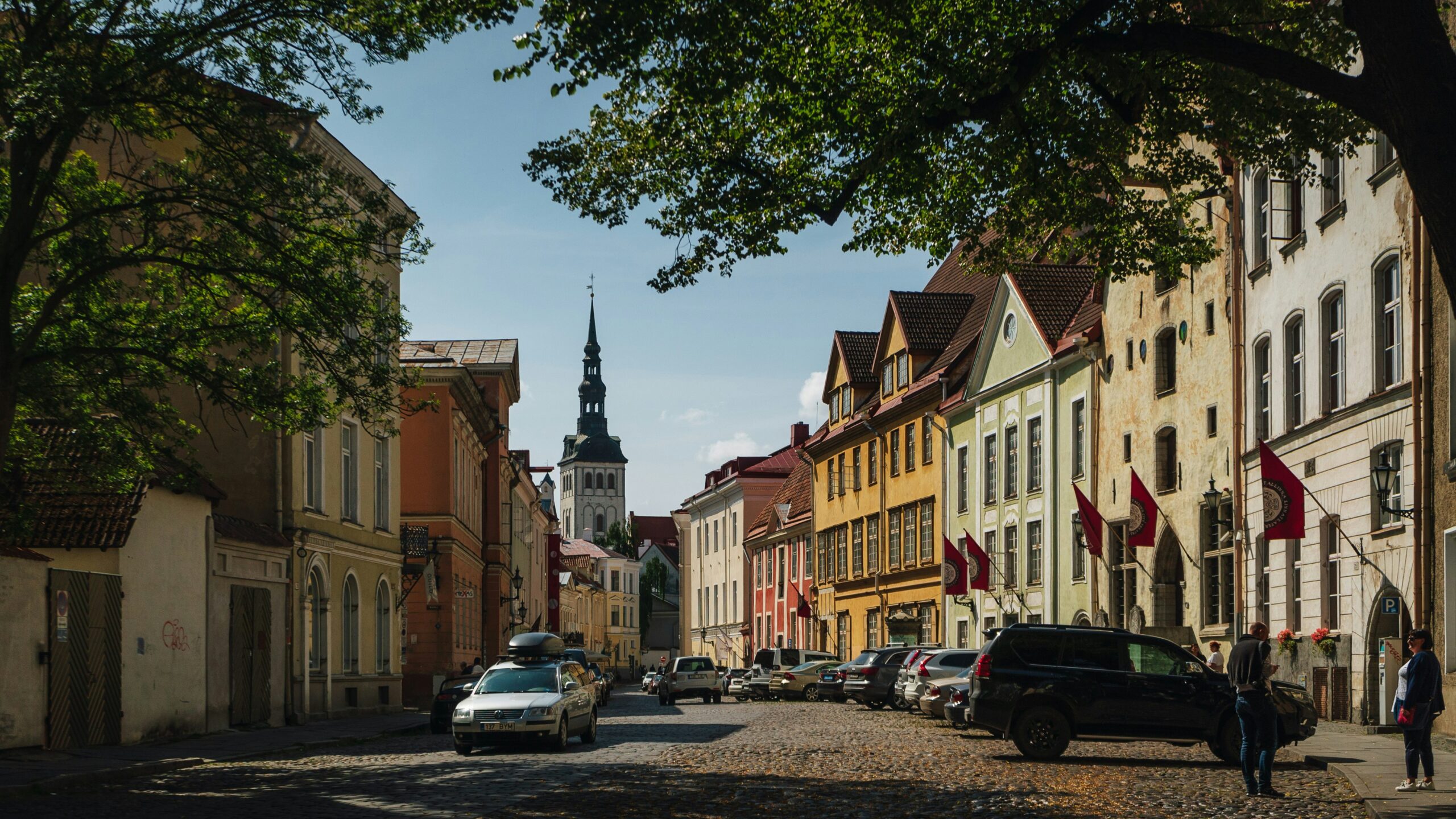
It seems clear that if the Old Town is to return as an attractive place to visit and spend time, for tourists and locals alike, then something must change. In part, the planned reconstruction of Pikk Street may help this process. Reconfiguring the utilities and repaving the street to make it fully pedestrianised – as was done with Viru Street some years ago – is clearly overdue.
The Old Town needs a purpose
However, the City of Tallinn is generally seen as a poor landlord to private businesses, and using municipal buildings solely for public purposes is old-fashioned thinking.
We do not need any more museums than we already have, and city-run venues are empty and lifeless when they are not being used. The long-lost Café D’Angleterre brought far more people and business to the Old Town than anything that has occupied the same building on Raekoja plats since.
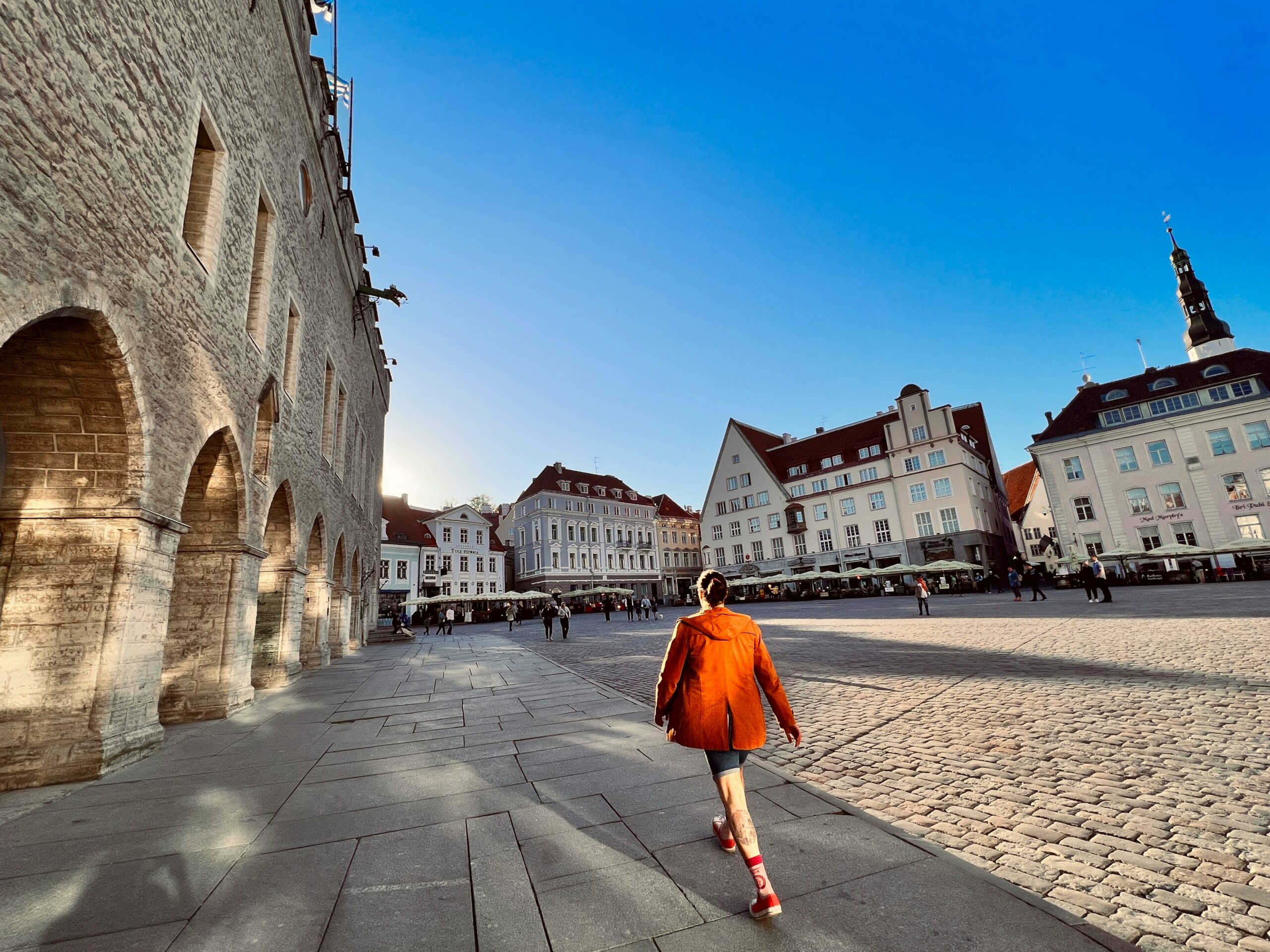
The point is that the Old Town needs a purpose, and successive municipal governments have failed to recognise this. In Riga, there are folk bars showcasing the best Latvian performers, and Ala Pagrabs is a Latvian bar that attracts locals and tourists night after night. Where is the Estonian equivalent? There are plenty of gifted folk musicians looking for a showcase, yet the Old Town offers little that is truly Estonian.
As for quality, the country’s Michelin-starred restaurants are not in the Old Town. Despite the extraordinarily expensive restoration of the buildings on Dunkri and Rataskaevu streets to create the Burman Hotel and its associated businesses, activity in this project seems well below what was expected. The fact is that Tallinn has long needed a five-star hotel, but this small boutique hotel does not seem to provide the answer.
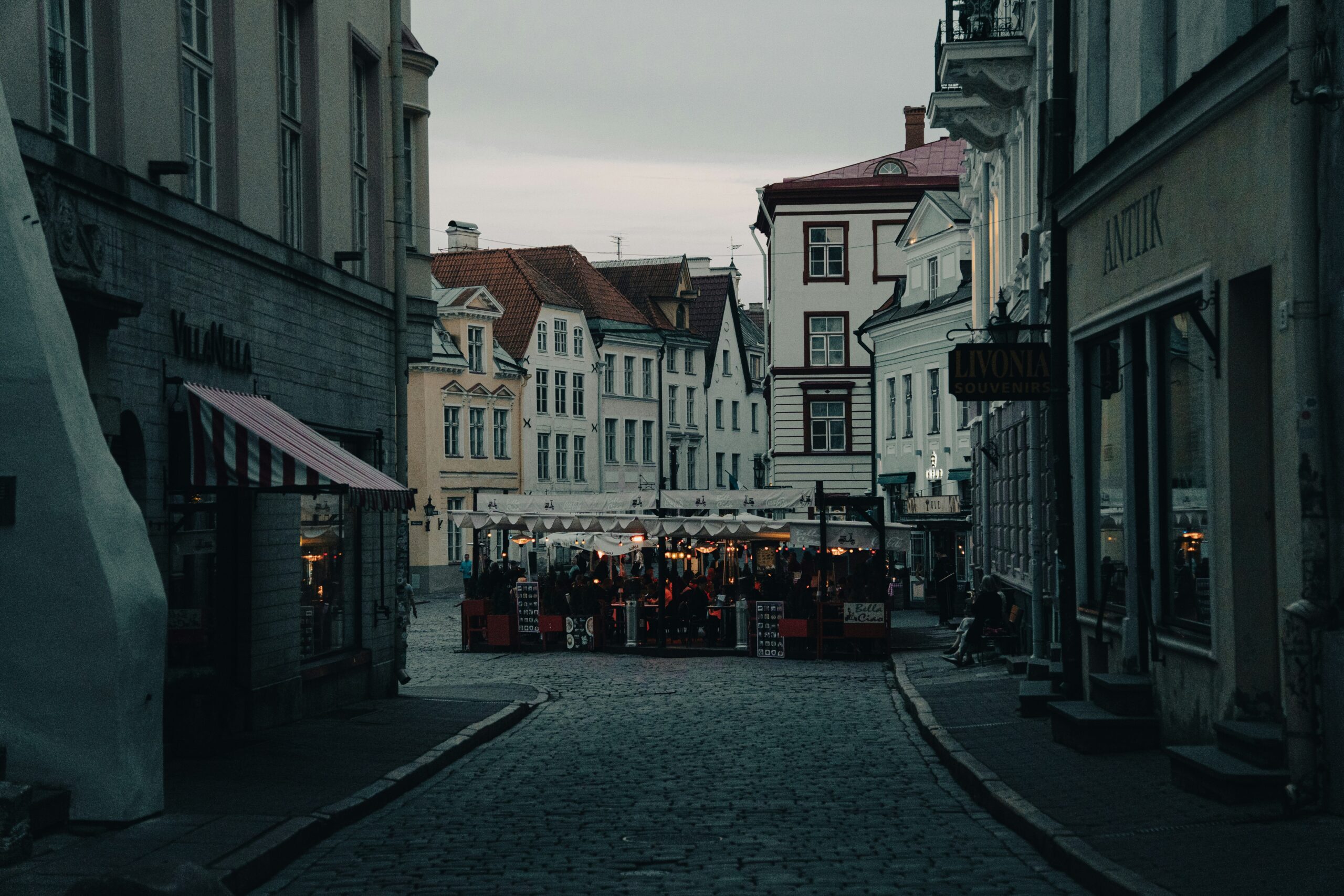
The Viru Hotel, on the fringes of the Old Town, is not the kind of destination hotel that its location and size might suggest. This reflects another core problem: the best hotels are not premium chains such as Four Seasons, W, Fairmont, Mandarin Oriental or Sheraton, but lower-premium brands such as Radisson, Swissôtel and Mövenpick – solid, but not spectacular.
Tallinn must raise its ambition
As spring comes to Tallinn, I pull my collar up against the surprisingly chill wind. Tallinn needs more ambition for the Old Town: a vision that brings in locals and tourists alike.
It needs to offer the private sector greater predictability and stop treating the place as a golden goose whose eggs should simply be plundered. Greater transparency in the ownership and control of buildings would help, as would at least some investment to lift the quality of the streetscape and the businesses within it.
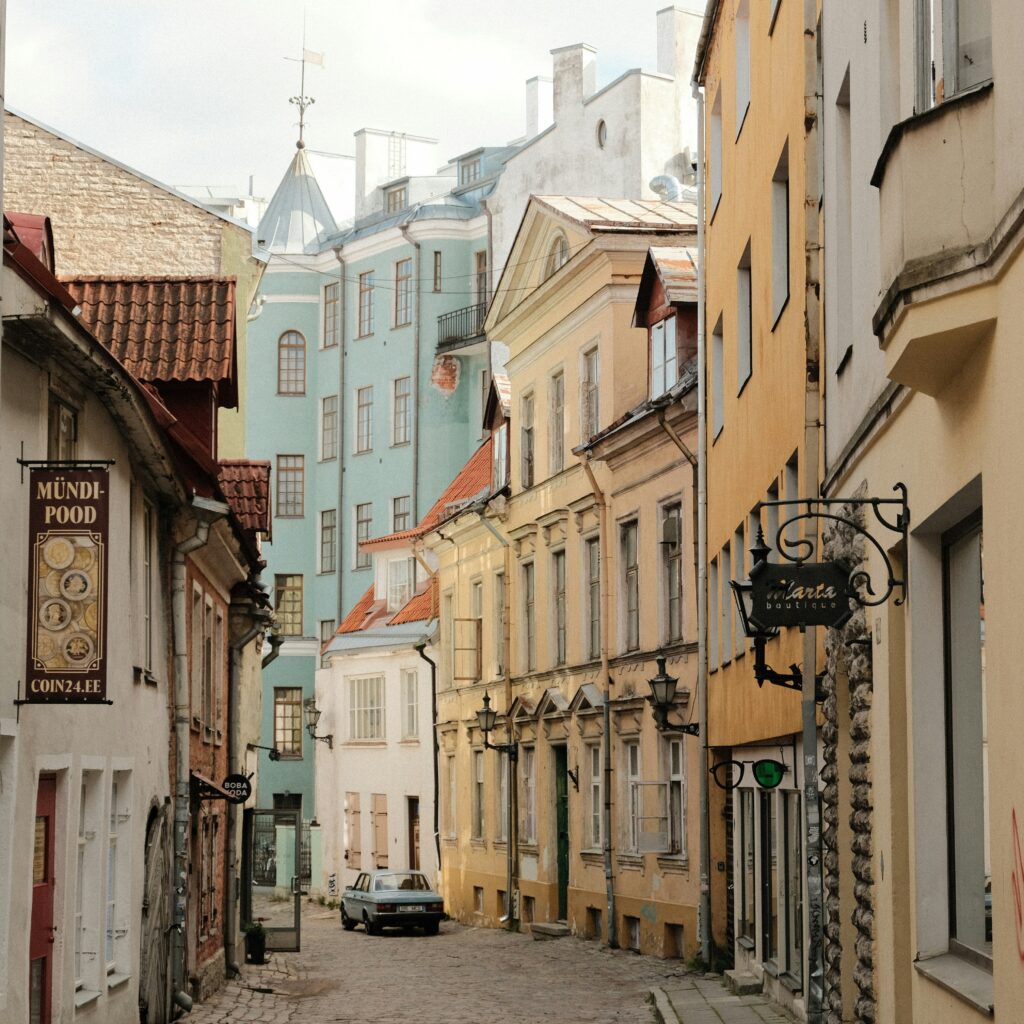
It is not too late. But Vilnius, as with so many other things in Lithuania, has overtaken Tallinn. Estonians will have to get used to being second best unless they can create imaginative and attractive solutions for the World Heritage asset that is Tallinn’s Old Town.
The opinions in this article are those of the author.


Agree 100%