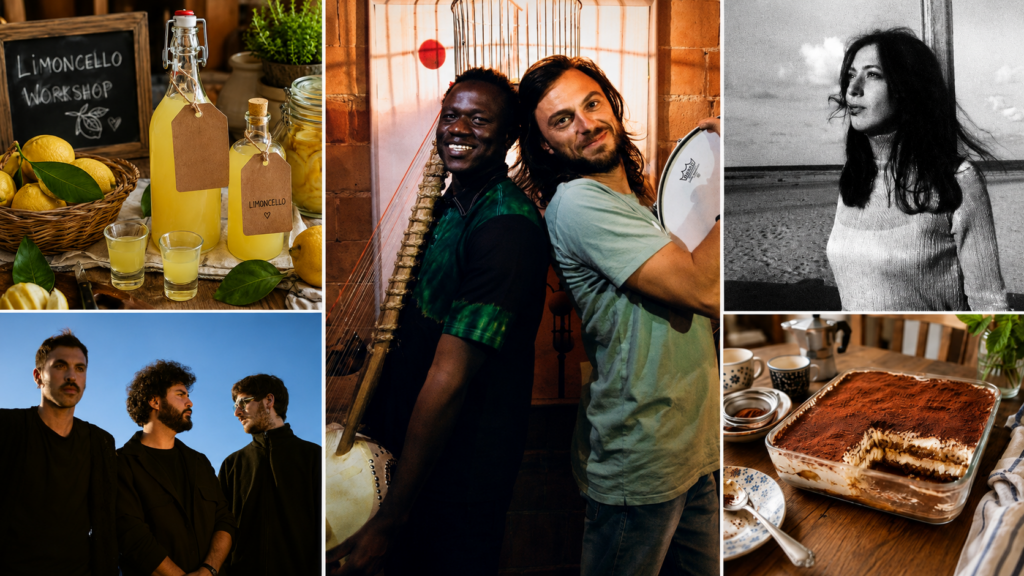
From family tiramisu recipes and homemade limoncello to Sicilian poetry and electro-tribal dance music, the inaugural Italy Unexpected festival sets out to look beyond the country’s familiar postcard image.
Italy may be one of Estonians’ favourite holiday destinations, but the country is often reduced to a well-worn collection of ancient ruins, Renaissance art, Vespas and perfect plates of pasta. A new cultural festival in Tallinn hopes to venture beyond the clichés.
Taking place at Paavli Kultuurivabrik on 15 August, Italy Unexpected brings together Italian musicians, cooks, dancers and members of the local community for an evening of workshops, live performances and, naturally, plenty of food.
The festival was created by Nico Fibbioni, an Italian with close ties to Estonia, in collaboration with members of the Italian community in the country. Rather than staging another Italian-themed party, the organisers want to introduce visitors to traditions and sounds that rarely make it into the tourist brochures.
“We want to create a place where people can meet and spend time together, because for us, a strong sense of community is just as important as music, dance or food,” Fibbioni says.
Tiramisu, limoncello and inherited kitchen wisdom
The programme begins in that most sacred of Italian institutions: the kitchen.
Pietro Totaro will lead a tiramisu workshop based on a recipe belonging to his sister Federica. It was the recipe he followed when making his first tiramisu and, despite having sampled hundreds of versions since, it remains his favourite.
There may be countless interpretations of the dessert, Totaro says, but that does not mean anything goes. As with parmigiana, ragù and lasagne, families may disagree fiercely over the details while still recognising that certain rules must be observed.
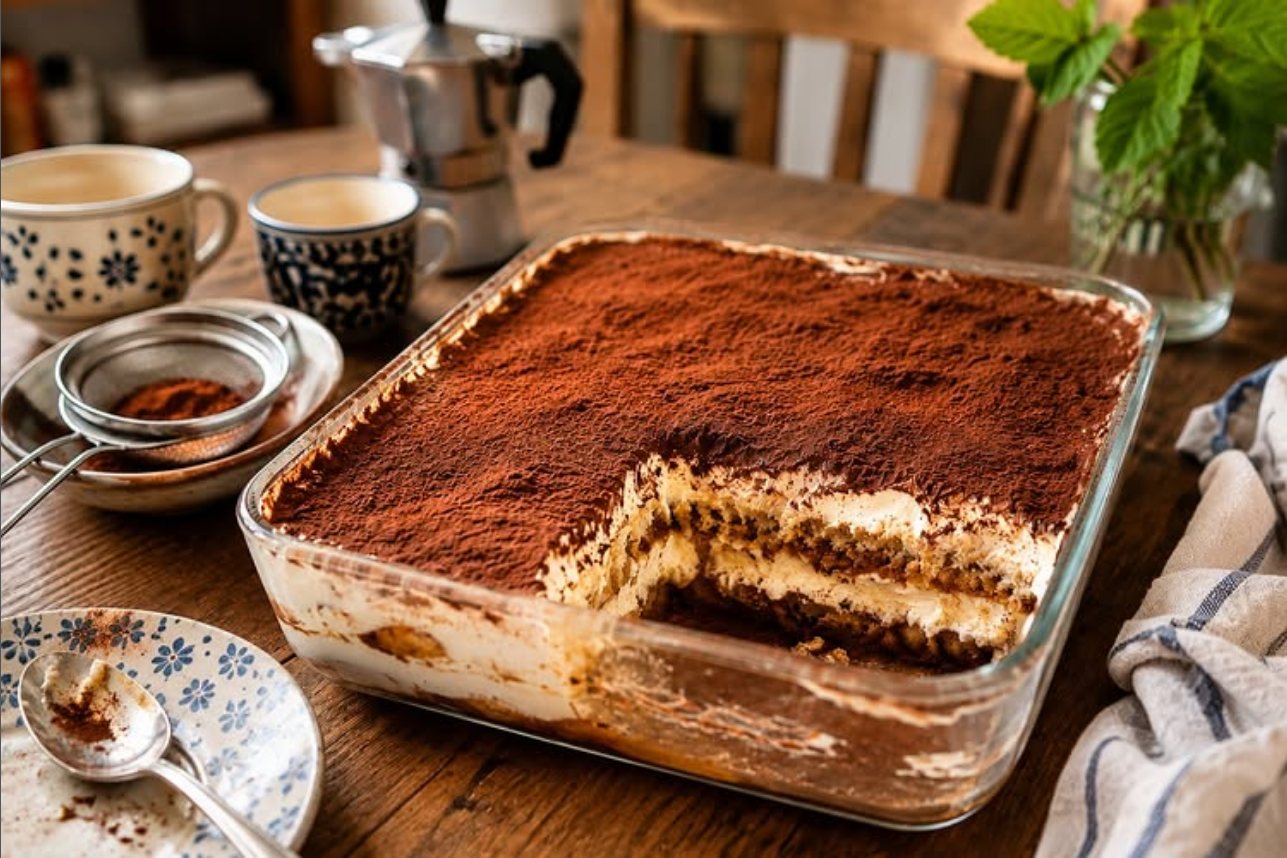
Totaro will also lead a limoncello workshop, explaining how the intensely lemony digestif is made and what distinguishes a properly balanced limoncello from an exceedingly sweet lemon liqueur.
Those inclined to work off the tiramisu can join an Italian dance workshop led by Mattia Dossetto, an Italian living in Estonia who has participated in Occitan festivals and cultural events since childhood. Designed for complete beginners as well as more experienced dancers, the workshop will introduce the history and cultural background of the dances alongside the steps themselves.
From Sicilian poetry to electro-tribal rhythms
The live music programme offers a similarly expansive view of contemporary Italian culture, moving between Southern Italian traditions, West African influences, Sicilian poetry and the propulsive rhythms of the Mediterranean club scene.
The Kanuteh-Zanotti Duo brings together Mandeng musical heritage and contemporary global sounds. Drawing on influences ranging from Fela Kuti to the wider African diaspora, the pair move between intimate storytelling and dancefloor-ready grooves.
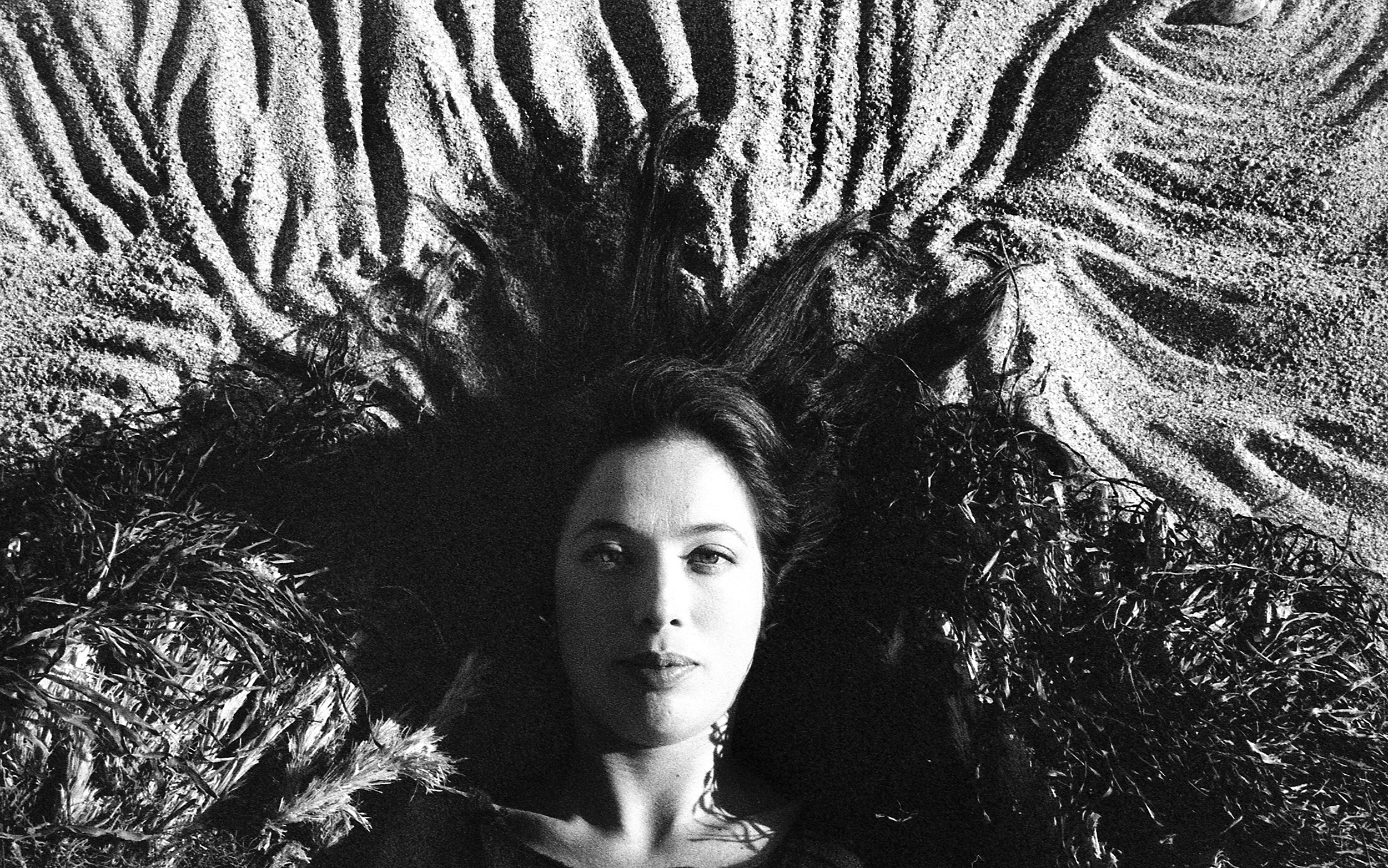
Sicilian singer Luisa Briguglio presents a more personal and atmospheric vision of the island. Blending Sicilian dialect and poetry with modern soundscapes, her music explores exile, migration, memory and identity, revealing a Sicily that is urban, mystical, tender and restless.
Mundial, meanwhile, arrives from south-eastern Italy with an explosive fusion of ancient rhythms and electronic club music. Its electro-tribal sound turns folk tradition into something hypnotic, physical and thoroughly contemporary.
Italy Unexpected takes place at Paavli Kultuurivabrik in Tallinn on 15 August 2026. The festival is supported by the City of Tallinn.