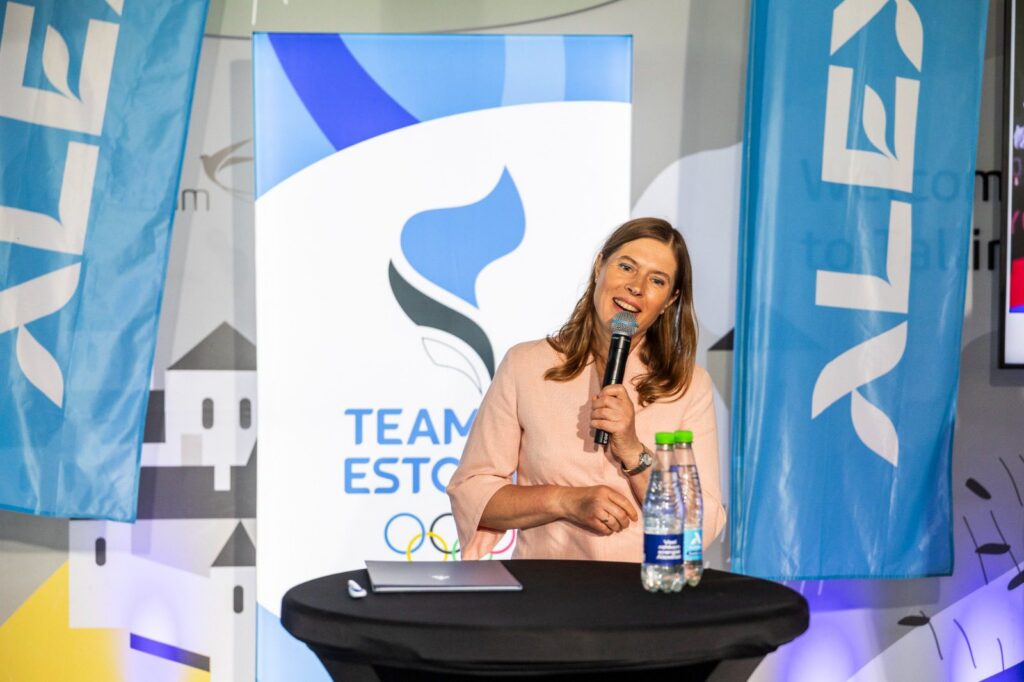
Kersti Kaljulaid, Estonia’s former head of state, has been removed as president of the Estonian Olympic Committee, or EOK, after a bruising vote of no confidence that exposed deep divisions inside the country’s sporting establishment.
At an extraordinary general assembly held on Monday at the A. Le Coq Arena in Tallinn, 61 members of the committee voted to remove the former Estonian president from office. Fifty members voted against the motion and three ballots were declared invalid. Of the EOK’s 123 members, 114 were present – meaning that 58 votes were required for the motion to pass.
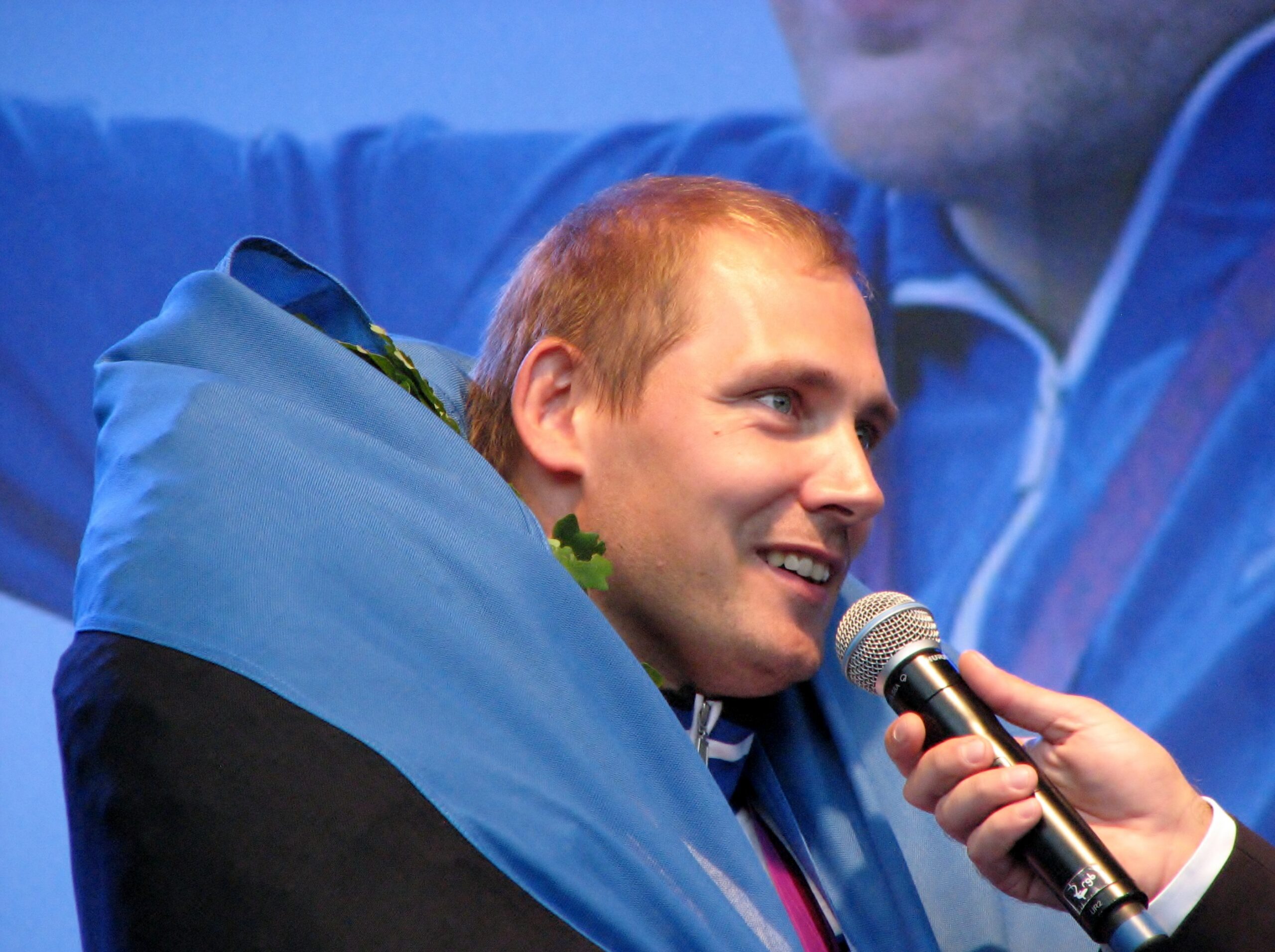
The result brings an abrupt end to Kaljulaid’s short tenure at the helm of the committee, to which she was elected in autumn 2024. Under the organisation’s statutes, vice-president Gerd Kanter, the Olympic discus champion, will serve as acting head of the EOK until new elections are held on 18 June.
A revolt inside Estonian sport
The revolt against Kaljulaid had been building for weeks, fuelled by complaints over the committee’s finances, the definition of coaching qualifications and her leadership style. Heino Märks, who initiated the no-confidence motion, submitted the 13 signatures required to convene the extraordinary meeting in early April. He later said he hoped to win the backing of 70 members.
In the end, the margin was narrower but sufficient. The vote followed an increasingly public dispute that had drawn in Olympic champions, federation heads and former EOK leaders, turning what might once have been an internal governance row into a wider argument about the direction, values and identity of Estonian sport.
Speaking after the vote, Kaljulaid said she had been prepared for the outcome but framed the decision as a clash of values.
“The discussion made it very clear that we are dealing here with a question of values,” she said. “Today, different values prevail in the EOK than my values.”
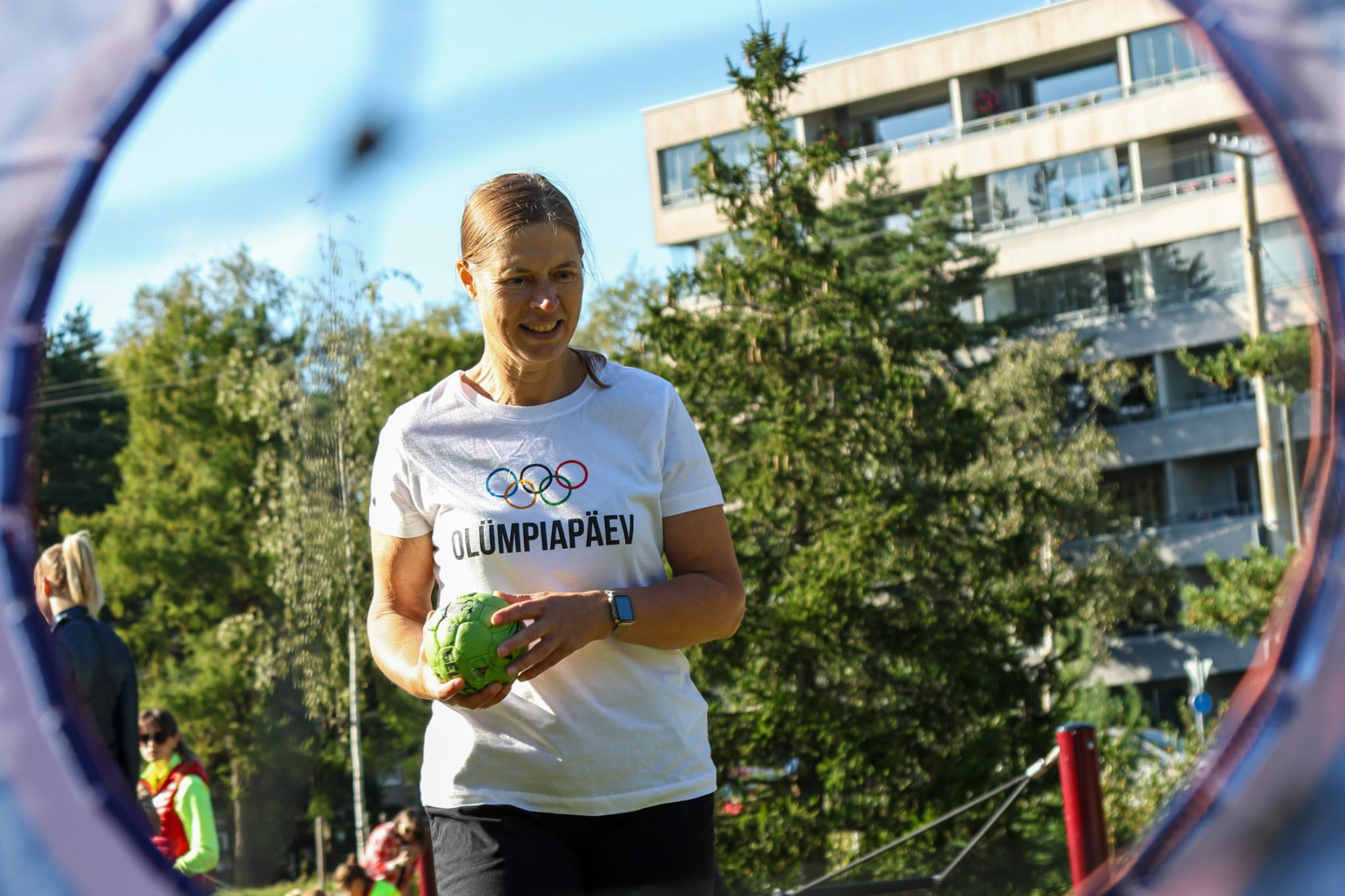
Kaljulaid suggested that the vote represented a rejection of her attempt to make the organisation more transparent. “I have just been shown the door, but once you have made your budget transparent, it is actually very difficult to go back to cronyism,” she said.
She insisted she had done nothing wrong. “I arrived here in very good spirits, because I know I have done nothing wrong. We have done everything with passion and in good faith. If that does not suit, then in a democratic organisation it is normal that you move on.”
Kaljulaid defends her record
Kaljulaid, who served as Estonia’s head of state from 2016 to 2021, said she had inherited weak financial management at the EOK and had focused on bringing order to the organisation. She acknowledged, however, that she had been “more of a manager than a leader”.
“Because we had no chief financial officer and financial management was very weak, it was very difficult to understand how our money had been used,” she said. “I have been more of a manager and less of a leader. That was probably also fatal.”
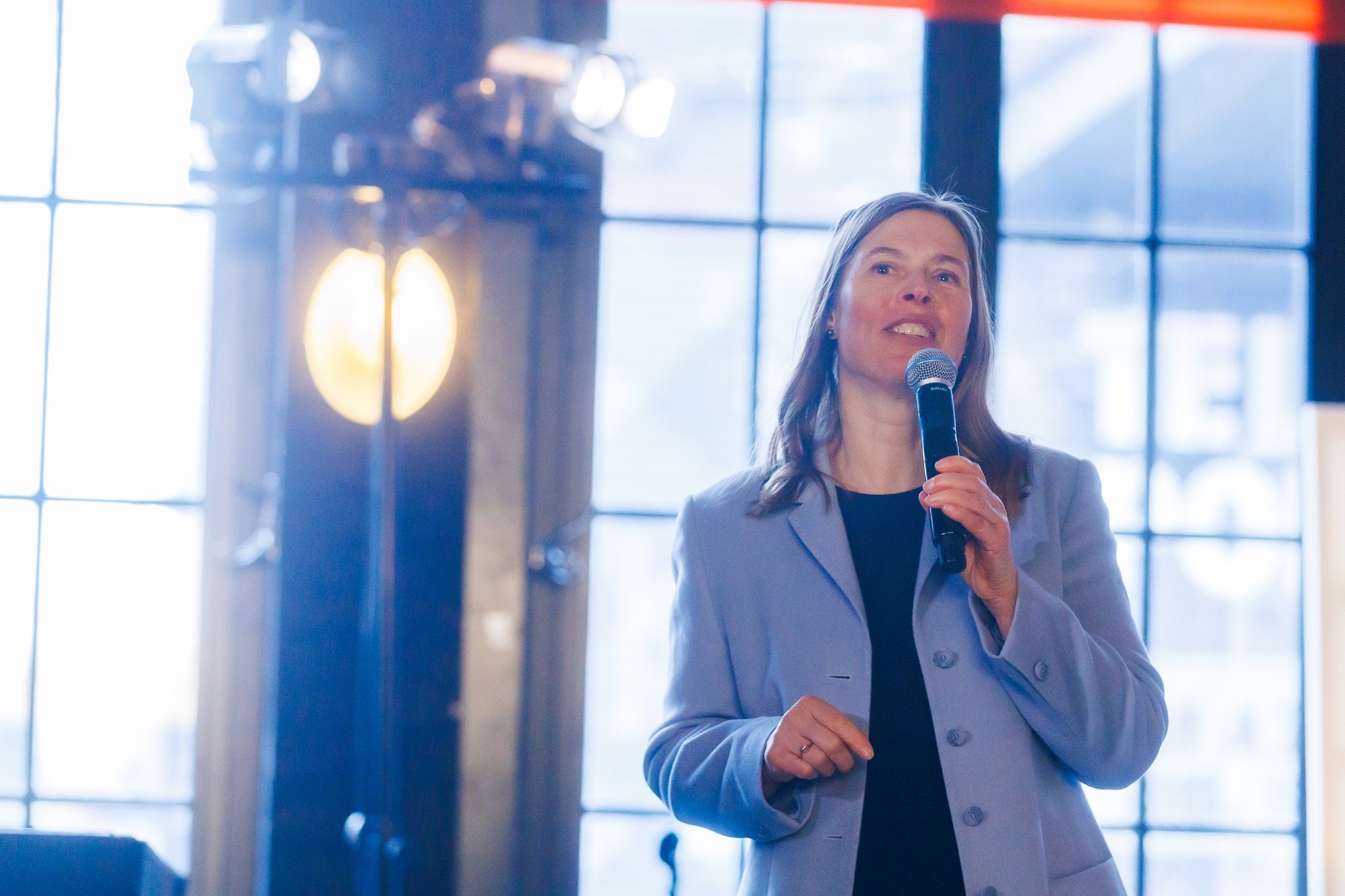
She pointed to reforms including clearer management accounting, changes to coach education, a reduction in the number of vice-presidents from four to two and the election of biathlete Johanna Talihärm to the International Olympic Committee Athletes’ Commission.
Her greatest concern, she added, was now for the EOK staff. “I am most worried about my staff – about the people at the EOK who have been making these changes and thinking along with us. Today, they are confused about what happens next.”
The Sildaru dispute
The row over Kaljulaid’s leadership was also entangled with the fraught legacy of the Sildaru family dispute. Henry Sildaru’s medal at the Milan Cortina Winter Olympics put renewed focus on his father and coach, Tõnis Sildaru, who does not hold an official coaching qualification. Yet this was never merely a bureaucratic argument about certificates.
Tõnis Sildaru’s earlier public rupture with his daughter, Kelly Sildaru, Estonia’s best-known freestyle skier, had turned the question of his role into one of the most emotionally charged issues in Estonian sport. Kaljulaid’s critics accused the EOK of taking sides in that dispute; her defenders saw the matter as a test of athlete welfare, coaching standards and institutional responsibility.
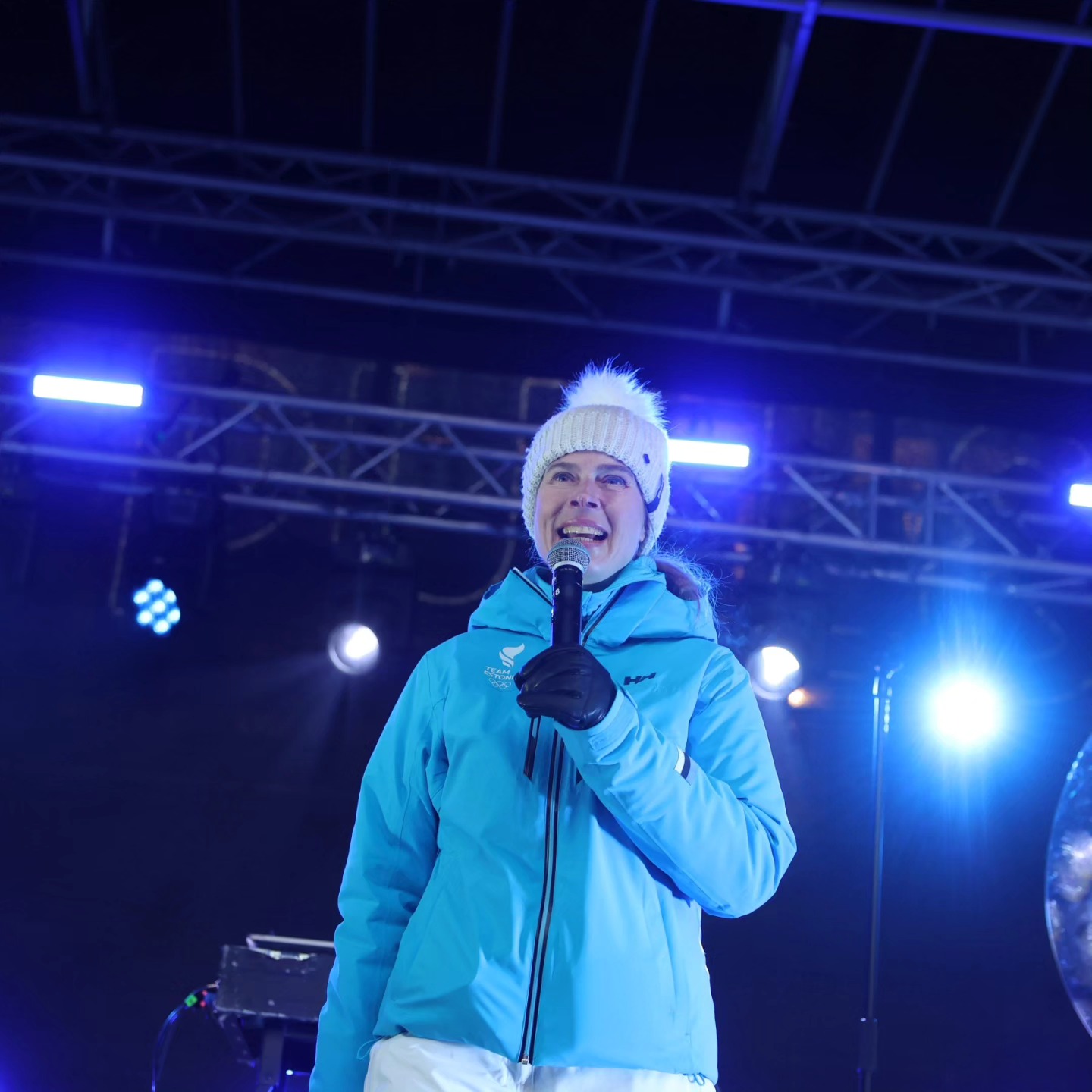
Other critics argued that the committee had become divided and had lost credibility. Sven Nuutmann, president of the Estonian Yachting Union and a supporter of the no-confidence motion, said before the vote that the atmosphere had become untenable.
“The sporting community has never been so divided before,” he said. “The main problem is that credibility has disappeared – whether people are genuinely working in the interests of sport.”
Others saw the rebellion as ill-defined and damaging. Madis Kallas, president of the Estonian Athletics Association, opposed the motion, saying he had no complaints against Kaljulaid, Kanter or the EOK secretary general, Kristo Tohver.
“What do they want to change if the vote of no confidence passes?” Kallas asked. “I think that in this case it would do Estonian sport more harm than good.”
A new election in June
Erki Nool, the Olympic decathlon champion and a member of the EOK executive committee, was among those backing the motion. After the vote, he said the day was painful but necessary.
“This is not a good day for Estonian sport, but I think it was a very necessary day,” Nool said. “The sporting community came together, discussed the situation and showed with its votes whether we should continue as we are or find a new path. This is an expression of democracy.”
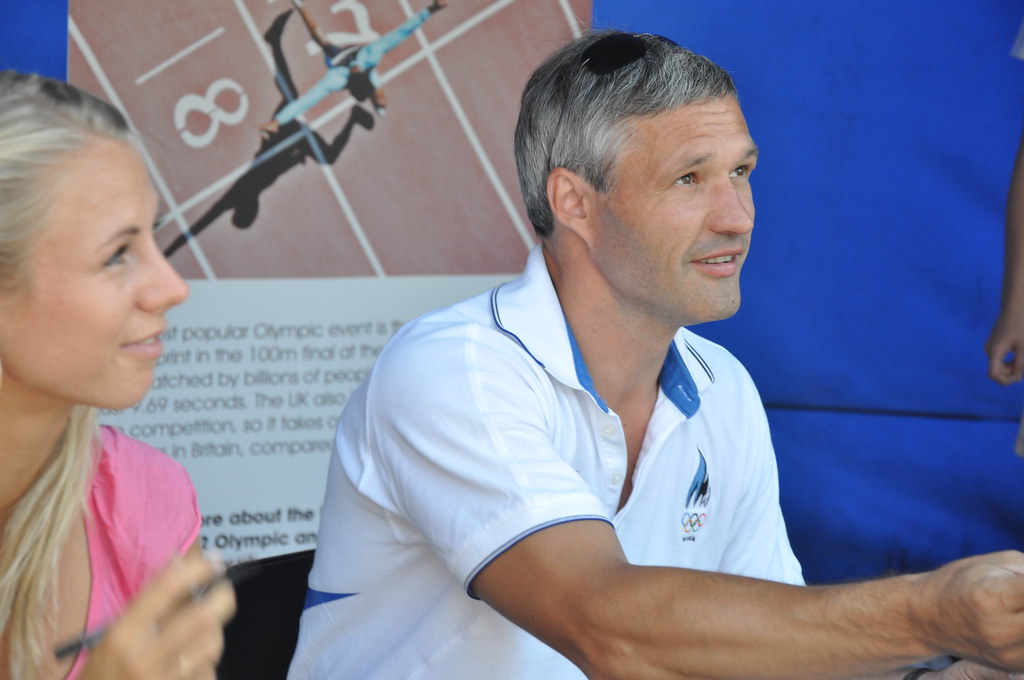
Nool said the executive committee would meet on 12 May and that a general assembly would be convened by 18 June to recall the current executive committee and elect a new president, vice-presidents and executive committee. Asked whether he would run for the presidency himself or would focus on finding candidates, he said his priority was to help identify possible contenders.
“The new candidate must come with a very serious vision of how Estonian sport should move forward,” he said.
Kanter, who now takes over on an interim basis, admitted disappointment at the result. “It was known that the vote would be close,” he said. “I had hoped the balance would be similar to what it was at the time of the election, but it went the other way.”
The wider political echo
The row has also spilled beyond sport. Jürgen Ligi, Estonia’s finance minister, offered a characteristically sharp defence of Kaljulaid, arguing that her problem was that she was “too clever” for the role but “not clever enough to hide that fact”.
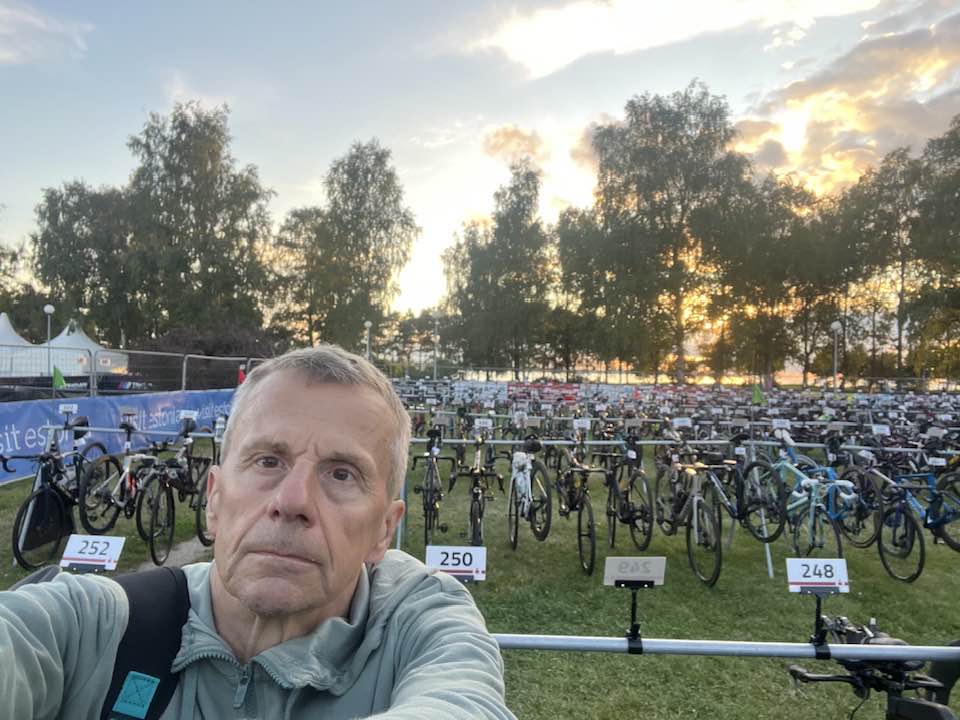
Ligi suggested that the backlash against her reflected not merely administrative frustration but a deeper cultural resistance to her priorities, including her focus on women’s participation in sports leadership and broader questions of rights and governance.
“No, I do not know who will ultimately stand for election in the EOK,” Ligi wrote. “But in leadership, I prefer education and intelligence to popularity, if it is not possible to combine them.”
The EOK now faces a compressed and delicate transition. Its new leadership will inherit not only a governance crisis but a fractured membership, a debate over elite sport and coaching, and an unresolved question at the heart of the dispute: whether Kaljulaid was removed because she failed to unite Estonian sport – or because she tried too hard to change it.