

A generation after launching its digital revolution, Estonia remains a global benchmark for e-government; but as other countries catch up, the question is no longer whether Estonia is digital, but whether it can remain a leader in the field.
For more than two decades, Estonia has been synonymous with digital governance. From online voting to paperless bureaucracy, the state has built a formidable reputation as one of the most technologically advanced societies in the world. Yet in 2026, as digitalisation spreads across Europe and beyond, a new question is emerging: is Estonia still the world’s most digital country?
In many respects, the answer may still be yes. Estonia continues to rank among the world’s leading countries for digital public services. In the United Nations’ 2024 E-Government Survey, Estonia was once again placed among the global leaders in digital governance, alongside Denmark and Singapore. The ranking assesses countries on the basis of online services, telecommunications infrastructure and human capital – areas in which Estonia continues to perform strongly.
A digital frontrunner
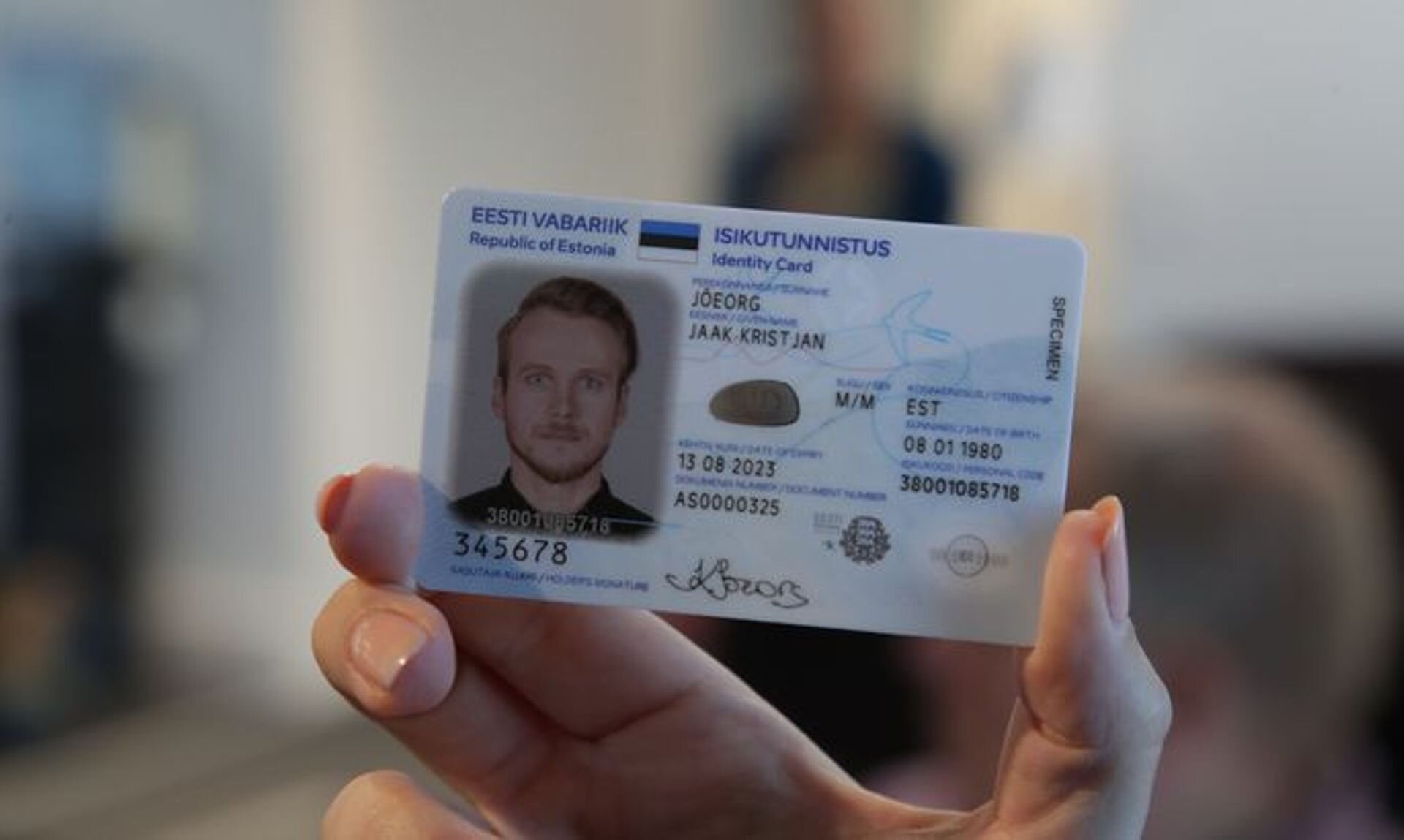
Moreover, the country’s digital infrastructure is deeply woven into everyday life. Around 90% of Estonian citizens possess and use a digital ID, allowing them to access government services, sign legally binding documents online and manage personal data securely.
Digitalisation also extends to other sectors, including healthcare and public administration: today, 99% of prescriptions are issued electronically, while most bureaucratic procedures can be completed online in a matter of minutes.
Perhaps the best-known example is Estonia’s internet voting system, introduced in 2005, just over two decades ago. In the 2023 parliamentary elections, more than half of all voters cast their ballots online for the first time. The milestone underlined the depth of public trust in Estonia’s digital infrastructure – something many countries still struggle to build.
Yet Estonia’s digital story is not confined to government services. The country has also established itself as a testing ground for new technological ideas. Its e-residency programme, launched in 2014, allows entrepreneurs around the world to set up and run EU-based companies remotely.
At the same time, the government is experimenting with artificial intelligence in public services and education. One recent initiative, known as AI Leap, aims to give tens of thousands of students and teachers access to advanced AI tools in the coming years.

Estonia’s digital leadership no longer taken for granted
Still, Estonia’s digital leadership can no longer be taken for granted. Countries such as Denmark, Singapore, South Korea and the United Arab Emirates are investing heavily in digital government and smart infrastructure. In wider rankings of digital competitiveness, Estonia continues to perform strongly, but no longer invariably claims the top spot – a sign of intensifying global competition.
Even at home, challenges persist. Estonia’s digital ecosystem depends on sustained investment in cybersecurity and infrastructure, particularly at a time of heightened geopolitical tension in the region. Some indicators also reveal clear weaknesses. The country’s 5G coverage, for instance, remains below the EU average, a reminder that digital leadership requires constant renewal.
There are deeper questions, too, about the next phase of Estonia’s digital state. The early years of e-government were marked by innovation and experimentation. Today, the task is more exacting: to maintain security, safeguard privacy and integrate emerging technologies such as artificial intelligence without eroding public trust.

In many respects, Estonia has already achieved what it set out to do in the 1990s: build a state that functions seamlessly online. Almost every interaction with government can now be conducted digitally, saving time and cutting bureaucracy for citizens and businesses alike.
The question for the next decade is not whether Estonia pioneered the digital state. It did. The question is whether it can go on reinventing it as technology advances and public expectations shift.
For a nation of just over 1.3 million people, that may well prove to be the next chapter in its most celebrated success story.

