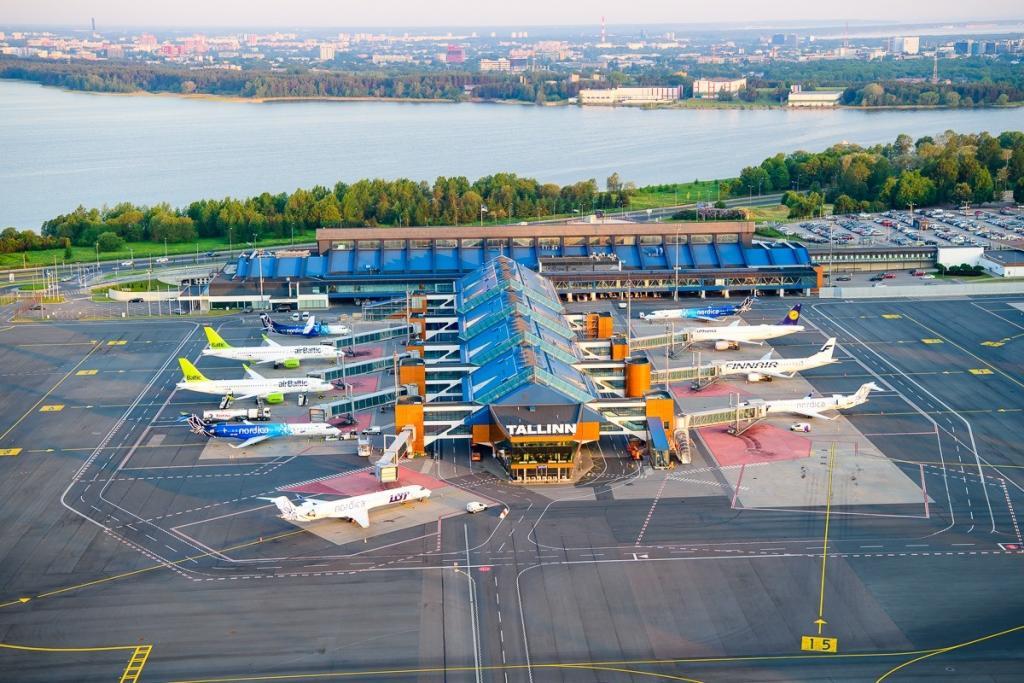
Tallinn Airport, long cherished as the world’s cosiest gateway, is preparing for a dramatic €75 million transformation; as traveller numbers climb towards five million a year, the airport is reshaping itself for the decade ahead – blending natural materials, Nordic calm and cutting-edge engineering to create a terminal that mirrors Estonia’s confidence.
Tallinn Airport is preparing to embark on the most ambitious redevelopment in its history, unveiling plans for a major expansion of its passenger terminal as traveller numbers continue their steep rise. By 2030, the airport expects to handle nearly five million passengers a year – far above the 2.8 million capacity for which the current terminal was originally designed.
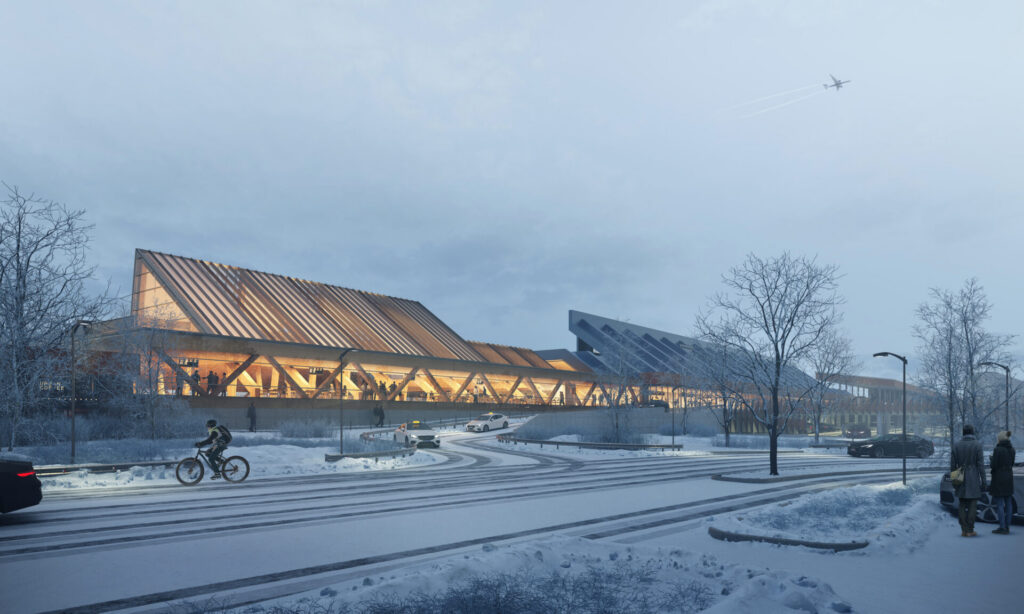
The project, valued at an estimated €75 million, will unfold in five stages over the next six years, allowing construction to proceed without interrupting airport operations. The first phase, which includes the renovation of the check-in hall and the introduction of next-generation self-service facilities, is already under way.
Efficiency and warmth
Riivo Tuvike, the chairman of the management board, said the expansion was essential to preserve Tallinn’s hallmark combination of efficiency and warmth. “Tallinn Airport must evolve alongside Estonia: fast, convenient and innovative, while remaining welcoming and human,” he said, adding that passengers have recently faced longer waits for baggage and congestion at border control – pressures the upgrade is designed to relieve.
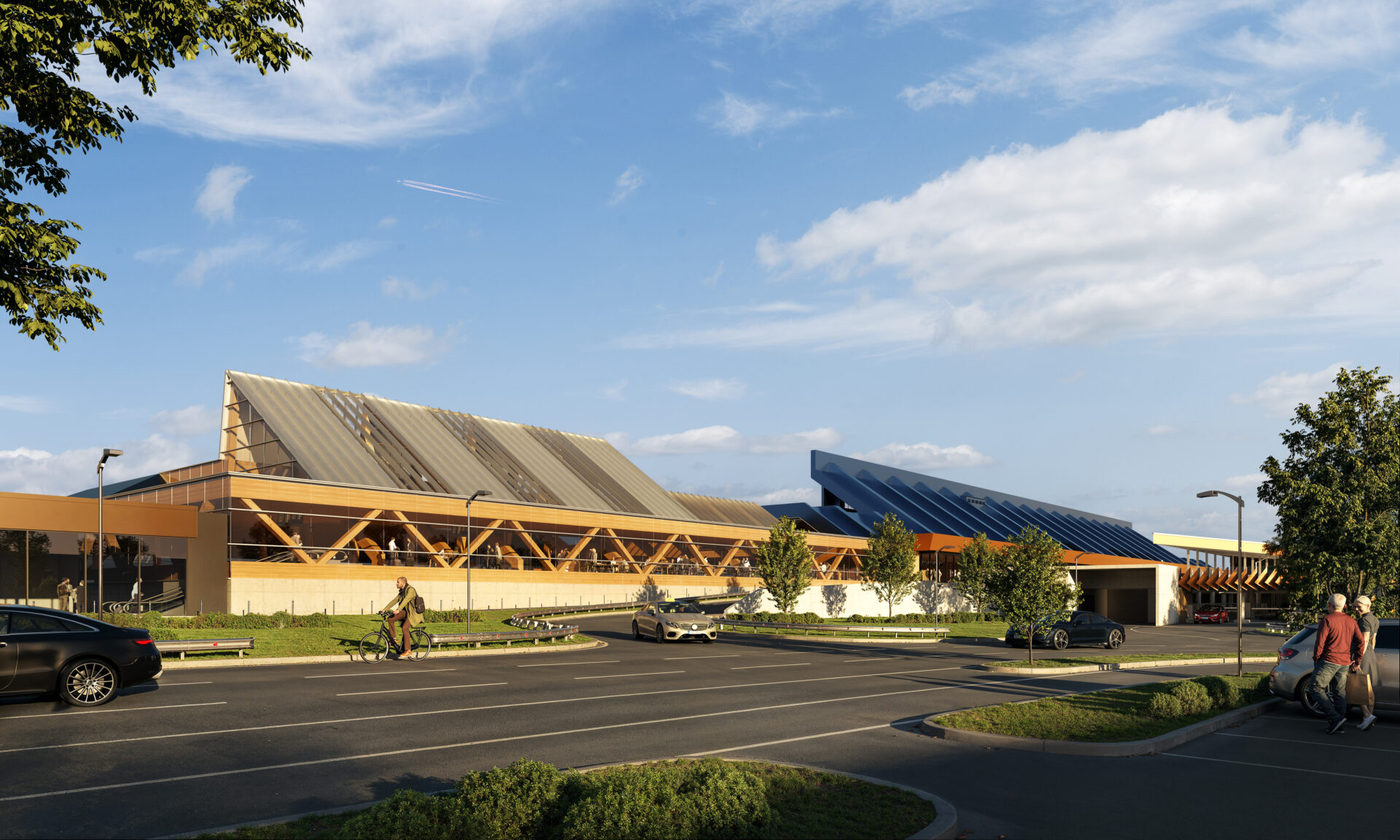

The new terminal spaces have been conceived with long-term growth in mind. Architect Jaan Kuusemets of the studio Dagopen described the extension as a sensitive continuation of the airport’s existing architectural character.
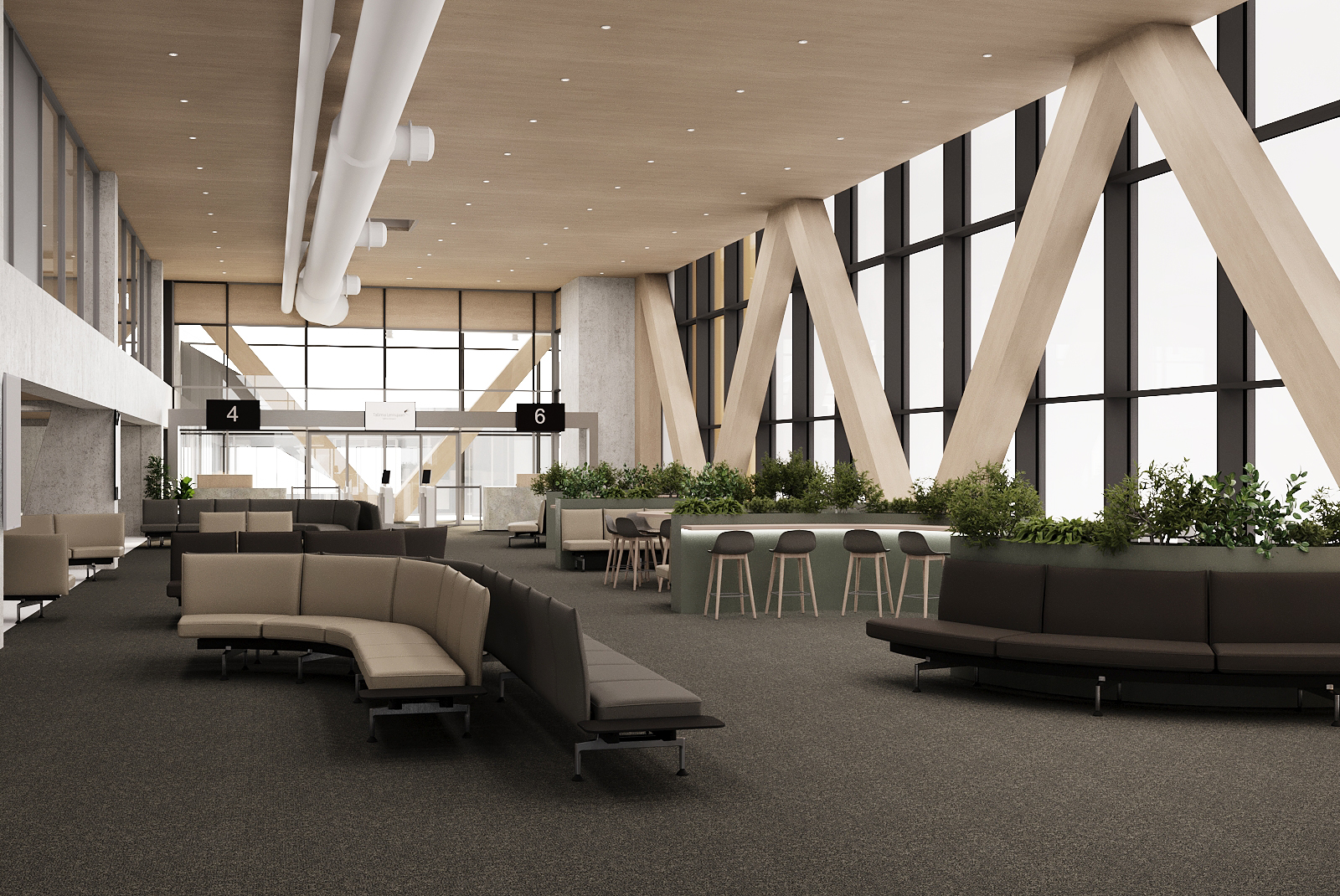
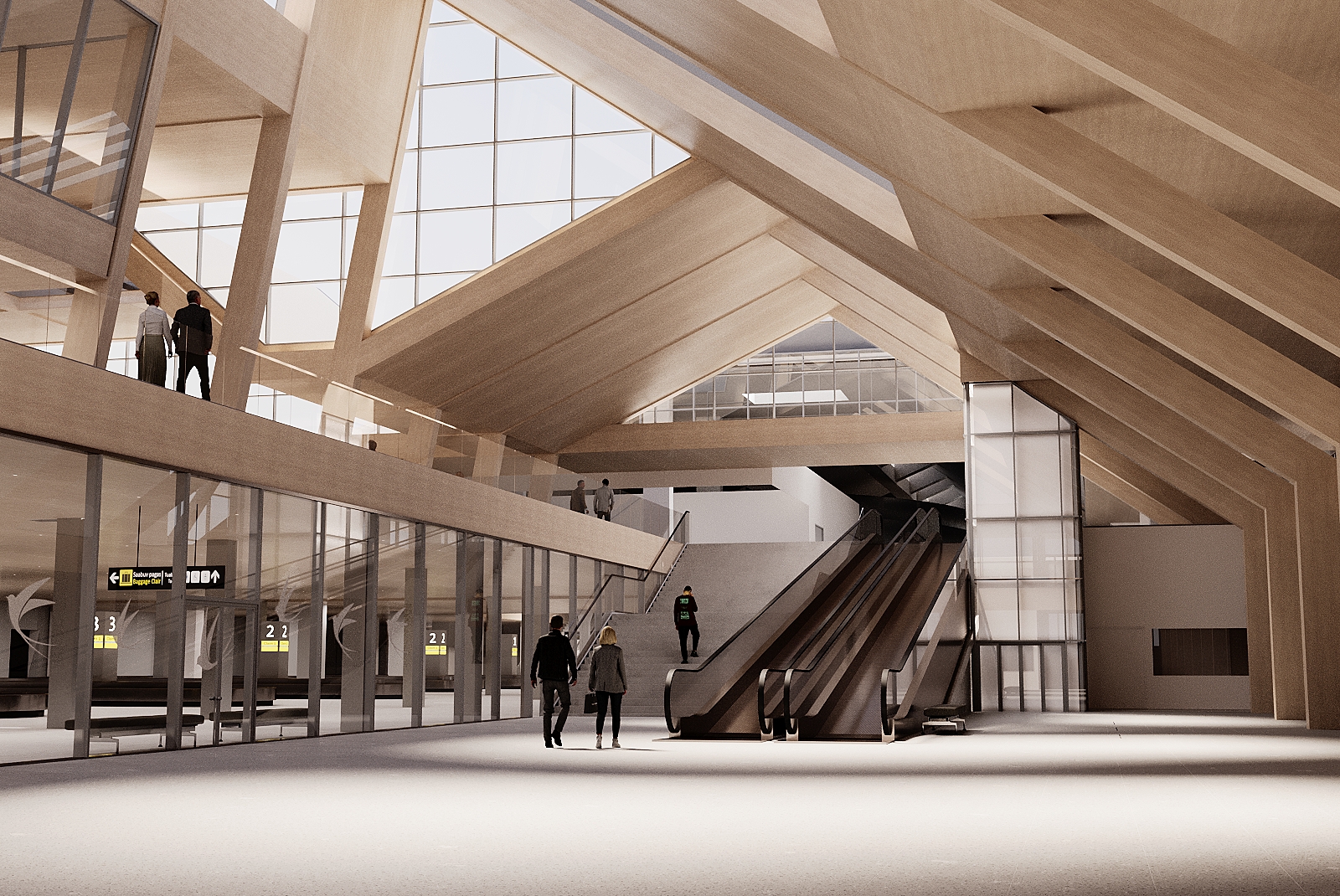
A northern wing and several smaller additions will extend the terminal’s parapet line, ultimately forming an elegant ribbon façade that unifies the structure. Abundant natural timber, generous daylight and broad views towards both the airfield and the city are intended to define the atmosphere of the transformed terminal.
Substantial re-engineering
Behind the calm Nordic aesthetic lies substantial re-engineering. A new arrivals hall, a modern baggage-handling system and two additional gates will be introduced in the second phase. Border control and adjacent commercial areas will follow, before the enlargement of the security screening zone, VIP facilities and retail spaces. In total, the redevelopment will add roughly 16,500 square metres (178,000 square feet) of new space and refurbish more than 18,000 square metres (194,000 square feet) of existing areas.
One of the biggest challenges will be completing the works while the airport remains fully operational – a logistical puzzle Tuvike describes as “demanding but achievable”. Inevitably, he warned, passengers should expect occasional inconvenience, from temporary detours to intermittent queues. “All of it is necessary,” he said, “to offer a significantly more comfortable, contemporary airport experience in the years ahead.”
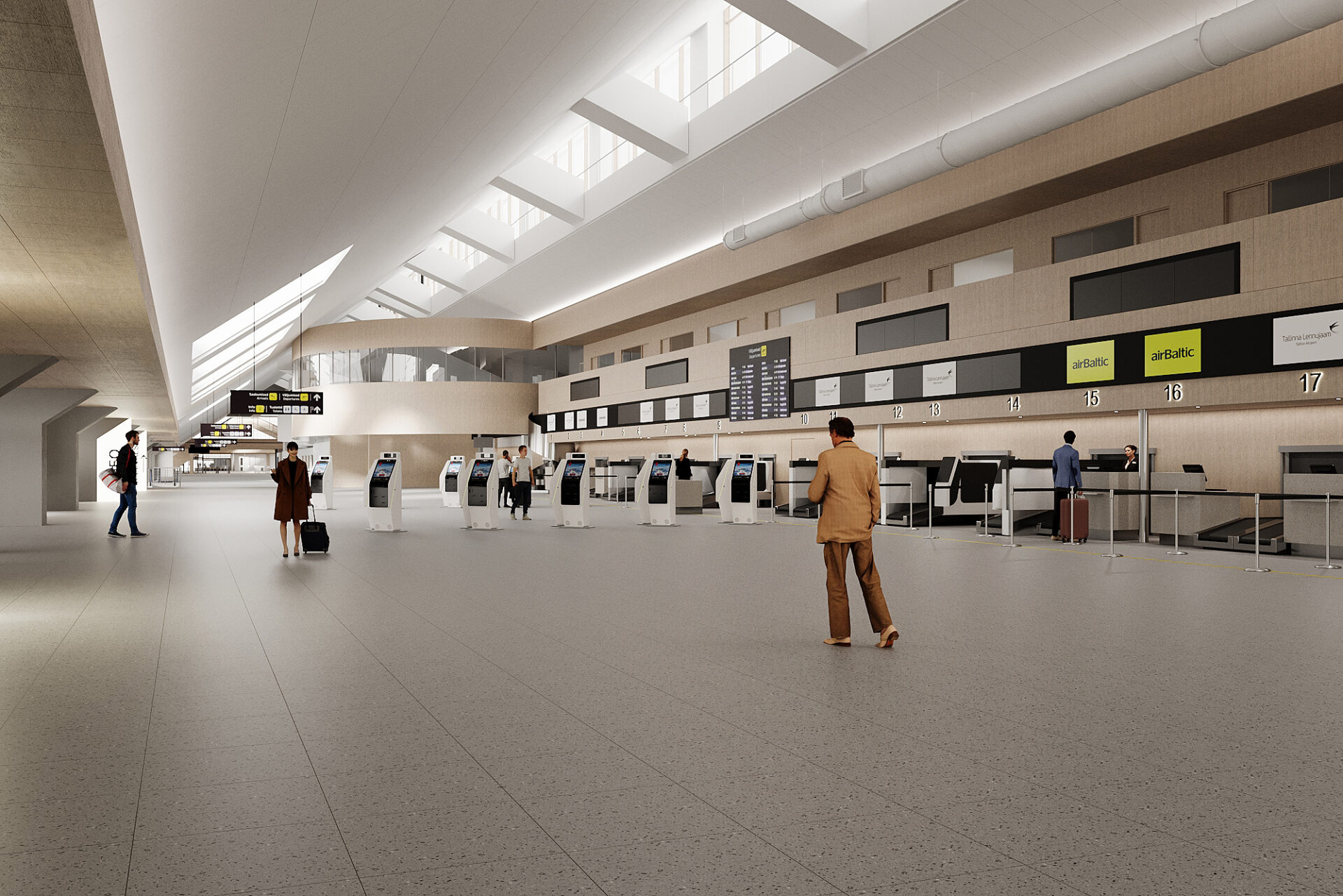
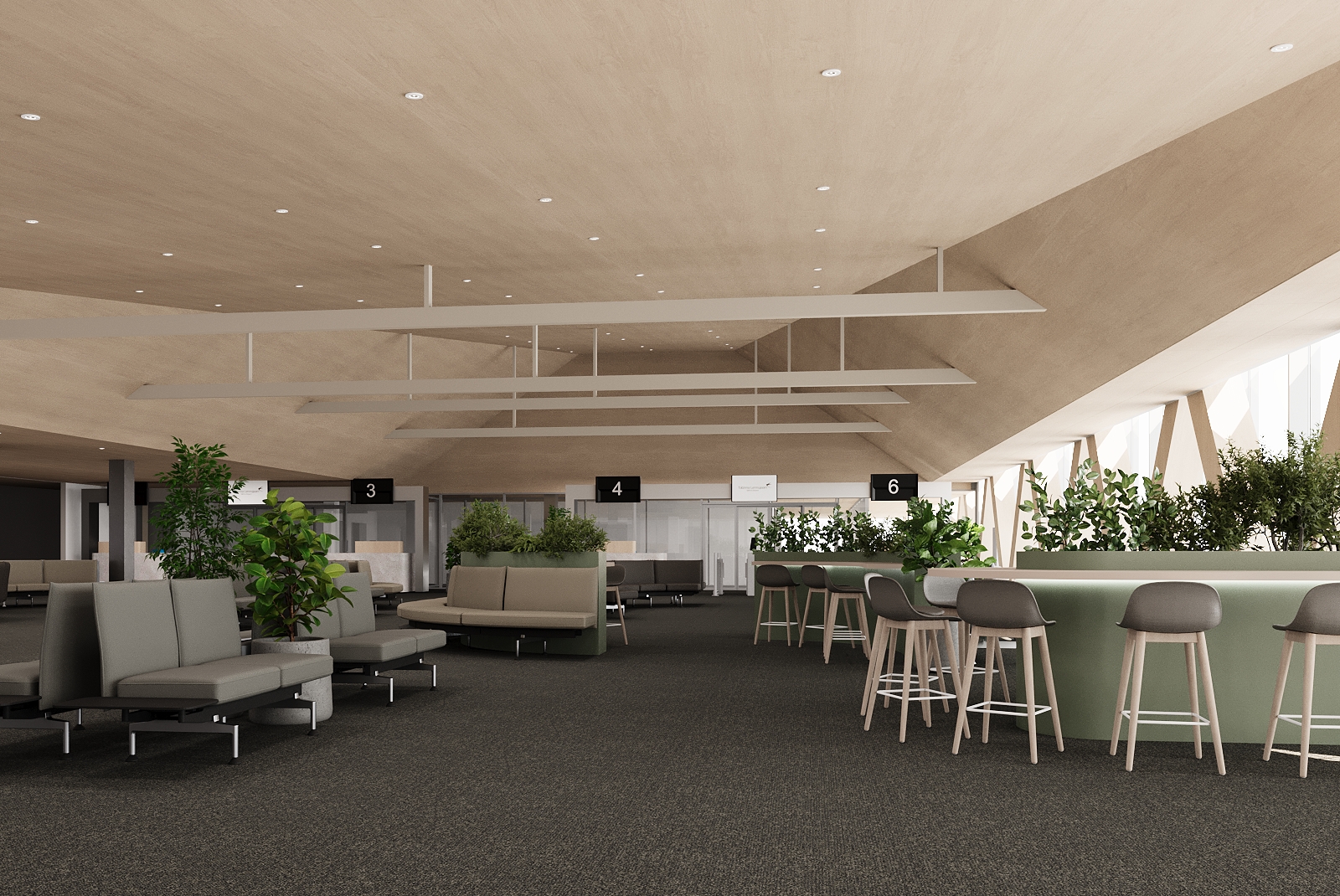
By the end of the decade, Tallinn Airport aims to present a refreshed identity that mirrors Estonia itself: modern yet grounded, technologically forward but deeply connected to nature and place. Local flavours, natural materials and understated Nordic design will, the airport hopes, help retain its reputation as “the world’s cosiest airport”.
How a forgotten airfield gave rise to Estonia’s modern airport
Long before Tallinn Airport took shape on the shores of Lake Ülemiste, the city’s aviation story began on the now-vanished Lasnamäe Airfield. From 1921 to 1928 it served as the base of Aeronaut – Estonia’s first home-grown airline – which operated German-built Sablatnig P.III and Junkers F 13 aircraft on routes linking Tallinn with Helsinki, Stockholm, Riga, Königsberg, Tartu, Viljandi and Pärnu. Aeronaut’s bankruptcy in 1928 shifted Lasnamäe into military use, first by the Estonian Air Force and later by the Soviet Air Forces during the occupation, before the airfield finally disappeared beneath the new Lasnamäe residential district in the 1970s.
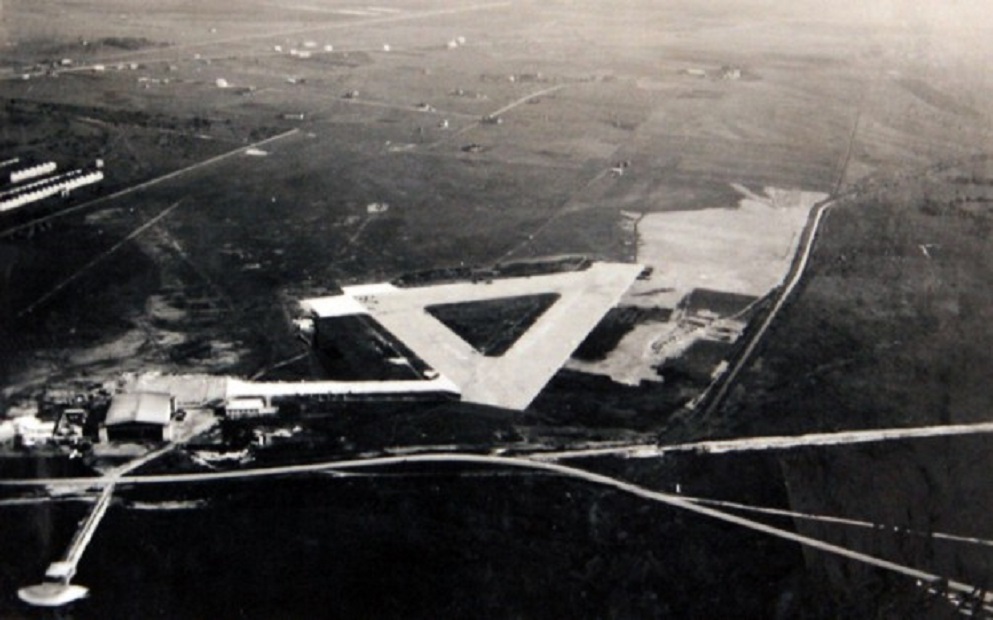
Ülemiste emerged as Estonia’s aviation hub in 1928 with the opening of a seaplane harbour serving Finnish-operated flights. The Estonian parliament soon authorised the construction of a modern airport, and work began in 1931. By 1935, a new administration and passenger building stood beside a pioneering triangular system of three concrete runways – each 40 metres wide and 300 metres long, a stark contrast to today’s 3,480-metre runway.
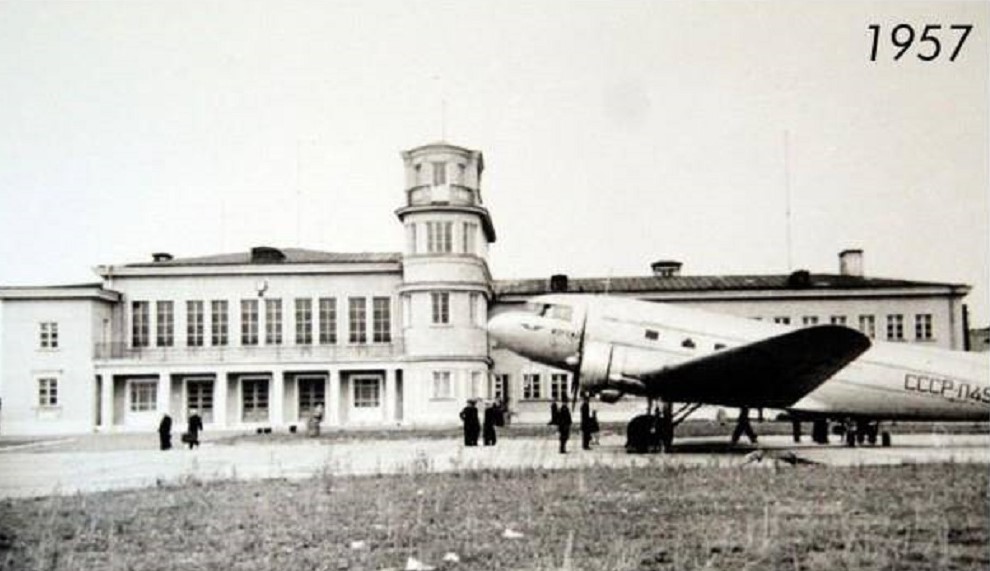
A new terminal designed in 1938 by architect Arthur Jürvetson – a grandfather of the US-Estonian venture capitalist, Steve Jurvetson – was halted by the Second World War and later redesigned in the Stalinist style, finally opening in 1955. That structure now serves as the airport’s administrative centre.
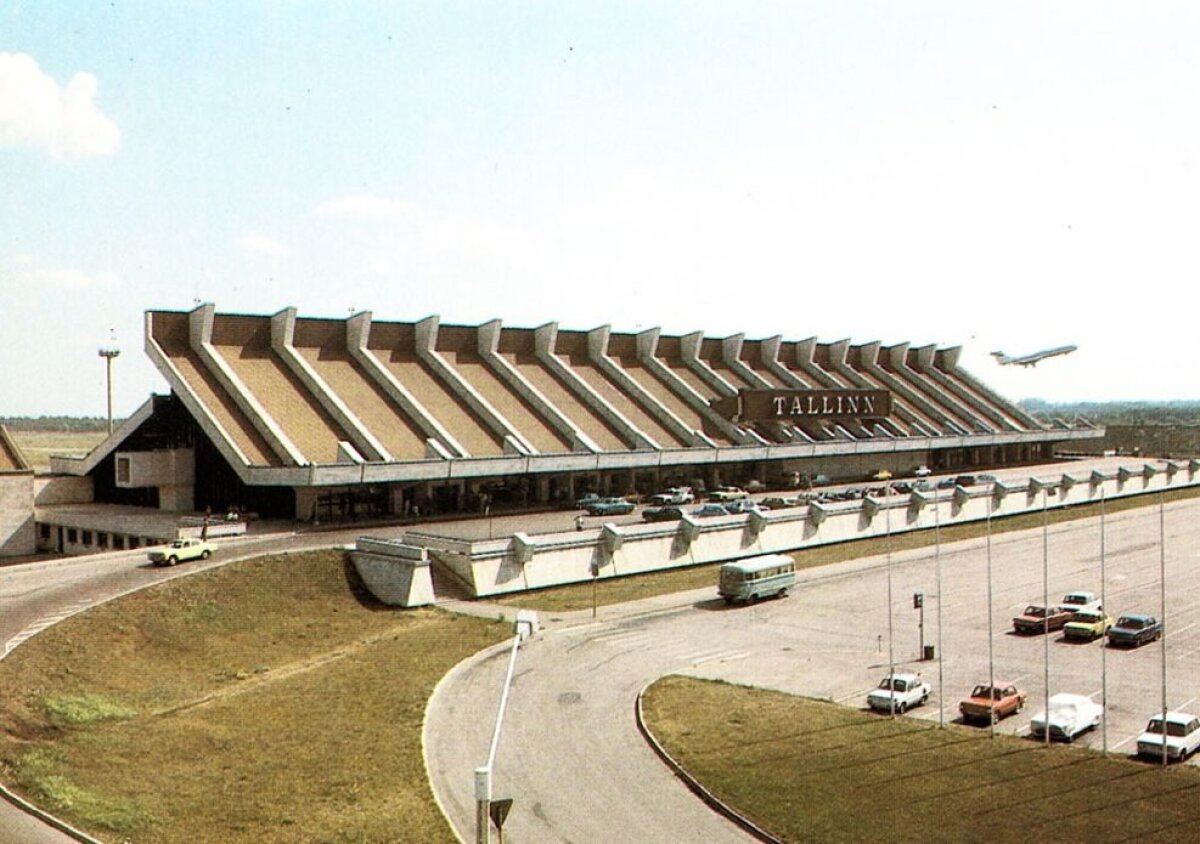
Tallinn’s modern era began in 1980 with the opening of a new terminal for the Moscow Olympic regatta, designed by Mihhail Piskov and inspired by traditional Estonian threshing barns, with interiors by Maile Grünberg. The airport has undergone several rounds of modernisation since 1999. The terminal was extensively updated in 2006, followed by a major extension to the main building in 2008 – the version familiar to travellers today.