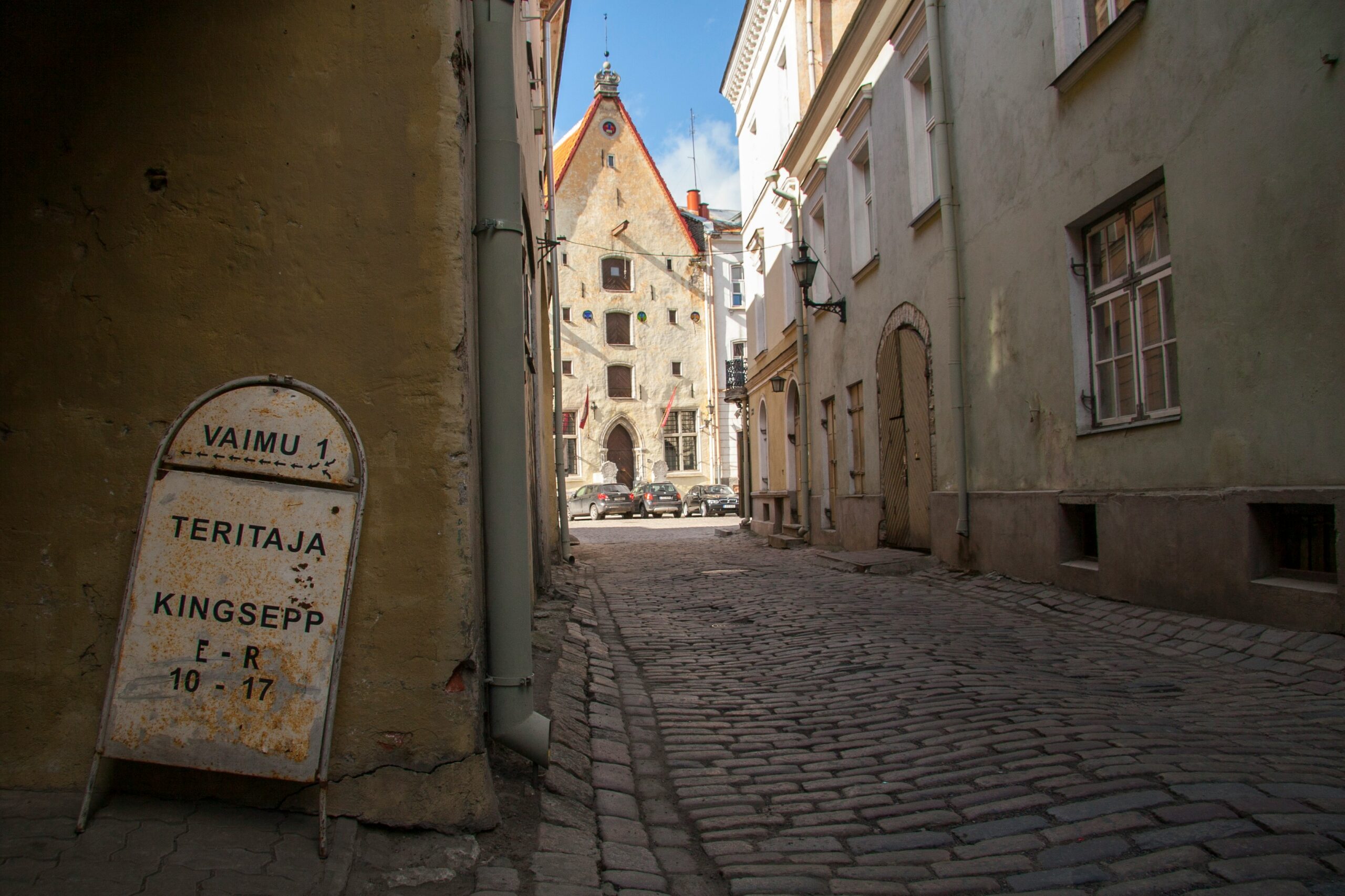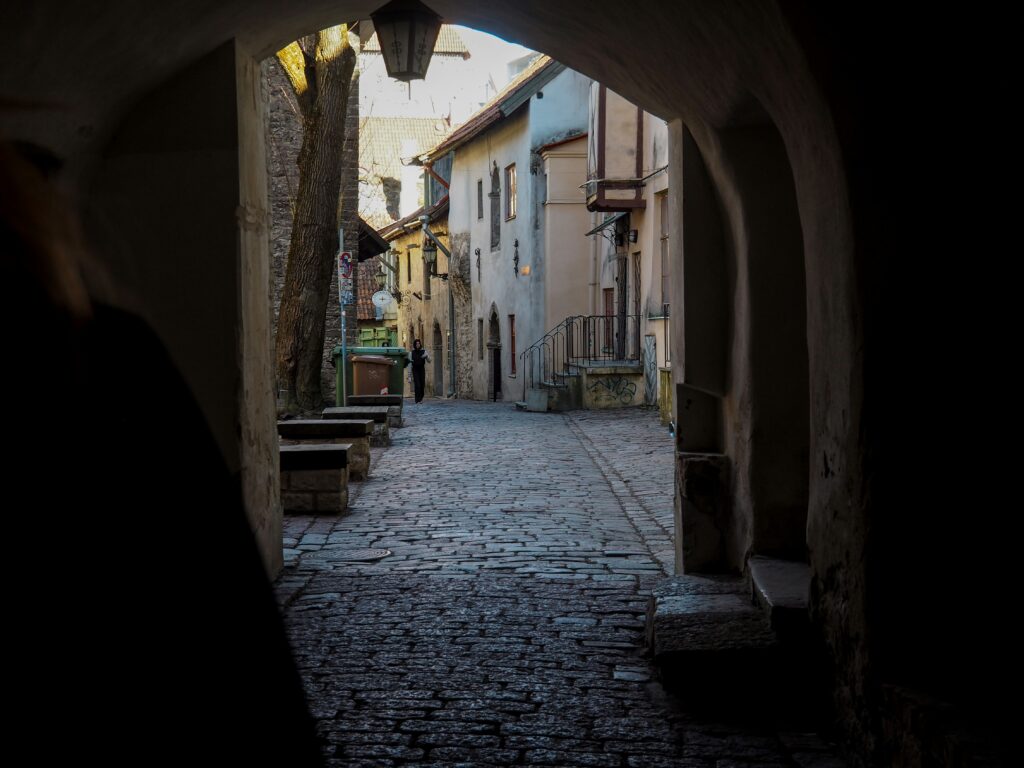
In Tallinn’s Old Town alone, more than half a hundred houses are said to be haunted, and almost every old castle and manor in Estonia seems to have its own spirits – so what should we make of these stories?
Ghosts and spirits are not simply a matter of belief. Some people are convinced that the souls of the dead have not found rest and still move among us. Others dismiss the whole thing as nonsense – a grand performance designed to frighten the gullible.
And yet, the stories persist.
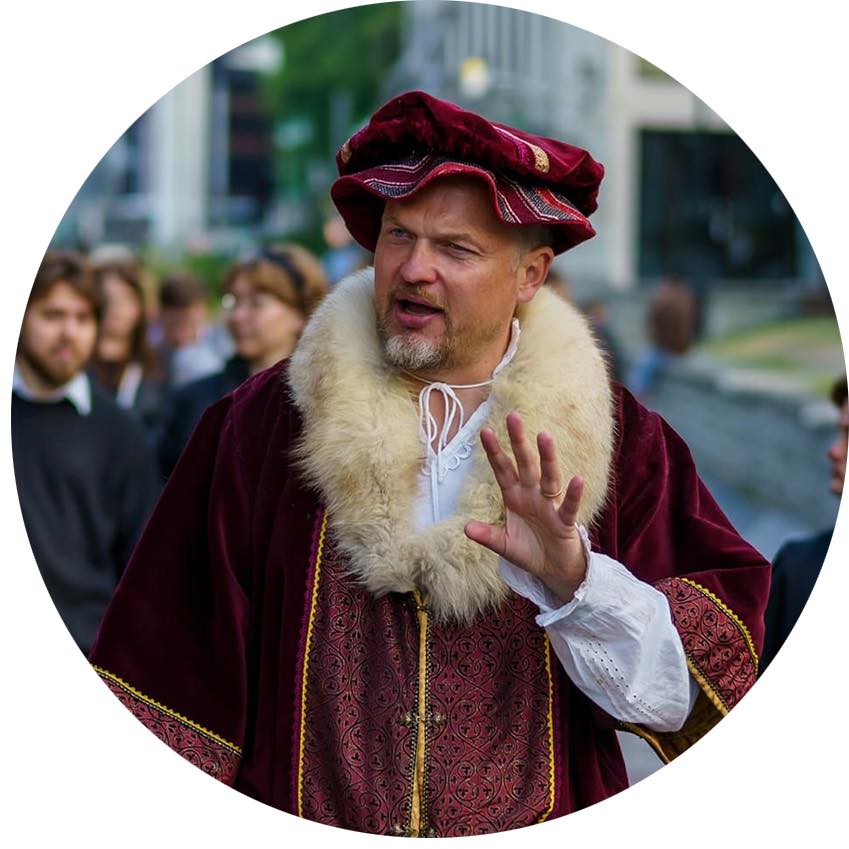
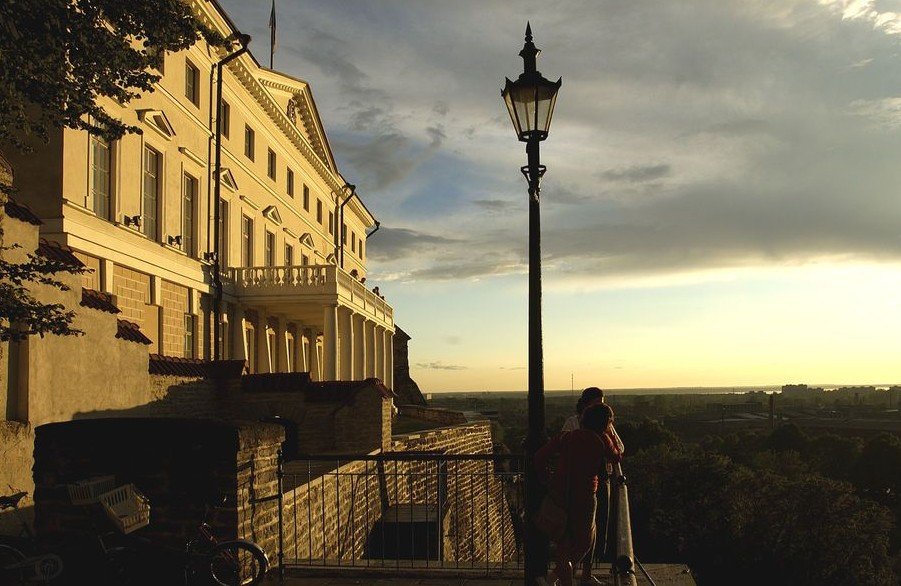
For years, I have guided people through the haunted houses of Tallinn’s Old Town, telling them about the black monk who is said to appear in the gate tower of Lühike jalg, the girl in a blood-stained dress at Stenbock House, and the building on Rataskaevu Street where, according to legend, Satan once held a wedding.
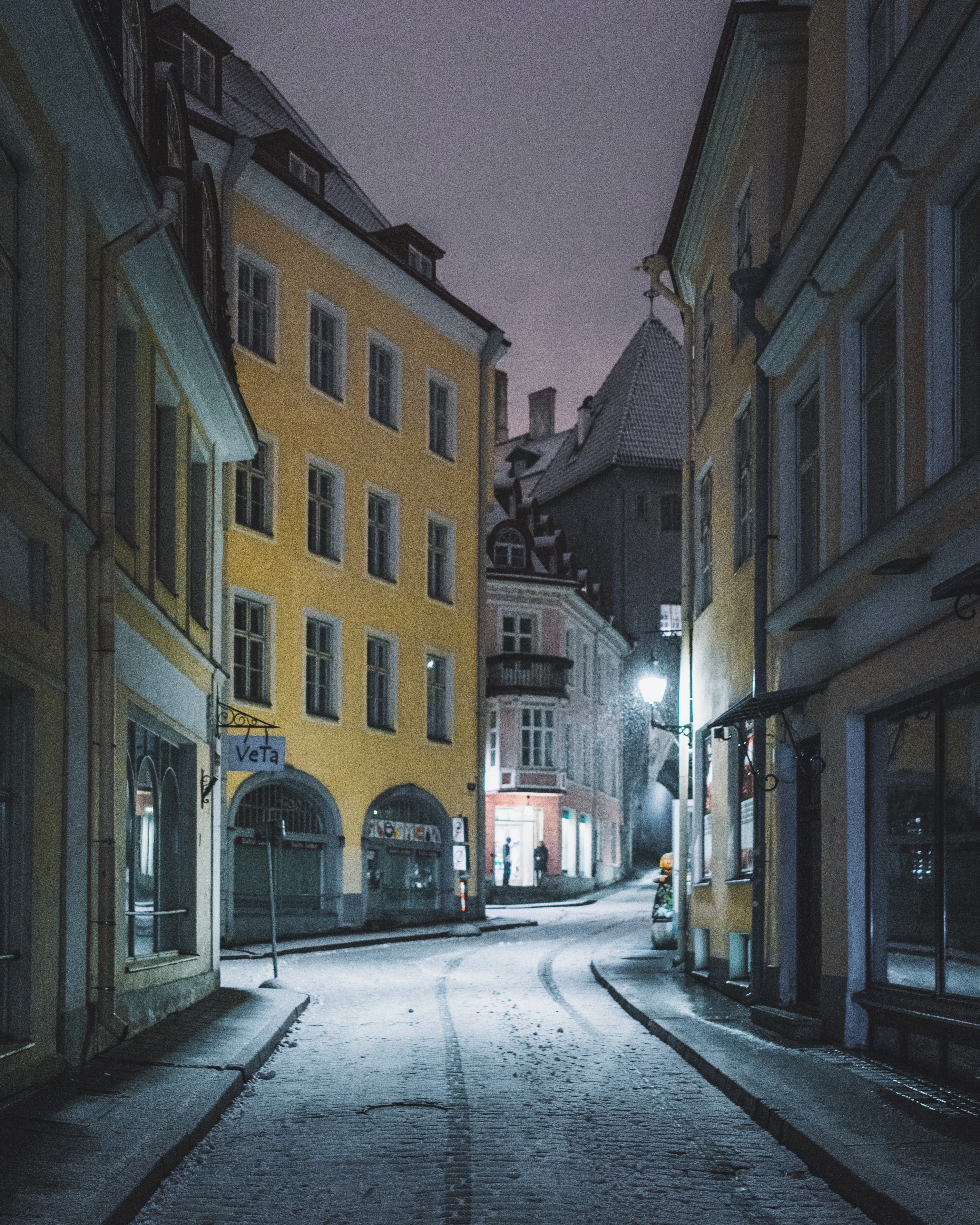
The most fascinating thing is that these stories never stop coming. Someone who has lived or worked in an old medieval house hears unexplained sounds, senses something strange in the rooms, and becomes convinced that the building is haunted.
Fear has big eyes
If we try to explain these dozens of stories rationally, many belong to the old category of “fear has big eyes”. An old house. A dark night. A storm outside. Shadows moving across the wall. The imagination does the rest.
A few years ago, I had the chance to spend a night with my family at Anija Manor in Harju County. The beautifully renovated manor, with its fascinating museum, is full of ghost stories. At midnight, I went alone into the dark banquet hall and sat in an armchair.
There, I understood how an old house lives.
The wind played with the windows. Something creaked somewhere. The darkness started working on the mind. Unfortunately, I did not meet any ghosts – but I did begin to understand how such stories are born.
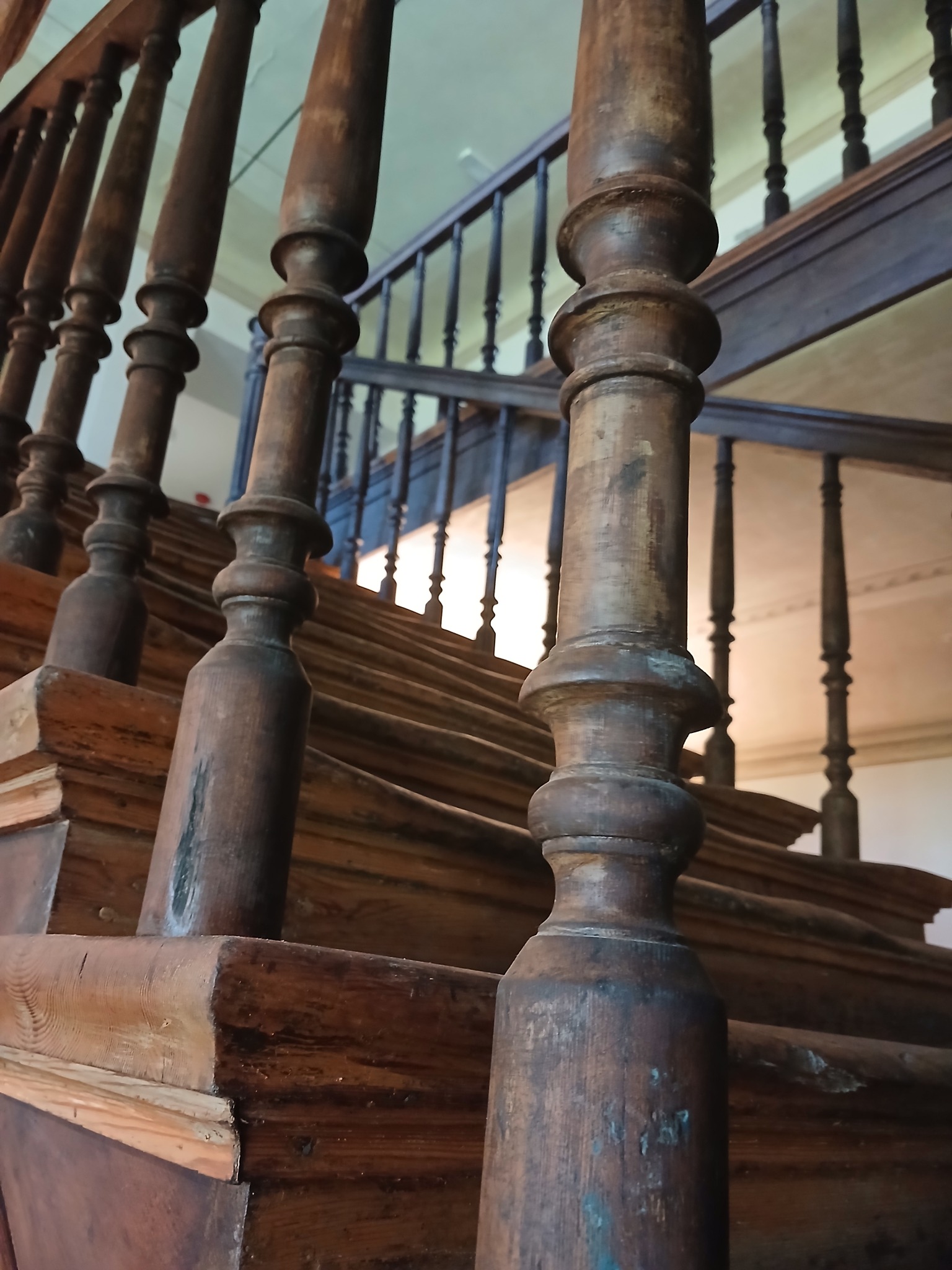
Another part of Estonia’s ghost lore is likely fictional, much of it shaped in the 19th century, during the Romantic era, when such tales became especially popular.
But the third group of stories is the most intriguing – the ones I cannot rationally explain. Nor do I suspect the people who told them to me of lying.
Take, for example, the medieval St Michael’s Convent building in Tallinn, which today houses Gustav Adolf Grammar School. Over the decades, the same story has been told repeatedly: a teacher is at the school at night, falls asleep, wakes up – and sees the ghost of a nun standing before him.
Believe it or not. But at the end of the last century, a cemetery for nuns was discovered in the school courtyard.
The long sea of time
Our life is only a brief blink of an eye in the long sea of time. Behind us stand tens, even hundreds, of generations – people who founded our towns and villages, built our homes, walked the same streets and looked out of the same windows.
According to old beliefs, the souls of some people do not find rest after death. Perhaps they met a tragic end. Perhaps they wronged someone. Perhaps they are still searching for peace.
Until they find it, these restless souls make themselves known.
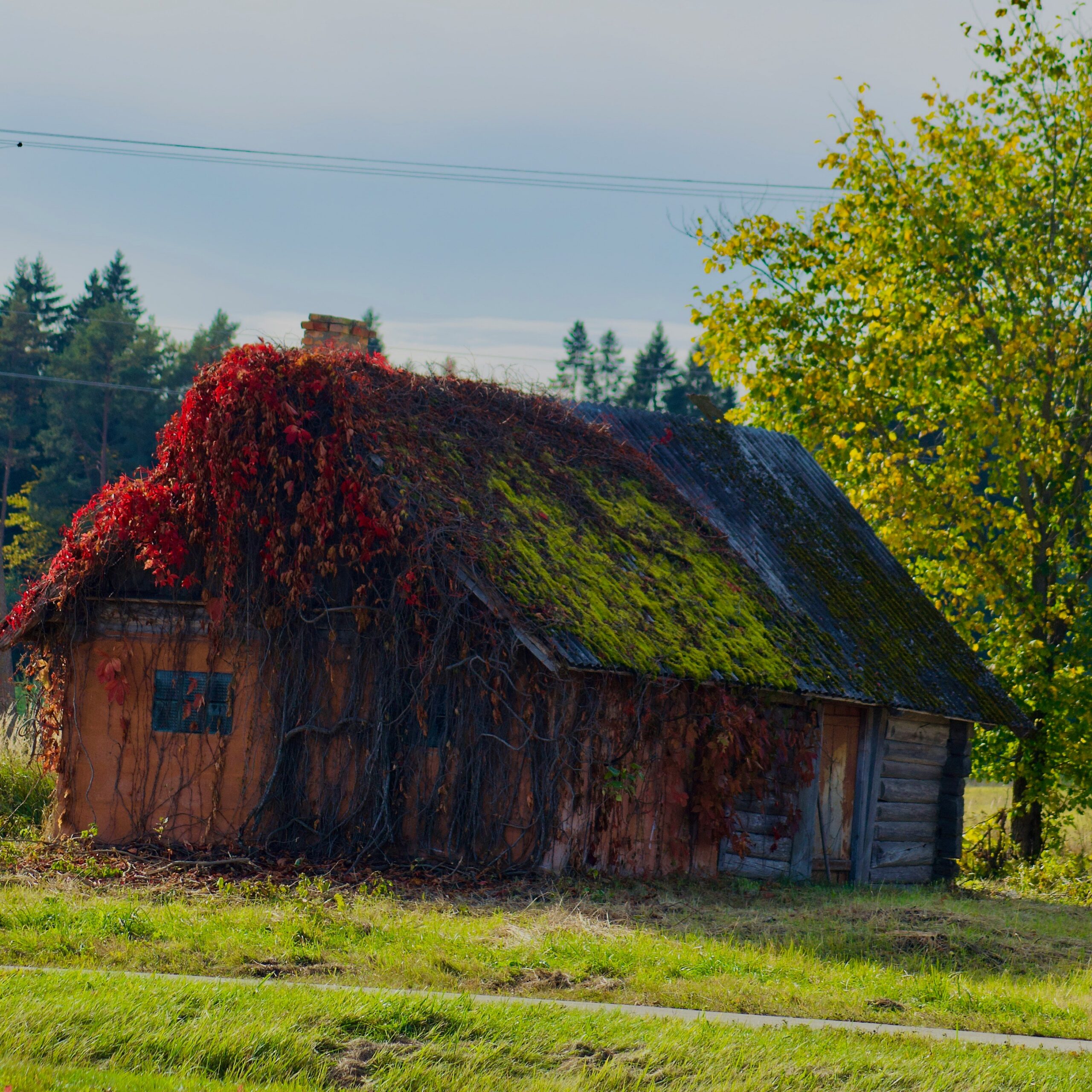
Some ghosts are said to be frightening. Most, however, appear to be rather gentle. It may also be that only certain people among the living are able to see the spirits of those who came before us.
In any case, if your house is haunted, think of the ghost as an eccentric neighbour. In its own strange way, it adds value to your property – because your house has a story.
The strange stories of Toompea Castle
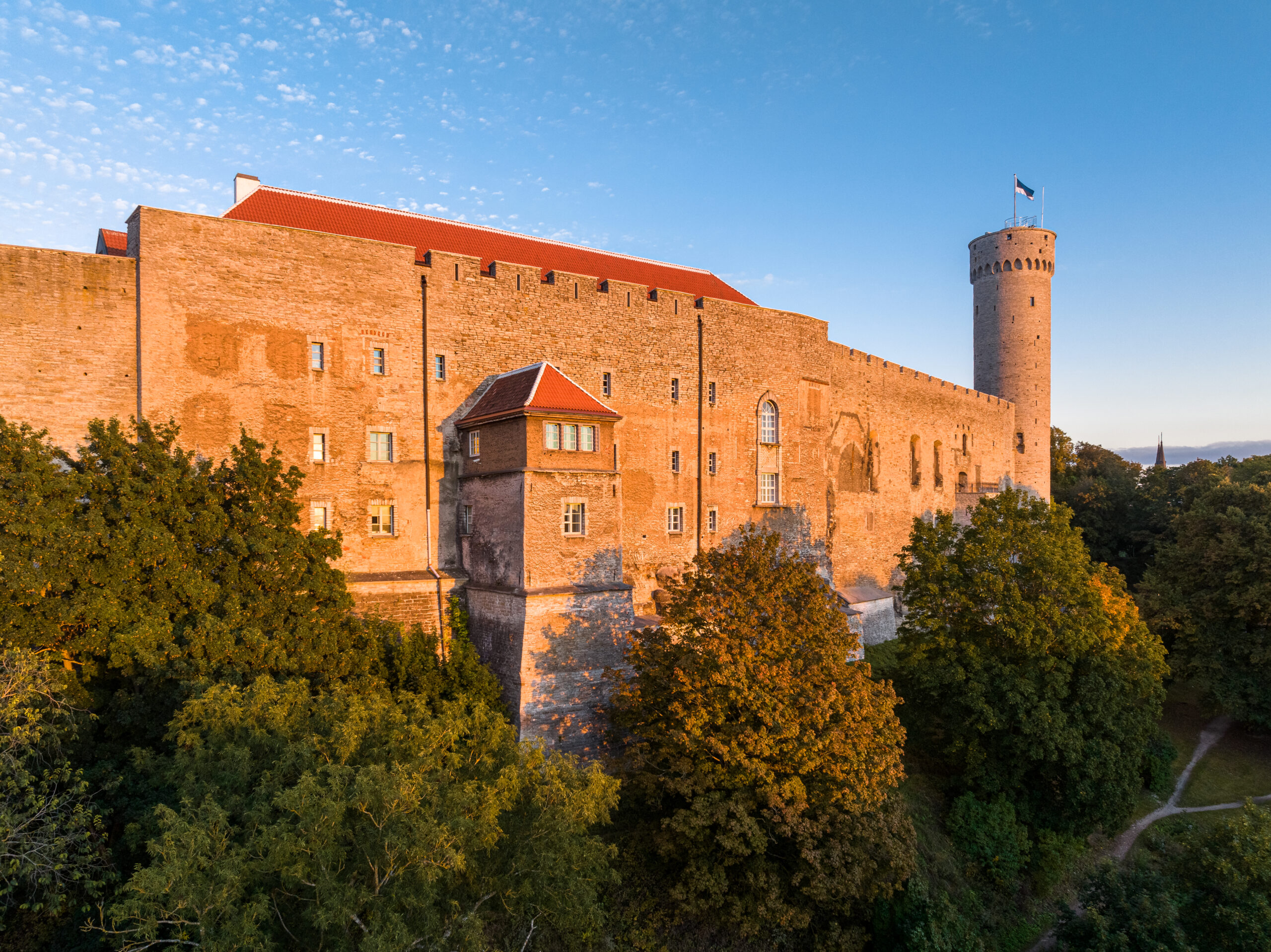
Some of Estonia’s most remarkable ghost stories come from Toompea Castle, the seat of the Riigikogu, the Estonian parliament.
When Mart Laar was still prime minister and went to his Toompea office one night to look for some papers, he reportedly came across strange devices. They were said to have been installed by a ghost hunter. Unfortunately, the sensors never managed to fulfil their purpose.
In one office once used by the prime minister and now occupied by the speaker of the Riigikogu, a sizzling fireball is said to have burst from one side of the room. Resembling a burning wire, it flew in a straight line across the office. The fiery phenomenon also passed through an indoor plant, which had withered by the next day. A week later, however, the plant had recovered.
People on late-night duty have often heard footsteps in the castle and seen door handles moving by themselves. When they have gone to investigate, no one has been there.
A former secretary at Toompea Castle and a female politician who was with him are said to have seen the shadow of a man standing outside a door – only for it to suddenly disappear. She has also reportedly felt someone ruffling her hair.
The women working as guards did not want to be on duty at Toompea Castle at night. They said they could clearly hear someone walking down the broad staircase – although no one could ever be seen.
Years ago, a history student often visited Toompea in the hope of photographing the ghosts. He never succeeded. Whenever he was there, the door handles would rattle. One day, however, there was an unusually loud amount of movement and creaking. That same day, the young man died in an accident.
The late former politician Heiki Kranich also recalled an incident from the Riigikogu building. Once, while sitting in the smoking room, he heard footsteps in the dark room behind him – even though it was empty.
The ghosts of the Riigikogu may be connected to the prison once located in the medieval castle above the current parliament building, which opened in 1922. Because prisoners were tortured there, the restless spirits are sometimes said to appear in the form of fire and sudden flashes of light.
Happy haunting.